Year of the Caregiver

by Kristin Rowan, Editor

Year of the Caregiver

Medical and non-medical caregivers in home health, hospice, palliative, and home care are the life-blood of the industry, without whom Care at Home would not exist. 

Agency owners are limited in their capacity to compensate caregivers, working with CMS reimbursement rates, PDGM, and VBPM. However, Agency owners also know that caregivers are selfless, caring, empathetic, and dedicated. They also spend hours upon hours on documentation, drive billions of miles per year (literally), and adapt to changing industry regulations regularly. 

So, how do you, as an agency owner, executive, or manager, care for your caregivers in a meaningful way to express your appreciation for all that they do? How can you impact the high turnover rate? Pay raises are limited by CMS and insurance companies. Benefits are expensive for an already low-margin industry. Extended vacations limit the care you can provide your clients.

The Advantages of Employee Recognition

When your employees are engaged and feel appreciated, they are more loyal. Loyal employees are less likely to leave for another job, even if the pay rate is slightly higher. Employee recognition helps retain your best employees, increases their engagement, encourages best practices, and can be used as a recruitment tool when you need more staff.

A 2023 study highlights the importance of employee recognition. Employees who are likely to be recognized are more than twice as likely to go above and beyond their regular duties. Hearing a sincere “thank you” from the boss yields a 69% increase in extra effort. Personal recognition would encourage 37% of respondents to do better work more often.

Year of the Caregiver

Simple Start

Employee recognition programs don’t have to overhaul your organization, take a lot of time, or cost a lot of money. Start simple and see where it takes you. 

Celebrate Major Achievements and Small Wins

It’s important to recognize major achievements like gaining a new licensure, getting a referral for a new client, a positive online review, or a great star rating. How long an employee is with the company is an easy milestone to celebrate. Accolades for 30, 60, & 90 days, one year, five years, 10 years go a long way.

Equally important is celebrating smaller victories like completing a training, submitting accurate documentation, picking up an open visit, and birthdays.

Peer-to-Peer Recognition

Giving your employees the opportunity to recognize and celebrate each other creates a culture of appreciation within your agency, even when your employees are rarely together. Picking up a shift, trading a day off, helping answer a question, or simply encouraging a new employee during training are things you might not see, but your employees will. Give them an outlet to celebrate each other. 

Peer-to-peer recognition can be done with group text messages or an internal IM system like Slack or Microsoft Teams. For employees who are in the office, you can create a message board for notes, encouragement, and thanks. Create a monthly gift and let employees nominate someone for an act of kindness or helpfulness.

Year of the Caregiver

Organizational Change

Once you’ve established a Culture of Caring, ask your employees what they want and need. If recognition isn’t meaningful, it may not have the desired effect. 

Scheduling

A study out of the Leonard Davis Institute of Health Economics, 30% of registered nurses and 25% of licensed practical nurses left their positions in a home care agency in the course of one year. Part of the reason for the high turnover rate is schedule volatility. Another study concluded that high schedule variability in just 30 days increased the risk of turnover by 20%.

No change will eliminate client cancellations or immediate starts-of-care under the acceptance-to-service policy. But, that doesn’t mean you can’t minimize the volatility of a schedule. 

Automating the scheduling process using existing technology now allows home care agencies to offer open appointments in a “gig economy” style. Caregivers are notified by AI of a visit that needs to be covered, giving them the option to change their schedule. That autonomy reduces the feeling of stress caregivers have over schedule changes.

Stand-alone software options for automated scheduling and reduced schedule changes include Axle Health and Caring on Demand for home health and CareSmartz360 for non-medical supportive care. AI powered scheduling inside EMRs and agency management software include AlayaCare, HomeCare Homebase, CareVoyant, Axxess, Careswitch, and AxisCare, among others.

Documentation

Some sources suggest that home health workers spend up to three hours per shift at home finishing documentation. Visit times increase when employees are documenting on paper or on a device during the visit. 

One of the latest innovations in care at home software is AI powered talk-to-text scribe tools. Mobile applications using artificial intelligence record visits and transcribe conversations. The documentation tool scans the transcript as well as all patient data from the EMR and creates the needed documentation. Once a visit is over, the AI tool can finish documentation sometimes within minutes, requiring just a quick review by the visiting caregiver before submitting for QA.

Year of the Caregiver

Talk-to-text scribe tools are both stand-alone voice capture and integrated documentation tools. Some of the best talk-to-text scribe tools we’ve found are Athelas Scribe, Ybot, Andy, and Nvoq. OASIS and documentation automation reduces the burden on caregivers even more, almost eliminating the additional time spent at home reviewing charts and documentation. Some of the best OASIS and documentation automated software we’ve reviewed are Andy, Enzo, and Brellium. The Rowan Report will have reviews of these products in 2025. 

Communication and Connection

Care at home workers are a disparate group, rarely being in the same place at the same time, missing out on company culture, office parties, trading stories around the water cooler, and engaging with fellow employees, managers, and executives. Access to colleagues and management is an integral part of employee engagement and satisfaction.

Before you share the personal cell phone numbers of your entire agency, remember that all communication between employees, management, and clients should be secure and HIPAA compliant. Agencies have already seen the consequences both to their bottom line and with government agencies for failure to comply with secure messaging requirements.

Luckily, there are plenty of secure messaging platforms available for agencies to use. Employing messaging technology not only increases employee engagement, but also provides a level of security between caregivers and their patients and families. If you’ve now realized that you’ve been communicating on insecure platforms, check out Buzz, Qliqsoft, and Zingage.

Final Thoughts

Whether you start with a simple calendar to remind yourself which employees have been with you the longest, or invest in every AI tool available, the key here is to recognize that your caregivers are giving their all every day for their primary purpose of excellent patient-centered care.

No matter how you decide to do it, make 2025 the Year of the Caregiver and show your appreciation for all that they do for you. We couldn’t do what we do without them.

# # #

Kristin Rowan, Editor

Kristin Rowan has been working at Healthcare at Home: The Rowan Report since 2008. She has a master’s degree in business administration and marketing and runs Girard Marketing Group, a multi-faceted boutique marketing firm specializing in event planning, sales, and marketing strategy. She has recently taken on the role of Editor of The Rowan Report and will add her voice to current Home Care topics as well as marketing tips for home care agencies. Connect with Kristin directly kristin@girardmarketinggroup.com or www.girardmarketinggroup.com

©2024 by The Rowan Report, Peoria, AZ. All rights reserved. This article originally appeared in Healthcare at Home: The Rowan Report. One copy may be printed for personal use: further reproduction by permission only. editor@therowanreport.com

Updates on UnitedHealthcare CEO Shooting

by Kristin Rowan, Editor

Last Week

As most of the U.S. now knows, last week, UnitedHealthcare CEO Brian Thompson was shot and killed outside a hotel in Manhattan just hours before the UnitedHealth Group Investor Event. The Rowan Report provided the breaking news story with the information available at the time.

Manhunt

According to reports, after the shooting, a man fled the scene on foot and then rode an e-bike toward Central Park. Police were in pursuit based on early descriptions of the shooter and later on video footage of the shooting. The suspect was wearing a hoodie in the images of the shooting. Further investigation found a photo of the suspect in the lobby of a hostel where it is believed he stayed, smiling. Police followed the suspect into Central Park, where it is believed he got into a taxi and left the park.

He was later spotted at a bus station near the George Washington bridge.

Conflicting Images

Images obtained of the suspect taken inside the hotel show a man appearing to be in his 20s, wearing a dark  jacket with the hood up and a black face mask resting under his chin. An image of the suspect at a nearby Starbucks puts the suspect in a dark jacket with a black mask covering his mouth. Twenty minutes after the shooting, he is spotted getting into a taxi wearing a black jacket and a white surgical mask covering his mouth and nose. Conspiracy theories about why he would change his mask started circulating quickly.

Ongoing Investigation

A video shows the suspect entering the bus station near the George Washington Bridge. There is no video of him exiting the station. Police believe he got on a bus.

Meanwhile, police found a backpack in Central Park they believe belonged to the suspect. The investigation also discovered a cell phone that may be linked to the shooting. Early on Monday, December 9, police returned to Central Park with dive crews to search for evidence.

Delay, Deny, Defend

Delay Deny Defend by Jay M. Feinman is a book criticizing health insurance companies. The sub-title, “Why Insurance Companies Don’t Pay Claims and What YOu can Do About It,” supports the description of the book indicating that Feinman explains how to be more custios when shopping for policies and what to do when you have a disputed claim. Feinman also includes a play for the legal reforms he feels are needed to end the abuse.

NYPD officers found writing on the three shell casings left at the scene of the shooting. Initially reported as “Deny, Defend, & Depose”, police have now clarified that the permanent marker found on the casings read “Deny, Delay, & Depose.”

Former FBI agent Brad Garrett said he believes the shooter is “trying to send a message.” Police have not commented on what they think the words might mean. Meanwhile, “Deny Defend Depose merchandise appeared overnight, followed quickly by the corrected “Deny Delay Depose.”

Person of Interest

Around the time the dive crews arrived to search for clues in Central Park, a man entered a McDonald’s in Altoona, PA, nearly 280 miles away. An employee recognized him as the man from the photos and alerted local police. The person of interest, now identified as Luigi Nicholas Mangione, had a weapon, a mask, and writings that linked him to the shooting. The writings suggest he has issues with corporate America in general, and named several other people in the document in addition to Brian Thompson. He also had a fake ID that matches the one used to check in to the hostel in New York. Mangione has now been charged with Thompson’s murder.

unitedhealthcare CEO Thompson Person of Interest

Mangione was taken into custody by local police. Several members of the NYPD were later seen entering the police station in Altoona. As of Monday afternoon, Mangione was refusing to talk to police and did not have an attorney.

A DNA swab was taken and will be compared with DNA from a Starbucks cup found near the scene. Reports indicate Mangione will be extradited to New York. Mangione was denied bail and will remain in the Pennsylvania prison while he and his attorney fight the extradition to New York.

Additional information about Mangione surfaced on December 11. Mangione’s grandfather founded Lorien Health Services. The company, based in Maryland, operates six ALFs and eight nursing homes. Mangione often volunteered with the company in high school. Additionally, Mangione’s former roommate said in an interview that Mangione recently had surgery that was “heinous” and left him with multiple screws in his body. 

Public Outcry

The customary sentiments of comfort, sympathy, and condolences were pointedly absent in the days after Thompson’s death. Instead, stories of denied claims, limitations on access to care, and other frustrations with the industry flooded social media. Of the 60,000 reactions to the UnitedHealth Group post about Thompson’s death, 57,000 were laugh emojis.

Many industry professionals noted that the incident has brought up bigger issues with healthcare insurance in general. The Rowan Report previously wrote about UnitedHealthcare using AI in place of medical professionals to determine medical necessity. This resulted in a much higher than expected denial rate and more than 90% reversal of denials on appeal.

For more information on how healthcare might change after the shooting death of Brian Thompson, please see our complimentary article this week, “Will Thompson’s death change healthcare?”

# # #

Kristin Rowan, Editor

Kristin Rowan has been working at Healthcare at Home: The Rowan Report since 2008. She has a master’s degree in business administration and marketing and runs Girard Marketing Group, a multi-faceted boutique marketing firm specializing in event planning, sales, and marketing strategy. She has recently taken on the role of Editor of The Rowan Report and will add her voice to current Home Care topics as well as marketing tips for home care agencies. Connect with Kristin directly kristin@girardmarketinggroup.com or www.girardmarketinggroup.com

©2024 by The Rowan Report, Peoria, AZ. All rights reserved. This article originally appeared in Healthcare at Home: The Rowan Report. One copy may be printed for personal use: further reproduction by permission only. editor@therowanreport.com
Health Insurance Impact after Thompson’s Death

by Kristin Rowan, Editor

Will Thompson's death change healthcare?

It's all Relative

On the same day that Brian Thompson died, Blue Cross Blue Shield announced a reversal of an earlier planned policy change. In November, the insurance giant announced it would change its process for anesthesia claims. The change would start in three states and begin on February 1st, 2025. The new process would limit the amount of time the company would cover anesthesia for surgeries and other procedures that called for anesthetization.

The announcements said the company would deny any claim for a surgery or procedure needing anesthesia that goes beyond the time limit they established. Reportedly, the policy would not apply to people under 22 or any maternity related care. A press release from the American Society of Anesthesiologists criticized the policy. It said BCBS “will no longer pay for anesthesia care if the surgery or procedure goes beyond an arbitrary time limit, regardless of how long the procedure takes.”

The new policy was confusing. Some reports indicated there would be a time limit set by the insurer and all claims over that time limit would be denied. Another interpretation said the company would initially approve the claim but would only cover the anesthesia up to a point, leaving the balance to the insured. Yet another report implied BCBS shield would still pay for the surgery, surgeon, and facility, but not for any of the anesthesia.

Reversal of Fortune

Though the initial announcement received backlash from anesthetists, surgeons, insured patients, and Connecticut Senator Chris Murphy, the policy was not widespread news. That is, until the shooting of Brian Thompson shed light on all health insurance company policies. Citing “misinformation” the company announced on Thursday, December 4, that it would not proceed with the policy change.

To be clear, it never was and never will be the policy of Anthem Blue Cross Blue Shield to not pay for medically necessary anesthesia services. The proposed update to the policy was only designed to clarify the appropriateness of anesthesia consistent with well-established clinical guidelines.

Spokesperson

Anthem Blue Cross Blue Shield

Social Media Backlash

The New York Times referred to the reactions to Thompson’s death as “morbid glee.” Comments on social media posts, videos, and news stories include:

“Thoughts and deductibles to the family.”

“Unfortunately my condolences are out-of-network.”

“I pay $1,300 a month for health insurance with an $8,000 deductible. When I finally reached that deductible, they denied my claims. He was making a million dollars a month.”

“Cause of death: Lead poisoning! It’s a pre-meditated condition. Payout denied.” 

UnitedHealth Group Responds

UnitedHealth Group CEO Andrew Witty called the media interest in Thompson’s death “aggressive” and “frankly offensive.” In a video to UnitedHealth Group employees, Witty said, “I’m sure everybody has been disturbed by the amount of negative and in many cases citriolic media and commentary…particulary in the social media environment.” Witty noted there were few poeple who had a “bigger positive effect” on the U.S. healthcare system than Thompson.

From Bad to Worse

Witty’s leaked internal video compounded the negativity towards health insurance companies. Witty decryied the media and public vitriol. He then praised Thompson’s impact on healthcare and defended the company policy.

“Our role is a critical role, and we make sure that care is safe, appropriate, and is delivered when people need it,” Witty said, “What we know to be true is the health system needs a company like UnitedHealth Group.” Witty followed his seemingly innocuous statement with, “We guard against the pressures that exist for unsafe care or for unnecessary care to be delivered in a way which makes the whole system too complex and ultimately unsustainable.” Public outcry was amplified after the video was leaked, with insured persons using this as proof that the company’s policy is to deny care.

Health Insurance Impact

Experts Weigh In

Ron Culp, a public relations consultant at DePaul University said if the attack is related to health insurance policies it “could cause companies in the sector to make some changes,” noting that, “empathy and potential alternative solutions will play greater roles.”

Fortune predicts that the incident will cause fewer people to aim for the corner office.

While disgruntlement with corporate America is not new, The Wall Street Journal said this incident is “tinged with class rage and anti-corporate venom….[The] current outpouring is on a grander scale….”

Loss of Faith in Insurance Stock

Between close of business on Tuesday, December 3, the day before Thompson’s shooting, and Tuesday, December 10, major insurance stocks have dropped more than 6%. This includes UnitedHealth, CVS Health, and Cigna, three of the largest private health insurers in the country.

Jared Holz, a health-care equity strategist, said the stock performance appears to be in response to the rhetoric condemning health insurance business models that include denied claims in deference to higher profits.

Final Thoughts

After just one week, the public is still uncovering and pronouncing issues with the healthcare insurance industry. The long-term health insurance impact regarding company policies, denial rates, or anything else remains to be seen. The Rowan Report will never condone violence against another person. However, if Thompson’s death brings about changes in the corruption of for-profit insurance companies, we will all be the better for it.

This is an ongoing story. The Rowan Report will continue to provide updates as they become available.

# # #

Kristin Rowan, Editor

Kristin Rowan has been working at Healthcare at Home: The Rowan Report since 2008. She has a master’s degree in business administration and marketing and runs Girard Marketing Group, a multi-faceted boutique marketing firm specializing in event planning, sales, and marketing strategy. She has recently taken on the role of Editor of The Rowan Report and will add her voice to current Home Care topics as well as marketing tips for home care agencies. Connect with Kristin directly kristin@girardmarketinggroup.com or www.girardmarketinggroup.com

©2024 by The Rowan Report, Peoria, AZ. All rights reserved. This article originally appeared in Healthcare at Home: The Rowan Report. One copy may be printed for personal use: further reproduction by permission only. editor@therowanreport.com

The 4 M Framework for Age-Friendly Care

by Kristin Rowan, Editor

Pitfalls of Care at Home

Patient assessment has largely used the same formula for years. Patient care is more successful and less expensive in the home, but it is not without its frustrations. Agency owners and managers know that patients won’t always follow recommendations. Some patients leave an acute-care setting without understanding their own diagnosis or after care. Disruption from depression, dementia, or delirium impacts recovery. There are a reported 36 million falls among older adults in the U.S. And the list goes on.

Age-Friendly Health Systems

The care provided to older adults both in acute and post-acute settings is not always designed around the patient. Age-Friendly Health Systems is a joint initiative of The John A. Hartford Foundation and the Institute for Healthcare Improvement (IHI) in partnership with the American Hospital Association (AHA) and the Catholic Health Association of the United States (CHA).

Age-Friendly Health Systems, according to the John A. Hartford Foundation, is a movement helping hospitals, medical practices, retail pharmacy clinics, nursing homes, home-care providers, and others deliver age-friendly care. 

Components of an Age-Friendly Health System:

    • Follow an essential set of evidence-based practices in the 4Ms Framework
    • Cause no harm
    • Align with What Matters to older adults and their family caregivers

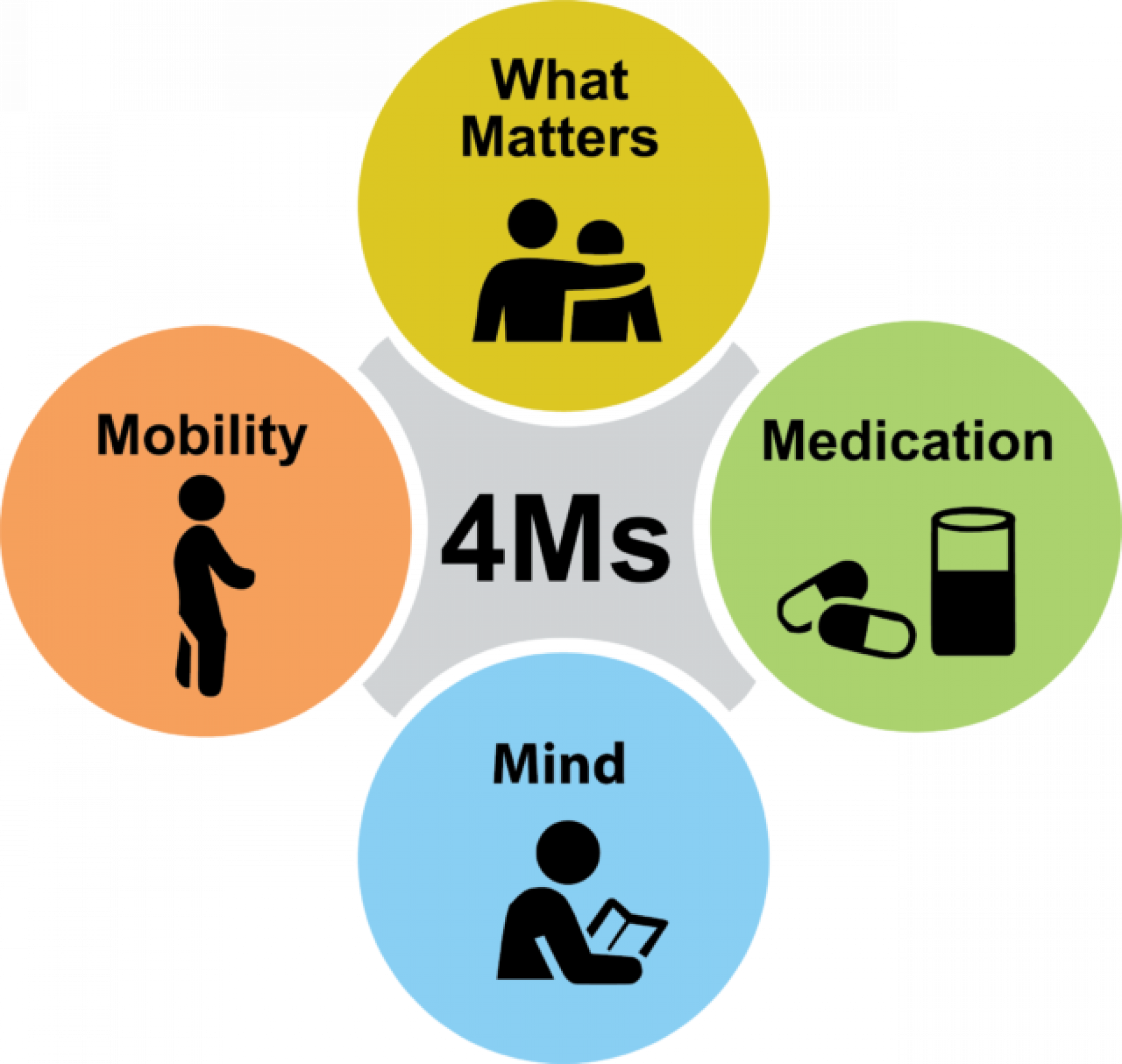
The 4Ms Framework

What Matters

Know and align care with each older adult’s specific health outcome goals and care preferences including, but not limited to, end-of-life care, and across settings of care.

Medication

If medication is necessary, use Age-Friendly medication that does not interfere with What Matters to the older adult, Mobility, or Mentation across settings of care.

Mentation

Prevent, identify, treat, and manage dementia, depression, and delirium across settings of care.

Mobility

Ensure that older adults move safely every day in order to maintain function and do What Matters.

4Ms Framework CHAP Age-Friendly

CHAP Certification for Age-Friendly Care

The Rowan Report spoke with Teresa Harbour, COO of CHAP, about the 4M Framework. CHAP has developed a standardized form that agencies can use to educate patients and families and find out what matters most to them. The 4Ms Framework changes the perspective on patient care by looking at the 4Ms as a set, rather than as separate assessments. Resources, standards, and learning modules for your agency are also included and can be downloaded. The Age-Friendly Care at Home Certification is included at no charge with your CHAP Accreditation.

First Age-Friendly Certification Awarded

On December 2, 2024, St. Croix Hospice announced its achievement of Age-Friendly Care certification across all 70+ locations. Harbour said in a statement, “This effort not only raises the bar for compassionate, patient-centered care but also underscores St. Croix Hospice’s role as a leader in the hospice field.”

St. Croix Hospice is dedicated to providing compassionate, individualized care tailored to the unique needs of older adults. It’s especially important to us that this certification is recognized across our entire organization, reflecting the unified efforts of our teams to ensure every patient receives the highest quality care they deserve.

Heath Bartness

Founder & CEO, St. Croix Hospice

# # #

Kristin Rowan, Editor

Kristin Rowan has been working at Healthcare at Home: The Rowan Report since 2008. She has a master’s degree in business administration and marketing and runs Girard Marketing Group, a multi-faceted boutique marketing firm specializing in event planning, sales, and marketing strategy. She has recently taken on the role of Editor of The Rowan Report and will add her voice to current Home Care topics as well as marketing tips for home care agencies. Connect with Kristin directly kristin@girardmarketinggroup.com or www.girardmarketinggroup.com

©2024 by The Rowan Report, Peoria, AZ. All rights reserved. This article originally appeared in Healthcare at Home: The Rowan Report. One copy may be printed for personal use: further reproduction by permission only. editor@therowanreport.com
BREAKING NEWS: UnitedHealth CEO Thompson Shot and Killed

by Kristin Rowan, Editor

United Health CEO in NY for Investor Event

On November 26, UnitedHealth Group announced it would host its annual Investor Conference for analysts and institutional investors in New York City on Wednesday, December 4, 2024. The purpose of Investor Day, according to the press release, was to discuss long-term growth priorities and the company’s efforts to advance high-quality health care, including expanding value-based care.

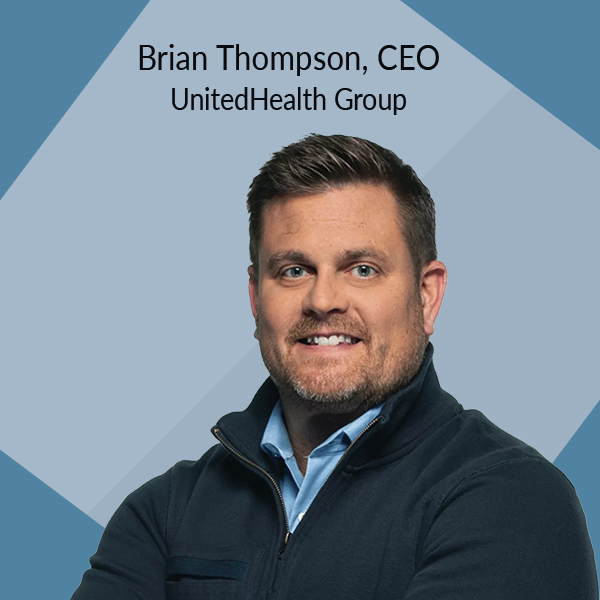
This morning, Wednesday, December 4, 50-year-old Brian Thompson, CEO of UnitedHealth Group’s insurance unit, arrived in midtown Manhattan in advance of the Investor Conference.

Targeted Attack

Mr. Thompson made his way to the Hilton Hotel for the meeting at approximately 6:45 a.m. The suspect had arrived on foot about five minutes prior. Several people recall passing him as he waited for Thompson to arrive. When Thompson approached the hotel, the suspect stepped from behind a car, approaching Thompson from behind, and fired several rounds. Thompson was struck at least once in the back and once in the leg. Reports state the suspect’s gun malfunctioned after the initial shots before he fired again.

The New York Police Department called it “a brazen, targeted attack.”

I want to be clear at this time, every indication is that this was a pre-meditated, pre-planned, targeted attack. This does not appear to be a random act of violence.

Jessica Tisch

Police Commissioner, New York Police Department

UnitedHealth Group Thompson

NYPD Officers stand near the entrance of the hotel where Brian Thompson was reportedly shot and killed in Midtown, New York City, December 4, 2024.

Shannon Stapleton / Reuters

Emergency Response

NYPD Officers responded to a call that a man had been shot outside the hotel. Officers arrived within 2 minutes of the call. When they arrived, they found Thompson on the sidewalk with gunshot wounds.

Emergency medical services arrived and transported Thompson to Roosevelt Hospital. He was pronounced dead at 7:12 a.m. ET.

UnitedHealth Group cancelled the Investor Day event immediately after the shooting.


From UHC

Lorie Burleson, Provider Advocate Account Manager at UnitedHealthCare, issued a statement on LinkedIn about the fatal shooting.

“This morning, we learned of the devastating loss of our CEO, Brian Thompson, who was tragically taken from us,” she wrote. “This is an unimaginable loss for UnitedHealth Group and for everyone who knew him.

“To my UHC family, my heart is with each of you during this incredibly difficult time. Let us come together to honor Brian’s legacy and support one another as we navigate this tragedy.”

In a statement Wednesday, UnitedHealth Group said it was “deeply saddened and shocked at the passing” of Thompson. The company called him a “highly respected colleague and friend to all who worked with him.”

Thompson UnitedHealth Group

About Brian Thompson

According to Daily Mail, Brian Thompson’s annual salary was $10 million. However, several outlets report he exercised more than $20 million worth of stock units in early 2024. Thompson had a net worth close to $43 million, according to multiple outlets.

Brian Thompson, 20 year veteran of UnitedHealthCare, is survived by his wife Paulette Thompson and their two children. Paulette indicated that Brian had received threats related to his job but that it did not deter him from maintaining his travel schedule.

This is an ongoing breaking story and The Rowan Report will continue to follow additional news.

About UnitedHealth Group

UnitedHealth Group, which owns Optum, which owns LHC group, is among the nation’s largest healthcare companies and provides health insurance, pharmacy benefits and healthcare services. The company is currently trying to acquire Amedisys as well, but has been held up by DOJ inquiries.

UnitedHealthcare provides coverage for more than 29 million U.S. individuals, according to their website. In 2024, United Healthcare ranked number 8 on the Fortune Global 500, and its parent company, UnitedHealth Group employs 439,000 people, generating $379.5 billion in revenue in 2024, according to Forbes.

# # #

Kristin Rowan, Editor

Kristin Rowan has been working at Healthcare at Home: The Rowan Report since 2008. She has a master’s degree in business administration and marketing and runs Girard Marketing Group, a multi-faceted boutique marketing firm specializing in event planning, sales, and marketing strategy. She has recently taken on the role of Editor of The Rowan Report and will add her voice to current Home Care topics as well as marketing tips for home care agencies. Connect with Kristin directly kristin@girardmarketinggroup.com or www.girardmarketinggroup.com

©2024 by The Rowan Report, Peoria, AZ. All rights reserved. This article originally appeared in Healthcare at Home: The Rowan Report. One copy may be printed for personal use: further reproduction by permission only. editor@therowanreport.com

New Way to Approach Care at Home

by Kristin Rowan, Editor

Care For Lives: Empowered Homecare with a Holistic Approach

It’s a familiar story that you’ve heard countless times. A licensed practical nurse (LPN) takes a job in a healthcare setting and continues her education to become a registered nurse (RN). She works tirelessly for two years both at her job and in school with no days off. Moves into the hospital setting, then the clinic setting and suffers from burnout. She sees how much there is to do in healthcare that isn’t being done in the hospitals and clinics. Frustrated with the lack of care, too many patients, and too much stress, she tries her hand at home health. And she falls in love…

The Start of Something New

This is the story of Vanessa Chambers, CEO of Care For Lives PLLC. Her first reaction to home health was “Where has this been all my life?” Although she loved home health care, she felt she didn’t get to spend enough time with her patients. So much of her day was spent on paperwork and running from case to case. Sound familiar? 

Vanessa also found herself unable to recommend treatments that she believed could help her patients. Bound by the script her agency created, she felt as though her opinions were unwanted and her critical thinking skills as an experienced nurse were disregarded. And so the all too familiar tale continues. Vanessa started treating patients on her own and created a business based on how she wanted to treat patients.

In addition to standard patient care, Vanessa implemented patient education. Her patients weren’t taught what they needed to know and it terrified them. Their fear, as much as their illness, was a threat to their recovery. Their mistrust of the healthcare system and hospitals left them without care. When Vanessa realized how much work there was to be done, she started to build an army of caregivers. This was the beginning of Care For Lives.

Care For Lives Vanessa Chambers

Building the Care For Lives Army

“Let’s cultivate something!” This was the siren call Vanessa sent out to people she knew and trusted. She wanted to foster a community where nurses felt valued and could bring that energy to the people in New York. With the help of a business consultant, Vanessa began cultivating her army. At first, she reached out to nurses that she had worked with or for in the past. Those nurses recruited other nurses that they new and trusted. 

A new realization came to Vanessa when she saw how much help her patients needed in areas outside of nursing. Mental and physical well-being and a holistic approach offers better results than treating a condition in a vacuum. As she did more research on treating other areas of a patient’s life, she was introduced to Cognitive Behavioral Therapy.

CBT

Cognitive Behavioral Therapy (CBT) is talk therapy that looks into a patient’s trauma to see how it correlates both physically and mentally and how they connect to each other. Vanessa traveled to England to experience CBT first hand. “I’ve had therapy before,” explains Vanessa, “But, with him I solved problems I didn’t even know were there.” Mark Semple, CBT, Traumatologist, was next to join her army, followed by Sharon Semple, CBT, Traumatologist, and Hanna Commodore, CBT. Along with the therapy, her team will recommend psychiatry and/or medication if needed.

Nutrition

As part of the holistic approach, Vanessa contacted Shawn M. Nisbet, Holistic Group Nutritionist. With a different approach than traditional nutritionist who focus on getting a patient to a desired weight and moving on, Nisbet delves into each portion of a patient’s lifestyle. She assesses the need for supplements like Vitamin D, skin care regiments, as well as issues with a patient’s relationship with food. She offers individual and group therapy for nutrition and wellness.

An Unlikely Addition

The last addition to Vanessa’s Army is not one you would likely think of as a matter of course. But, Vanessa recognized that when patients feel good about the way they look, they are more optimistic about their health. So Vanessa found a hair care therapist. Danni Antenor is a licensed cosmetologist who is more than just a hairdresser. Hair can become matted and tangled after surgery or a hospital stay. Antenor works with all types of hair and comes to the home to clean out any matting or residue from the hospital. She will also find a look that is simple for the patient to maintain, flattering to the patient, and one that prevents hair loss. More than this, Antenor prevents the loss of dignity.

Chambers Army Care For Lives

Armed and Ready

With her team in place, and feeling confident that she could provide not only health and healing, but education to keep patients home and out of facilities, Vanessa official launched Care For Lives PLLC on October 19th. She is still wading through the noise in New York to get word of her business out to the community. She is planning a pop-up clinic event before the end of the year. Care For Lives nurses will provide education to patients and to their families and caregivers.

Operations

Care For Lives is currently a private pay agency. They are looking to start accepting insurance by Q2 of 2025, starting with private payers. They will consider Medicare and Medicaid patients when they feel equipped to do so. 

Care For Lives operates under a concierge service model, with patients paying a monthly flat rate for different tiers of service. Depending on the level of membership, patients get a nursing visit and cosultation, CBT, hair therapy, direct or group nutrition counseling, and weekly or bi-weekly virtual visits. They plan to at physical therapy and additional services over time. 

Longer term goals for Vanessa include hiring a medical director, having a 24/7 call center that is fully staffed, setting up a messaging system to provide patients with access to their care team, and to expand Care For Lives with new locations. 

About Care For Lives

Care for Lives provides empowered homecare. We provide patients, and their support system, with the education needed to ensure patients may enjoy the freedom and peace of mind that comes only from living in the comfort of your own home. We are dedicated to increasing quality care knowledge, and support services, for treatment, prevention, and total wellness where you feel most comfortable. Our services are available in homes, communities, and places of work.

# # #

Kristin Rowan, Editor

Kristin Rowan has been working at Healthcare at Home: The Rowan Report since 2008. She has a master’s degree in business administration and marketing and runs Girard Marketing Group, a multi-faceted boutique marketing firm specializing in event planning, sales, and marketing strategy. She has recently taken on the role of Editor of The Rowan Report and will add her voice to current Home Care topics as well as marketing tips for home care agencies. Connect with Kristin directly kristin@girardmarketinggroup.com or www.girardmarketinggroup.com

©2024 by The Rowan Report, Peoria, AZ. All rights reserved. This article originally appeared in Healthcare at Home: The Rowan Report. One copy may be printed for personal use: further reproduction by permission only. editor@therowanreport.com

UnitedHealth Group Acquisition of Amedisys Under Fire by DOJ

by Kristin Rowan, Editor

Justice Department Sues

In September of 2023, UnitedHealth Group made a bid to purchase Amedysis. That acquisition has been under scrutiny since last year. When the bid was announced, the Department of Justice began an inquiry, asking for additional information. At the time, Amedysis indicated that they anticipated the inquiry.

Now, more than a year later, the Department of Justice, along with the Attorneys General of Maryland, New York, New Jersey, and Illinois, have filed an antitrust lawsuit to block the acquisition. The proposed $3.3 billion acquisition would eliminate competition between the two companies. It would also give too much control to UnitedHealth Group, according to the suit.

Statement from the Department of Justice

The DOJ and the Attorneys General stated that the merger is illegal. The two companies own so much of the market share in the space already that combining the two would mean less choice for patients and fewer employment options for nurses seeking competitive pay and benefits. 

UnitedHealth Group already acquired Amedisys’s biggest home health and hospice rival, LHC Group. Since that acquisition, UnitedHealth Group and Amedisys have been two of the largest providers of home health and hospice care in the United States.

DOJ Blocks United Amedisys

American healthcare is unwell. Unless this $3.3 billion transaction is stopped, UnitedHealth Group will further extend its grip to home health and hospice care, threatening seniors, their families and nurses.

Jonathan Kanter

Assistant Attorney General, Justice Department anti-trust division

Surprisingly, the former CEO and current board chairman of Amedisys acknowledged the problems. He said that the competition between the two companies has helped keep them honest. He also said it has driven better quality to the benefit of their respective patients. The former CEO went on to say that the companies also compete for nurses and the merger may threaten the benefits nurses receive. It seems even the heads of the companies involved know this is a bad idea.

UnitedHealth Group's Proposed Solution

In response to the concerns voiced by the DOJ, UnitedHealth proposed to divest some of its facilities to VitalCaring Group. UnitedHealth said this would prevent the monopoly the merger creates. The DOJ responded to that proposal somewhat harshly.

The complaint alleges that the UnitedHealth Group’s market share would be illegal in home health markets in 23 states and the District of Columbia. It would also be illegal in hospice markets in 8 states, and in the nurse labor market in 24 states.

UnitedHealth’s proposed divestiture would only alleviate the monopoly in a few areas. This leaves hundreds of markets across the U.S. in jeopardy. Further, VitalCaring Group has poor quality scores and is facing its own legal judgement of close to half a billion dollars. Allegedly, the current CEO of VitalCaring Group was the CEO of a competitor while running VitalCaring behind the scenes.

Good News for Home Health and Hospice

The complaint describes home health and hospice services as “critically important parts of the American healthcare system….Patients rely on the skill and expertise of home health and hospice nurses, who must effectively treat patients at home.

Millions of patients depend on United and Amedisys to receive home health and hospice care in the comfort of their homes. The Department’s lawsuit demonstrates our commitment to ensuring that consolidation does not threaten quality, affordability, or wages in these vital healthcare markets.

Benjamin C. Mizer

Principal Deputy Associate Attorney General

Attorney General Merrick B. Garland said, “We are challenging this merger because home health and hospice patients and their families experiencing some of the most difficult moments of their lives deserve affordable, high quality care options. The Justice Department will not hesitate to check unlawful consolidation and monopolization in the healthcare market that threatens to harm vulnerable patients, their families, and health care workers.”

Final Thoughts

Mister Attorney General, please turn your attention to CMS and Medicare Advantage, as they continue to threaten the safety and well-being of patients, families, and caregivers with increasingly low reimbursement rates and denials of coverage.

# # #

Kristin Rowan, Editor

Kristin Rowan has been working at Healthcare at Home: The Rowan Report since 2008. She has a master’s degree in business administration and marketing and runs Girard Marketing Group, a multi-faceted boutique marketing firm specializing in event planning, sales, and marketing strategy. She has recently taken on the role of Editor of The Rowan Report and will add her voice to current Home Care topics as well as marketing tips for home care agencies. Connect with Kristin directly kristin@girardmarketinggroup.com or www.girardmarketinggroup.com

©2024 by The Rowan Report, Peoria, AZ. All rights reserved. This article originally appeared in Healthcare at Home: The Rowan Report. One copy may be printed for personal use: further reproduction by permission only. editor@therowanreport.com
Medicare Advantage Stock Prices After Trump Elected

by Kristin Rowan, Editor

Will the Change in Leadership Usher in a Change in Reimbursement Rates?

As in any election year, we have been bombarded with promises, predictions, and pandering from senate and house hopefuls as well as presidential candidates from every party. Each of them found platform issues that resonated with their followers. In turn, they have accused their opponents of all manner of sin. 

Now that the election has passed and the lame duck session of congress has begun, analysts have started looking to January and how election results may impact different industries. Analysts believe Trump, along with congressional Republicans, will aggressively push Medicare Advantage. One researcher predicts that traditional Medicare will “wither on the vine.” 

Privatization

Opposition to our current health care and insurance system often advocate for a single-payer system that is seen in places like England and Canada. Naysayers refer to this as the “socialization” of medicine, referring to socialist and communist governments. Privatization, on the other hand, moves healthcare out of the hands of the government and into the hands of privately held, usually for-profit, health insurance companies. Medicare Advantage has quietly moved more than 50% of all Medicare eligible patients to a privatized system. Senior policy analyst at Paragon Health Institute, Joe Alabanese believes that the Trump administration and a republican Congress would be “more friendly” to the idea of privatized health care. 

Insurer Stock Prices

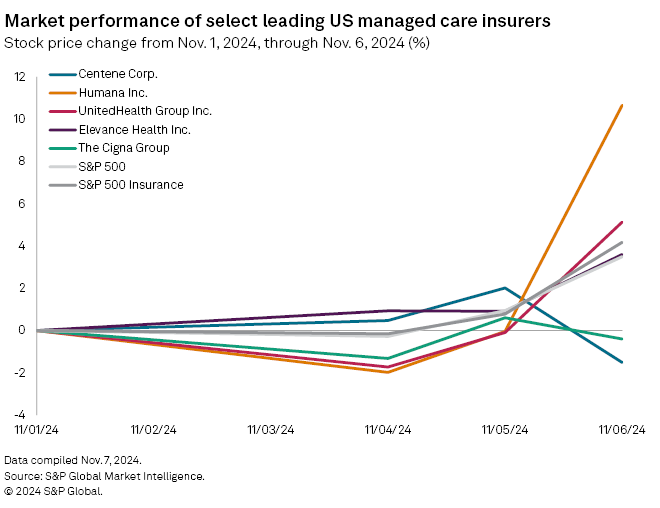
Whether the stock prices just before and after election day are predictive of things to come remains to be seen. For now, the information before us is this:

    • Between Nov 1 and Nov 7, Humana Inc. had the largest increase in stock prices at 10.7%
    • UnitedHealth Group Inc. rose 5.1% in the same time period
    • Both companies had greater stock increases than the average across S&P
    • Elevance Health was in keeping with the rest of the S&P with an increase of 3.6%
    • Molina Healthcare, Inc. and The Cigna Group dropped 0.2% and 0.4%, respectively
Medicare Advantage Stock Trump

Analysts say the jumps are in keeping with expectations that Republican control in Congress and in the White House will be beneficial for Medicare Advantage

Medicare Advantage Stock Trump<br />

Final Thoughts

It’s no secret that The Rowan Report is not a fan of Medicare Advantage. Specifically, the sales tactics used on the elderly and infirmed are predatory and the denial rate is criminal. The more eligible patients sign up for Medicare Advantage the less they will receive the care they need. Further, the more Medicaid has to supplement the cost of Medicare Advantage, the more home care agencies will suffer. Nationally, the more CMS regulates payment rates, pre-authorizations, and denial rates by privatizing Medicaid, the worse off our entire healthcare system will be.

With the state and national associations, we will continue to advocate on behalf of care at home agencies and their patients. And we hope you will too, regardless of who is in office. We have support at the federal level and we will continue to fight the good fight.

# # #

Kristin Rowan, Editor

Kristin Rowan has been working at Healthcare at Home: The Rowan Report since 2008. She has a master’s degree in business administration and marketing and runs Girard Marketing Group, a multi-faceted boutique marketing firm specializing in event planning, sales, and marketing strategy. She has recently taken on the role of Editor of The Rowan Report and will add her voice to current Home Care topics as well as marketing tips for home care agencies. Connect with Kristin directly kristin@girardmarketinggroup.com or www.girardmarketinggroup.com

©2024 by The Rowan Report, Peoria, AZ. All rights reserved. This article originally appeared in Healthcare at Home: The Rowan Report. One copy may be printed for personal use: further reproduction by permission only. editor@therowanreport.com

2025 Final Rule

by Kristin Rowan, Editor

CMS Releases Home Health Final Rule 2025

Last week, the Centers for Medicare & Medicaid Services (CMS) released the Calendar Year (CY) 2025 Home Health Prospective Payment System (HH PPS) final rule. Included in the final rule are updates the Medicare payment policies and rates for Home Health Agencies (HHAs), intravenous immune globulin (IVIG) items, and payment rates for Durable Medical Equipment (DME) suppliers. Estimates indicate that CMS payments to HHAs will increase by 0.5% over 2024.

Partnership for Quality Home Healthcare

The Partnership for Quality Home Healthcare issued a press release in response to the final rule.

[We] were again disappointed that the Centers for Medicare & Medicaid Services (CMS) continued its policy of cuts by finalizing a -1.975 percent permanent cut to home health.

The Partnership for Quality Home Healthcare

The Partnership urged Congress to intervene to “fix the broken payment system” that continues making payment rate cuts year after year. The cuts are reducing patient access. According to recent data, patient visits per 30 days are down nearly 20 percent. The partnership notes workforce shortages, capacity limitations, and closures of providers as the primary reasons behind the decline in patient visits. 

Legislative Action

As we have reported previously, a number of organizations have worked together to advocate for home health with members of Congress. NAHC and NHPCO (Now The National Alliance for Care at Home), The Partnership for Quality Home Healthcare, and others, have proposed bipartisan legislation, the Preserving Access to Home Health Act (S. 2137/H.R. 5159).

NAHC last year filed a lawsuit claiming that CMS used flawed formulae in their calculations of budget-neutrality. That lawsuit has been paused while NAHC/NHPCO follow administrative processes required by the judge. Once those administrative paths are exhausted, The Alliance will look at next steps to continue their objections to the pay cuts. The overturning of “Chevron Deference” will open new avenues for The Alliance as well.

CMS Facts

CMS published its Final Rule Fact Sheet after the issuance of the final rule for CY 2025. According to the fact sheet, the 2025 rule:

    • Finalizes a permanent prospective adjustment of -1.975% (half of the calculated permanent adjustment of -3.95%) to the CY 2025 home health payment rate to account for the impact of implementing the Patient-Driven Groupings Model (PDGM)
    • Includes the final CY 2025 home health payment update of 2.7%
    • Adds an estimated 1.8% decrease to reflect the permanent behavior adjustment
    • Also has an estimated 0.4% decrease that reflects the updated FDL

This yields an aggregated 0.5% increase in payment rates over 2024. 

Increase=Decrease

Despite the overall 0.5% increase in payment rates, PQHH, The Alliance, and many other organizations see this as a drastic pay cut. The increase will not account for inflation, higher operating costs, or any other adjustments. These organizations continue to call upon you to contact your Senators and Representatives as well as to support them in their ongoing efforts with the bipartisan bills and the lawsuit. 

CMS Proposed Rule CY 2025

Ongoing Updates

The information in the 2025 final rule is still being analyzed and is further complicated by the change in leadership at the national and local levels after this week’s election. Please see our Upcoming Events section on the website for several webinars discussing these issues. The Rowan Report will continue to bring additional insights as they become available.

# # #

Kristin Rowan, Editor

Kristin Rowan has been working at Healthcare at Home: The Rowan Report since 2008. She has a master’s degree in business administration and marketing and runs Girard Marketing Group, a multi-faceted boutique marketing firm specializing in event planning, sales, and marketing strategy. She has recently taken on the role of Editor of The Rowan Report and will add her voice to current Home Care topics as well as marketing tips for home care agencies. Connect with Kristin directly kristin@girardmarketinggroup.com or www.girardmarketinggroup.com

©2024 by The Rowan Report, Peoria, AZ. All rights reserved. This article originally appeared in Healthcare at Home: The Rowan Report. One copy may be printed for personal use: further reproduction by permission only. editor@therowanreport.com
New Features for Quality and Compliance Software Solution

FOR IMMEDIATE RELEASE

Contact:                    Norbert Hudak
818-523-8125
norbert@qapiplus.com

QAPIplus Launches 3.0 Platform, Enhancing Quality and Compliance for Home Health and Hospice Providers

New user interface, more customizations, enhanced PIPs and EMR integrations make managing quality and compliance programs even easier for home health and hospice organizations.

GLENDALE, Calif.Oct. 14, 2024 — QAPIplus, the first and only comprehensive quality and compliance management solution for home health and hospice, is excited to announce the launch of QAPIplus 3.0.

This significant update introduces a modernized user interface, enhanced features for managing Performance Improvement (PI) projects, and deeper integrations with leading electronic medical record (EMR) systems. These enhancements are designed to streamline workflows, save even more time, and provide an improved user experience for agencies focused on delivering the highest standards of care.

“We listened carefully to feedback from our customers, and QAPIplus 3.0 reflects their needs and priorities. Our users asked for a more intuitive interface and better ways to manage their compliance and quality workflows. With these enhancements, we’re delivering the tools they need to succeed.”

Armine Khudanyan

Co-Founder and CEO, QAPIplus

“This update streamlines the entire quality and compliance workflow even more than before,” said Lara Koraian, Co-Founder and CTO of QAPIplus. “By automating repetitive tasks and improving user management, QAPIplus 3.0 saves agencies valuable time while ensuring that critical compliance needs are met efficiently.”

Top Benefits of QAPIplus 3.0 Include

    • Time Savings: Automated PIPs workflows including progress tracking, assigning specific users, and delegating tasks.
    • Easier Navigation: A modern, streamlined design makes the platform more intuitive and easier to navigate.
    • More Customization: Enhanced control over notifications allows for a more tailored experience for each user.
    • Seamless Data Flow: Enhanced integrations with leading EMR platforms to automatically populate incident data in the QAPIplus platform.
QAPIplus 3.0

With QAPIplus 3.0, home health and hospice agencies can continue to elevate their quality and compliance programs while reducing the administrative burden on staff.

# # #

About QAPIplus

As the only software solution created specifically for home health and hospice organizations that digitizes and automates your quality and compliance programs, QAPIplus empowers you to achieve your highest performance, minimize burden, and improve your bottom line.

QAPIplus is the only quality management software solution to earn CHAP Verification and ACHC Certification for home health and hospice organizations.

This press release originally appeared on PRNewswire and reprinted with permission from QAPIplus. For more information or to request permission to print, use the media contact above.