VA Policy Causes Death of Veteran
Advocacyby Kristin Rowan, Editor
VA Policy Causes Death of Veteran
For the last couple of months, we’ve been reporting on the rate and hours changes from the VA in Texas and NM. Caregivers are taking pay cuts. Agencies are operating at a loss in order to continue serving our veterans. Many veterans are losing their caregiver, losing the comfort of having a familiar person in their home, losing the progress they’ve made against depression, PTSD, and isolation. And now, we’ve heard a story that we just cannot believe.
Last week, I spoke with an agency owner operating across four states. The agency has been impacted by the rate cuts in Texas and New Mexico. His story is disturbing and highlights the darkest realities of this policy. Here is his story:
End of Care
The administration in one VA not only cut the rates and cut veteran hours, but also just ended care for some veterans and kicked them out of the program. There were no in-home visits or assessments. A member of the VA office made phone calls and asked veterans if they needed care. One of these phone calls reached a veteran with dementia. She didn’t remember the 16 to 20 hours of ADL care she was receiving to dress, eat, and bathe every day. She told the caller she did not need care and the VA dropped her from the program completely.

End of Life
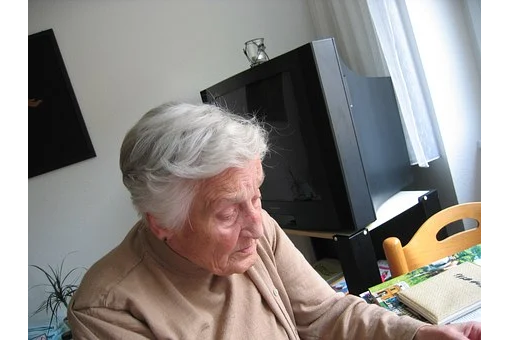
Another veteran, another call to determine whether he needed care, and another drastic cut in hours. This veteran needed home visits daily. He needed supervision and check-ins. The VA didn’t see it that way and cut his care down to six hours per week. The agency shifted from regular visits to twice a week. The caregiver saw him on Friday. He fell on Friday after the visit or sometime on Saturday. He lay in his home, alone and afraid, all weekend long. He died sometime Monday. The caregiver found him when she returned to the home on Tuesday.
End of a Deadly Policy
The rate cut at the federal level, the care balance between Home Health Aide and Homemaker, the cut in hours, the end of care without an assessment, and the unwillingness of the policymakers to acknowledge the lives they have put at risk has to end. If Texas and New Mexico serve as test runs for policy change and rate cuts across the country, all our veterans could suffer like the ones in this story, and countless others. Your agency could be next. If you haven’t already, please join the fight for veteran care.
- Write a letter to Secretary Collins admonishing him for the rate cut and for believing it wouldn’t impact care. Mail to: Office of the Secretary, Department of Veterans Affairs, 810 Vermont Avenue NW, Washington, DC 20420
- Send a general inquiry to Ask VA
- Join the coalition with Polsinelli – PolsinelliHomeCare@polsinelli.com
Final Thoughts
These stories are not the only ones out there. Veterans across Texas and New Mexico are suffering from the loss of care. Agencies dedicated to that care are shuttering their doors from upside down reimbursements. My source said it better than I ever could.
“My hope is that by sharing some of the difficult situations we’ve encountered, the article will help shed light on the real-world consequences of these decisions. I hope it encourages meaningful discussion about how we can better support our senior veterans. I truly believe there are better ways to reduce costs than by limiting access to the care they depend on. These men and women have already sacrificed so much in service to our country. As they age, caring for them should be one of our highest priorities, and we should treat each of them with the respect and gratitude they have earned.”
# # #


Kristin Rowan is the owner and Editor-in-chief of The Rowan Report, the industry’s most trusted source for care at home news. She is also a sought-after speaker on Artificial Intelligence, Technology Adoption and Lone Worker Safety. She is available to speak at state and national conferences as well as software user-group meetings.
Kristin also runs Girard Marketing Group, a multi-faceted boutique marketing firm specializing in content creation, social media management, and event marketing. She works with care at home software providers to create dynamic content that increases conversions for direct e-mail, social media, and websites. Connect with Kristin directly at kristin@girardmarketinggroup.com or www.girardmarketinggroup.com
©2026 by The Rowan Report, Peoria, AZ. All rights reserved. This article originally appeared in The Rowan Report. One copy may be printed for personal use: further reproduction by permission only. editor@therowanreport.com