AI Eases Clinician Burnout

by Curantis Solutions

AI in Hospice and Palliative Care

Eases Clinician Burnout and Drives Retention

In hospice and palliative care, clinicians are your most valuable and most vulnerable resource. They’re the heart of care delivery, and often the largest expense line item on your budget. But today, many are walking a tightrope between compassion fatigue and after-hours documentation burnout. Hospice organizations can’t afford to lose them. And with AI-powered tools, you don’t have to.

Clinician burnout Is a crisis and a cost center

Hospice nurses and interdisciplinary team members are burning out at unsustainable rates. The emotional weight of their work is immense, but it’s the after-hours charting, documentation delays, and system inefficiencies that often push them over the edge. The cost of clinician turnover is staggering. Onboarding and training a new hospice nurse takes time, money, and trust, and patients feel the impact, too. 

AI bridges the gap without replacing the human touch

Curantis Solutions is leading the way with AI that lightens the load. Our embedded AI assistant, EVA, supports clinicians in real-time, reducing documentation friction and eliminating the need to chart late into the evening. 

How AI may help

  • Voice-to-text documentation
    • captures patient-specific details naturally, as they happen
  • Smart prompts and reminders
    • prevent missed data points and reduce rework
  • Less screen time after shifts
    • improves work-life balance and job satisfaction
  • Clinicians feel more supported and less likely to leave
AI in Hospice and Palliative Care Curantis Solutions

Retain the staff you've worked so hard to hire

When your staff hears that another organization doesn’t have modern tech or AI tools? They stay. Providing intuitive, hospice-specific tools isn’t just about efficiency. It’s about creating a culture that respects their time, honors their energy, and values their expertise. 

AI as a strategic investment in care and culture

Hospice leaders are being called to solve two problems at once:

  • Deliver exceptional, person-centered care
  • Do it with fewer resources and higher costs

AI-powered software like Curantis helps close this gap. By streamlining documentation and workflow, we help you preserve the well-being of your clinicians, which, in turn, protects your operations and your outcomes. 

Imagine this...

  • No more nurses charting late into the night
  • Fewer resignations and higher morale
  • Patients receiving care from clinicians who aren’t drained, but present and energized

# # #

Let's make clinician burnout a thing of the past

Explore how Curantis Solutions empowers your team and strengthens your bottom line. Contact us today to schedule a demo and see how we are making your software experience refreshingly simple with ChartBoost AI. 

Contact us today to see a demo and learn how we are making your software experience refreshingly simple. 

© 2025 This blog article originally appeared on the Curantis Solutions website and is reprinted with permission. For more information, please contact Curantis Solutions directly.


AI in Hospice: 3 Questions Before Adopting

by Curantis Solutions

AI in Hospice

3 question to ask before adoption

AI in healthcare

Artificial intelligence (AI) is transforming healthcare. From voice-to-text documentation to predictive analytics, AI promises to streamline operations, reduce clinician burden, and improve outcomes. However, in hospice and palliative care, where care is deeply personal and the margin for error is razor thin, adopting AI cannot be treated as just another trend. It must be thoughtful, mission-aligned, and clinically appropriate.

AI in hospice

Hospice leaders are under pressure. Staff shortages are real. Regulatory demands like Hospice HOPE are intensifying. Vendor inboxes are flooded with promises of automation, optimization, and return on investment (ROI). It is easy to feel like you must adopt AI quickly just to keep up.

But the truth is, not all AI is ready for hospice and palliative care. And not all hospice organizations are ready to implement it effectively. The stakes are too high to rush.

If your hospice or palliative care organization is exploring AI, here are three critical questions to ask before making a decision:

1. Is the AI built for the way hospice and palliative care work?

Hospice and palliative care are fundamentally different from other healthcare environments. The workflows are interdisciplinary. Much of the documentation relies on narrative detail. Clinicians manage complex emotional, spiritual, and medical needs at the same time. Care is not episodic or transactional. It is longitudinal, values-driven, and highly individualized.

Many AI tools on the market today were built for hospitals or outpatient clinics. They may offer efficiencies in acute care but fail in hospice because they do not understand the subtleties of team-based care, psychosocial documentation, or end-of-life symptom management.

AI for Hospice

Ask the vendor: Has your AI been developed specifically for hospice or palliative care? Or are you expecting our team to adapt to your tool?

Healthcare isn't hospice

Some hospices have tried generic AI dictation tools and found them inadequate. They could not capture the nuance of hospice documentation, especially when it comes to describing spiritual distress, family dynamics, or legacy work. Other teams tried predictive tools that produced frequent, non-actionable alerts that distracted the clinical team and created more work, not less.

Hospice AI must be purpose-built. It needs to support interdisciplinary team meetings, comply with documentation standards like HOPE, and align with Medicare Conditions of Participation. If the tool does not understand your workflow, it will only add friction.

2. Will this AI solution actually save time, or will it create more work?

AI should make your clinicians’ lives easier, not harder. Unfortunately, many solutions promise time savings but fail to deliver because they are poorly implemented or require too much manual oversight.

Here is where hidden costs show up. If your team needs to log into separate platforms, copy and paste information, or manually verify AI-generated content line by line, the benefits quickly disappear. Add in the time it takes to train staff, troubleshoot bugs, and manage updates, and you might find you are investing more time than you are saving.

Ask the vendor: What does your implementation and training process look like? What kind of support do you provide after go-live?

AI in Hospice<br />

Responsible AI vendors should provide more than software. They should offer a clear rollout plan with defined milestones, retraining sessions for staff turnover, and a roadmap for future enhancements. Without this, even the most impressive AI tool will fail to achieve meaningful ROI.

You also want to ensure that your team can trust the AI. If it produces content that needs to be heavily edited or raises questions about accuracy, clinicians will disengage. The best AI makes documentation feel intuitive, not burdensome.

Ultimately, the right solution should reduce charting time, improve documentation quality, and give your clinicians more time for direct patient care. Do not just ask 

what the AI can do. Ask what the experience of using it will be like for your team on day one, day 30, and day 365.

3. Does the AI preserve your mission and center the patient?

This is perhaps the most important question of all. Hospice care is defined by its human connection. Patients and families count on your team to be present, compassionate, and attentive during the most vulnerable moments of life. Any technology you introduce must uphold that standard.

Ask yourself: Does this tool enhance our ability to serve patients meaningfully? Or does it get in the way?

AI should never replace the clinician’s presence. It should support that presence by taking on administrative tasks, summarizing clinical notes, or preparing IDG summaries. It should make care feel more personal, not less.

There is a real risk in adopting tools that do not align with your mission. Some AI solutions are focused solely on efficiency. Others may depersonalize care by reducing complex human experiences into checkboxes or canned phrases. If the technology distances your team from the bedside, it is not the right fit.

Ethical, mission-aligned AI empowers your team. It helps clinicians spend less time documenting and more time connecting. For chaplins, it supports spiritual care providers in crafting better notes. It assists social workers in capturing family dynamics. Finally, it helps the entire team stay informed without increasing their cognitive load.

AI in Hospice

Final Thoughts

Thoughtful evaluation and the right questions make all the difference

The conversation about AI in hospice and palliative care is just beginning. There is enormous potential to reduce burnout, improve quality, and strengthen compliance. But realizing that potential requires more than excitement. It requires asking the right questions, involving the right stakeholders, and choosing tools that are built for this environment.

Before you adopt AI, pause and evaluate:

  • Is this solution designed for how we deliver care?
  • Will this save time or increase workload?
  • Does this align with our mission and center the patient?

If you can answer yes to all three, then you are on the path to responsible, effective AI adoption.
Hospice and palliative care deserve nothing less.

HIS to HOPE Help

by Curantis Solutions

HIS to HOPE Help

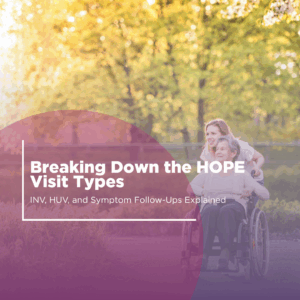
HOPE visit types

The HOPE (Hospice Outcomes & Patient Evaluation) model introduces a new rhythm to hospice documentation, one that centers on the patient’s evolving experience of care. To meet HOPE’s standards with confidence, it’s critical to understand the different visit types and their timing.

Let’s break down the three visit types defined by HOPE: INV, HUV, and Symptom Follow-Ups, so your team knows exactly what’s required, when, and why it matters.

HIS to HOPE Help Curantis Solutions

INV

Initial Nursing Visit

What it is: The first clinical touchpoint in the HOPE timeline. The INV marks the beginning of structured data collection and sets the baseline for all subsequent updates.

When it’s due: As soon as possible after admission, ideally within the first day.

What it captures:

  • Key demographic and clinical data
  • Initial symptom impact ratings
  • Observations that may trigger a future follow-up

HUV

HOPE Update Visits

HOPE requires two follow-up check-ins to capture how the patient’s condition is changing over time. These are called HOPE Update Visits—HUV1 and HUV2.

HUV1

When it’s due: Days 6–15 after admission
Purpose: Reassess symptoms and update the patient’s status.

HUV2

When it’s due: Days 16–30 after admission
Purpose: Continue tracking trends and changes, especially as patients stabilize or begin to decline.

Pro tip: Even if the visit wasn’t originally intended as a HOPE Update Visit, clinicians can update their response at visit close ensuring the right file is created.

Symptom Follow-Up Visits

What they are:
Special visits required when certain symptoms (e.g., pain, shortness of breath, anxiety) are rated as having a moderate or severe impact on the patient’s well-being.

When they’re due:
Time-sensitive, must occur within days of the symptom being flagged.

Why they matter:
These follow-ups are the heart of HOPE’s patient-centered approach. They ensure that care plans are adapted quickly and that patients don’t suffer in silence.

Symptom follow-ups should be:

  • Automatically evaluated after each visit
  • Clearly flagged with alerts across the system
  • Auto-documented into the HOPE record upon completion and QA

HOPE Hub

To support you every step of the way, Curantis Solutions has created the HOPE Hub—a dedicated resource center designed to guide your team through a seamless transition to HOPE-based documentation. For more HOPE Resources, visit here.

# # #

About Curantis Solutions

Curantis Solutions

Curantis Solutions was born from a desire to put hospice and palliative care first. With a genuine culture of caring, our team is dedicated to creating a refreshingly simple software experience that utilizes emerging technology, smart design and a cloud-native/serverless architecture to create an experience that is congruent with the technology you utilize in your everyday life. It’s time for hospice and palliative care software to make life easier vs creating arduous workarounds and added frustration. It’s time you experience Curantis Solutions!

Hospice Hope

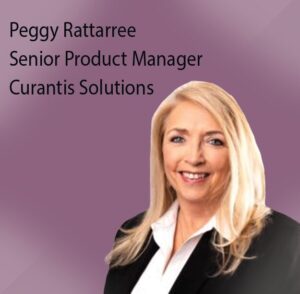
by Peggy Rattarree, Principle Product Manager, Curantis Solutions

Hospice HOPE

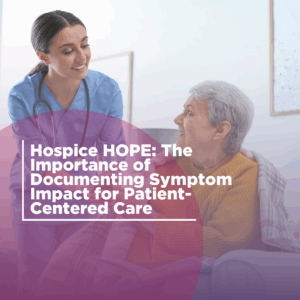
The importance of documenting symptom impact for patient-centered care

In hospice care, the focus isn’t just on treating symptoms; it’s on improving the quality of life for patients and their families. This is where Hospice HOPE takes center stage, emphasizing the importance of documenting symptom impact to deliver truly patient-centered care. By understanding how symptoms affect each patient’s physical, emotional, and psychosocial well-being, hospice teams can provide care that aligns with their unique needs and goals.

What is hospice HOPE?

Hospice HOPE stands for Hospice Outcomes and Patient Evaluation. It’s a philosophy that places the patient’s comfort, dignity, and goals at the forefront of care delivery. Documenting symptom impact is a critical part of this approach because it provides a detailed understanding of how symptoms affect the patient’s overall quality of life.

In hospice care, every patient’s journey is unique. By actively tracking and documenting symptom impact, care providers can move beyond generic treatments and embrace a truly individualized approach that prioritizes what matters most to the patient.

Why documenting symptom impact matters?

Moves us to patient-centered care

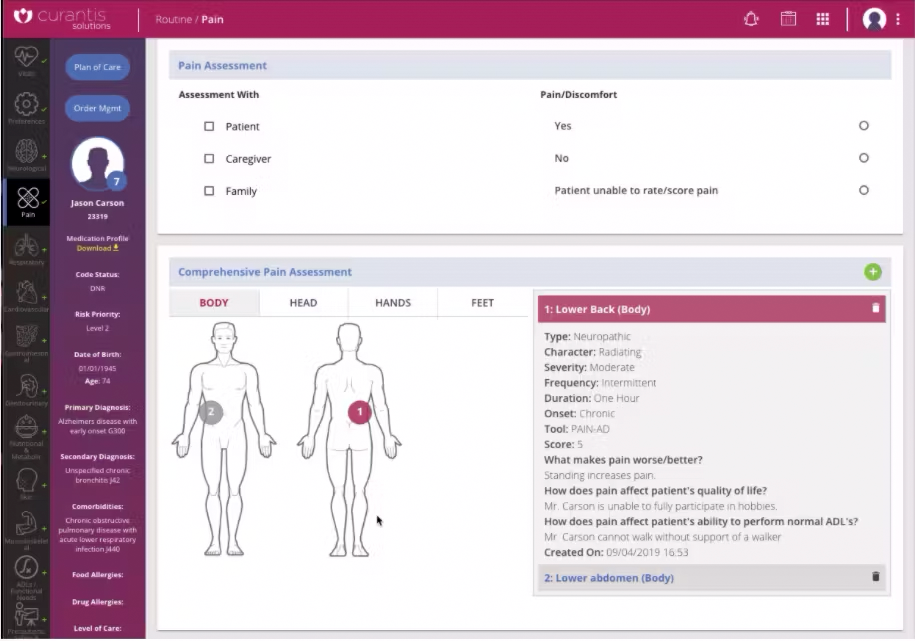
Documenting symptom impact allows hospice teams to focus on what truly matters to the patient. Instead of simply addressing symptoms like pain, nausea, or fatigue in isolation, it provides a holistic view of how these symptoms affect the patient’s daily life. For example:

  • Pain
    • How does it limit mobility or the ability to participate in meaningful activities?
  • Fatigue
    • Is it preventing patients from spending time with loved ones?
  • Nausea
    • Is it reducing their ability to eat or enjoy meals?
Curantis Solutions Hospice HOPE

By asking these questions and recording the answers, hospice providers can better tailor interventions to manage not just symptom management but the overall patient experience.

Improves communication across the care team

In hospice care, communication is everything. Documenting symptom impact ensures that every member of the interdisciplinary team (IDT), from nurses and physicians to social workers and chaplains, has access to the same comprehensive information.

This documentation:

  • Creates a shared understanding of the patient’s condition
  • Helps align the team’s goals with the patient’s priorities
  • Reduces duplication of efforts and enhances care coordination

When everyone is on the same page, patients and families receive more seamless, cohesive care.

Hospice HOPE Communication

Supports compliance and quality standards

Regulatory bodies like CMS (Centers for Medicare & Medicaid Services) require hospices to document and monitor patient symptoms to ensure care quality. But beyond compliance, tracking symptom impact demonstrates a commitment to continuous improvement.

Documenting symptom impact allows hospices to:

  • Identify trends and gaps in care
  • Measure the effectiveness of interventions
  • Use data to advocate for better resources or innovations in care delivery

Empowers families and caregivers

When symptom impact is documented, families and caregivers gain a clearer understanding of their loved one’s condition. This transparency fosters trust and collaboration between the hospice team and the family, ensuring everyone is working toward the same goals.

For example, a caregiver might better understand why a loved one sleeps more during the day or avoids certain foods. These insights can help families feel more prepared and supported during a challenging time.

Final Thoughts

With CMS rolling out Hospice HOPE, documenting symptom impact is no longer optional. It’s the standard for compassionate, high-quality care. This shift helps hospice organizations go beyond symptom control and into whole-person care that honors each patient’s life journey.

This is part one in a two-part series on Hospice HOPE. Check back next week for part two.

# # #

Peggy Rattarree Curantis Solutions Hospice HOPE

Peggy is an IT professional with over 30 years’ experience. She has defined and developed software products in industries such as grocery management, financial services, and reporting and analytics. In her 2.5 years with Curantis, Peggy has helped to shape the definition and delivery of the application. She brings a passion for agility and has been integral in transitioning Curantis to an environment of delivery on cadence, release on demand.

Peggy has a Bachelor of Music degree from University of North Texas.

©2025 by The Rowan Report, Peoria, AZ. All rights reserved. This article originally appeared in the Curantis Solutions blog and is reprinted here with permission. For more information or to request permission to print, please contact Curantis Solutions.

HIPAA Compliance Voice Activation

by Curantis Solutions

HIPAA Compliance for Voice Activated Technology

HIPAA (Health Insurance Portability and Accountability Act) compliance is critical in the healthcare field, particularly regarding any technology that handles patient information, including HIPAA-compliant voice technology. Understanding the implications of HIPAA is essential for ensuring that innovations in healthcare technology do not compromise patient data privacy regulations.

Patient Privacy Protection

HIPAA enforces strict privacy protections for all patient data, including voice recordings and summaries. Voice recognition technology in healthcare must ensure that data is only accessible to authorized personnel. Any voice-activated system must adhere to HIPAA security measures for handling Protected Health Information (PHI).

Data Security Requirements

Voice-activated systems must implement safeguards to protect patient information from unauthorized access and breaches. This includes both physical and electronic security measures, such as:

Voice Activation HIPAA
  • Encryption
    • Data should be encrypted both in transit and at rest to prevent unauthorized access.
  • Access Controls
    • Systems must restrict access to only those who need to know, using multi-factor authentication and role-based permissions.
  • Audit Trails
    • Voice-activated technologies should log all access activity, tracking who accessed data, when, and what specific information was retrieved.

HIPAA Training Requirements for Voice-Activated Systems

HIPAA emphasizes the need for staff training and awareness regarding handling PHI in voice-recognition software. Training programs should cover:

  • Best Practices
    • Staff should be instructed on correct voice command usage to minimize accidental PHI disclosures in public or unsecured environments.
  • Identifying PHI
    • Employees should learn to recognize and protect sensitive patient data when interacting with voice-activated systems.

Data Minimization Principles

Under HIPAA, organizations should limit data collection to only what is necessary for specific tasks. This includes:

  • Minimal Data Handling
    • Only essential PHI should be processed and stored.
  • Anonymization Processes
    • Voice-activated systems should anonymize data when full patient identification is unnecessary, reducing security risks.

Incident Response Protocol

In the event of a data breach involving voice-activated patient summaries, organizations must follow HIPAA-compliant response steps:

  • Incident Reporting
    • Immediate breach investigation and reporting per HIPAA timelines.
  • Notification Requirements
    • Patients must be notified if their PHI has been compromised, along with steps taken to mitigate risks.

Summary

HIPAA compliance directly impacts how voice-activated patient summaries are implemented in healthcare. Ensuring compliance requires:

  • Robust data security measures
  • Thorough staff training
  • Strict vendor agreements
  • Comprehensive privacy protections

By aligning voice-activated patient summaries with HIPAA regulations, healthcare organizations can enhance patient care, safeguard sensitive information, and build trust with patients and families.

# # #

About Curantis Solutions

Curantis Solutions was founded on a desire to put hospice and palliative care first. We are dedicated to radically transforming standard electronic health records into a refreshingly simple and intuitive experience so that providers can keep their focus where it matters most – on the patients and families they serve. 

With a genuine culture of caring, we have assembled a team of highly talented individuals who are passion-driven and feel connected to their role in supporting the bigger mission of enabling high-quality end-of-life care. From forward-thinking technologists to hospice and palliative care experts, and every role in between, our team works with great integrity, accountability and responsiveness to bridge the latest technology with smart design to keep patient care at the center of what we do.

©2025 This article was originally published by Curantis Solutions and is reprinted with permission. For additional information or to request permission, contact Curantis Solutions.

HIS to HOPE

by Vicki Goodman, CRO at Curantis Solutions

HIS to HOPE Transition in Hospice Care

What You Need to Know

As a hospice nurse, I am excited to share pivotal news that will significantly impact our field starting October 1st. In case you have been living under a rock, we are transitioning from the Hospice Item Set (HIS) to the Hospice Outcomes and Patient Evaluation (HOPE). This change is not just a modification in terminology; it represents a transformative shift towards a more patient-centered and holistic approach to hospice care. In this article, we will explore what this transition entails, its benefits, and how it will affect our daily practices.

Understanding the Transition from HIS to HOPE

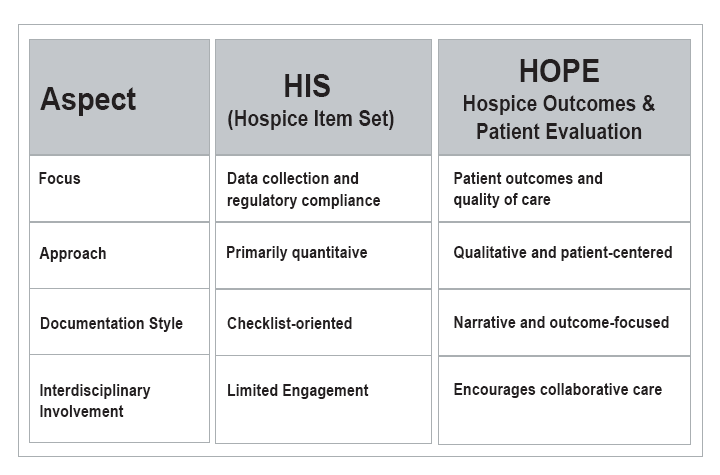
The move from HIS to HOPE signifies an essential evolution in our approach to patient care. While HIS primarily focused on data collection and compliance with regulations, HOPE emphasizes measuring patient outcomes, quality of care, and overall patient experience. This transition encourages us to engage more deeply with our patients and their families, ensuring that their unique needs and preferences are at the forefront of the care we provide.

What is HOPE?

HOPE stands for Hospice Outcomes and Patient Evaluation. This new framework highlights several core principles:

  • Patient-Centered Care
    • Focusing on individual patien needs and preferences
  • Quality of Care Assessment
    • Evaluation how well we meet those needs
  • Holistic Approach
    • Considering emotional, spiritual, and psychological factors in addition to physical health

Benefits of HOPE in Hospice Care

The adoption of the HOPE framework offers numerous advantages for both patients and healthcare providers:

  • Improved Patient Engagement
    • By prioritizing patient preferences, we can foster stronger relationships and enhance the overall care experience
  • Enhanced Quality of Care
    • Focused outcomes assessment allows us to identify areas for improvement and implement best practices
  • Recognition of Care Quality
    • HOPE enables us to demonstrate the effectiveness of our care, leading to greater recognition of our contributions in hospice settings

HIS to HOPE Key Differences

Understanding the distinctions between HIS and HOPE can help clarify the shift in our practices. Here are some key differences

HIS to HOPE Vicki Goodman Curantis Solutions

The Role of Hospice Nurses in the HOPE Framework

As hospice nurses, our role in implementing HOPE will require a significant mindset shift. Here’s how we can adapt our practice:

  • Engage With Patients and Families
    • Actively involve them in care planning and decision-making
  • Assess Holistically
    • Look beyond clinical data to include emotional and spiritual assessments
  • Collaborate with Interdisciplinary Teams
    • Work closely with all caregivers to ensure a comprehensive approach to patient care

By integrating these principles into our daily practice, we can enhance patient experiences and outcomes, ultimately providing the compassionate care that is the hallmark of hospice services.

Acknowledging Our Impact

As we transition to the HOPE framework, it’s essential to take a moment to give ourselves credit for the incredible work we already do. For most of us, patient-centered care has been at the heart of our practice long before HOPE was introduced. This new framework serves as validation, providing a structured approach to highlight the compassionate, individualized care we consistently offer.

Getting Prepared

The transition from HIS to HOPE marks an important chapter in the hospice care journey. Prepare for the transition with partners who understand the complexities and challenges that come with such significant changes. Specifically, work with a software and service company designed to ensure that your hospice team can seamlessly adapt to the HOPE framwork without sacrificing the quality of care. 

About Curantis Solutions

From comprehensive training to state-of-the-art data management systems, we provide everything needed to make this transition as smooth and effective as possible. With Curantis Solutions, you can be confident that no matter how the standards evolve, you will always be at the cutting edge, providing compassionate, patient-centered care. t Curantis, we understand the unique challenges faced by hospice and palliative care organizations. Our commitment to providing exceptional support ensures that you can focus on what matters most—delivering compassionate care to your patients. We pride ourselves on our quick response times, we deeply listen to our clients, and are easy to get ahold of when you need us. When partnering with Curantis Solutions, we guarantee we have support you can depend on.

# # #

Vicki Goodman
Vicki Goodman

Vicki Goodman, RN, BSN, MHA is an accomplished healthcare professional with a strong background in post-acute care, SaaS sales. With a proven track record of driving revenue growth, Vicki has successfully orchestrated sales strategies and marketing initiatives with over 30 years of experience in the home health and hospice EHR industry. Prior to joining Curantis Solutions, Vicki was VP, Enterprise Sales at Matrix Care.

She is an RN and BSN graduated of East Carolina University and received her MHA from University of North Carolina at Chapel Hill. She credits a lot of her success to collaborating with product and marketing teams creating an unstoppable engine. We are thrilled to have her join the Curantis Solutions family and look forward to the continued growth under her leadership.

©2024 by The Rowan Report, Peoria, AZ. All rights reserved. This article originally appeared in Healthcare at Home: The Rowan Report. One copy may be printed for personal use: further reproduction by permission only. editor@therowanreport.com

Enabling Care Through AI

by John Crighton, CTO at Curantis Solutions

Enabling Care Through AI: Ethical Issues

Recently, artificial intelligence (AI) has become an essential component of healthcare organizations. AI is revolutionizing hospice and palliative care by enhancing patient care and optimizing workflows. Its impact is undeniable in these sensitive and life-changing fields. At Curantis Solutions, we are proud to apply AI-driven solutions to support caregivers while upholding ethical standards, enabling care through AI.

The Importance of AI in Hospice and Palliative Care

Hospice and palliative care are primarily based on empathy, understanding, and individual approach. When applied correctly, AI can enhance these core principles in several ways:

  • Improving Efficiency
    • Some of the time-consuming tasks, such as entering assessment notes, reviewing recent documents before a patient meeting, or creating a summary of recent documentation in preparation for a team meeting, can be performed or assisted by AI. By automating these administrative tasks, caregivers can spend more time providing direct patient care.
  • Predictive Analysis
    • AI tools can analyze the patient’s data and predict the possible changes in the patient’s condition, which will help to prevent complications.
  • Individualized Care Plans
    • Based on the patient’s history, AI can help clinicians in the development of care plans that are more accurate in meeting the needs of the patient. Although the idea of using AI in hospice and palliative care is fascinating, it is crucial to approach this issue with caution and always pay attention to ethical issues.

Ethical Issues in the Use of AI in Hospice and Palliative Care

As  the industry incorporates AI into our products and agencies, we need to consider ethical implications such as those shown below:

  • Privacy and Data Protection Issues
    • Hospice and palliative care deal with the patient’s private details. At Curantis Solutions, we ensure that all AI-powered tools comply with the highest security and privacy standards, safeguarding patient data at every step.
  • Bias and Fairness
    • The way AI systems are developed, they are only as good as the data that is used in their development. At Curantis Solutions, we strive to recognize and eliminate any possible prejudice in the AI systems that we develop to benefit all patients.
  • Transparency and Accountability
    • It is important that the caregivers and the patients know how the AI is being used and how the decisions are made. We try to make our AI solutions as transparent as possible, and we ensure that the final decisions are always made by humans. Hospice and palliative care are very personal. This field is defined by the human component, and AI should only supplement it and not replace it. The solutions that we provide are intended to assist clinicians in order to maintain the sanctity of every patient.

A Future of Kindness with the Help of AI

The healthcare sector is changing rapidly, and AI is coming in to improve hospice and palliative care. At Curantis Solutions, we are proud to apply AI in a way that enhances the human factor, ethical values, and the capacity of the caregivers to offer the best care possible to the patient. Therefore, it is possible to envision a future where technology and empathy coexist to ensure that every patient gets the care they require. Leverage AI to reduce administrative burdens for hospice and palliative care.

About Curantis Solutions and AI

The goal of Curantis Solutions is to assist hospice and palliative care providers in the provision of patient-centered and compassionate care. This post discusses how AI can be used in this mission and how it can be done ethically.

We accomplish this in the following manner:

  • Working in partnership with specialists
    • We partner with clinicians, ethicists, and AI experts to guarantee that our solutions are appropriate for the context of hospice and palliative care).
  • Revisiting the Model
    • AI is not set and forgotten; it needs to be assessed and improved on an ongoing basis. We also regularly check the efficacy of our AI tools to ensure that they are accurate, fair, and reliable.
  • Enabling Care Teams
    • Our solutions which are supported by AI are meant to support the skills of the care teams and not to replace them. Thus, we lessen the burden of documentation to allow the providers to focus on the patient and their families more often.

# # #

Curantis Solutions AI John Crighton

John Crighton is a seasoned technology leader, with over 25 years of experience in software development innovation and best practices.

John most recently served as the Chief Technology Officer for Lightning Step, a Behavioral Health SaaS EHR with over 100,000 users. John served on the executive team that scaled the business, contributing to the 40x revenue growth and eventually to a successful exit.  Prior to that, John managed a custom development team at Openlink Financial and was responsible for product quality at SolArc Software. John was part of the management team that led Mission Critical Software to a successful IPO and went on to management roles with JMI Software, NEON Systems, and NetIQ.

John is a veteran of the US Army, and graduated Summa Cum Laude from the University of Houston with a Bachelor’s of Business Administration.

©2024 by The Rowan Report, Peoria, AZ. All rights reserved. This article originally appeared in the Curantis Solutions blog and is reprinted in Healthcare at Home: The Rowan Report with permission. For further permission to reprint, contact Curantis Solutions.

Curantis Solutions Partners with Amazon HealthLake

by Kristin Rowan, Editor

Having a lot of data can help grow your business, streamline processes, improve efficiencies, and make your agency more profitable. But, if you don’t know how to use the data, or simply don’t have the time and man-power to analyze the data, then those hidden treasures waiting in all that data remain hidden. Understanding the value of that data, Curantis Solutions partners with Amazon HealthLake to help you harness it.

Curantis Solutions is a Texas based company delivering value to hospice and palliative care agencies. Their cloud-based management solutions help you increase operational and financial efficiencies while still offering well-coordinated and high quality patient care. The platform works to address two common pain points in our industry: siloed data and software systems that operate separate from each other. Curantis Solutions re-imagines workflows to reduce hours spent on tasks outside of direct patient care.

The Impetus for Change

New CMS regulations and the HL7 Fast Healthcare Interoperability Resources (FHIR) create standards that providers and health care plans must meet. This could help home health and hospice agencies with clinical data issues. FHIR imagines a unified EMR system for greater interoperability. Facing FHIR compliance, Curantis Solutions turned to AWS to help centralize their data. Using Amazon HealthLake, a fully managed FHIR service, Curantis was able to make their client data interoperable.

The Solution for Curantis Solutions

Using Amazon’s Working Backwards process, Curantis found a customer-centric solution. AWS helped Curantis work through:

  • Business objectives
  • A free, introductory program, “Gain Insights”
  • Cloud set-up and solution design

Curantis also implemented Amazon Kinesis to help collect, process, and analyze real-time data. All of Curantis’s data is now easily accessible, opening the door for AI, analytics, and business intelligence.

Curantis Solutions and Amazon HealthLake Data Processing and Analytics

Curantis Solutions Amazon HealthLake

Using Amazon, Curantis Solutions can build visual dashboards and reports. The visual reports help agency administrators understand and apply the data at a glance without spending hours analyzing the data points. The integration allows data analysis in almost real time. The Amazon suite of services aids Curantis in growth and enhanced data processing for their clients. It also allows Curantis to highlight powerful industry and patient data trends. These key indicators will help with critical decision making for continued high quality patient care.

    This new platform adds expanded abilities to meet customer needs:

    • Enhanced partner integrations
    • Diverse way to prensent a patient-focused view
    • The power to make predictions about a patient’s decline based upon chart data
    • The ability for customers and internal stakeholders to easily explore data


    About Curantis Solutions

    Curantis Solutions was born from a desire to put hospice and palliative care first. With a genuine culture of caring, our team is dedicated to creating a refreshingly simple software experience that utilizes emerging technology, smart design and a cloud-native/serverless architecture to create an experience that is congruent with the technology you utilize in your everyday life. It’s time for hospice and palliative care software to make life easier vs creating arduous workarounds and added frustration. It’s time you experience Curantis Solutions!

    About Amazon HealthLake

    AWS HealthLake is a HIPAA-eligible service offering healthcare companies a complete view of individual and patient population health data using FHIR (Fast Healthcare Interoperable Resources) API based transactions to securely store and transform their data into a queryable format at petabyte scale, and further analyze this data using machine learning (ML) models. Using the HealthLake FHIR-based APIs, healthcare organizations can easily import large volumes of health data, including medical reports or patient notes, from on-premises systems to a secure, compliant, and pay-as-you-go service in the cloud. HealthLake offers built-in natural language processing (NLP) models to help customers understand and extract meaningful medical information from a single copy of raw health data, such as medications, procedures, and diagnoses.

    Curantis Solutions Amazon HealthLake

    # # #

    Kristin Rowan, Editor
    Kristin Rowan, Editor

    Kristin Rowan has been working at Healthcare at Home: The Rowan Report since 2008. She has a master’s degree in business administration and marketing and runs Girard Marketing Group, a multi-faceted boutique marketing firm specializing in event planning, sales, and marketing strategy. She has recently taken on the role of Editor of The Rowan Report and will add her voice to current Home Care topics as well as marketing tips for home care agencies. Connect with Kristin directly kristin@girardmarketinggroup.com or www.girardmarketinggroup.com

    ©2024 by The Rowan Report, Peoria, AZ. All rights reserved. This article originally appeared in Healthcare at Home: The Rowan Report. One copy may be printed for personal use: further reproduction by permission only. editor@therowanreport.com