Enabling Care Through AI

by John Crighton, CTO at Curantis Solutions

Enabling Care Through AI: Ethical Issues

Recently, artificial intelligence (AI) has become an essential component of healthcare organizations. AI is revolutionizing hospice and palliative care by enhancing patient care and optimizing workflows. Its impact is undeniable in these sensitive and life-changing fields. At Curantis Solutions, we are proud to apply AI-driven solutions to support caregivers while upholding ethical standards, enabling care through AI.

The Importance of AI in Hospice and Palliative Care

Hospice and palliative care are primarily based on empathy, understanding, and individual approach. When applied correctly, AI can enhance these core principles in several ways:

  • Improving Efficiency
    • Some of the time-consuming tasks, such as entering assessment notes, reviewing recent documents before a patient meeting, or creating a summary of recent documentation in preparation for a team meeting, can be performed or assisted by AI. By automating these administrative tasks, caregivers can spend more time providing direct patient care.
  • Predictive Analysis
    • AI tools can analyze the patient’s data and predict the possible changes in the patient’s condition, which will help to prevent complications.
  • Individualized Care Plans
    • Based on the patient’s history, AI can help clinicians in the development of care plans that are more accurate in meeting the needs of the patient. Although the idea of using AI in hospice and palliative care is fascinating, it is crucial to approach this issue with caution and always pay attention to ethical issues.

Ethical Issues in the Use of AI in Hospice and Palliative Care

As  the industry incorporates AI into our products and agencies, we need to consider ethical implications such as those shown below:

  • Privacy and Data Protection Issues
    • Hospice and palliative care deal with the patient’s private details. At Curantis Solutions, we ensure that all AI-powered tools comply with the highest security and privacy standards, safeguarding patient data at every step.
  • Bias and Fairness
    • The way AI systems are developed, they are only as good as the data that is used in their development. At Curantis Solutions, we strive to recognize and eliminate any possible prejudice in the AI systems that we develop to benefit all patients.
  • Transparency and Accountability
    • It is important that the caregivers and the patients know how the AI is being used and how the decisions are made. We try to make our AI solutions as transparent as possible, and we ensure that the final decisions are always made by humans. Hospice and palliative care are very personal. This field is defined by the human component, and AI should only supplement it and not replace it. The solutions that we provide are intended to assist clinicians in order to maintain the sanctity of every patient.

A Future of Kindness with the Help of AI

The healthcare sector is changing rapidly, and AI is coming in to improve hospice and palliative care. At Curantis Solutions, we are proud to apply AI in a way that enhances the human factor, ethical values, and the capacity of the caregivers to offer the best care possible to the patient. Therefore, it is possible to envision a future where technology and empathy coexist to ensure that every patient gets the care they require. Leverage AI to reduce administrative burdens for hospice and palliative care.

About Curantis Solutions and AI

The goal of Curantis Solutions is to assist hospice and palliative care providers in the provision of patient-centered and compassionate care. This post discusses how AI can be used in this mission and how it can be done ethically.

We accomplish this in the following manner:

  • Working in partnership with specialists
    • We partner with clinicians, ethicists, and AI experts to guarantee that our solutions are appropriate for the context of hospice and palliative care).
  • Revisiting the Model
    • AI is not set and forgotten; it needs to be assessed and improved on an ongoing basis. We also regularly check the efficacy of our AI tools to ensure that they are accurate, fair, and reliable.
  • Enabling Care Teams
    • Our solutions which are supported by AI are meant to support the skills of the care teams and not to replace them. Thus, we lessen the burden of documentation to allow the providers to focus on the patient and their families more often.

# # #

Curantis Solutions AI John Crighton

John Crighton is a seasoned technology leader, with over 25 years of experience in software development innovation and best practices.

John most recently served as the Chief Technology Officer for Lightning Step, a Behavioral Health SaaS EHR with over 100,000 users. John served on the executive team that scaled the business, contributing to the 40x revenue growth and eventually to a successful exit.  Prior to that, John managed a custom development team at Openlink Financial and was responsible for product quality at SolArc Software. John was part of the management team that led Mission Critical Software to a successful IPO and went on to management roles with JMI Software, NEON Systems, and NetIQ.

John is a veteran of the US Army, and graduated Summa Cum Laude from the University of Houston with a Bachelor’s of Business Administration.

©2024 by The Rowan Report, Peoria, AZ. All rights reserved. This article originally appeared in the Curantis Solutions blog and is reprinted in Healthcare at Home: The Rowan Report with permission. For further permission to reprint, contact Curantis Solutions.


More Violence in Care at Home

by Elizabeth E. Hogue, Esq.

Violence Against Home Care Providers Continues

Violence in Care at Home Continues…

Sadly, but not surprisingly, the violence against field staff caring for patients in their homes continues. Here’s a recent example:

On February 28, 2025, a hospice nurse in Texas was accosted inside a patient’s home while she was attempting to provide care. The man who accosted her inside the home followed her outside with a rifle and fired at her as she fled. The nurse was uninjured, but her car was struck by at least one bullet.

Then, still armed, the man went back inside the patient’s home where he stayed close to the patient while pointing his rifle at deputies. Law enforcement officers were able to communicate with him and de-escalate the tense situation. The man was booked into the county jail on a charge of aggravated assault with a deadly weapon and bond was set at $250,000.

Violence in Care at Home

By the Numbers

According to a recent analysis of Bureau of Labor Statistics data, healthcare is one of the most dangerous places to work. Homecare field staff members who provide services on behalf of private duty agencies, hospices, Medicare-certified home health agencies, and home medical equipment (HME) companies may be especially vulnerable. Contributing to their vulnerability is the fact that they work alone on territory that may be unfamiliar and over which they have little control. Staff members certainly need as much protection as possible. 

Violence Policies Needed

First, regardless of practice setting, management should develop a written policy of zero tolerance for all incidents of violence, regardless of source. This policy should include animals. The policy must require employees and contractors to report and document all incidents of threatened or actual violence, no matter how minor.

Beyond Reporting

Emphasis should be placed on both reporting and documenting. Employees must provide as much detail as possible. The policy should also include zero tolerance for visible weapons. Caregivers must be required to report the presence of visible weapons.

UCHealth SAFE Program

Below are some additional important actions for healthcare organizations to take that are based on the UCHealth SAFE Program:

  • Encourage staff members to STOP if they feel unsafe for any reason. 
  • If danger is not imminent, workers should pause to generally ASSESS their environments. Staff members should think about what happened and observe what is currently happening. Is there, for example, mounting frustration or anger?
  • Staff should then FAMILIARIZE themselves with the area. Who is the patient? Where is the patient? Are there any factors that might escalate behaviors? Staff members should also consider putting themselves in positions where they have a route to escape, if necessary.
  • ENLIST help. Getting help may, for example, include pushing panic buttons on mobile devices.

In Their Own Words

Here is what Chris Powell, Chief of Security at UCHealth, said in Becker’s Hospital Review on June 4, 2024:

“You can’t just talk about the shrimp and give you a good picture. We have to talk about the roux and the rice and everything else that goes into this for a good picture to be painted so people have an understanding. We want to solve this with an electronic learning or a 15-minute huddle, but we can’t. This is continuous and a persistent pursuit toward educating, communicating, recognizing, responding to, reporting and recovering from workplace violence.”

Chris Powell

Chief of Security, UCHealth

Final Thoughts

Every caregiver matters. The healthcare industry has lost caregivers to violence on the job in the past. Let’s do all that we can to avoid similar events in the future.

# # #

Elizabeth E. Hogue, Esq.

Elizabeth Hogue is an attorney in private practice with extensive experience in health care. She represents clients across the U.S., including professional associations, managed care providers, hospitals, long-term care facilities, home health agencies, durable medical equipment companies, and hospices.

©2025 Elizabeth E. Hogue, Esq. All rights reserved.

No portion of this material may be reproduced in any form without the advance written permission of the author.

©2025 by The Rowan Report, Peoria, AZ. All rights reserved. This article originally appeared in The Rowan Report. One copy may be printed for personal use: further reproduction by permission only. editor@therowanreport.com

HIPAA Compliance in Communication

by Devin Paulin, Skyscape

The Critical Importance of HIPAA Compliance in Home Healthcare Communication

The Rise of Messaging Apps and Healthcare Communication

Nearly 44% of the global population (3.5 billion people) rely on messaging apps to communicate. Unfortunately, available consumer SMS, text, and even “secure” messaging apps like WhatsApp, Apple Message, or Google Messages do not come with safety and security features specifically required to be compliant in the healthcare industry.

Still, consumer SMS apps are quite often used for healthcare communication in which Personal Health Information (PHI) is shared, and many individuals don’t understand the level of risk or that this is a violation of the law.

HIPAA Compliance in Communication Advantages

Group and Individual texting are a proven, timesaving, real-time communication tool in healthcare, and must be done through a HIPAA-compliant messaging platform. Secure platforms can improve privacy and security while maintaining compliance in such a sensitive industry.

There are many reasons why HIPAA compliance is vital for secure communication in home healthcare.

HIPAA Compliance in Communication - Not Just for Doctors and Nurses

HIPAA compliance is not just for medical clinics and hospitals. HIPAA compliance extends to all types of services that hold healthcare information. Physical Therapy, Personal Care, Home Health, Wellness, Behavioral Health, Assisted Living, and many more all fall under HIPAA. Most importantly, ALL providers, staff members (full or part-time), contractors, and third-party partners who come in contact with PHI are subject to HIPAA law, violations, and fines.

HIPAA Compliance in Communication

We're too Small for Violations to be Noticed, Though

Wrong. We regularly speak to many owners and staff members of large and small Home Health Care, Assisted Living, Hospice and Palliative, Mobile Imaging, PT and Rehabilitation, and Behavioral Health across the country. Many openly operate under the false assumption that their business is too small to be noticed by the U.S. Department of Health and Human Services (HHS) and the Office for Civil Rights (OCR), who is responsible for enforcing the HIPAA Privacy and Security Rules. That is not how it works.

Complaints logged by those within or close to your business alert the OCR to possible HIPAA violations. These can be from current and former staff, patients, clients, business partners, or anyone who claims to have witnessed a HIPAA breach. This can include disgruntled employees and whistleblowers. Even for companies that are HIPAA compliant, any breach is to be reported by an employee assigned as the security officer.

HIPAA Compliance in Home Healthcare by Type

HIPAA mandates compliance for all communications involving PHI. Some key examples include:

  • Provider-to-Patient Communication
    • Secure platforms are necessary when caregivers contact patients outside of in-person visits.
  • Provider-to-Provider Communication
    • Sharing PHI within or between departments must meet HIPAA standards.
  • Provider-to-Insurance Communication
    • Insurance companies require sensitive patient data, which must be securely transmitted.
  • Provider-to-Third-Party Communication
    • Any third-party associates handling PHI must have a signed Business Associate Agreement (BAA) and adhere to HIPAA regulations.
  • Provider-to-Public Health Authorities
    • Reporting communicable diseases or pandemics requires secure communication.

Consequence of HIPAA Violations

HIPAA violations can have severe consequences, including:

  • Financial Penalties
    • Fines range from $100 to $50,000 per violation, depending on the level of negligence.
  • Reputational Damage
    • Data breaches erode patient trust, leading to a damaged reputation.
  • Legal Consequences
    • In cases of willful neglect, organizations may face lawsuits or criminal charges.

Final Thoughts

Understanding and adhering to HIPAA regulations is crucial in home healthcare. Compliance not only safeguards sensitive information but also strengthens patient trust and ensures ethical operations.

# # #

Devin Paullin HIPAA Compliance in Home Healthcare

Devin Paullin is an award-winning innovator and executive in Healthcare Technology, having developed successful products, solutions, and partnerships in Life Sciences, Post-Acute Care, SDOH, and Long-Term industries.

He is currently Chief Growth Officer for Skyscape which provides Buzz, an all-in-one, real-time HIPAA-compliant clinical collaboration and communication platform that enables the entire staff (admins, operations, clinicians, caregivers, partners, patients, and families) with the tools to communicate securely, easily, in groups or one to one, and affordable, by any mode they choose. Visit Buzz or contact them to learn more about Buzz by Skyscape today.

©2024 by The Rowan Report, Peoria, AZ. All rights reserved. This article originally appeared in Healthcare at Home: The Rowan Report. One copy may be printed for personal use: further reproduction by permission only. editor@therowanreport.com

Medicare Advantage Lowers Home Health Care Use

by Kristin Rowan, Editor

End-of-Life Care in Medicare Advantage vs Traditional Medicare

Using research from CMS, researchers from Mt. Sinai in New York and Brown University in Rhode Island studied the data of adults aged 66 and older who passed away and had Medicare coverage in their final year of life. Included in the study were people potentially eligible for home health care and not in a nursing facility, hospital, or hospice care setting. Data from close to 1.8 million people was analyzed. The researchers identified whether the participants received home health care and how many days of end-of-life care they received.

Home Health Higher in Traditional Medicare

Of the nearly 1.8 million participants, the average age was 82. 51.5% were female and 36.5% were enrolled in Medicare Advantage. In the final year of life, home health care use was recorded at 37.5% for MA enrollees and 41.7% for traditional Medicare.

When the researchers looked at different demographic groups within the data sets, home health care usage was higher in traditional Medicare in most groups. However, among American Indian and Alaska Native groups, Medicare Advantage had a slightly higher rate of home health use at 37.9% compared with 37.1% in Traditional Medicare.

Conversely, in the Asian or Pacific Islander demographic, home health use rate was 32.6% in MA and 41.8% in TM. Similarly, the rate of use among the Hispanic group was 33% in MA and 44% in TM. Following a similar trend, in the non-Hispanic Black group home health usage in MA was 38.8% compared with 42.9% in TM. Likewise, among the non-Hispanic White group, home health use in MA was 37.9% versus 41.5% for TM. For those of unknown race, usage was 36.1% in MA compared with 40.1% in TM.

Days of Care Lower in Medicare Advantage

Home health users across all racial and ethnic demographic groups enrolled as Medicare Advantage beneficiaries had fewer days of care in home health than those enrolled in Traditional Medicare. The stand-out group in this part of the research was those of Hispanic descent, who averaged 81.9 days in home health care in Medicare Advantage compared with 111.9 days in Traditional Medicare.

Medicare Advantage Home Health Use

Implications

The researchers indicated some limitations in the study, namely that data was pulled from pre-covid patients because of the changes in home health during covid. The study should be repeated with post-covid data. One of the researchers received personal fees while serving as a senior advisor to CMS. Another received personal fees as a section editor for UpToDate. A third researcher reported receiving personal fees from Abt and UpToDate.

Despite these limitations, the implications of the study show that end-of-life care is not the same between Medicare and Medicare Advantage patients. Medicare Advantage is largely operating on a Value-Based Purchasing Model. The fewer services the beneficiary receives, the more money the primary doctor, hospital, and payer keep. It is not surprising, therefore, that MA patients get fewer services for less time. Patients who switch from Traditional Medicare to Medicare Advantage, especially if they are your patients, should be informed that they are still eligible for home health care and hospice care, but they may have to ask for it.

# # #

Kristin Rowan, Editor

Kristin Rowan has been working at The Rowan Report since 2008. She is the owner and Editor-in-chief of The Rowan Report, the industry’s most trusted source for care at home news .She also has a master’s degree in business administration and marketing and runs Girard Marketing Group, a multi-faceted boutique marketing firm specializing in content creation, social media management, and event marketing.  Connect with Kristin directly kristin@girardmarketinggroup.com or www.girardmarketinggroup.com

©2025 by The Rowan Report, Peoria, AZ. All rights reserved. This article originally appeared in The Rowan Report. One copy may be printed for personal use: further reproduction by permission only. editor@therowanreport.com


Fraud Soup

by Elizabeth E. Hogue, Esq.

Everyone in the "Fraud Soup" Together

Fraud Soup

Perhaps you remember the CEO of a hospice in the Dallas area, Novus Health Care Services, who texted staff members urging them to administer drugs to patients to avoid exceeding per patient spending caps. He then sent texts praising them when patients passed away from the drugs he had urged them to administer: “Good job!” There were also accusations of recruiting ineligible patients and falsifying documentation. Ever wonder what happened to him and other staff members?

Well...Here's the Scoop!

  • Sixteen individuals from the hospice were indicted and at least eleven of them pled guilty.
  • Thirteen individuals involved in these activities were sentenced to a combined eighty-four years in prison.
  • The most recent sentence of four years in prison was imposed on the hospice’s marketing director.
  • The CEO of the Hospice was sentenced to thirteen years in prison.
  • Two Medical Directors decided to go to trial instead of pleading guilty. They were sentenced to thirteen years and ten years in prison.
  • A nurse involved in these activities was sentenced to eight and a half years in prison.
  • An LVN who received a text from the CEO saying “good job” after she administered drugs to a patient who then passed away was sentenced to eight years in prison.
Fraud Soup Elizabeth Hogue
  • A triage nurse was sentenced to seven years in prison.
  • The Director of Operations was sentenced to five and a half years in prison.
  • A Medical Director who pleaded guilty received a sentence of four years and nine months.
  • The VP of Patient Services was sentenced to three years in prison.
  • The VP of Marketing was sentenced to two years and nine months in jail.
  • A nurse was also sentenced to two years and nine months in prison.
  • An owner of a lab and home health agency was also sent to jail for eighteen months because she allowed the CEO to access potential patients’ confidential medical information in exchange for using services provided by her companies.

Far-Reaching Effects

Can you imagine the effect on professionals who surely also lost their licenses and their families?  Not to mention patients and their families!

The lesson in this heartbreaking story is that fraud enforcement is not limited to owners and upper management. Enforcers will dump everyone who engaged in inappropriate conduct into the “fraud soup.” Therefore, when providers refuse to engage in fraudulent conduct, they are not only protecting themselves, but everyone else involved.

# # #

Elizabeth E. Hogue, Esq.

Elizabeth Hogue is an attorney in private practice with extensive experience in health care. She represents clients across the U.S., including professional associations, managed care providers, hospitals, long-term care facilities, home health agencies, durable medical equipment companies, and hospices.

©2024 by The Rowan Report, Peoria, AZ. All rights reserved. This article originally appeared in Healthcare at Home: The Rowan Report. One copy may be printed for personal use: further reproduction by permission only. editor@therowanreport.com

©2024 Elizabeth E. Hogue, Esq. All rights reserved.

No portion of this material may be reproduced in any form without the advance written permission of the author.

Safeguarding Home Care Heroes

by Marcylle Combs, BS, MS, RN, CHCE

This article is part 1 of a 2-part series. Check back for part 2 on November 7th.

Protecting our Care at Home Heroes

Building Emotional Strength & Ensuring Workplace Safety

In the fast-paced, ever-changing world of home health and hospice care, paying attention to care at home worker safety—both physically and emotionally—is critical. These “care at home heroes” offer life-saving care to people in need. The environments they work in, including patients’ homes and their surrounding neighborhoods, can be unpredictable and uniquely risky.

Agencies must put more focus on their caregivers’s emotional well-being and physical safety to help them provide the best care possible. Developing strong safety policies and creating a supportive work atmosphere are key strategies to ensure they can focus on what matters most: caring for their patients.

Care at Home Worker Safety Hidden Dangers

Understanding the Risks

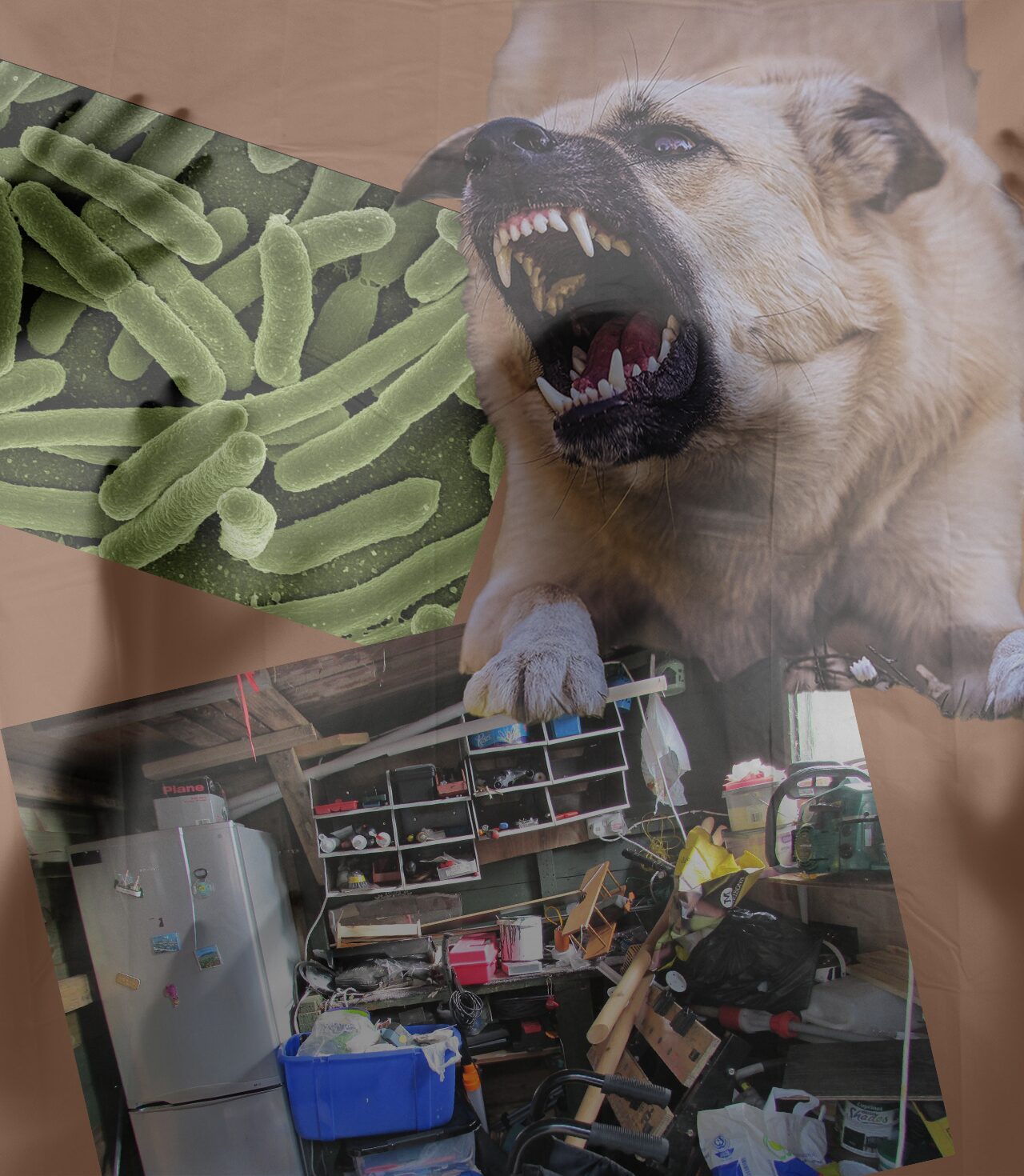
Care at home workers face a wide range of hazards, many of which are heightened by the fact that they’re working in spaces they can’t fully control. These dangers range from exposure to bloodborne pathogens and other biological risks to dealing with physical strains, like lifting patients in cramped spaces. There’s also the issue of unclean home conditions, aggressive pets, crime-ridden neighborhoods, and the risks involved in driving between homes.

By the Numbers

Statistics show that care at home workers are five times more likely to experience nonfatal workplace violence compared to people in other industries. More than 60% of these workers have reported experiencing at least one incident of violence in the past year. Registered nurses (RNs) specifically have reported high levels of verbal abuse (up to 65%), physical assault (44%), and sexual harassment (41%) on the job. In addition, these caregivers often deal with musculoskeletal injuries, with injury rates being 50% higher than those in hospitals due to patient handling tasks.

Common Incidents and the Problem of Underreporting

Many of these incidents go unreported, which only adds to the dangers care at home workers face. Since they’re constantly on the move, it’s tough to track these events. Still, reports clearly show that violence, harassment, and injuries occur more frequently and are more severe in care at home than in many other fields.

Care at Home Safety

Threats Aren't Always From the Patient

On top of dealing with violent patients, care at home workers may also face threats from family members. Tensions and emotional stress in the home—often tied to a patient’s declining health—can sometimes escalate into verbal or physical threats toward caregivers. These situations can make workers feel unsafe, even if no direct threat is made.

Real-World Relevance

For example, I once had a patient’s family member follow me to my car while talking about his pet venomous snakes. He didn’t threaten me directly. I definitely felt uneasy, though, but I didn’t report it. As I look back on this encounter, I believe I truly should have reported this and recorded it for future review.  It just highlights what we should teach our employees on how and when to report incidents.

Hidden Threats

Chemical exposure is another issue. Care at home workers often encounter dangerous cleaning or other chemicals that aren’t stored or used properly. Sadly, there was a tragic case where a home health nurse in Los Angeles died after being exposed to hazardous chemicals stored incorrectly in a patient’s home. Other in-home hazards include fall risks, aggressive animals, weapons hidden in the home, and illegal substances. These hidden risks make it crucial for workers to follow safety protocols when entering patient homes.

Care at Home Safety

# # #

Marcylle Combs Care at Home Worker Safety

Marcylle has faithfully served and advocated on behalf of home health and hospice patients for over 30 years. She started her career as a nurse, worked diligently to strengthen her leadership skills and ultimately became the owner/president of a successful home health and hospice company. She has served the home care industry in Texas and nationally throughout her years on multiple committees, boards, associations and dedicated lobbying efforts. Currently, Marcylle serves on the board of directors for The National Association for Home Care & Hospice (NAHC), the Home Care and Hospice Financial Managers Association (HHFMA) and the Industry Advisory Board. Additionally, she serves on NAHC’s Governance and Nominating Committee, the HHFMA workgroup, Innovations Committee and chairs the Women in Leadership Committee for HHFMA.

As a wife, mother of 5 adult children and as a female in the workplace she aspires to grow and lead others until her last breath on this earth. She continues this quest through three new business ventures she has founded: MAC Legacy, MAC Legacy Investments and The Marcylle Combs Company.     

©2024 by The Rowan Report, Peoria, AZ. All rights reserved. This article originally appeared in Healthcare at Home: The Rowan Report. One copy may be printed for personal use: further reproduction by permission only. editor@therowanreport.com