MACPAC Rate Setting

FOR IMMEDIATE RELEASE

Contact:                                                                   Elyssa Katz
571-281-0220
communications@allianceforcareathome.org

MACPAC Rate Setting

The Alliance Expresses Concerns Regarding MACPAC Approach to HCBS Rate Setting

Alexandria, VA, and Washington, DC, September 18, 2025. The National Alliance for Care at Home (the Alliance) released the following statement in response to the Medicaid and CHIP Payment and Access Commission’s (MACPAC) discussion regarding home- and community-based services (HCBS) rate-setting held during today’s September MACPAC meeting.

MACPAC Rate Setting Quote

The Alliance appreciates MACPAC’s interest in addressing issues related to worker pay in HCBS. These workers should receive higher wages and benefits as they are the backbone of the long-term care system in our country. They are dedicated professionals who provide essential services that promote the community integration, independence, and positive health and social outcomes of older adults and people with disabilities.

Unfortunately, we are concerned about the draft recommendation MACPAC discussed during today’s meeting. Rather than seeking to address the root-cause of low worker wages, MACPAC’s recommendation instead focuses on collecting 

additional information that would further describe the issue. This approach increases administrative burden on states and providers without actually proposing solutions to this problem.

MACPAC Rate Setting Report

MACPAC’s report acknowledges that rate studies and wage data are insufficient to address chronically underfunded Medicaid HCBS programs. To create meaningful change, state administrations and state legislators must be held accountable to fund services at levels that enable improved wages for workers. Sixty years of Medicaid program history have demonstrated that such wholesale changes to state actions are only achieved through new and strengthened Federal requirements. We urge MACPAC and its Commissioners to be bold and recommend structural changes to Federal Medicaid law and regulations that mandate payment policies ensuring access to HCBS through livable wages for direct care workers. The Centers for Medicare & Medicaid Services (CMS) should be given the authority to require states to:

  • Perform comprehensive rate studies no less frequently than every five years that:
    • Use generally accepted accounting practices to develop a payment methodology that assures continued adequacy of each component of the rate model; and
    • Establish a rate model that includes individualized components for core provider cost drivers as well as a livable wage for workers.
  • Submit a copy of the rate review report and recommendations with any waiver renewal or state plan amendment and make the report publicly available on their website; and
  • Require states to justify any variance between the report recommendations and the actual established payment rates.

Further, CMS should be given the authority to disapprove rate methodologies that do not clearly account for all statutory and regulatory requirements of delivering services as well as demonstrating that the rates are sufficient to support a livable wage for workers.

Our members are committed to improving the lives and livelihoods of direct care workers because beneficiaries depend on them. We call on MACPAC to ensure that states and the federal government are equal partners in this critical endeavor.

MACPAC Rate Setting Quote The Alliance

# # #

About the National Alliance for Care at Home

The National Alliance for Care at Home (the Alliance) is the leading authority in transforming care in the home. As an inclusive thought leader, advocate, educator, and convener, we serve as the unifying voice for providers and recipients of home care, home health, hospice, palliative care, and Medicaid home and community-based services throughout all stages of life. Learn more at www.AllianceForCareAtHome.org.   

© 2025. This press release originally appeared on the National Alliance for Care at Home website and is reprinted here with permission. For more information or to request permissions, please see the contact information above.
AI Eases Clinician Burnout

by Curantis Solutions

AI in Hospice and Palliative Care

Eases Clinician Burnout and Drives Retention

In hospice and palliative care, clinicians are your most valuable and most vulnerable resource. They’re the heart of care delivery, and often the largest expense line item on your budget. But today, many are walking a tightrope between compassion fatigue and after-hours documentation burnout. Hospice organizations can’t afford to lose them. And with AI-powered tools, you don’t have to.

Clinician burnout Is a crisis and a cost center

Hospice nurses and interdisciplinary team members are burning out at unsustainable rates. The emotional weight of their work is immense, but it’s the after-hours charting, documentation delays, and system inefficiencies that often push them over the edge. The cost of clinician turnover is staggering. Onboarding and training a new hospice nurse takes time, money, and trust, and patients feel the impact, too. 

AI bridges the gap without replacing the human touch

Curantis Solutions is leading the way with AI that lightens the load. Our embedded AI assistant, EVA, supports clinicians in real-time, reducing documentation friction and eliminating the need to chart late into the evening. 

How AI may help

  • Voice-to-text documentation
    • captures patient-specific details naturally, as they happen
  • Smart prompts and reminders
    • prevent missed data points and reduce rework
  • Less screen time after shifts
    • improves work-life balance and job satisfaction
  • Clinicians feel more supported and less likely to leave
AI in Hospice and Palliative Care Curantis Solutions

Retain the staff you've worked so hard to hire

When your staff hears that another organization doesn’t have modern tech or AI tools? They stay. Providing intuitive, hospice-specific tools isn’t just about efficiency. It’s about creating a culture that respects their time, honors their energy, and values their expertise. 

AI as a strategic investment in care and culture

Hospice leaders are being called to solve two problems at once:

  • Deliver exceptional, person-centered care
  • Do it with fewer resources and higher costs

AI-powered software like Curantis helps close this gap. By streamlining documentation and workflow, we help you preserve the well-being of your clinicians, which, in turn, protects your operations and your outcomes. 

Imagine this...

  • No more nurses charting late into the night
  • Fewer resignations and higher morale
  • Patients receiving care from clinicians who aren’t drained, but present and energized

# # #

Let's make clinician burnout a thing of the past

Explore how Curantis Solutions empowers your team and strengthens your bottom line. Contact us today to schedule a demo and see how we are making your software experience refreshingly simple with ChartBoost AI. 

Contact us today to see a demo and learn how we are making your software experience refreshingly simple. 

© 2025 This blog article originally appeared on the Curantis Solutions website and is reprinted with permission. For more information, please contact Curantis Solutions directly.

Bill to Strengthen Hospice

From the office of Earl L. “Buddy” Carter (R-GA)

Carter, Bera introduce Bill to Strengthen Palliative and Hospice Care Workforce

Reps. Earl L. “Buddy” Carter (R-GA) and Ami Bera, M.D. (D-CA) today introduced the Palliative Care and Hospice Education and Training Act (PCHETA), bipartisan legislation to invest in training, education, and research for the palliative care and hospice workforce, allowing more practitioners to enter these in-demand fields. 

Palliative and hospice care focus on providing comfort and quality of life improvements for those seriously ill, extending quality of life and reducing the length of hospital stays for many patients.

Earl L. "Buddy" Carter

“Caring for someone living with serious illness or at the end of their life is one of the most compassionate, selfless things one can do, and we must ensure that these heroes have the assistance, training, education, and tools available to provide the highest quality care possible. As a pharmacist, I understand the toll burnout takes on the health care industry, and I am committed to bolstering the workforce so nurses, doctors, and all health care workers can continue to pursue their passion for helping others.”

Earl L. "Buddy" Carter

(R-GA), U.S. House of Representatives

Ami Bera, M.D.

“As a doctor, I know how important it is to provide patients with comfort, clarity, and support when they’re facing serious illness,” said Rep. Bera. “The Palliative Care and Hospice Education and Training Act is a smart, bipartisan step to ensure more health care professionals are trained to deliver this kind of care. By expanding training programs and strengthening our health care workforce, we will make sure that patients and families have access to the care they need to manage pain, make informed decisions, and live with dignity.”

Workforce Shortage

In 2001, just 7% of U.S. hospitals with more than 50 beds had a palliative care program, compared with 72% in 2019. Those working in the field, 40% of whom are 56 years of age or older, report high rates of burnout, in response to the increasing number of patients requiring treatment. 

Reps. Carter and Bera’s bill, which has a Senate companion led by Senators Baldwin and Capito, alleviates these strains through workforce training, education and awareness, and enhanced research.

Widespread Support

“As we face a critical shortage of health professionals with expert knowledge and skills in palliative care, AAHPM applauds Representatives Carter and Bera for their leadership in introducing the Palliative Care and Hospice Education and Training Act to ensure all patients facing serious illness or at the end of life can receive high-quality care. We urge Congress to recognize the importance of a well-trained, interprofessional healthcare team to providing coordinated, person-centered serious illness care and to act now to build a healthcare workforce more closely aligned with America’s evolving healthcare needs. Advancing PCHETA will go a long way towards improving quality of care and quality of life for our nation’s sickest and most vulnerable patients, along with their families and caregivers.”

Kristina Newport, MD FAAHPM, HMDC

Chief Medical Officer, American Academy of Hospice and Palliative Medicine

“Palliative care treats the whole person, not just the disease. Ensuring health care providers can be trained in this specialized, coordinated form of care and providing funding for robust public education through the Palliative Care Education and Training Act can help increase access to palliative care for cancer patients and make their cancer journey less difficult. We commend Reps. Carter and Bera for their leadership and steadfast commitment to palliative care and to improving quality of life for patients, including those impacted by cancer.”

Lisa A. Lacasse

President, American Cancer Society Cancer Action Network

“Every person living with serious illness or facing the end of life deserves compassionate, expert care that honors their choices and helps them live comfortably on their own terms. The Alliance celebrates Representatives Carter and Bera’s leadership in introducing the Palliative Care and Hospice Education and Training Act, which will ensure families have access to the trained professionals they need during life’s most difficult moments. As our population ages, this critical investment in education and training will help us meet the growing demand for quality palliative and hospice care

Dr. Steve Landers

CEO, National Alliance for Care at Home

Supporting Organizations

Alzheimer’s Association, Alzheimer’s Disease Resource Center, Alzheimer’s Impact Movement, American Academy of Hospice and Palliative Medicine, American Academy of Pediatrics, American Academy of Physician Associates, American Cancer Society Cancer Action Network, American College of Surgeons, American Geriatrics Society, American Heart Association, American Psychological Association, American Psychosocial Oncology Society, The American Society of Pediatric Hematology/Oncology, Association for Clinical Oncology, Association of Oncology Social Work, Association of Pediatric Hematology/ Oncology Nurses, Association of Professional Chaplains, The California State University Shiley Haynes Institute for Palliative Care, Cambia Health Solutions, Cancer Support Community, CaringKind, Catholic Health Association of the United States, Center to Advance Palliative Care, Children’s National Health System, Coalition for Compassionate Care of California, Colorectal Cancer Alliance, Courageous Parents Network, The George Washington Institute for Spirituality and Health, GO2 for Lung Cancer, The HAP Foundation, HealthCare Chaplaincy Network, Hospice and Palliative Nurses Association, LEAD Coalition, LeadingAge, The Leukemia & Lymphoma Society, Motion Picture & Television Fund, National Alliance for Care at Home, National Alliance for Caregiving, National Brain Tumor Society, National Coalition for Cancer Survivorship, National Coalition for Hospice and Palliative Care, National Comprehensive Cancer Network, National Marrow Donor Program, National Palliative Care Research Center, National Partnership for Healthcare and Hospice Innovation, National Patient Advocate Foundation, National POLST Paradigm, Oncology Nursing Society, Pediatric Palliative Care Coalition, PAs in Hospice and Palliative Medicine, Prevent Cancer Foundation, Second Wind Dreams, Social Work Hospice & Palliative Care Network, Society of Pain and Palliative Care Pharmacists, St. Baldrick’s Foundation, Supportive Care Matters, Susan G. Komen, Trinity Health, West Health Institute, The Alliance for the Advancement of End-of-Life Care, Alzheimer’s Los Angeles, Alzheimer’s Orange County, Arizona Association for Home Care, Arizona Hospice & Palliative Care Organization, Association for Home & Hospice Care of North Carolina, California Association for Health Services at Home, The Center for Optimal Aging at Marymount University, Children’s Hospice and Palliative Care Coalition, Delaware Association for Home & Community Care, Florida Hospice & Palliative Care Association, Georgia Association for Home Health Agencies, Georgia Hospice and Palliative Care Organization, Granite State Home Health & Hospice Association (NH), Healthcare Association of Hawaii, Home Care Association of Florida, Home Care Association of NYS, Home Care Association of Washington, Home Care and Hospice Association of Colorado, Homecare and Hospice Association of Utah, Hospice and Palliative Care Association of Iowa, Hospice and Palliative Care Association of New York, Hospice Care and Kentucky Home Care Association, Hospice Council of West Virginia, Hospice & Palliative Care Federation of Massachusetts, Idaho Health Care Association, Illinois Hospice and Palliative Care Organization, Indiana Association for Home, Kokua Mau, LeadingAge California, LeadingAge Georgia, LeadingAge New Jersey/Delaware, LeadingAge Ohio, LifeCircle-South Dakota’s Hospice and Palliative Care Network, Louisiana Mississippi Hospice and Palliative Care Organization, Maryland-National Capital Homecare Association, Michigan HomeCare and Hospice Association, Minnesota Network of Hospice and Palliative Care, Missouri Alliance for Home Care, Missouri Hospice & Palliative Care Association, Nebraska Association for Home Healthcare and Hospice, Nebraska Home Care Association, Ohio Council for Home Care & Hospice, Ohio Health Care Association, Oklahoma Association for Home Care and Hospice, South Carolina Home Care & Hospice Association, The Oregon Hospice & Palliative Care Association, Texas Association for Home Care & Hospice, Texas ~ New Mexico Hospice and Palliative Care Organization, Virginia Association for Home Care and Hospice, VNAs of Vermont, The Washington State Hospice and Palliative Care Organization, and West Virginia Council for Home Care and Hospice.

Read full bill text here.

# # #

Earl L. Earl L. “Buddy” Carter is an experienced businessman, health care professional and faithful public servant. For over 32 years Buddy owned Carter’s Pharmacy, Inc. where South Georgians trusted him with their most valuable assets: their health, lives and families. While running his business, he learned how to balance a budget and create jobs. He also saw firsthand the devastating impacts of government overregulation which drives his commitment to ensuring that the federal government creates policies to empower business instead of increasing burdens on America’s job creators.

A committed public servant, Buddy previously served as the Mayor of Pooler, Georgia and in the Georgia General Assembly where he used his business experience to make government more efficient and responsive to the people. Buddy is serving his fifth term in the United States House of Representatives and is a member of the House Energy and Commerce (E&C) Committee and the House Budget Committee. As a pharmacist serving in Congress, Buddy is dedicated to working towards a health care system that provides more choices, less costs and better services.

A lifelong resident of the First District, Buddy was born and raised in Port Wentworth, Georgia and is a proud graduate of Young Harris College and the University of Georgia where he earned his Bachelor of Science in Pharmacy. Buddy married his college sweetheart, Amy. Buddy and Amy have three sons, three daughters-in-law and eight grandchildren.

Ami Bera, M.D. (D-CA)Congressman Ami Bera, M.D. has represented Sacramento County in the U.S. House of Representatives since 2013. The 6th Congressional District is located just east and north of California’s capitol city, Sacramento, and lies entirely within



Sacramento County.

During Congressman Bera’s twenty-year medical career, he worked to improve the availability, quality, and affordability of healthcare. After graduating from medical school in 1991, he did his residency in internal medicine at California Pacific Medical Center, eventually becoming chief resident. He went on to practice medicine in the Sacramento area, serving in various leadership roles for MedClinic Medical Group. Chief among his contributions was improving the clinical efficiency of the practice. He then served as medical director of care management for Mercy Healthcare, where he developed and implemented a comprehensive care management strategy for the seven-hospital system.

In Congress, Bera uses the skills he learned as a doctor to listen to the people of Sacramento County and put people ahead of politics to move our country forward. His priority is to work alongside people in both parties to address our nation’s most pressing challenges and make government work. Bera believes Congress should be a place for service, not for politicians who only look out to protect their own careers, pay, and perks.

Enabling Care Through AI

by John Crighton, CTO at Curantis Solutions

Enabling Care Through AI: Ethical Issues

Recently, artificial intelligence (AI) has become an essential component of healthcare organizations. AI is revolutionizing hospice and palliative care by enhancing patient care and optimizing workflows. Its impact is undeniable in these sensitive and life-changing fields. At Curantis Solutions, we are proud to apply AI-driven solutions to support caregivers while upholding ethical standards, enabling care through AI.

The Importance of AI in Hospice and Palliative Care

Hospice and palliative care are primarily based on empathy, understanding, and individual approach. When applied correctly, AI can enhance these core principles in several ways:

  • Improving Efficiency
    • Some of the time-consuming tasks, such as entering assessment notes, reviewing recent documents before a patient meeting, or creating a summary of recent documentation in preparation for a team meeting, can be performed or assisted by AI. By automating these administrative tasks, caregivers can spend more time providing direct patient care.
  • Predictive Analysis
    • AI tools can analyze the patient’s data and predict the possible changes in the patient’s condition, which will help to prevent complications.
  • Individualized Care Plans
    • Based on the patient’s history, AI can help clinicians in the development of care plans that are more accurate in meeting the needs of the patient. Although the idea of using AI in hospice and palliative care is fascinating, it is crucial to approach this issue with caution and always pay attention to ethical issues.

Ethical Issues in the Use of AI in Hospice and Palliative Care

As  the industry incorporates AI into our products and agencies, we need to consider ethical implications such as those shown below:

  • Privacy and Data Protection Issues
    • Hospice and palliative care deal with the patient’s private details. At Curantis Solutions, we ensure that all AI-powered tools comply with the highest security and privacy standards, safeguarding patient data at every step.
  • Bias and Fairness
    • The way AI systems are developed, they are only as good as the data that is used in their development. At Curantis Solutions, we strive to recognize and eliminate any possible prejudice in the AI systems that we develop to benefit all patients.
  • Transparency and Accountability
    • It is important that the caregivers and the patients know how the AI is being used and how the decisions are made. We try to make our AI solutions as transparent as possible, and we ensure that the final decisions are always made by humans. Hospice and palliative care are very personal. This field is defined by the human component, and AI should only supplement it and not replace it. The solutions that we provide are intended to assist clinicians in order to maintain the sanctity of every patient.

A Future of Kindness with the Help of AI

The healthcare sector is changing rapidly, and AI is coming in to improve hospice and palliative care. At Curantis Solutions, we are proud to apply AI in a way that enhances the human factor, ethical values, and the capacity of the caregivers to offer the best care possible to the patient. Therefore, it is possible to envision a future where technology and empathy coexist to ensure that every patient gets the care they require. Leverage AI to reduce administrative burdens for hospice and palliative care.

About Curantis Solutions and AI

The goal of Curantis Solutions is to assist hospice and palliative care providers in the provision of patient-centered and compassionate care. This post discusses how AI can be used in this mission and how it can be done ethically.

We accomplish this in the following manner:

  • Working in partnership with specialists
    • We partner with clinicians, ethicists, and AI experts to guarantee that our solutions are appropriate for the context of hospice and palliative care).
  • Revisiting the Model
    • AI is not set and forgotten; it needs to be assessed and improved on an ongoing basis. We also regularly check the efficacy of our AI tools to ensure that they are accurate, fair, and reliable.
  • Enabling Care Teams
    • Our solutions which are supported by AI are meant to support the skills of the care teams and not to replace them. Thus, we lessen the burden of documentation to allow the providers to focus on the patient and their families more often.

# # #

Curantis Solutions AI John Crighton

John Crighton is a seasoned technology leader, with over 25 years of experience in software development innovation and best practices.

John most recently served as the Chief Technology Officer for Lightning Step, a Behavioral Health SaaS EHR with over 100,000 users. John served on the executive team that scaled the business, contributing to the 40x revenue growth and eventually to a successful exit.  Prior to that, John managed a custom development team at Openlink Financial and was responsible for product quality at SolArc Software. John was part of the management team that led Mission Critical Software to a successful IPO and went on to management roles with JMI Software, NEON Systems, and NetIQ.

John is a veteran of the US Army, and graduated Summa Cum Laude from the University of Houston with a Bachelor’s of Business Administration.

©2024 by The Rowan Report, Peoria, AZ. All rights reserved. This article originally appeared in the Curantis Solutions blog and is reprinted in Healthcare at Home: The Rowan Report with permission. For further permission to reprint, contact Curantis Solutions.

More Violence in Care at Home

by Elizabeth E. Hogue, Esq.

Violence Against Home Care Providers Continues

Violence in Care at Home Continues…

Sadly, but not surprisingly, the violence against field staff caring for patients in their homes continues. Here’s a recent example:

On February 28, 2025, a hospice nurse in Texas was accosted inside a patient’s home while she was attempting to provide care. The man who accosted her inside the home followed her outside with a rifle and fired at her as she fled. The nurse was uninjured, but her car was struck by at least one bullet.

Then, still armed, the man went back inside the patient’s home where he stayed close to the patient while pointing his rifle at deputies. Law enforcement officers were able to communicate with him and de-escalate the tense situation. The man was booked into the county jail on a charge of aggravated assault with a deadly weapon and bond was set at $250,000.

Violence in Care at Home

By the Numbers

According to a recent analysis of Bureau of Labor Statistics data, healthcare is one of the most dangerous places to work. Homecare field staff members who provide services on behalf of private duty agencies, hospices, Medicare-certified home health agencies, and home medical equipment (HME) companies may be especially vulnerable. Contributing to their vulnerability is the fact that they work alone on territory that may be unfamiliar and over which they have little control. Staff members certainly need as much protection as possible. 

Violence Policies Needed

First, regardless of practice setting, management should develop a written policy of zero tolerance for all incidents of violence, regardless of source. This policy should include animals. The policy must require employees and contractors to report and document all incidents of threatened or actual violence, no matter how minor.

Beyond Reporting

Emphasis should be placed on both reporting and documenting. Employees must provide as much detail as possible. The policy should also include zero tolerance for visible weapons. Caregivers must be required to report the presence of visible weapons.

UCHealth SAFE Program

Below are some additional important actions for healthcare organizations to take that are based on the UCHealth SAFE Program:

  • Encourage staff members to STOP if they feel unsafe for any reason. 
  • If danger is not imminent, workers should pause to generally ASSESS their environments. Staff members should think about what happened and observe what is currently happening. Is there, for example, mounting frustration or anger?
  • Staff should then FAMILIARIZE themselves with the area. Who is the patient? Where is the patient? Are there any factors that might escalate behaviors? Staff members should also consider putting themselves in positions where they have a route to escape, if necessary.
  • ENLIST help. Getting help may, for example, include pushing panic buttons on mobile devices.

In Their Own Words

Here is what Chris Powell, Chief of Security at UCHealth, said in Becker’s Hospital Review on June 4, 2024:

“You can’t just talk about the shrimp and give you a good picture. We have to talk about the roux and the rice and everything else that goes into this for a good picture to be painted so people have an understanding. We want to solve this with an electronic learning or a 15-minute huddle, but we can’t. This is continuous and a persistent pursuit toward educating, communicating, recognizing, responding to, reporting and recovering from workplace violence.”

Chris Powell

Chief of Security, UCHealth

Final Thoughts

Every caregiver matters. The healthcare industry has lost caregivers to violence on the job in the past. Let’s do all that we can to avoid similar events in the future.

# # #

Elizabeth E. Hogue, Esq.

Elizabeth Hogue is an attorney in private practice with extensive experience in health care. She represents clients across the U.S., including professional associations, managed care providers, hospitals, long-term care facilities, home health agencies, durable medical equipment companies, and hospices.

©2025 Elizabeth E. Hogue, Esq. All rights reserved.

No portion of this material may be reproduced in any form without the advance written permission of the author.

©2025 by The Rowan Report, Peoria, AZ. All rights reserved. This article originally appeared in The Rowan Report. One copy may be printed for personal use: further reproduction by permission only. editor@therowanreport.com

Alliance Member Testifies Before Congress

FOR IMMEDIATE RELEASE

Contacts:                                          Elyssa Katz
571-281-0220

Tom Threlkeld
202-547-7424

communications@allianceforcareathome.org

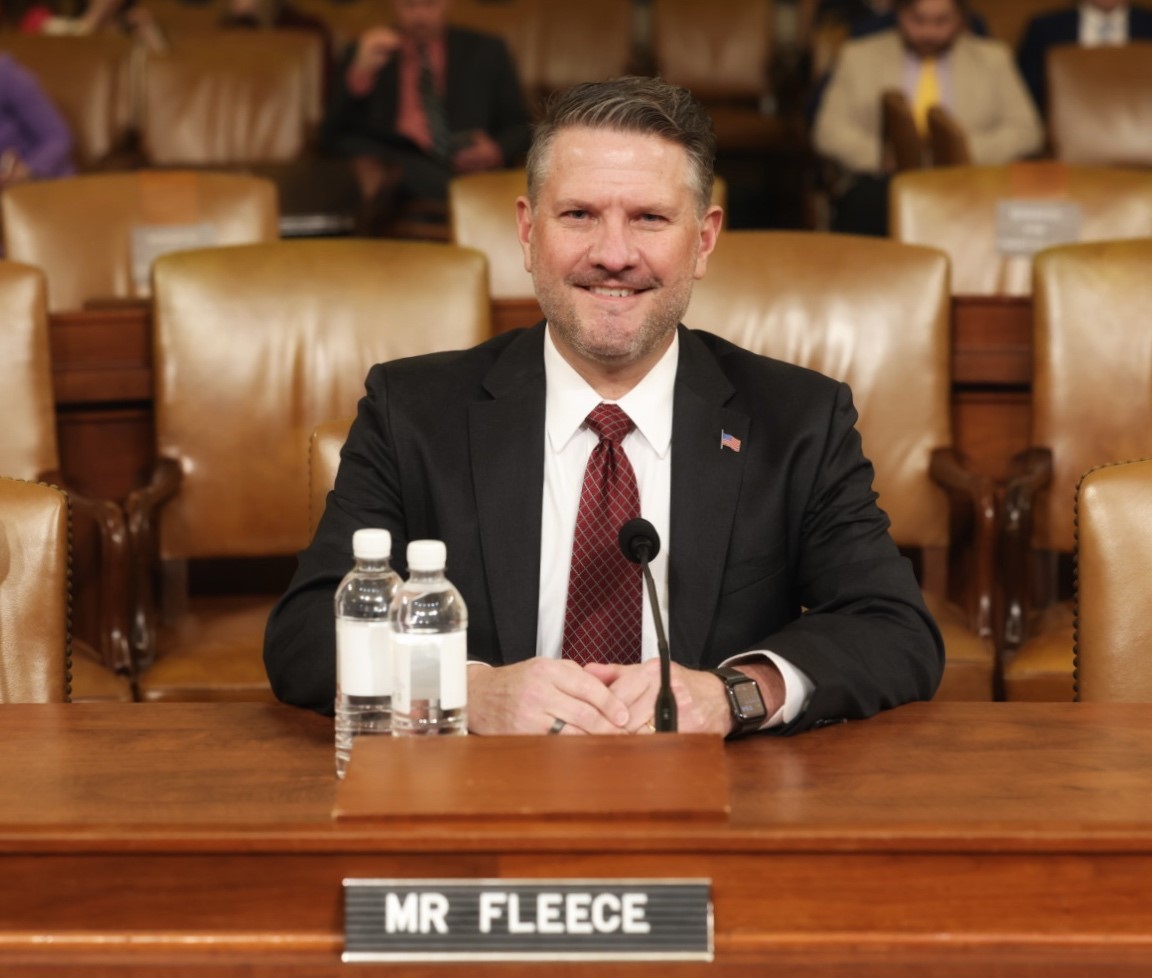
Alliance Member, Jonathan Fleece, Testifies Before Congress on the Value of Care at Home

Ways & Means Health Subcommittee Hearing on “After the Hospital: Ensuring Access to Quality Post-Acute Care”

(Washington, DC and Alexandria, VA) – The National Alliance for Care at Home (the Alliance) released the following statement at the conclusion of a hearing conducted by the House Ways & Means Subcommittee on Health on After the Hospital: Ensuring Access to Quality Post-Acute Care:

“The Alliance thanks Chairman Vern Buchanan (R-FL), Ranking Member Lloyd Doggett (D-TX), and all members of the Health Subcommittee for convening this important discussion on post-acute care. This hearing provided an opportunity to amplify the voices of home health and hospice providers and reinforce the essential role they play in delivering high-quality, patient-centered care in the setting people prefer—at home.”

Dr. Steve Landers

CEO, The Alliance

Alliance Member Testifies: Thank you, Jonathan Fleece

“We are especially grateful to Jonathan Fleece, CEO of Empath Health, for sharing his expertise and for his service on behalf of patients and families. Empath Health has long been a leader in setting the standard for high-quality, patient-centered care, and we appreciate its commitment to advancing care at home.

“As our nation’s population rapidly ages, it is more critical than ever to get these policies right and ensure that home health and hospice remain accessible and protected from harmful cuts and unnecessary administrative burdens. Not only is care at home beloved by patients and families, but it is also cost-efficient, easing strain on the healthcare system by reducing reliance on institutional care and allowing people to heal where they feel most comfortable.”

Jonathan Fleece The Alliance Testifies Before Congress

Continued Advocacy from The Alliance

“Coming out of this hearing, the Alliance remains committed to working with Congress and the Administration to strengthen home health and hospice, safeguard access to these essential services, and advance policies that support their long-term sustainability. We will continue advocating against payment cuts that threaten access, promoting value-based care models, and ensuring regulatory oversight enhances—rather than hinders—the ability of providers to deliver the best possible care.”

To read the full subcommittee hearing testimony of Jonathan Fleece, CEO of Empath Health, click here.

# # #

About the National Alliance for Care at Home

The National Alliance for Care at Home (the Alliance) is a new national organization representing providers of home care, home health, hospice, palliative care, and other health care services mainly delivered in the home. The Alliance brings together two organizations with nearly 90 years of combined experience: NAHC and NHPCO. NAHC and NHPCO have combined operations to better serve members and lead into the future of care offered in the home. Learn more at www.AllianceForCareAtHome.org.    

© 2025 This press release originally appeared on the National Alliance for Home Care website and is reprinted here with permission. For more information, see the contact information above.

Humana Thyme Agreement

by Kristin Rowan, Editor

Palliative Care for Medicare Advantage Members

Cancer is one of the highest leading causes of death in the United States, second only to heart disease. The challenges for cancer patients are not only physical, but emotional and financial as well. The consequences of these challenges are often devastating to the patient and their families. Providing additional care, support, and pharmaceutical interventions through value-based care can improve patient outcomes and reduce out-of-pocket costs.

Thyme Care

Thyme Care is a Nashville-based cancer treatment center that operates in seven states. The centers provide not just treatment, but cancer care navigation, designed to work within the value-based framework, keeping the patient at the center of care. Thyme Care includes an oncology care team, a patient app with multiple resources and 24/7 access to support. Patient surveys track symptoms and reduce barriers to care. This approach combines cancer treatment and palliative care for whole-person cancer care support.

Palliative Care

Palliative care works alongside medical care to improve the quality of life for the patient, addressing physical, emotional, and spirtual needs. Strictly speaking, it is not medical care, and not specifically covered by most insurance plans. The out-of-pocket costs for palliative care can be extremely high, making this kind of care an inaccessible amenity for most patients.

Humana Thyme Palliative

Value-Based Care

Value-based care reimburses care providers partially based on patient outcomes and patient satisfaction. Providers also share the financial risk of care with health insurance companies. Care providers who can both improve outcomes and patient satisfaction can be reimbursed more through health insurance plans, which can cover the costs of palliative care, even when it is not explicitly covered by the plan.

Humana

Humana is a payer with plans for Medicare, Medicaid, and Individual/Family beneficiaries. The Medicare Advantage value-based care plans allow Humana to disperse payments for covered services in partnership with care provider teams across a patient’s care journey. The better the outcome and satisfaction, the more Humana can pay a provider for care. Better outcomes often means reduced hospital visits, a longer time at home before requiring skilled nursing facilities, and lower costs.

Humana Thyme Palliative Care Collaboration

The recently announced partnership between payer and provider will give eligible patients access to palliative care support as part of the whole-person cancer care navigation provided by Thyme. Humana patients can also receive, as needed, 24/7 virtual care, medication guidance, symptom management, chronic condition management, community-based resources, financial assistance, transportation, food assistance, and/or access to stable housing.

Kristin Rowan, Editor

Kristin Rowan has been working at The Rowan Report since 2008. She is the owner and Editor-in-chief of The Rowan Report, the industry’s most trusted source for care at home news. She also has a master’s degree in business administration and marketing and runs Girard Marketing Group, a multi-faceted boutique marketing firm specializing in content creation, social media management, and event marketing.  Connect with Kristin directly kristin@girardmarketinggroup.com or www.girardmarketinggroup.com

©2025 by The Rowan Report, Peoria, AZ. All rights reserved. This article originally appeared in The Rowan Report. One copy may be printed for personal use: further reproduction by permission only. editor@therowanreport.com


Safeguarding Home Care Heroes Part 2

by Marcylle Combs, BS, MS, RN, CHCE

This article is part 2 of 2-part series. Read part 1 here

Protecting our Care at Home Heroes

Preventive Measures and Safety Protocols

To deal with these dangers, several preventive steps have been recommended.

Personal Protection

Personal Protective Equipment (PPE) and hand hygiene are basic but important ways to prevent disease spread. Making sure workers are up to date on vaccinations, following cleaning protocols, and safely handling sharp objects and hazardous materials can also significantly reduce risks.

Beyond PPE

Safety policies personal protective equipment

But safety isn’t just about using PPE. There’s also a need for ergonomic tools to prevent injuries, regular safety checks of patient homes, and ensuring safe driving practices for workers who spend a lot of time on the road. Just as important are communication and conflict de-escalation strategies to help healthcare workers manage tense situations with patients or their families.

Safety policies de-escalation

Training

Training home health workers to spot signs of potential violence or aggression, whether from patients or their families, is vital. They should also have strategies to defuse conflicts and a clear plan to exit safely if a situation turns dangerous. Since hazardous chemicals in the home can be a real threat, agencies should train workers to recognize unsafe conditions and take the necessary steps, like reporting the problem or moving the patient to a safer environment.

Emotional Resilience

A Must-Have for Care at Home Workers

Physical safety is important, but emotional well-being is just as crucial. Feeling emotionally secure—valued, supported, and heard at work—is key to keeping employees engaged and satisfied with their jobs. It helps reduce burnout, absenteeism, and turnover.

Creating a culture of psychological safety starts with good leadership. Managers need to actively listen to their employees’ concerns and encourage open communication. When workers feel that their voices are heard and their opinions matter, they’re more likely to stay proactive and engaged.

Real-Life Examples and the Importance of Strong Policies

The dangers faced by home health workers aren’t just theoretical—they’re very real. I’ve seen this firsthand. As both an owner, administrator, and nurse, there were times we felt unsafe.

One instance that sticks out happened a few years ago

A nurse on a routine visit encountered the patient’s grandson breaking into the house, clearly high on some kind of drug. She and the patient managed to block the bedroom door while she called 911, and thankfully, the police arrived before the grandson could get to them. He was carrying a gun, though she didn’t know that at the time.

Safety policies awareness

Putting Comprehensive Policies in Place

A solid safety program that meets the unique needs of home health workers is a must. This includes having zero-tolerance policies for workplace violence, infection control measures, and clear guidelines for handling dangerous materials. Ongoing education and training are essential to make sure staff follow these protocols.

In addition, there should be regular assessments to gauge how effective safety policies are. Gathering feedback from workers on the ground is crucial to making sure these policies address real-world challenges.

Final Thoughts: Safety is a Mindset

Workplace safety isn’t just about following rules or checking boxes. It’s something that should be part of the culture of every organization. By putting in place measures that protect both the physical and emotional well-being of home health workers, we can ensure that these “home care heroes” continue to provide the critical care that so many people rely on. As Eleanor Everet wisely said, “Safety is not a gadget, but a state of mind.”

# # #

Marcylle Combs Care at Home Worker Safety

Marcylle has faithfully served and advocated on behalf of home health and hospice patients for over 30 years. She started her career as a nurse, worked diligently to strengthen her leadership skills and ultimately became the owner/president of a successful home health and hospice company. She has served the home care industry in Texas and nationally throughout her years on multiple committees, boards, associations and dedicated lobbying efforts. Currently, Marcylle serves on the board of directors for The National Association for Home Care & Hospice (NAHC), the Home Care and Hospice Financial Managers Association (HHFMA) and the Industry Advisory Board. Additionally, she serves on NAHC’s Governance and Nominating Committee, the HHFMA workgroup, Innovations Committee and chairs the Women in Leadership Committee for HHFMA.

As a wife, mother of 5 adult children and as a female in the workplace she aspires to grow and lead others until her last breath on this earth. She continues this quest through three new business ventures she has founded: MAC Legacy, MAC Legacy Investments and The Marcylle Combs Company.     

©2024 by The Rowan Report, Peoria, AZ. All rights reserved. This article originally appeared in Healthcare at Home: The Rowan Report. One copy may be printed for personal use: further reproduction by permission only. editor@therowanreport.com

Fraud Soup

by Elizabeth E. Hogue, Esq.

Everyone in the "Fraud Soup" Together

Fraud Soup

Perhaps you remember the CEO of a hospice in the Dallas area, Novus Health Care Services, who texted staff members urging them to administer drugs to patients to avoid exceeding per patient spending caps. He then sent texts praising them when patients passed away from the drugs he had urged them to administer: “Good job!” There were also accusations of recruiting ineligible patients and falsifying documentation. Ever wonder what happened to him and other staff members?

Well...Here's the Scoop!

  • Sixteen individuals from the hospice were indicted and at least eleven of them pled guilty.
  • Thirteen individuals involved in these activities were sentenced to a combined eighty-four years in prison.
  • The most recent sentence of four years in prison was imposed on the hospice’s marketing director.
  • The CEO of the Hospice was sentenced to thirteen years in prison.
  • Two Medical Directors decided to go to trial instead of pleading guilty. They were sentenced to thirteen years and ten years in prison.
  • A nurse involved in these activities was sentenced to eight and a half years in prison.
  • An LVN who received a text from the CEO saying “good job” after she administered drugs to a patient who then passed away was sentenced to eight years in prison.
Fraud Soup Elizabeth Hogue
  • A triage nurse was sentenced to seven years in prison.
  • The Director of Operations was sentenced to five and a half years in prison.
  • A Medical Director who pleaded guilty received a sentence of four years and nine months.
  • The VP of Patient Services was sentenced to three years in prison.
  • The VP of Marketing was sentenced to two years and nine months in jail.
  • A nurse was also sentenced to two years and nine months in prison.
  • An owner of a lab and home health agency was also sent to jail for eighteen months because she allowed the CEO to access potential patients’ confidential medical information in exchange for using services provided by her companies.

Far-Reaching Effects

Can you imagine the effect on professionals who surely also lost their licenses and their families?  Not to mention patients and their families!

The lesson in this heartbreaking story is that fraud enforcement is not limited to owners and upper management. Enforcers will dump everyone who engaged in inappropriate conduct into the “fraud soup.” Therefore, when providers refuse to engage in fraudulent conduct, they are not only protecting themselves, but everyone else involved.

# # #

Elizabeth E. Hogue, Esq.

Elizabeth Hogue is an attorney in private practice with extensive experience in health care. She represents clients across the U.S., including professional associations, managed care providers, hospitals, long-term care facilities, home health agencies, durable medical equipment companies, and hospices.

©2024 by The Rowan Report, Peoria, AZ. All rights reserved. This article originally appeared in Healthcare at Home: The Rowan Report. One copy may be printed for personal use: further reproduction by permission only. editor@therowanreport.com

©2024 Elizabeth E. Hogue, Esq. All rights reserved.

No portion of this material may be reproduced in any form without the advance written permission of the author.

New EVP for Talent Acquisition

Axxess

FOR IMMEDIATE RELEASE

Contact:                 Johnathan Eaves
(903) 445-6969
jeaves@axxess.com

Axxess Names Tim Ingram Executive Vice President for Talent Acquisition

His Appointment Will Ensure New Hires Reinforce Its Award-Winning Culture As Company Grows Worldwide

DALLAS, October 21, 2024 – Longtime Axxess leader Tim Ingram has been named Executive Vice President for Talent Acquisition to work closely with company leaders around the world to ensure new hires continue to reinforce the award-winning culture known as The Axxess Way.

A Message from Axxess CEO

“Beyond our industry-leading solutions, our foundational strength has always been and will always continue to be our unique culture,” said John Olajide, founder and CEO of Axxess, the industry leader in care at home technology solutions. “Tim’s demonstrated commitment to excellence and his collaborative and cooperative nature make him the perfect choice to represent our unique culture and work with our team to ensure new hires also embody The Axxess Way as we continue to grow around the world.”

Tim Ingram, in His Own Words

“Axxess is easily the most dynamic and collaborative culture I have ever been part of, and it’s an honor to be responsible for ensuring we find only the smartest, highest-quality team players who can help take Axxess to the next level,” said Ingram, who joined Axxess in 2016 and will continue to serve as Executive Vice President for Interoperability, partnering with industry-changing technology companies to enhance Axxess’ solutions. “Our vision is to be the global home healthcare technology leader, and most admired for our people, partnerships and solutions. Ensuring we achieve our vision starts at the interview.”

Tim's Background

Ingram has more than 20 years of experience in healthcare, including working in software, as well as regulatory and mergers and acquisitions environments. He serves as an ambassador for the National Hospice and Palliative Care Organization’s My Hospice Ambassador program; a member of several committees and councils for both NHPCO and National Association for Home Care and Hospice and is a past board member for the California Hospice and Palliative Care Association. He was named one of DirectTrust’s Interoperability Heroes in 2022.

Tim Ingram Talent Acquisition

# # #

About Axxess

Axxess is the leading global technology platform for healthcare at home. The company offers a robust ecosystem that empowers healthcare organizations and professionals to deliver the highest quality care. By integrating with partners and payers from across the healthcare continuum, more than 9,000 organizations trust the Axxess network to care for more than 5 million patients worldwide. Multiple independent certifications have confirmed that Axxess has the most secure and industry-compliant software solutions. The company’s collaborative culture focused on innovation and excellence is recognized nationally as a “Best Place to Work.”

This press release was originally published by Axxess and is reprinted with permission. For more information or for permission to use this material, please use the media contact above.