Introducing “The National Alliance for Care at Home”

by Tim Rowan, Editor Emeritus

National Alliance for Care at Home

The merger of the National Association for Home Care and Hospice and the National Hospice and Palliative Care Organization, which was inked on July 1, became official this week in Tampa, Florida. The new National Alliance for Care at Home said farewell to retiring NAHC President Bill Dombi and gave a rousing welcome to incoming Alliance CEO, Steven Landers, MD. Both Bill’s farewell address and Dr. Landers’ introduction speech ended with the same theme. We do what we do for the good of our patients. Yes, there is money. Yes, there are politics. In the end, our legacy and our future are about people.

Dr. Steven Landers

Integrity, Quality and Compliance

That future will begin with a commitment to patient care excellence. Dr. Landers closed his opening address with an announcement. From now on, every member, upon beginning or renewing their annual membership, will be asked to sign an attestation pledging their company and themselves personally to commit to Integrity, Quality, and Compliance. “Our members will be known to the world as the best in the industry,” he proclaimed. “They will assure patients, families, and payers that they participate in Medicare and Medicaid quality performance standards.”

In a press conference the next day, Dr. Landers elaborated that NAHC and NHPCO have always worked with public and private payers and law enforcement agencies to rid our industry of those who are not in it for noble reasons. Those cooperative efforts will continue, he told the reporters. The new attestation will further assure the world that members of The Alliance publicly join that mission. One is reminded of a code of conduct common to all our national military academies. “We will not lie, steal, or cheat, nor tolerate among us anyone who does.”

Emphasis on Advocacy

The Alliance is new, and Dr. Landers candidly admits he is gradually learning his new role as he goes along. But he is guided by a commitment to care in the home that has been with him since medical school. “I didn’t want to be just another cog in the system,” he told 2,000+ attendees. “The first time I went along on a home visit, I immediately realized that this is what I wanted to commit my career to.” Through his years at the VNA and Cleveland Clinic, he saw the power of in-home care, including its ability to extend live expectancy and reduce the total cost of care.

Bill Dombi

A Semi-Farewell at Best

National Alliance for Care at Home Dombi

Bill Dombi will serve the new Alliance through the end of this year before fully entering retirement. Following his closing address on the last day of the conference, during which he summarized his 38 years with NAHC (years that began with a promise to his wife Lynn that they would only have to leave their home in Connecticut for the DC area for three to four years), I asked him what he planned to do that first day in January. He said that he accumulated a ton of frequent flyer miles during his career and that they would love to travel somewhere other than state and national association conference cities.

He also mentioned the ongoing legal actions he initiated to force CMS to develop more honest formulae for calculating Home Health reimbursement and added, “It is very difficult to change litigators in the middle of a lawsuit.” Draw your own conclusion but take it from one who knows how difficult it is to completely walk away from this mission and its people. We may not have heard the last of William A. Dombi.

# # #

Tim Rowan, Editor Emeritus

Tim Rowan is a 30-year home care technology consultant who co-founded and served as Editor and principal writer of this publication for 25 years. He continues to occasionally contribute news and analysis articles under The Rowan Report’s new ownership. He also continues to work part-time as a Home Care recruiting and retention consultant. More information: RowanResources.com
Tim@RowanResources.com

©2024 by The Rowan Report, Peoria, AZ. All rights reserved. This article originally appeared in Healthcare at Home: The Rowan Report. homecaretechreport.com One copy may be printed for personal use: further reproduction by permission only. editor@homecaretechreport.com

Vendor Watch: VitalCaring Cognitive Care Pilot

FOR IMMEDIATE RELEASE

Contacts:                                          Nancy Lecroy
VP, Marketing & Communications
VitalCaring
O 469.839.3777
Nancy.lecroy@vitalcaring.com

Kelly Faville
FourSeventeen Communications
On behalf of Constant Therapy Health
M 978-621-6667
kelly@constanttherapy.com

VitalCaring’s AI-driven Cognitive Care Pilot Shows Promising Results

National leader in home health and hospice care to extend AI-enabled speech, language, and cognitive therapy initiative across its network

DALLAS and LEXINGTON, Mass., September 12, 2024 – VitalCaring, a leading national home health and hospice care provider, has unveiled the results of a seven-month AI-driven cognitive care pilot program that delivered enhanced personalized therapy to patients living with cognitive disorders. Through the pilot, VitalCaring deployed Constant Therapy’s digital speech, language, and cognitive therapy platform as part of its home-based services for select patients.

Significant Cognitive Gains

Patients in the program showed statistically significant cognitive improvements, including:

• A 35% increase in Montreal Cognitive Assessment (MoCA)* (average score)
• A 33% increase in Saint Louis University Mental Status (SLUMS)*(average score)
• Improvement by at least one cognitive level (55% of patients)
• Achievement of normal cognitive functional score by discharge (35% of patients)

“This pilot program was tailored to fast-track our patients’ journey to regaining independence safely in their homes. Adding innovative tools like the Constant Therapy platform to our existing care plans for cognitive issues and neurological disorders extends the exceptional work of our therapists.”

Janice Riggins

Chief Clinical Officer, VitalCaring

A valuable complement to clinician-supervised therapy

Patients’ ability to independently access Constant Therapy’s therapeutic exercises at home has proven to be a valuable and meaningful complement to clinician-supervised therapy. The aim of the VitalCaring Cognitive Care pilot program was to determine how additional therapy tools could accelerate recovery and maximize cognitive functioning for VitalCaring patients with dementia-related diseases or those recovering from stroke or other brain injuries. On average, each patient in the pilot program was able to access an additional 11 hours of digital therapy on their own. Due to the success of this pilot, VitalCaring will explore opportunities to extend the initiative across its network.

“VitalCaring stands at the forefront of home healthcare innovation, transforming patient experiences and outcomes with advanced technological and analytical approaches,” said Veera Anantha, Founder and CEO of Constant Therapy Health. Our platform supports their practice of providing outstanding, individualized treatment to patients affected by neurological conditions or brain injuries.”

What Caregivers and Family are Saying

  • “Thanks to the AI therapy, my uncle regained his motor skills. He can now operate mobile phones and stay connected with loved ones.” The patient’s MoCA score improved from 14 to 26 – moderate cognitive impairment to normal cognitive ability.
  • “My mother’s ability to hold conversations with friends and family improved significantly after using the AI-driven tools.” The patient’s MoCA score rose from 16 to 27 – moderate cognitive impairment to normal cognitive ability.
  • “Our family noticed remarkable cognitive improvements in my grandfather. He’s better at following events and recalling important information.” The patient’s MoCA score jumped from 17 to 25 – moderate to mild cognitive impairment.
VitalCaring Pilot

# # #

About the VitalCaring Cognitive Care Pilot Program

The pilot program ran from October 2023 through May 2024 and included 52 patients aged 54 to 92, with an average age of 77.45. Patients had various primary diagnoses, including cerebral infarction, brain tumors, dementia (including Alzheimer’s disease), Parkinson’s disease, encephalitis, encephalopathy, and mild cognitive impairment (MCI). Patients’ performance was measured by: the Montreal Cognitive Assessment/MoCA and the Saint Louis University Mental Status/SLUMS cognitive screening.

About Contant Therapy Health

Constant Therapy Health is a next-generation digital health company whose technology is clinically proven to improve the efficacy of cognitive, speech, and language therapy, as well as increase access to and reduce the cost of therapy. Constant Therapy, an award-winning mobile program, uses patented AI technology to deliver personalized exercises that rebuild cognitive and speech function for individuals recovering from stroke or traumatic brain injury (TBI) or living with aphasia, dementia, and other neurological conditions. Built by a team of top neuroscientists at Boston University, Constant Therapy is used by tens of thousands of patients as prescribed by their clinicians, helping to create the world’s largest brain rehabilitation database, and providing insights that can improve the effectiveness and efficiency of brain rehabilitation.

About VitalCaring

VitalCaring delivers compassionate, high-quality home-based healthcare to patients in the comfort of their own homes. By bringing together like-minded people who are called to care and supported by a positive organizational culture, VitalCaring is positioned to deliver an exceptional patient experience at every encounter. VitalCaring is a national leader in the home health and hospice industry, serving patients throughout the Southern United States, including Texas, Oklahoma, Louisiana, Mississippi, Alabama, and Florida. From its base in the South, VitalCaring is expanding to serve even more communities nationwide.

This press release was originally published by VitalCaring and is reprinted with permission. For more information or to request permission to reprint, please reach out to the media contacts listed above.

UnitedHealth Group Sees Q3 Growth

by Kristin Rowan, Editor

UnitedHealth Group Earnings Show Strong Q3 Revenue Growth

For most of 2024, and even going back into 2023, The Rowan Report has written about UnitedHealth Group and its acquisitions, its over diagnosing patients for financial gain, its dropping of Medicare Advantage plans, and, of course the Change Healthcare cyberattack.

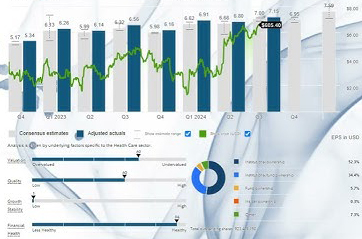
Despite all the negativity, UnitedHealth Group continues to grow. The company’s revenue grew more than 9% over last year’s Q3 numbers. Even after the cyberattack, Optum grew by more than $2 billion. According to UnitedHealth Group CFO John Rex, the growth is due to an increase in both the number and type of care services offered. Optum operates three subsidiaries, OPtum Health, OptumRx, and OptumInsight, with total revenue of $63.9 billion.

CyberAttack did not Impact Earnings

According to the Q3 financial statement, per share earnings of $6.51 include the cyberattack impacts. The annual adjusted net earnings outlook for 2024 is between $27.50 and $27.75, in line with earlier projections. The 2024 net earnings outlook reflects both the selling of South American properties and the impacts from the Chnage Healthcare cyberattack. Net earnings outlook is $15.50 to $15.75 per share.

UnitedHealth Group Earnings

More UnitedHealth Group Acquisitions on the Horizon

UnitedHealth Group CEO Andrew Witty said the company is using a five pillar growth strategy. They will continue to spend money acquiring companies for United Healthcare, value-based care, pharmacy businesses, financial services, and what he called “technology-ed opportunities.

Meanwhile...

While UnitedHealth Group and Optum post higher revenue and cash flow and their shareholders se an increase in per share earnings, subscribers to UnitedHealth insurance plans are losing. Monthly premiums and annual deductibles for Medicare Part B increased from 2023 to 2024. Part B standard premiums are expected to increase by almost 6% in 2025. For seniors with higher income, the adjustment amount will go up to $74 per month, making monthly premiums jump to $259. The base beneficiary premium for Part D also increased in 2024 and will again for 2025.

Keeping it in the Family

Effective September 1, 2024, UnitedHealthcare started requiring prior authorization for Medicare Advantage member to receive PT, OT, and ST services when performed outside of the home. Not surprisingly, United Health owns multiple practices that offer PT, OT, and ST at home. Those services don’t require prior authorization. UnitedHealth Group is enjoying higher revenue, higher net income, and is funneling the money from insurance premiums back into its own pocket.

Go for the Gold

This announcement came just after UHC announced a gold card program to reduce prior authorization requirements. The gold card program started October 1st and was supposed to reduce the prior authorization request volume for provider groups. Providers groups who are in-network, have a minimum number of prior authorizations for two years, and have at least a 92% approval rate qualify for gold status. 

Final Thoughts

Home health agencies are struggling to survive with lower payment rates from Medicare plans and operating in the negative under Medicare Advantage plans. Physician practices, surgery centers, urgent care, and pharmacy benefit managers are operating under UHC for even greater profits. More patients are seeing delays in care due to increased prior authorization requirements, unless the patient is seeing a caregiver owned by UHC. Shareholders are getting increased per share revenues. Perhaps there’s a solution hidden in the math there somewhere.

# # #

Kristin Rowan, Editor

Kristin Rowan has been working at Healthcare at Home: The Rowan Report since 2008. She has a master’s degree in business administration and marketing and runs Girard Marketing Group, a multi-faceted boutique marketing firm specializing in event planning, sales, and marketing strategy. She has recently taken on the role of Editor of The Rowan Report and will add her voice to current Home Care topics as well as marketing tips for home care agencies. Connect with Kristin directly kristin@girardmarketinggroup.com or www.girardmarketinggroup.com

©2024 by The Rowan Report, Peoria, AZ. All rights reserved. This article originally appeared in Healthcare at Home: The Rowan Report. One copy may be printed for personal use: further reproduction by permission only. editor@therowanreport.com

Not All Superheroes Wear Capes

by Kristin Rowan, Editor

Some Superheroes are Software Solutions Providers

In August, I had the pleasure of attending the Kantime Superheroes for Success user experience. In the year since I’ve taken over The Rowan Report, I’ve only attended two user events, but I have been an event producer since 2016. The Kantime team delivered a top-notch event that took great care of its attendees.

Education

Of course, there was a fair bit of education centered around the Kantime solution. This was not unexpected, nor unwelcome, as many of the attendees were agency owners actively seeking a new software solution. However, the educational sessions were balanced between Kantime and industry information.

Guest speakers addressed the Home Health Final Rule, the Hospice CAP, Red Flags to spot turnover risk, pediatric care, and more. These breakout sessions followed the opening day general session with Bill Dombi, NAHC President, who provided updates on regulatory issues and the merging of NAHC and NHPCO.

Table Talk and Learning Labs

A unique feature of the Kantime Experience were the open table talk sessions and learning labs. KanTime experts were available to sit with software shoppers to provide insight into each of the Kantime lines of business. For agency owners and executives who are shopping for the right EMR, talking to users rather than sales people is often a good way to get in-depth information in an honest forum. 

Vendors

The general session room was lined on three sides with vendors of many kinds. There were AI solutions, educational companies, billing experts, and more. What was especially nice about this event was the amount of time provided to speak with the vendors throughout the day. 

Closing in Style

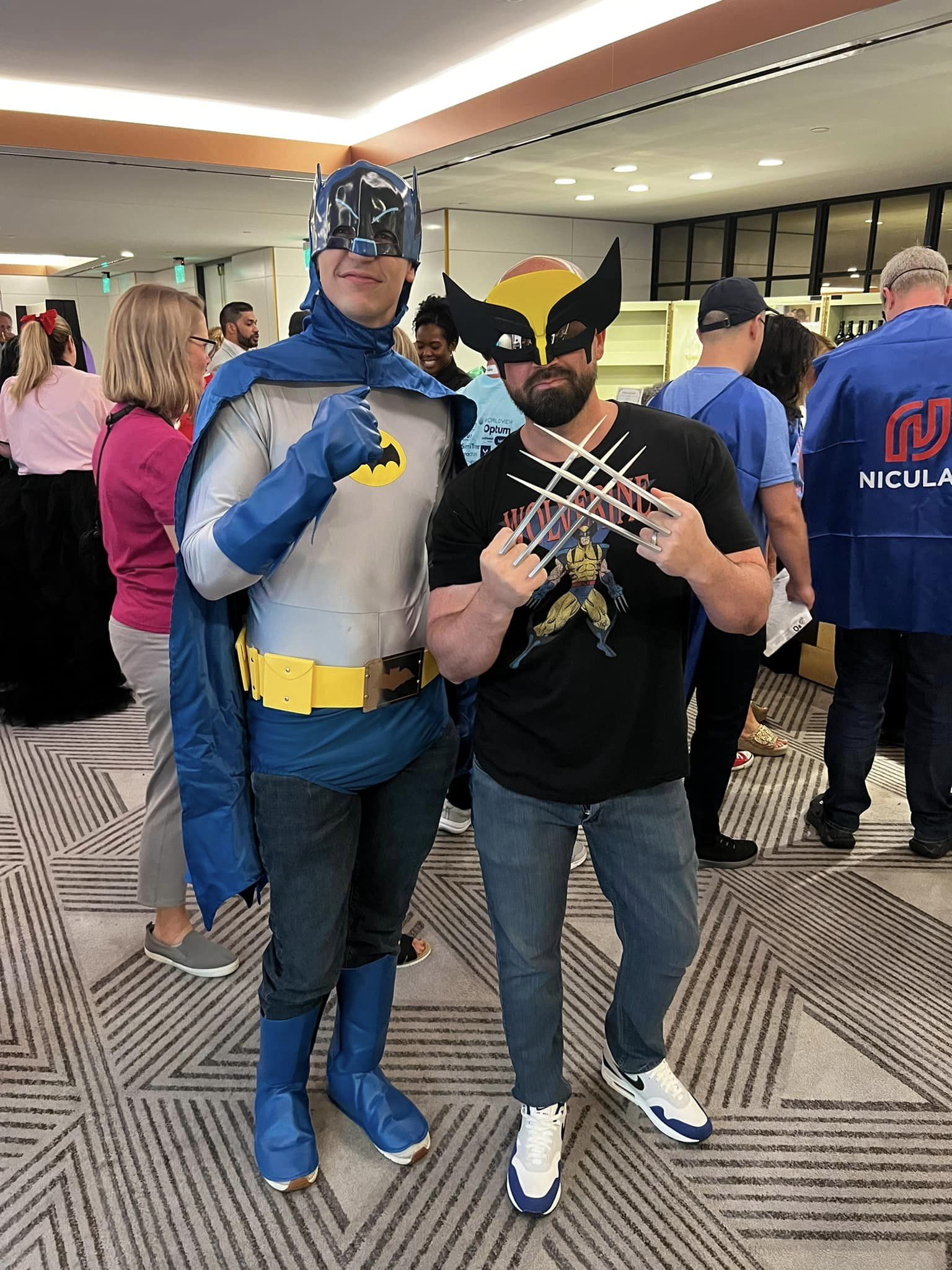
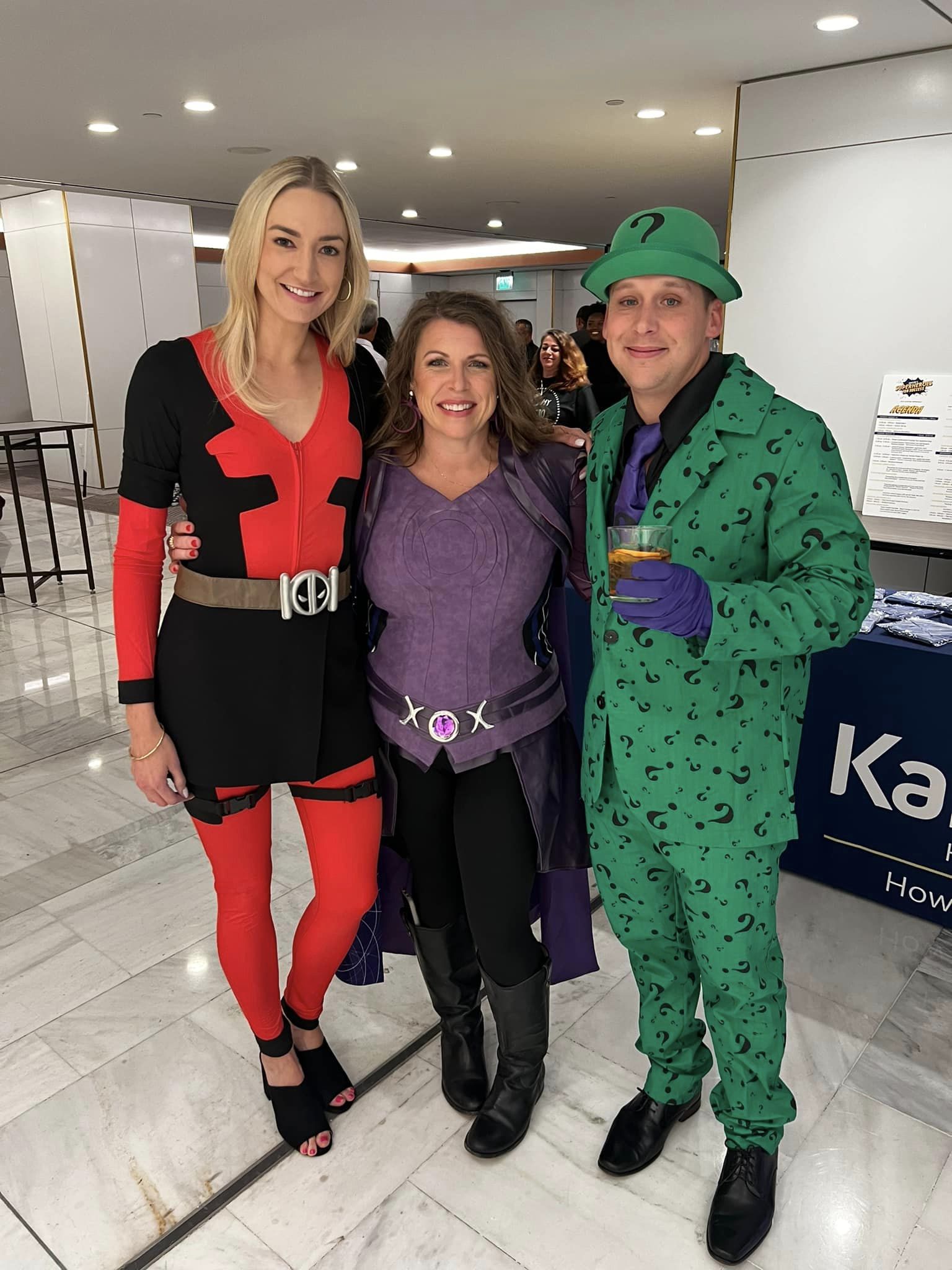
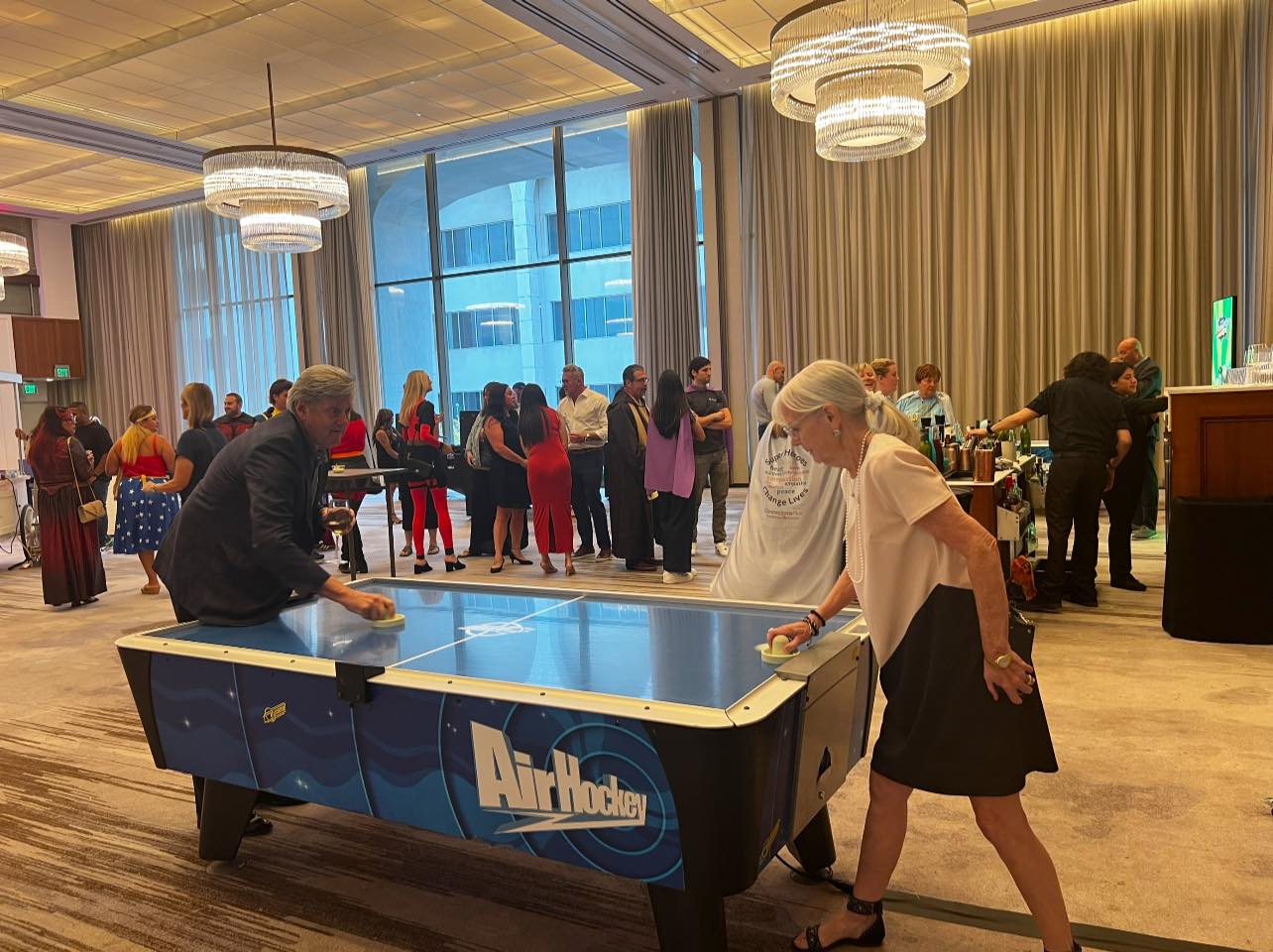
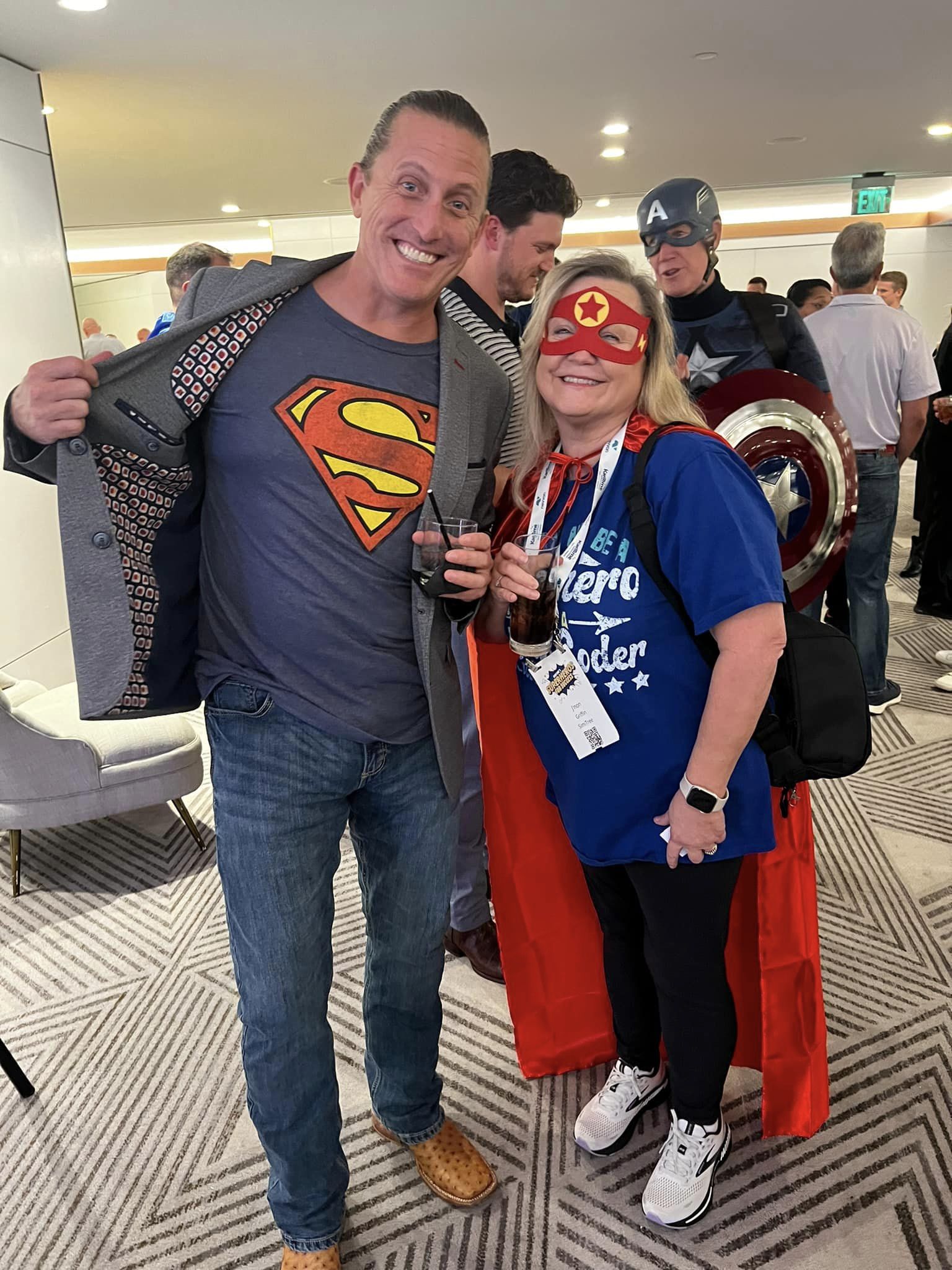
The team at Kantime not only provided candid talk about software updates and integrations with partners, but also planned a top-notch Happy Hour and Game Night mid-way through the event. Attendees arrived in superhero costumes from Batman to Obi-Wan. Arcade games, carnival food, costume contest, and DJ rounded out the night. We even caught Bill Dombi and his wife in a spirited round of air hockey. 

Final Thoughts

After attending this event, user experiences and user group meetings have a high bar set for them. I look forward to seeing what other software solutions providers have in store. From an agency perspective, I spoke with many of the attendees about the experience they had. All of them expressed how helpful the event had been in helping them in the decision-making process. Regardless of the software you are considering, attending a user group meeting or experience is a recommended route to gain valuable insight from other agencies who are already using the software you are considering.

A big thank you to the team at Kantime for their invitation and hospitality. I can’t wait to see what they come up with for 2025!

Kantime Superheroes
Kantime Superheroes
Kantime Superheroes
Kantime Superheroes<br />
Kantime Superheroes

# # #

Kristin Rowan, Editor

Kristin Rowan has been working at Healthcare at Home: The Rowan Report since 2008. She has a master’s degree in business administration and marketing and runs Girard Marketing Group, a multi-faceted boutique marketing firm specializing in event planning, sales, and marketing strategy. She has recently taken on the role of Editor of The Rowan Report and will add her voice to current Home Care topics as well as marketing tips for home care agencies. Connect with Kristin directly kristin@girardmarketinggroup.com or www.girardmarketinggroup.com

©2024 by The Rowan Report, Peoria, AZ. All rights reserved. This article originally appeared in Healthcare at Home: The Rowan Report. One copy may be printed for personal use: further reproduction by permission only. editor@therowanreport.com

Vendor Watch: An Interview with Stephen Vaccaro

by Kristin Rowan, Editor

The Future of HHAeXchange

Earlier this month, we announced that HHAeXchange acquired Sandata. This announcement came not long after the announcements that they had acquired Cashé and Generations. Last week, The Rowan Report sat down with Stephen Vaccaro, President of HHAeXchange to talk about this latest acquisition and what it means for HHAeXchange going forward.

Stephen Vaccaro: On the Record

The Rowan Report:

Stephen, thank you for meeting with me today. I’m sure you are quite busy with this latest news. What can you tell us about the acquisition of Sandata?

Stephen Vaccaro:

We’re very excited about all of the changes we’ve made this year. We were excited about Cashé and Generations, and we’re excited about Sandata. Sandata is larger, in scale, than the other two. They operate at the state level, in managed care, and with providers.

RR: 

How will this acquisition impact what HHAeXchange is doing? 

HHAeXchange Sandata Vaccaro
Stephen:

HHAeXchange recognized the need for more standardization in the industry. It’s been so fragmented for so long. We need better data and better insights to deliver better care. The combined footprint of HHAeXchange and Sandata puts us in the position to deliver on that.

HHAeXchange Sandata Vaccaro
RR:

What immediate changes should we expect to see?

Stephen:

Sandata as a brand will continue to exist, just under the HHAeXchange brand now. We have no plan to make any changes to the technology or the teams. We’ve spoken to the state and managed care clients and they are excited about this as well. They will continue working with the teams they know and the technology they know.

RR:

Do you anticipate more changes down the road?

Stephen:

Over the next six to twelve months, we will evaluate the technology to assess where it can be put to best use. We expect to see some thoughtful consolidations that are well thought out and communicated to all. We have no plan to get rid of Sandata or make anyone leave the platform. As we are consolidating these technologies, we’re taking the expertise of each of these great organizations into one integrated platform. We think what you’ll see is the new standard for homecare management, driving innovation and efficiency across the industry. This, in turn, helps deliver better care in the home.

RR:

I spoke with Paul Joiner, HHAeXchange CEO, after the acquisition of Cashé and Generations. At that time, he told me that those acquisitions were part of a larger strategy that comes with a bigger reveal. Now that the big reveal has happened, what can you tell us about the future of HHAeXchange?

Stephen:

We are focusing on operational efficiency so caregivers can focus on care and better outcomes. The message we want to share is that we are ensuring that there’s flexibility, inclusiveness, scalability within homecare management solutions to any stakeholder. We will never be the single solution for everyone, but we aim to be the best solution to adapt to regulatory changes and emerging trends and make sure that we’re building trust and confidence and demonstrate the commitment that we’re making to ensure best in class software. We believe the path we’re on is transformative for the industry.

RR: 

It sounds like there may be more announcements in the future. I’m excited to see what you do next. Thank you for talking with The Rowan Report.

# # #

Kristin Rowan, Editor

Kristin Rowan has been working at Healthcare at Home: The Rowan Report since 2008. She has a master’s degree in business administration and marketing and runs Girard Marketing Group, a multi-faceted boutique marketing firm specializing in event planning, sales, and marketing strategy. She has recently taken on the role of Editor of The Rowan Report and will add her voice to current Home Care topics as well as marketing tips for home care agencies. Connect with Kristin directly kristin@girardmarketinggroup.com or www.girardmarketinggroup.com

©2024 by The Rowan Report, Peoria, AZ. All rights reserved. This article originally appeared in Healthcare at Home: The Rowan Report. One copy may be printed for personal use: further reproduction by permission only. editor@therowanreport.com

Vendor Watch: HealthRev Partners and Trella Health Announce Partnership

FOR IMMEDIATE RELEASE

Media Contacts:

HealthRev Partners: Hannah Vale
hvale@healthrevpartners.com

Trella Health: Lauren Corcoran
press@trellahealth.com

HealthRev Partners and Trella Health Announce Partnership to Empower Home Health and Hospice Agencies

Driving financial health and strategic growth with complementary solutions in revenue cycle management and market intelligence.

OZARK, Mo. and ATLANTAOct. 17, 2024 /PRNewswire/ — HealthRev Partners, the leading revenue cycle management partner specializing in innovative, tech-driven solutions for home health and hospice agencies, and Trella Health, the leading provider of market intelligence and Customer Relationship Management (CRM) solutions for the post-acute care industry, have announced a new partnership.

HealthRev Partners and Trella Health will collaborate to help agencies reach their full potential by cultivating stronger relationships with referral sources and optimizing their revenue cycle through complementary solutions.

This collaboration brings together HealthRev Partners’ financial expertise and revenue cycle management solutions — helping agencies maximize reimbursements, streamline operations, and drive predictable revenue — with Trella Health’s integrated market intelligence and CRM solutions, which enable agencies to enhance growth strategies, improve referral relationships, and gain valuable insights into their market and competitive landscape.

In Their Own Words

Together, we can equip agencies to achieve better financial health and improve their competitive positioning.

HealthRev Partners Trella Health

“Our collaboration with Trella Health represents a significant leap forward for home health and hospice agencies. By combining our financial expertise and revenue cycle management solutions with access to Trella’s market insights and CRM platform, we are providing agencies with a powerful toolkit to optimize their financial performance, drive growth, and ultimately deliver better patient care,” said Michael J. Greenlee, founder and CEO of HealthRev Partners.

Jess Chew, GM, PAC Provider Growth at Trella Health, added, “The partnership underscores both companies’ commitment to supporting providers by delivering industry expertise and advanced technology to address the unique challenges facing home health and hospice agencies today. By combining our strengths, we can equip agencies to achieve better financial health and improve their competitive positioning.”

By leveraging their combined expertise, this partnership will help home health and hospice agencies uncover financial opportunities and optimize efficiencies — from referral growth to revenue management.

# # #

About HealthRev Partners

HealthRev Partners is a leading provider of revenue cycle management solutions for home health and hospice agencies, dedicated to improving financial performance and operational efficiency in the post-acute care sector.

About Trella Health

Trella Health’s unmatched market intelligence and purpose-built CRM allow post-acute providers, HME, and Infusion organizations to drive more effective performance and growth. Trella’s solutions allow post-acute, HME, and Infusion organizations to identify the highest-potential referral targets, evaluate new market opportunities, and monitor performance metrics. Paired with CRM and EHR integrations, business development teams can better manage referral relationships to advance their organizations with certainty by improving their sales and marketing strategy.

This press release was originally printed by Trella Health and is reprinted with permission. For more information or to reprint this content, please contact one of the media contacts listed above.

Patient Preference by Race or Nationality

This article provides updated information about a discrimination case filed against a home care agency by the EEOC. The Rowan Report published the initial press release and article last year.

by Elizabeth E. Hogue, Esq.

What to do When Patients Don't Want Caregivers of Certain Races or Nationalities

The Equal Employment Opportunity Commission (EEOC) sued ACARE HHC, Inc.; doing business as Four Seasons Licensed Home Health Care Agency in Brooklyn, New York. The EEOC claimed that the Agency removed home health aides from work assignments based on their race and national origin to accommodate clients’ preferences in violation of the Civil Rights Act of 1964 [EEOC v. ACARE HHC d/b/a/ Four Seasons Licensed Home Health Care, 23-cv-5760 (U.S. District Court for the Eastern District of New York)]. 

This case recently settled, and Four Seasons will pay a whopping $400,000 in monetary relief to affected home health aides! The Agency must also update its internal policies and training processes related to requirements of the Civil Rights Act, stop assigning home health aides based on clients’ racial or nationality preferences, and provide semi-annual reports to the EEOC about any reports or complaints received about discrimination.

Aides Removed from Assignments

According to the EEOC, Four Seasons routinely responded to patients’ preferences by removing African American and Latino home health aides based on clients’ preferences regarding race and national origin. Aides removed from their assignments would be transferred to new assignments, if available, or, if no other assignments were available, would lose their employment altogether. The lawsuit asked for both compensatory and punitive damages, and for an injunction to prevent future discrimination based on race and national origin. The EEOC says that “Making work assignment decisions based on an employee’s race or national origin is against the law, including when these decisions are grounded in preferences of the employer’s clients.”

Patient Preference Race Nationality

As many providers know, patients’ preferences for certain types of caregivers are common. Experienced managers have been asked by patients not to provide caregivers who are, for example, “foreign.” Such requests should generally be rejected, especially when they involve discrimination based upon race, national origin, religion, or any other basis commonly used to treat groups of people differently. Legally and ethically, providers should not engage in such practices.

Exception to the Rule

There is one exception to this general rule that occurs when patients ask for caregivers of the same sex as the patient based upon concerns about bodily privacy. It is then acceptable to assign only same-sex caregivers to patients who have made such requests.

Risk Management

In addition to concerns about discrimination, providers must also be concerned about risk management when they honor such requests. Especially in view of increasing staff shortages, limitations on available caregivers may mean that patients’ needs cannot be met by staff members who are acceptable to patients. In view of staffing shortages, the fewer caregivers who are permitted to care for certain patients, the more likely it is that patients’ needs will go unmet. Unmet patient needs are, in turn, likely to significantly enhance the risk associated with providing care to patients.

Preferences at Home

Perhaps the pressure to honor patients’ requests is at its greatest when patients receive services at home. Patients who will accept any caregiver assigned to them in institutional settings somehow feel that they have the right to decide who may provide services in their homes. On the contrary, with the exception noted above, staff assignments should be made without regard to client preferences for services rendered at home, just as assignments are made in institutional settings.

Agency Response

How should managers respond when patients tell them not to assign any “foreign” nurses to them? First, they should explain that the organization does not discriminate and that to avoid assignments based on cultural or racial background may constitute unlawful discrimination. Then staff should explain that if limitations on caregivers were acceptable, the provider may be unable to render services to the patient at all because they may not have enough staff. The bottom line is that staff will be assigned without regard to patient preferences in order to prevent discrimination and to help ensure quality of care.  

Patients’ requests and managers’ responses must be specifically documented in patients’ charts. Documentation that says patients expressed preferences for certain caregivers or rejected certain types of caregivers is too general. Specific requests and responses of management must be documented. 

Monitoring the Patient

After patients have expressed what may amount to prejudice against certain groups of caregivers, managers must follow up and monitor for inappropriate behavior by patients directed at caregivers who are not preferred. Managers should be alert to the potential for this problem and should follow up with patients and caregivers to help ensure that caregivers are receiving the respect they deserve. Follow-up activities and on-going monitoring should also be specifically documented.

From the EEOC

“Employers cannot make job assignment decisions based on a client’s preference for a worker of a particular race or national origin. It is imperative for employers to have policies, training and other safeguards in place that help prevent a client’s prejudices from influencing their employment decisions.”

-EEOC Representative

Final Thoughts

Caregivers are a scarce commodity. Providers cannot afford to lose or alienate a single caregiver based upon discrimination or inappropriate behavior by patients.


# # #

Elizabeth E. Hogue, Esq.

Elizabeth Hogue is an attorney in private practice with extensive experience in health care. She represents clients across the U.S., including professional associations, managed care providers, hospitals, long-term care facilities, home health agencies, durable medical equipment companies, and hospices.

©2024 by The Rowan Report, Peoria, AZ. All rights reserved. This article originally appeared in Healthcare at Home: The Rowan Report. One copy may be printed for personal use: further reproduction by permission only. editor@therowanreport.com

©2024 Elizabeth E. Hogue, Esq. All rights reserved.

No portion of this material may be reproduced in any form without the advance written permission of the author.

Home Care Patient Dies in Care: Aide Arrested

by Kristin Rowan, Editor

Elderly Patient Needs 24-hour Care

In Polk County, FL, an 86-year old man, identified only as Mr. Anderson, was hopsitalized and diagnosed with congestive heart failure. In addition to receiving care from Good Shepherd Hospice, his family hired round-the-clock care through Assisting Hands. The home health aides were caring for Mr. Anderson in 12-hour shifts. 

Night Shift

Beatrice Taylor arrived for her night shift at 9 p.m. She noted that Mr. Anderson and his wife were already in bed, but not sleeping. Shortly after the day aide left, Taylor fell asleep on the couch in the living room of the patient’s home. Company policy states she was responsible for the patient’s care and should not have been sleeping.

An Avoidable Tragedy

Taylor was awakened by a “thump” coming from the bedroom. She entered the bedroom to investigate and found Mr. Anderson lying on his side, on the floor, with his head wedged between the nightstand and the bed. Taylor told investigators that she tried to help him back into the bed. He told her not to touch him, so she left him there and went back to sleep on the couch. She did not call 911, as was the policy of Assisting Hands in the event of an emergency. Nor did she call her agency or anyone else to assist. 

Four Hours Later

Taylor woke up somewhere between 3:45 a.m. and 4:53 a.m. that morning. At some point, she called her parents and had a 36 minute conversation. During that conversation, she decided to check on the patient and found him still on the floor, but now unresponsive. It was her parents who suggested she call 911.

Contrary to both her parents’ urging and her employer’s policy, Taylor still did not call 911. Instead, she called Assisting Hands and left a message through the company portal. Taylor finally called 911 at 5:37 a.m., more than four and a half hours after Mr. Anderson fell.

The implanted pacemaker found during autopsy showed that Mr. Anderson was still allive at 1:oo a.m. when Taylor initially found him. The autopsy also concluded that he would have survived if Taylor had called 911 right away. His official cause of death was positional asphyxia with pre-existing health conditions listed as contributory causes.

Home Health Aide Arrested

Not actual image from story

Company Policies Broken

During the course of their investigation, detectives reviewed the Assisting Hands employee policies. That investigation uncovered several policies that Taylor violated:

  • If a patient falls, home aides are required to seek help which may entail calling 9-1-1. Home aides must notify the company as soon as the patient is safe
  • Home aides are not permitted to sleep during their assigned shift unless it is a “live in” shift
  • Home aides are required to submit care notes using the company portal throughout their shift to ensure assigned services are being followed appropriately.

The 911 call that Taylor placed at 5:37 a.m. should have been placed at 1:00 a.m.
Assisting Hands confirmed to detectives that this was not a “live in” shift
No information was provided as to whether Taylor submitted care notes during the shift.

Arrested Development

Taylor worked for Assisting Hands for eight months, but did not show up for her shift following the incident with Mr. Anderson. Assisting Hands has since terminated her employment. She was a licensed home health aide, but does not have a medical license, nor is she a nurse. 

Taylor was arrested by detectives and made several statements about her innocence. She insisted she had done nothing wrong saying she, “didn’t kill that man.” A paramedic who responded to her 911 call overheard Taylor on the phone say, “he was old anyway so what does it matter.” Taylor remains in custody at the Polk County Jail and is being held without bond.

Polk County Sheriff

The complete disregard for Mr. Anderson’s life by the person who was employed by his family is completely outrageous, and egregious. I believe someone who was not even being paid to look after this elderly man would have immediately dialed 9-1-1 under these circumstances. Her behavior and attitude are simply deplorable. Mr. Anderson’s family members are in our prayers.”

Grady Judd

Sheriff, Polk County Sheriff's Office

Risk Fall

In 2021, more than 38,000 older adults died from falls. This is the leading cause of injury death for adults aged 65 and older. The death rate increased 41% between 2012 and 2021. You can read more about the risk of falling and what one company is doing to help prevent falls in our accompanying article this week, an interview with Dr. Ann Wells of InnovAge.

# # #

Kristin Rowan, Editor

Kristin Rowan has been working at Healthcare at Home: The Rowan Report since 2008. She has a master’s degree in business administration and marketing and runs Girard Marketing Group, a multi-faceted boutique marketing firm specializing in event planning, sales, and marketing strategy. She has recently taken on the role of Editor of The Rowan Report and will add her voice to current Home Care topics as well as marketing tips for home care agencies. Connect with Kristin directly kristin@girardmarketinggroup.com or www.girardmarketinggroup.com

©2024 by The Rowan Report, Peoria, AZ. All rights reserved. This article originally appeared in Healthcare at Home: The Rowan Report. One copy may be printed for personal use: further reproduction by permission only. editor@therowanreport.com

National PACE Awareness and National Fall Prevention Month

by Kristin Rowan, Editor

New Fall Prevention Study: An Interview with Dr. Ann Wells

Fall Prevention Month

September was National Fall Prevention month. Accidental falls are the number one cause of injury and death among adults over the age of 65. Fall Prevention month attempts to raise awareness on preventing falls, reducing the risk of falls, and helping older adults live without the fear of falling. The National Council on Aging also promotes advocacy on behalf of fall prevention funding and offers training and other materials to help prevent falls. Read our complimentary article this week about a nurse charged in the death of a patient who fell here.

National PACE Awareness Month

September was also PACE Awareness Month. The Program of All-Inclusive Care for the Elderly )PACE) is a Medicare and Medicaid program that helps seniors with long-term care needs to live independently and age in place. The program includes an interdisciplinary team of professionals working together to coordinate care. There is no co-pay, deductible, or coverage gap and the amount paid each month doesn’t change, no matter what care services the patient needs. All Medicare and Medicaid services are covered as well as medically-necessary care and services that are not typically covered. Coverage includes prescription drugs, doctor care, transportation, home care, checkups, hospital visits, and nursing home stays when necessary.  Access more information about PACE here.

InnovAge Fall Prevention Dr. Wells

InnovAge has been tapped to participate in a fall prevention study. The study is conducted by LeaHD, a research and training center established in partnership with Brown University, Boston University, and University of Pittsburgh in the Center on Health Services Training and Research. The Rowan Report sat down with Dr. Ann Wells, Chief Quality and Population Health Officer of InnovAge. Dr. Wells said of the study, “[it] will help us better understand the multi-faceted factors contributing to falls among seniors and develop intervention strategies tailored to their unique needs.”

Dr. Ann Wells, Chief Quality and Population Health Officer

Rowan Report:

Dr. Wells, thank you for taking the time to speak with me today. Why don’t we start with a little background on you. How did you come to be involved in elder care and PACE programs?

Dr. Ann Wells:

By trade, I am in internal medicine doctor, focused on the geriatric population. I have spend 20 years in medical leadership working in population health. Population health is the approach to healthcare that evaluates and improves outcomes in subgroups with similar needs and the populations as a whole through team care and analytics. Through my work in medical leadership and population health, I was approached by InnovAge to be part of their leadership team.

RR:

You mentioned the PACE program. What do you think is the key difference, or differences, between PACE programs and other types of senior care?

Ann:

The PACE model is health care’s best kept secret and we don’t want it to be a secret anymore. Most patients and families don’t want institutional care. 86% of seniors value remaining in the communities in which they live.

In order to qualify for PACE programs, the patient has to qualify for nursing home levels of care. The program delivers services designed to help them stay in the community. PACE leverages an 11-member interdisciplinary team that includes a primary care provider, a registered nurse, a driver, a master-level social worker, PT, OT, a dietician, a PACE center manager, a home care coordinator, and a personal care attendant. The team coordinates care for medication, medical care and transportation with wrap-around social support and in-home support to help with bathing, shopping, and dressing. They also coordinate specialty care, make appointments with contracted specialists, provides transportation and a chaperone if needed, sends medical records in advance of the appointment, and gets notes back from the specialist.

Participants can come to a center for primary care, PT, or OT. They can also enjoy the center for socialization and activities. Patients provide permission to talk to each caregiver to make sure they are getting the care they need. Almost 90% of patients are dual-eligible. Roughly 10% are Medicaid only. The small remainder are Medicare only and pay the difference out of pocket.

RR:

There is a lot of information about the PACE program that I didn’t know before. Thank you for that. Can you tell us a little about InnovAge?

Ann:

InnovAge is the largest provider of the PACE program based on number of participants. They are both a delivery arm and a health plan. InnovAge administers care from 20 centers in six states.

RR:

And what your role is as Chief Quality and Population Health Officer?

Ann:

The Clinical Value Initiative aims to ensure the company is managing revenue and participant expenses including risk adjustments, ensuring the most accurate risk score, resource management, payment integrity or a claims audit process, and network optimization. Through these initiatives, the average inpatient rate for hospital admissions was 5.5% and the average time from enrollment to placement in a nursing home is three years. These initiatives and the PACE program are reducing hospitalizations for participants and keeping patients in their homes and in their communities longer.

RR:

September was National Fall Prevention Month. The number of injuries and deaths due to falls among seniors over age 65 is staggering. But, InnovAge, using the PACE model, has reduced falls. How does that program work?

Ann:

Any fall that has a major fracture is very difficult to recover from. InnovAge leverages the STEADI program. Stopping Elderly Accidents, Deaths, and Injuries (STEADI). This program includes screening, assessing, and intervening.

Screening

All participants are asked intake questions to screen for risk. Have you fallen in the last year? Do you have a fear of falling? Statistically, once a patient has fallen once, the risk is much higher for another fall.

Assessing

At enrollment, and again yearly, the patient receives an in-home assessment with an environmental safety evaluation. We look at things like lighting, rugs, grip bars, ramps, a non-slip rug in the bathroom. PACE arranges for installation and payment for any items they might need to lower the risk of falls. OT & PT conduct yearly evaluations as well. Do they need a walker? Do they have proper footwear? Have they had a recent eye screening and do they have glasses? They also evaluate leg strength and balance. If there is a deficit, the patient can do PT at the center.

In addition to the in-home assessment, we conduct a root cause analysis if there is a fall to determine why they fell and what they need to prevent a future fall. Clinical pharmacists also evaluate medicine regiments and optimize medications to reduce or eliminate side effects and improve safety.

Intervention

When there is a patient at high risk for a fall, due to any of the factors we find in the screening and assessment, we employ some intervention. PERS units, emergency alert pendants and wristwatches, are provided for high-risk patients. Units with fall detection and emergency activation buttons place automatic calls to a call center. The call center will try to contact the patient and send an ambulance if they can’t be reached or need assistance.

RR:

InnovAge has recently been selected to participate in a national study for the prevention of falls. Tell us about that study and how InnovAge will participate.

Ann:

LeaHD approached InnovAge to help improve their training for chronic care. InnovAge has a population that aligns with their research. The research topic is to evaluate whether they can predict risk of falling with new enrollees. From there, we will assess whether we can create more tailored interventions to lower risk. The hope is that the study will inform us, as an industry, what we should be asking a new patient to determine their actual risk of falling. In turn, the study will inform caregivers on how they can identify high risk patients and prevent future falls.

Fall Prevention InnovAge Dr. Ann Wells
RR:

What is the timeline and goal of the study?

Ann:

The study will run for one year, starting in October, 2024. There is a data scientist working on the project who will conduct and write the study. We are hoping to publish sometime in 2026. The goal is finding interventions; gaining insight on which systems can be executed to reduce the risk.

RR:

That sounds fascinating. I can’t wait to read the results of the study. Is there anything else about InnovAge that you’d like to share?

Ann:

Just that our mission is to help seniors live independently in the community and to advocate for the PACE model of care. We are excited to have three new centers – one in California and two in Florida. The goal is to spread the PACE model and grow the individual centers. InnovAge is the largest provider of PACE based on number of patients enrolled. We are dedicated to expanding and serving more seniors across the country.

RR:

Thank you, Dr. Wells for your time and your insight. It’s been a pleasure talking with you. Please stay in touch and keep The Rowan Report updated on the progress of your study.

# # #

Kristin Rowan, Editor

Kristin Rowan has been working at Healthcare at Home: The Rowan Report since 2008. She has a master’s degree in business administration and marketing and runs Girard Marketing Group, a multi-faceted boutique marketing firm specializing in event planning, sales, and marketing strategy. She has recently taken on the role of Editor of The Rowan Report and will add her voice to current Home Care topics as well as marketing tips for home care agencies. Connect with Kristin directly kristin@girardmarketinggroup.com or www.girardmarketinggroup.com

©2024 by The Rowan Report, Peoria, AZ. All rights reserved. This article originally appeared in Healthcare at Home: The Rowan Report. One copy may be printed for personal use: further reproduction by permission only. editor@therowanreport.com

InnovAge to Participate in Preventing Falls Study

Preventing Falls

FOR IMMEDIATE RELEASE

Media Contacts:                       Lara Hazenfield
InnovAge PR Manager
lhazenfield@innovage.com

John Eddy
Goldin Solutions for InnovAge
InnovAge@goldinsolutions.com

Leading PACE Provider InnovAge Selected to Participate in National Study Focused on Preventing Falls by Seniors

New LeaHD Study Advances as Industry Observes National PACE Awareness Month & Falls Prevention Month

DENVER, CO, Sept. 16, 2024 — InnovAge Holding Corp. (“InnovAge”) (Nasdaq: INNV), a leading Program of All-inclusive Care for the Elderly (PACE) provider, has been selected as a research partner for a national study exploring how to prevent falls by seniors. This September’s National PACE Awareness Month and Falls Prevention Month observances emphasize the impact of this timely and critical work aimed at reducing dangerous falls by seniors, as well as helping many others facing a wide range of health conditions.

According to the CDC, falls are the leading cause of injury and death among older adults, with one in four adults aged 65 and older experiencing a fall each year. InnovAge participants average 16% fewer falls than the National PACE Association’s estimated average1 through proactive screening, risk assessments, and personalized interventions designed to prevent falls. As the largest PACE provider (of enrolled participants), InnovAge provides comprehensive emotional, physical, and social support to older adults through 24/7, integrated care.

As the U.S. population aged 65 and older is projected to grow 47% by 2050, affordable and accessible alternatives to nursing homes, like PACE, are more important than ever. As part of InnovAge’s commitment to enabling seniors to age safely in their homes and communities, participants receive a holistic care approach that includes access to doctors, dentists, physical therapists, home health aides, dietitians, and social workers. By proactively addressing all of the complex factors that impact health, PACE aims to increase longevity and quality of life for older adults. For most eligible seniors, all medically necessary care and services are provided for free through PACE.

“We believe that the PACE model is integral to creating a safer, healthier, and more independent future for our seniors,” said Patrick Blair, CEO and President of InnovAge. “National PACE Awareness Month is an excellent opportunity to deepen our education efforts about the transformative benefits PACE offers participants and their families.”

“Our participation in the LeaHD study is a testament to our dedication to advancing research and evidence-based practices that directly impact senior health and safety,” said Dr. Ann Wells, Chief Population Health and Clinical Value Officer of InnovAge. “This study will help us better understand the multi-faceted factors contributing to falls among seniors and develop intervention strategies tailored to their unique needs.”

Preventing Falls InnovAge Dr. Ann Wells

InnovAge was selected by LeaHD, a research and training center established in partnership with Brown University, Boston University, and University of Pittsburgh in the Center on Health Services Training and Research (CoHSTAR). Dr. Wells and the LeaHD team will work collaboratively in the study to advance the training of scientists in rehabilitation and long-term services, focusing on fall risk prediction to enhance senior healthcare outcomes. Their combined research also includes efforts improve the lives of adults living with disabilities and chronic conditions. The study is expected to be completed in October 2025.

# # #

About InnovAge

InnovAge is a market leader in managing the care of high-cost, frail, and predominantly dual-eligible seniors through the Program of All-inclusive Care for the Elderly (PACE). With a mission of enabling older adults to age independently in their own homes for as long as safely possible, InnovAge’s patient-centered care model is designed to improve the quality of care its participants receive while reducing over-utilization of high-cost care settings. InnovAge believes its PACE healthcare model is one in which all constituencies — participants, their families, providers, and government payors — “win.” As of June 30, 2024, InnovAge served approximately 7,020 participants across 20 centers in six states. www.InnovAge.com

This press release was submitted to us by InnovAge and is reprinted by permission. See our accompanying article this week on the home care patient who died after a fall.