Updates on UnitedHealthcare CEO Shooting

Breaking News

by Kristin Rowan, Editor

Last Week

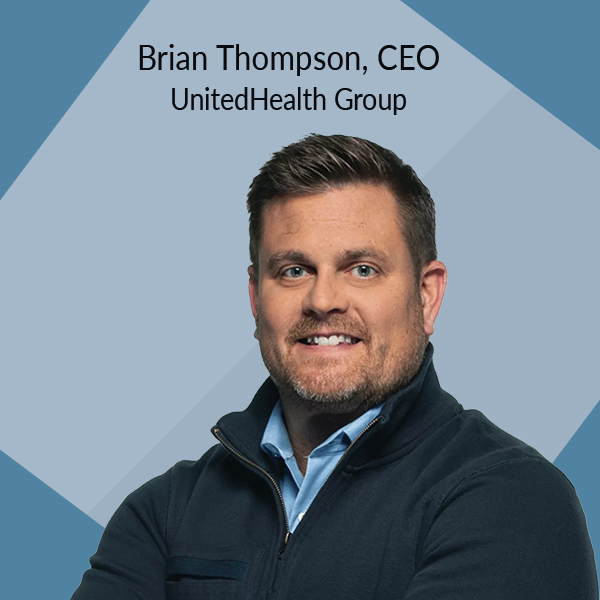
As most of the U.S. now knows, last week, UnitedHealthcare CEO Brian Thompson was shot and killed outside a hotel in Manhattan just hours before the UnitedHealth Group Investor Event. The Rowan Report provided the breaking news story with the information available at the time.

Manhunt

According to reports, after the shooting, a man fled the scene on foot and then rode an e-bike toward Central Park. Police were in pursuit based on early descriptions of the shooter and later on video footage of the shooting. The suspect was wearing a hoodie in the images of the shooting. Further investigation found a photo of the suspect in the lobby of a hostel where it is believed he stayed, smiling. Police followed the suspect into Central Park, where it is believed he got into a taxi and left the park.

He was later spotted at a bus station near the George Washington bridge.

Conflicting Images

Images obtained of the suspect taken inside the hotel show a man appearing to be in his 20s, wearing a dark  jacket with the hood up and a black face mask resting under his chin. An image of the suspect at a nearby Starbucks puts the suspect in a dark jacket with a black mask covering his mouth. Twenty minutes after the shooting, he is spotted getting into a taxi wearing a black jacket and a white surgical mask covering his mouth and nose. Conspiracy theories about why he would change his mask started circulating quickly.

Ongoing Investigation

A video shows the suspect entering the bus station near the George Washington Bridge. There is no video of him exiting the station. Police believe he got on a bus.

Meanwhile, police found a backpack in Central Park they believe belonged to the suspect. The investigation also discovered a cell phone that may be linked to the shooting. Early on Monday, December 9, police returned to Central Park with dive crews to search for evidence.

Delay, Deny, Defend

Delay Deny Defend by Jay M. Feinman is a book criticizing health insurance companies. The sub-title, “Why Insurance Companies Don’t Pay Claims and What YOu can Do About It,” supports the description of the book indicating that Feinman explains how to be more custios when shopping for policies and what to do when you have a disputed claim. Feinman also includes a play for the legal reforms he feels are needed to end the abuse.

NYPD officers found writing on the three shell casings left at the scene of the shooting. Initially reported as “Deny, Defend, & Depose”, police have now clarified that the permanent marker found on the casings read “Deny, Delay, & Depose.”

Former FBI agent Brad Garrett said he believes the shooter is “trying to send a message.” Police have not commented on what they think the words might mean. Meanwhile, “Deny Defend Depose merchandise appeared overnight, followed quickly by the corrected “Deny Delay Depose.”

Person of Interest

Around the time the dive crews arrived to search for clues in Central Park, a man entered a McDonald’s in Altoona, PA, nearly 280 miles away. An employee recognized him as the man from the photos and alerted local police. The person of interest, now identified as Luigi Nicholas Mangione, had a weapon, a mask, and writings that linked him to the shooting. The writings suggest he has issues with corporate America in general, and named several other people in the document in addition to Brian Thompson. He also had a fake ID that matches the one used to check in to the hostel in New York. Mangione has now been charged with Thompson’s murder.

unitedhealthcare CEO Thompson Person of Interest

Mangione was taken into custody by local police. Several members of the NYPD were later seen entering the police station in Altoona. As of Monday afternoon, Mangione was refusing to talk to police and did not have an attorney.

A DNA swab was taken and will be compared with DNA from a Starbucks cup found near the scene. Reports indicate Mangione will be extradited to New York. Mangione was denied bail and will remain in the Pennsylvania prison while he and his attorney fight the extradition to New York.

Additional information about Mangione surfaced on December 11. Mangione’s grandfather founded Lorien Health Services. The company, based in Maryland, operates six ALFs and eight nursing homes. Mangione often volunteered with the company in high school. Additionally, Mangione’s former roommate said in an interview that Mangione recently had surgery that was “heinous” and left him with multiple screws in his body. 

Public Outcry

The customary sentiments of comfort, sympathy, and condolences were pointedly absent in the days after Thompson’s death. Instead, stories of denied claims, limitations on access to care, and other frustrations with the industry flooded social media. Of the 60,000 reactions to the UnitedHealth Group post about Thompson’s death, 57,000 were laugh emojis.

Many industry professionals noted that the incident has brought up bigger issues with healthcare insurance in general. The Rowan Report previously wrote about UnitedHealthcare using AI in place of medical professionals to determine medical necessity. This resulted in a much higher than expected denial rate and more than 90% reversal of denials on appeal.

For more information on how healthcare might change after the shooting death of Brian Thompson, please see our complimentary article this week, “Will Thompson’s death change healthcare?”

# # #

Kristin Rowan, Editor

Kristin Rowan has been working at Healthcare at Home: The Rowan Report since 2008. She has a master’s degree in business administration and marketing and runs Girard Marketing Group, a multi-faceted boutique marketing firm specializing in event planning, sales, and marketing strategy. She has recently taken on the role of Editor of The Rowan Report and will add her voice to current Home Care topics as well as marketing tips for home care agencies. Connect with Kristin directly kristin@girardmarketinggroup.com or www.girardmarketinggroup.com

©2024 by The Rowan Report, Peoria, AZ. All rights reserved. This article originally appeared in Healthcare at Home: The Rowan Report. One copy may be printed for personal use: further reproduction by permission only. editor@therowanreport.com

Meet the CMS Administrator Nominee

Admin

by Tim Rowan, Editor Emeritus

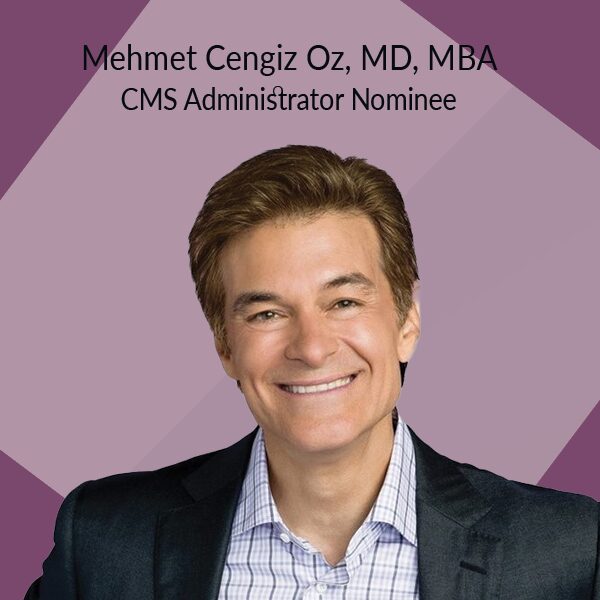
Mehmet Oz, MD, MBA is the CMS Administrator nominee in the new administration that assumes power on January 20. A popular TV personality and former gubernatorial candidate, the public side of Dr. Oz is well known, but the details of his life and his qualifications to head a $1.16 trillion government program less so. We reached out to the nominee’s PR firm on November 22 to request an interview but have not received a response. We gathered the following background information from his web site and other sources.

Heritage and Education

Mehmet Cengiz Öz was born on June 11, 1960 in Cleveland, Ohio, of Turkish immigrant parents. Raised in Wilmington, Delaware, he holds dual U.S. and Turkish citizenship and comes from healthcare roots. His father, Mustafa Oz, graduated at the top of his class at Cerrahpaşa Medical School in 1950 and moved to the United States to join the general residency program at Case Western Reserve University in Cleveland, where Mehmet was born. His mother, Suna Atabay, was the daughter of an Istanbul pharmacist.

Mehmet graduated with a biology degree from Harvard University in 1982. He earned an MD at the University of Pennsylvania School of Medicine and an MBA from Penn’s Wharton Business School in 1986. He completed his surgical training at NewYork-Presbyterian Hospital and served as a professor of surgery at Columbia University.

CMS Administrator Nominee Dr. Oz

Completing his general surgery residency and cardiothoracic fellowship at Columbia-Presbyterian Medical Center in New York City, Oz became an attending surgeon at NewYork-Presbyterian Hospital/Columbia University Medical Center in 1993. He was later appointed professor of surgery at Columbia University in 2001. An advocate for integrating alternative medicine with conventional practices, he co-founded the Cardiac Complementary Care Center in 1995.

During his time at New York-Presbyterian, Oz patented the Mitraclip, a small implantable clip that can be placed using a catheter to repair the heart’s mitral valve. Oz reported earning over $333,000 in royalties from that product in his 2022 disclosures.

Rise to Fame

Oz gained national attention through appearances on “The Oprah Winfrey Show.” Winfrey’s production company, Harpo Productions, and Sony Pictures produced the daytime syndicated program, “The Dr. Oz Show,” which debuted in 2009. It won 10 Emmy Awards during its run.

The program, which focused on health and wellness topics, aired until 2022, when he left it to run for the U.S. Senate in Pennsylvania, winning the Republican nomination and eventually losing to Democrat John Fetterman. Oz is also a prolific author, with eight of his books on the New York Times bestselling list. The Dr. Oz Show gained in popularity during its run but occasionally faced criticism for promoting unproven health products and practices.

Finances

Most of what can be learned about Oz’s personal finances comes from disclosures he made during his Senatorial campaign. He reported a salary of $2 million as host of The Dr. Oz Show and $7 million from his stake in Oz Media. He was also paid $268,000 as a guest host on Jeopardy in 2021. In addition to salaries, Oz and his wife, Lisa, reported investments in big tech, health care, private equity funds, and various real estate holdings.

Oz’s 2022 financial disclosures showed Amazon stock worth up to $25 million; Microsoft, Apple, and Alphabet (Google) stock, each valued up to $5 million, and Nvidia stock valued up to $1 million. He also owned stock in UnitedHealth Group worth up to $500,000, and in CVS Health (Aetna), valued at up to $100,000. They also owned shares in privately owned gas station and convenience store chain Wawa valued between $5 million and $25 million. His 2022 disclosures showed he earned $5 million in dividends from his investment in Wawa.

The Oz’s also reported a real estate portfolio that includes residential and investment properties in New Jersey, New York, Pennsylvania, Florida, Maine, and his parents’ native country, Turkey, each valued from $1 million to $25 million. His 2022 disclosures also showed an investment property in Palm Beach and a cattle farm in Okeechobee, Florida, worth up to $5 million each, and $500,000 worth of cattle.

In addition to these investments, Oz currently runs the non-profit organization HealthCorps, which trains teenagers to share the organization’s curriculum on mental health, physical health, and nutrition. He also serves as Global Advisor and Stakeholder at iHerb, a company that sells supplements, personal care, grocery, and beauty products.

CMS Administrator Nominee

What Kind of CMS Would Oz Create?

What we know of Dr. Oz’s opinions regarding Medicare and Medicaid we learned from his 2022 Pennsylvania campaign message. During that campaign, Oz was a vocal supporter of privatizing Medicare. In 2020, Oz co-wrote an opinion piece in Forbes, suggesting “an affordable 20% payroll tax” to fund a “Medicare Advantage For All” program that could replace private insurance.

His plan, co-authored with Steve Forbes, suggested a 20% payroll tax, half paid by the employer, which the government would use to purchase a Medicare Advantage plan for everyone. The proposal did not explain how this would replace private insurance as MA plans are administered by insurance companies. Of course, this was four years ago, before it was widely known that MA plans pad patient assessments and deny care at a higher rate than straight Medicare does.*

CMS Administrator Nominee Outlook

Uncertainties to keep watch over include the CMS Administrator’s supervision over Medicaid and negotiating Medicare drug prices. If confirmed by the Senate, Oz would have the power to approve states’ requests to change their Medicaid plans, such as adding work requirements for beneficiaries.

He will also oversee drug price negotiations. The Inflation Reduction Act gave CMS the power to negotiate with pharmaceutical marketers to reduce the price of popular medications for people covered by Medicare Part D. The first round of negotiations concluded in August, and the next slate of drugs up for negotiations will be announced in February.

In nominating Dr. Oz, the President-elect said Oz will “help cut waste and fraud.” Whether that goal or seeing to the health of the more than a third of Americans insured through CMS programs becomes Mehmet Oz’s priority should be the first question asked in his Senate confirmation hearings.

Statement from National Alliance for Care at Home

I congratulate Dr. Oz on his nomination for CMA Administrator, I believe it generally is a good thing for patient care when physicians engage in public service and public policy leadership. I am still learning about his priorities and approaches for CMS and am looking forward to speaking with him about the importance of a vibrant and growing care at home sector. Home care and hospice offers CMS the greatest win-win opportunity in American healthcare; people get the independence and dignity they want and deserve while the taxpayers and families save on the costs of unnecessary hospitalization and institutionalization.

Steve Landers, MD, MPH

Chief Executive Officer, National Alliance for Care at Home

# # #

Tim Rowan, Editor Emeritus

Tim Rowan is a 31-year home care technology consultant who co-founded and served as Editor and principal writer of this publication for 25 years. He continues to occasionally contribute news and analysis articles under The Rowan Report’s new ownership. He also continues to work part-time as a Home Care recruiting and retention consultant. More information: RowanResources.com
Tim@RowanResources.com

©2024 by The Rowan Report, Peoria, AZ. All rights reserved. This article originally appeared in Healthcare at Home: The Rowan Report. One copy may be printed for personal use: further reproduction by permission only. editor@therowanreport.com

BREAKING NEWS: UnitedHealth CEO Thompson Shot and Killed

Admin

by Kristin Rowan, Editor

United Health CEO in NY for Investor Event

On November 26, UnitedHealth Group announced it would host its annual Investor Conference for analysts and institutional investors in New York City on Wednesday, December 4, 2024. The purpose of Investor Day, according to the press release, was to discuss long-term growth priorities and the company’s efforts to advance high-quality health care, including expanding value-based care.

This morning, Wednesday, December 4, 50-year-old Brian Thompson, CEO of UnitedHealth Group’s insurance unit, arrived in midtown Manhattan in advance of the Investor Conference.

Targeted Attack

Mr. Thompson made his way to the Hilton Hotel for the meeting at approximately 6:45 a.m. The suspect had arrived on foot about five minutes prior. Several people recall passing him as he waited for Thompson to arrive. When Thompson approached the hotel, the suspect stepped from behind a car, approaching Thompson from behind, and fired several rounds. Thompson was struck at least once in the back and once in the leg. Reports state the suspect’s gun malfunctioned after the initial shots before he fired again.

The New York Police Department called it “a brazen, targeted attack.”

I want to be clear at this time, every indication is that this was a pre-meditated, pre-planned, targeted attack. This does not appear to be a random act of violence.

Jessica Tisch

Police Commissioner, New York Police Department

UnitedHealth Group Thompson

NYPD Officers stand near the entrance of the hotel where Brian Thompson was reportedly shot and killed in Midtown, New York City, December 4, 2024.

Shannon Stapleton / Reuters

Emergency Response

NYPD Officers responded to a call that a man had been shot outside the hotel. Officers arrived within 2 minutes of the call. When they arrived, they found Thompson on the sidewalk with gunshot wounds.

Emergency medical services arrived and transported Thompson to Roosevelt Hospital. He was pronounced dead at 7:12 a.m. ET.

UnitedHealth Group cancelled the Investor Day event immediately after the shooting.


From UHC

Lorie Burleson, Provider Advocate Account Manager at UnitedHealthCare, issued a statement on LinkedIn about the fatal shooting.

“This morning, we learned of the devastating loss of our CEO, Brian Thompson, who was tragically taken from us,” she wrote. “This is an unimaginable loss for UnitedHealth Group and for everyone who knew him.

“To my UHC family, my heart is with each of you during this incredibly difficult time. Let us come together to honor Brian’s legacy and support one another as we navigate this tragedy.”

In a statement Wednesday, UnitedHealth Group said it was “deeply saddened and shocked at the passing” of Thompson. The company called him a “highly respected colleague and friend to all who worked with him.”

Thompson UnitedHealth Group

About Brian Thompson

According to Daily Mail, Brian Thompson’s annual salary was $10 million. However, several outlets report he exercised more than $20 million worth of stock units in early 2024. Thompson had a net worth close to $43 million, according to multiple outlets.

Brian Thompson, 20 year veteran of UnitedHealthCare, is survived by his wife Paulette Thompson and their two children. Paulette indicated that Brian had received threats related to his job but that it did not deter him from maintaining his travel schedule.

This is an ongoing breaking story and The Rowan Report will continue to follow additional news.

About UnitedHealth Group

UnitedHealth Group, which owns Optum, which owns LHC group, is among the nation’s largest healthcare companies and provides health insurance, pharmacy benefits and healthcare services. The company is currently trying to acquire Amedisys as well, but has been held up by DOJ inquiries.

UnitedHealthcare provides coverage for more than 29 million U.S. individuals, according to their website. In 2024, United Healthcare ranked number 8 on the Fortune Global 500, and its parent company, UnitedHealth Group employs 439,000 people, generating $379.5 billion in revenue in 2024, according to Forbes.

# # #

Kristin Rowan, Editor

Kristin Rowan has been working at Healthcare at Home: The Rowan Report since 2008. She has a master’s degree in business administration and marketing and runs Girard Marketing Group, a multi-faceted boutique marketing firm specializing in event planning, sales, and marketing strategy. She has recently taken on the role of Editor of The Rowan Report and will add her voice to current Home Care topics as well as marketing tips for home care agencies. Connect with Kristin directly kristin@girardmarketinggroup.com or www.girardmarketinggroup.com

©2024 by The Rowan Report, Peoria, AZ. All rights reserved. This article originally appeared in Healthcare at Home: The Rowan Report. One copy may be printed for personal use: further reproduction by permission only. editor@therowanreport.com

BREAKING NEWS – HHAeXchange Acquires Sandata

Breaking News

HHAeXchange Acquires Sandata

FOR IMMEDIATE RELEASE

Contact:                                       Michelle Rand
Alloy on behalf of HHAeXchange
855-300-8209
hhaexchange@alloycrew.com

HHAeXchange Acquires Sandata Technologies, Enhancing Ability to Serve Homecare Providers, Payers, and Caregivers Nationwide

Best positioned to deliver transformative technology that accelerates the industry’s evolution and its ability to improve health outcomes

NEW YORK and PORT WASHINGTON, N.Y., Oct. 03, 2024  — HHAeXchange, a leader in homecare management solutions for providers, caregivers, managed care organizations (MCOs), and state Medicaid programs, today announced that it has acquired Sandata Technologies. With four decades of experience, Sandata provides solutions that serve the homecare industry. Together, HHAeXchange and Sandata are well-positioned to meet the growing need for home and community-based services (HCBS), with demand for personal care aides expected to rise by 43% between 2020 and 2035.

From HHAeXchange

We are excited to join forces with Sandata, who shares our commitment to enabling homecare stakeholders to deliver the highest quality of care to their members,” said Paul Joiner, Chief Executive Officer of HHAeXchange. “This acquisition further demonstrates our commitment to investing in and raising the bar for our customers, while leading the transformation of an industry that deserves best-in-class technology and a superior experience. We will leverage our expanded platform by innovating with states and health plans to enable providers and better health outcomes. By doing so, we will further empower the devoted caregivers who are at the heart of our industry.”

“Now is the time to harness the power of advanced technology to truly support providers and payers with their billing needs and compliance requirements – and ultimately, deliver on the promise of our industry.”

Paul Joiner

Chief Executive Officer, HHAeXchange

From Sandata

“For decades, Sandata has been dedicated to ensuring providers and payers can seamlessly work together to increase compliance, improve efficiency, and deliver high-quality care,” said Sandata’s Chief Executive Officer, Emmet O’Gara. “Joining HHAeXchange strengthens our commitment and represents an exciting new chapter for Sandata, positioning the new combined company for continued growth and innovation by enhancing the value we can deliver to our customers.” 

HHAeXchange Acquires Sandata

HHAeXchange’s transaction with Sandata builds on the company’s recent strategic acquisitions of Cashé and Generations. These investments collectively support HHAeXchange’s ongoing advancement of its mission to enable caregivers, families, providers, and payers to deliver the best care in the home. Paul Joiner, HHAeXchange’s CEO, will lead the combined business moving forward.

Financial terms of the transaction were not disclosed.

# # #

About Sandata

Sandata, now part of HHAeXchange, is the pioneering force in home and community-based care, consistently leading the way with innovative technology solutions. As a trusted leader, Sandata is deeply committed to addressing critical challenges in the sector by expertly connecting the homecare ecosystem. This commitment creates a positive and lasting impact on payers, providers, caregivers, and those who receive care.

Sandata’s industry-leading software, systems, and services optimize billing and claims processing for payers, streamline administrative processes for providers, and facilitate better experiences for caregivers and those who receive care. Sandata’s vision and commitment to transforming the industry continue to shape the future of care at home and in our communities, ensuring better outcomes for all involved.

About HHAeXchange

Founded in 2008, HHAeXchange is the leading technology platform for homecare and self-direction program management. Developed specifically for Medicaid home and community-based services (HCBS), HHAeXchange connects state agencies, managed care organizations, providers, and caregivers through its intuitive web-based platform, enabling unparalleled communication, transparency, efficiency, and compliance. For more information, visit hhaexchange.com or follow the company on TwitterLinkedIn and Facebook.

This information originally appeared on the HHAeXchange website and it reprinted with permission.

CMS Ransomware Attack: Breach of PII

Admin

by Kristin Rowan, Editor

CMS Ransomware Attack

In mid-2023, a planned file transfer went awry when Clop claimed to have breached hundreds of companies that they later listed on a data leak site. Among the companies listed were Shell, UnitedHealthcare Student Resources, The University of Georgia, and Putnam Investments. Also compromised were government entities including the U.S. Department of Energy. According to Clop, data from military sources, children’s hospitals, and other .gov sites was also copied. The ransomware group alleges they deleted all information from government, military, and children’s hospital sites.

Unfortunately, there is no way to confirm whether all that information was indeed deleted. Earlier this year, Change Healthcare suffered a similar widespread breach that caused massive payment delays for months. CMS provided guidance during those delays. 

Underreporting of Attack

Many of the companies impacted by this attack chose to disclose the breach rather than negotiate with the ransomware attackers to retrieve the stolen data. When Bleeping Computer reached out to those companies immediately following the attacks, a number of them indicated that only a small number of people were effected and that no financial or identifiable information had been stolen. It seems, now, though that not all companies involved in the attack were on the initial list.

Wisconsin Physicians Service (WPS) health insurance corporation was among the companies not listed when news of this attack was first published. WPS provides Medicare administrative services to CMS, including handling Medicare Part A/B claims. In the first week of September, nearly 3-1/2 months after the attack, CMS and WPS started notifying beneficiaries whose protected health information (PHI) or other personally identifiable information (PII) may have been stolen during the attack.

1,000,000 Notifications

On July 28, 2023, CMS estimated 612,000 Medicare beneficiaries may have had PHI and/or PII exposed in the breach. That number has increased to almost 1 million. CMS and WPS are sending notifications to more than 950,000 people whose information has been compromised. The letter explains further:

May 31, 2023, MOVEit disclosed the breach to the public and released a patch.

June 2, 2023, WPS notified CMS of a data breach that occurred sometime between May 27 and May 31, 2023.

According to WPS, they applied the patch but did not observe any evidence of any files having been copied.

July 28, 2023 CMS sends an initial letter to beneficiaries whose information may have been affected.

May 2024, WPS acted on new information that led them to discover copied files from before the patch was deployed.

Of the portion of breached files that WPS studied, none were found to have personal information.

June 8, 2024, a different portion of the files showed personal information was contained in those files. This information includes:

  • Name
  • Social Security Number or Individual Taxpayer Identification Number
  • Date of Birth
  • Mailing Address
  • Gender
  • Hospital Account Number
  • Dates of Service
  • Medicare Beneficiary Identifier (MBI) and/or Health Insurance Claim Number
CMS Clop Ransomware Attack

Note: in the initial letter sent to beneficiaries in July of 2023, CMS also listed Healthcare Provider, Prescription Information, Insurance Claims, Policy Information, Subscriber Information, Health Benefits, and Enrollment Information as possibly having been leaked. These items were removed from the list in the September 2024 version of the same letter.

For those who received this notification, CMS and WPS offered a complimentary year of credit monitoring from Experian. CMS also advised members to request their free credit report from each of the credit reporting companies.

The letter also informed members that they would soon receive a new Medicare card with a new Medicare Number. 946,801 people received this notice.

CMS Ransomware Attack Victims Not Notified

On September 24, 2024, Bleeping Computer reported that on the same day CMS sent more than 900,000 letters to members, they also reported to the Department of Health and Human Services that the total number of people with information stolen was 3,112,815. CMS explains the difference by saying the larger number includes Medicare beneficiaries, people who are deceased, and people who were covered by other providers but whose information was included in WPS data collection used for provider audits in their role as Medicare Administrative Contractors (MACs).

New MBIs and What it Means For You

According to a blog post dated September 26, 2024 from SimiTree, starting in mid-October, CMS will issue new Medicare cards with new Medicare Beneficiary Identifiers to the 946,801 Medicare beneficiaries who were previously identified as at risk and were notified of the breach. This may cause undue delays and other issues for home health and hospice providers.

Claim Rejection

If these beneficiaries use their existing MBI after the new one has been issued, providers could see rejections on NOAs, NOEs, OASIS submissions, and claims.

Urgent Reverification

Providers will need to reverify eligibility and update patient records in their EMR systems. Because providers were not notified of which beneficiaries were impacted, agencies will need to verify MBIs for every Medicare patient.

Possible Disruption

The full impact of reassigning MBIs to nearly 1 million Medicare beneficiaries is not yet known. Medicare has not clarified what will happen with claim processing for patients whose MBIs change during the claim processing for active patients. There are possibilities for delayed processing, delayed payments, and incorrect denial of services or payments due to the volume of MBIs changing at once.

How to Prepare

Our friends at SimiTree have some suggestions for how home health and hospice providers can prepare in advance for the MBI change coming around October 15-16, 2024.

  • Take Immediate Action – start reverifying eligibility for all Medicare patients now
  • Update Systems – ensure your EMR and other solutions in your tech stack are updated and ready to handle the changes
  • Train your Staff – make sure everyone on your team knows this change is coming and teach them new verification procedures so their patients aren’t left without care

CMS has not issued a statement about the impact of the MBI changes, but this story is ongoing and we will continue to monitor and report on any updates from WPS and CMS as well as look for additional information on the changes expected with the new MBIs.

# # #

Kristin Rowan, Editor

Kristin Rowan has been working at Healthcare at Home: The Rowan Report since 2008. She has a master’s degree in business administration and marketing and runs Girard Marketing Group, a multi-faceted boutique marketing firm specializing in event planning, sales, and marketing strategy. She has recently taken on the role of Editor of The Rowan Report and will add her voice to current Home Care topics as well as marketing tips for home care agencies. Connect with Kristin directly kristin@girardmarketinggroup.com or www.girardmarketinggroup.com

©2024 by The Rowan Report, Peoria, AZ. All rights reserved. This article originally appeared in Healthcare at Home: The Rowan Report. One copy may be printed for personal use: further reproduction by permission only. editor@therowanreport.com
BREAKING NEWS: Blumenauer Proposes Hospice Overhaul

Breaking News

FOR IMMEDIATE RELEASE

Contact:      Portland District Office
503-231-2300

blumenauer proposes overhaul to hospice benefit

If enacted, the legislation would be the single most significant update to the hospice benefit and payment structure since its inception in 1982

WASHINGTON, D.C., SEPTEMBER 26, 2024 – Today, Congressman Earl Blumenauer (D-OR), a senior member of the Ways and Means Committee, introduced the Hospice Care Accountability, Reform and Enforcement Act (Hospice CARE Act) to modernize Medicare’s hospice benefit, which has remained largely unchanged since its inception in 1982. The proposal comes as egregious reports of fraud and abuse within the benefit persist, despite action from Centers for Medicare & Medicaid Services (CMS). The legislation is the product of years of collaboration between stakeholders, lawmakers, and industry leaders. It builds on Blumenauer’s decades-long commitment to ensure the federal government supports families at a time of great stress and vulnerability: the end of life. 

“The United States spends significantly more on health care than other developed nations for worse outcomes. Nowhere is this more egregious than in the hospice industry,” said Congressman Earl Blumenauer. “Patients and families deserve better. We need a reset. It is past time for Congress to act to end the fraud, waste, and abuse within the hospice benefit and bring it into the 21st century.”

To protect patients and taxpayers, the Hospice CARE Act would institute a number of long overdue reforms to crackdown on fraud while incentivizing high-quality care. Critically, it would:

    • Reform the payment structure: The underlying hospice per-diem payment structure—which generally pays hospices for each day of care regardless of if care is provided on a given day—rewards bad actors who exploit the benefit for financial gain. The legislation revises the payment structure to ensure that providers are incentivized to deliver high-quality care and meet the current needs of individuals and their families.
    • Bolster program integrity: Additional safeguards and oversight is needed to prevent fraudulent providers from enrolling in Medicare, especially for new hospices. That includes temporarily preventing new hospices from enrolling in Medicare, with exceptions where additional access to care is needed, increasing survey frequency, and increasing ownership transparency

A one-page fact sheet can be found here. Bill text here

“The hospice benefit, while unique, is ripe for change. This legislation is a first-of-its-kind opportunity to improve it,” said Katie Smith Sloan, president and CEO, LeadingAge, the association of nonprofit providers of aging services, including hospice, on the Hospice Care Accountability, Reform and Enforcement (CARE) Act of 2024. “Revising a benefit that has not been altered significantly since its creation in 1982 is a formidable undertaking – but a necessary one. Done right, changes will expand the benefit to support the realities of modern-day hospice care and address vulnerabilities that are currently being exploited.  There is more work to do and we look forward to continuing our productive partnership to ensure this bill achieves these goals.” 

 “The National Partnership for Healthcare and Hospice Innovation (NPHI) is thankful for the work of Congressman Blumenauer, his staff, and the Ways and Means Committee staff who worked with the hospice and advanced illness community to put forward the Hospice Care Accountability, Reform, and Enforcement (CARE) Act. This legislation is an encouraging and unique opportunity to consider reforms that would strengthen the Medicare hospice benefit by ensuring it continues to support patients, families, and the non-profit providers who were the original foundation of hospice care,” said Tom Koutsoumpas, CEO and founder of NPHI. “We look forward to continuing to work closely with Congress and relevant stakeholders on efforts to modernize the hospice benefit and improve care of those at the end-of-life.

“The Coalition to Transform Advanced Care (C-TAC), truly appreciates the introduction of the Hospice Care Accountability, Reform, and Enforcement (Hospice CARE) Act. We commend Representative Earl Blumenauer (D-OR-3rd) for this important work and for his decades of support for compassionate end-of-life care and for bringing policies to the national stage with bi-partisan support,” stated Jon Broyles, C-TAC CEO.  “We have had the privilege to work with the Congressman, his staff, Ways & Means Committee staff and other advocates on this bill and it is an important starting point for ideas that will lead to modernizing the hospice program and improving the lives of people with serious illness and their family caregivers.”

# # #

This press release was issued by the office of U.S. Congressman Earl Blumenauer, representing the 3rd district of Oregon. The original press release can be found here. The Rowan Report has reached out to The Alliance for Care at Home for comment.

NHPCO and NAHC Announce New Name and Website

Advocacy

by Kristin Rowan, Editor

The Alliance

Since the announcement that the National Hospice and Palliative Care Organization and the National Association for Home Care and Hospice would merge, the default name for the combined entities has been “The Alliance.” NAHC President Bill Dombi and Interim NHPCO CEO Ben Marcantonio, along with a transition board and other members have been working since August of 2023 on the merger. In June of 2024, the two organizations signed an official affiliation agreement.

Alliance Updates

In the last year, the two organizations have spoken about the work they’ve been doing to create the new affiliation. They jointly hosted a town hall to answer questions, and Bill Dombi has spoken at state and national association meetings about the merger. On August 26, 2024, The Alliance named its inaugural CEO, Dr. Steven Landers.

National Association for Care at Home (NACH)

Our industry loves its acronyms and this one rolls off the tongue like we’ve been using it for years. Although, we may all need to perfect the German guttural sound to differentiate it from NAHC.

In a press release on Sept. 5, 2024, the two associations officially announced that The National Alliance for Care at Home (NACH) is the new name of the combined organizations. Along with this announcement, The Alliance has also launched its new logo (below) and new website at www.AllianceForCareAtHome.org.

From The Alliance

Statements from both organizations outline the path forward and the mission and vision for the new affiliation:

    • The National Alliance for Care at Home will Combine the Strengths of the Two Largest National Organizations Representing Healthcare Providers Delivering Care Primarily in Homes
    • The Alliance Will Provide Unparalleled Resources and Representation to Support the Care-at-Home Community
    • This Alliance will be the leading authority on transforming care in the home. We will implement that mission under a new name that welcomes providers across the care continuum to join – the National Alliance for Care at Home
    • The Alliance will be your advocate, your resource, and your network to help you reach your goals

The new logo for NACH is, according to the press release, both an homage to the past and a symbol for the future. It creates a visual representation of both NAHC and NHPCO. The star shape of the logo is representative of the stars on the American flag, part of the NAHC logo. The visual aesthetic of the logo is reminiscent of the lotus flower from the NHPCO logo. The individual sections of the logo represent people holding hands, the visual representation of the coming together of types of care. The white space in the middle is meant to symbolize a house or home.

The logo is based on guidance from a workgroup comprised of members from both organizations, whose input has helped shape the Alliance brand.

The National Alliance for Care at Home

About Us

This press release also included a new boilerplate, describing the National Association for Care at Home, rather than two separate descriptions of each organization. This is probably still a temporary description, as it mentions that they are still in the process of combining operations and Communications Officers from both separate organizations are listed as press contacts. 

More to Come

Despite the announcement of the new CEO and the new name, the merger is far from over. There are logistical and operational hurdles still to overcome, a new board to enstate, the combining of assets and competencies, and a restructuring of existing employees. We will continue to report on press releases coming from NACH.

# # #

Kristin Rowan, Editor

Kristin Rowan has been working at Healthcare at Home: The Rowan Report since 2008. She has a master’s degree in business administration and marketing and runs Girard Marketing Group, a multi-faceted boutique marketing firm specializing in event planning, sales, and marketing strategy. She has recently taken on the role of Editor of The Rowan Report and will add her voice to current Home Care topics as well as marketing tips for home care agencies. Connect with Kristin directly kristin@girardmarketinggroup.com or www.girardmarketinggroup.com

©2024 by The Rowan Report, Peoria, AZ. All rights reserved. This article originally appeared in Healthcare at Home: The Rowan Report. One copy may be printed for personal use: further reproduction by permission only. editor@therowanreport.com
Meet Dr. Steve Landers, MD

Admin

Get to know the new NAHC-NHPCO Alliance CEO

Steven Landers, MD, MPH

Dr. Steve Landers

Dr. Landers named CEO for joint NAHC NHPCO. A recognized leader and innovator in home health, primary care and aging services, Dr. Steven “Steve” Landers brings almost two decades of experience as a physician, executive leader and public health policy advocate to lead The Alliance as its first Chief Executive Officer.

Physician

As a board-certified physician in family medicine, geriatric medicine, and hospice and palliative medicine, Dr. Landers has dedicated his career to seeking home- and community-based solutions for ill and aging Americans. He is a champion of the impactful role home care and hospice play in the health and lives of communities, acknowledging that as an aging nation, providing compassionate, dignified and cost-effective systems of care to patients is critical.

Education

Dr. Landers graduated from Case Western Reserve University School of Medicine, where his training included a family medicine residency at Case Western and a geriatric medicine fellowship at the Cleveland Clinic. He also attended the Johns Hopkins Bloomberg School of Public Health, where he focused on health policy and management. He received a bachelor of arts in political science from Indiana University in Bloomington.

Early Career

Early in his career, Dr. Landers based his clinical practice on providing health care through house calls and has made thousands of home visits, primarily to low-mobility patients. While in this setting, he saw the need to better connect home care and hospice to the broader health care system and medical community. He understood that to improve patient care, he would need to understand and play a leading role at the intersection of clinical work, health policy and systems of care. He pursued a master’s degree in public health, which contributed to his passion for influencing federal and state policy to improve health care delivery to vulnerable patients.

On The Board

Dr. Landers has served on numerous boards and committees in the home-based care policy space, including past appointments to the boards of directors of the National Association for Home Care and Hospice, American Academy of Home Care Medicine, the Partnership for Quality Home Health, and the Alliance for Home Health Quality and Innovation (now Research Institute for Home Care). He has represented these organizations by engaging policymakers, including meeting with members of Congress; providing committee testimonies for Congress and state legislatures; and discussing home care policies and regulations with the U.S. Secretary of Health and Human Services, the administrator of the Centers for Medicare & Medicaid Services, Medicare Payment Advisory Commission officials, and federal agency staff.

Home Care

Prior to joining The Alliance, Dr. Landers served in several executive leadership roles. He was the director of home care at the Cleveland Clinic, and for more than 11 years was the president and CEO of the Visiting Nurse Association Health Group, Inc. — one of the oldest, largest and highly respected home health, hospice and community health organizations in the country.

As a renowned author and thought leader in the care at home sector, his work has been published in the New England Journal of Medicine, the Journal of the American Medical Association and the Huffington Post. The work of Dr. Landers and his team to prioritize at-home vaccines for homebound seniors during the COVID-19 pandemic also has been featured by major news outlets such as ABC’S Good Morning America and CBS Mornings with Gayle King.

Personal Life

Steve lives in Little Silver, New Jersey, with his wife, Allison, and their three sons. His hobbies include golfing, fishing, hiking, traveling, enjoying good food and watching horse racing. When he is not taking part in these activities, you can find him cheering on his sports teams — the Browns, Cavaliers, Guardians and Indiana Hoosiers.

This bio originally appeared on the NAHC-NHPCO Alliance web site. It is reproduced in The Rowan Report by permission. It may be freely reproduced.

It’s Official! NAHC NHPCO Alliance Name New CEO

Admin

WASHINGTON D.C. Steven Landers, MD, MPH, has been named the inaugural Chief Executive Officer of the newly merged NAHC-NHPCO Alliance (The Alliance). A recognized national leader and innovator in home health, primary care and aging services, Dr. Landers brings almost two decades of experience as a physician, executive leader and health policy advocate to The Alliance, which represents care at home and community providers across the country. (Read more about Dr. Landers at our accompanying article in this week’s issue.)

Dr. Landers has dedicated his career to seeking home- and community-based health care solutions for people of all ages. As a board-certified physician in family medicine, geriatric medicine, and hospice and palliative medicine, he is a champion of the impactful role health care at home plays in the health and wellbeing of communities, acknowledging that as an aging nation, providing compassionate, dignified and cost-effective systems of care to patients is critical.

“The Alliance members provide a wide range of high-quality home- and community-based services that promote comfort, dignity and independence. I’m so proud to become a part of this organization, and am eager to serve,” said Dr. Landers. “I’ve had the opportunity in my career to see the health care industry from many vantage points, and in this new role with The Alliance, I will use all that I have learned to make a difference for our members as we continue to expand to meet the growing public needs for our care.”

Prior to joining The Alliance, Dr. Landers served in several executive leadership roles. He was the director of home care at the Cleveland Clinic, and for more than 11 years was the president and CEO of the Visiting Nurse Association Health Group, Inc. — one of the oldest, largest and highly respected home health, hospice and community health organizations in the country. During his most recent tenure as the president and CEO of Hebrew SeniorLife, he led an organization known for superior senior living, geriatric health care, research and teaching.

Dr. Landers has served on numerous boards and committees in the care at home space and has represented organizations by engaging policymakers, including meeting with members of Congress; providing committee testimonies for Congress and state legislatures; and discussing home care policies and regulations with the U.S. Secretary of Health and Human Services, the administrator of the Centers for Medicare & Medicaid Services, Medicare Payment Advisory Commission officials, and federal agency staff.

“Providing leadership around policy and advocacy efforts is critical to our mission at The Alliance,” said Transition Board Chair Ken Albert. “Throughout his career, Dr. Landers served the field as an effective policy advocate, shaping policy at both the state and federal levels. We are thrilled to welcome him as our inaugural CEO, and I know he will build an extraordinary team to offer value for our members.”

Steve Landers NAHC NHPCO Alliance CEO

Early in his career, Dr. Landers based his clinical practice on providing health care through house calls and thousands of home visits, primarily to low-mobility patients. While in this setting, he saw the need to connect home care and hospice to the broader health care system and medical community. He understood that to improve patient care, health care providers need to explore and thrive at the intersection of clinical work, health policy and systems of care. He pursued a master’s degree in public health, which contributed to his passion for influencing federal and state legislation to improve health care delivery to home-based patients.

“Dr. Landers’ rich and diversified experience makes him the ideal candidate to lead our membership as our organization evolves,” said Alliance Transition Board Vice Chair Melinda Gruber. “Working alongside community health workers and within our patients’ homes, he understands what we need as frontline caregivers and advocates.”

Dr. Landers is a graduate of Case Western Reserve University School of Medicine, where his training included a family medicine residency at Case Western and a geriatric medicine fellowship at the Cleveland Clinic. He also attended the Johns Hopkins Bloomberg School of Public Health, where he focused on health policy and management. Additionally, he received a bachelor of arts in political science from Indiana University in Bloomington.

# # #

About the NAHC-NHPCO Alliance 

The NAHC-NHPCO Alliance brings together the National Association for Home Care & Hospice (NAHC) and the National Hospice and Palliative Care Organization (NHPCO), two organizations with more than 90 years of combined experience serving providers of quality care in the home to form one new association. This historic alliance creates a national organization representing providers of home care, home health, hospice, and palliative care, forming the most powerful voice and resource the care-at-home community has seen. The integration process underway is expected to continue through the beginning of 2025. While leadership explores a permanent name, the new organization is operating under the interim name the NAHC-NHPCO Alliance.

Keep track of updated news on the NAHC and NHPCO websites.

This news release originally appeared in The Rowan Report. by permission of the National Association for Home Health and Hospice. It may be freely reprinted.