Medicaid Cuts Update: Meet the Senate Parliamentarian

by Tim Rowan, Editor Emeritus

Medicaid Cuts Update

Senate Parliamentarian Elizabeth MacDonough

The ongoing negotiations in Congress will impact Medicaid and Medicare. There has been little movement from the Senate since we reported on this last week, but here’s what we know now:

When H.R. 1 was passed by the House of Representatives and forwarded to the Senate, it was immediately subjected to scrutiny by the Senate Parliamentarian, Elizabeth MacDonough. The job of the parliamentarian is to ensure that every proposed bill complies with Senate rules. The story of Ms. MacDonough taking her scissors to the “One Big Beautiful Bill” requires more than a little unpacking, but it is a good story.

Problem with Medicaid Cuts: "One Bill"

It appears that the idea to put all of the President’s legislative agenda into a single bill is acceptable in the House, but the Senate has different rules. The Senate forces itself to live under the filibuster system. When the filibuster is evoked, a bill must receive 60 votes to pass, but there is an exception. “Budget Reconciliation” is a rule that allows expedited passage of certain specific budget-related bills with only a simple majority, 51 votes.

The problem of the week is that H.R. 1 includes dozens of provisions that have nothing to do with spending. The Senate parliamentarian took her scissors to parts of the bill that:

  • change environmental regulations to pave the way to sell public lands
  • reduce the ability of federal judges to block Presidential orders1
  • dissolve the Consumer Financial Protection Bureau
  • change the rules about who can be excluded from receiving Medicare benefits, even after contributing through FICA taxes

Medicaid Cuts

Cutting Medicaid Cuts

Parliamentarian MacDonough has also applied her scissors to the portion of the bill that would reduce Medicaid spending by nearly $800 billion over ten years. Writing for The Hill, Alexander Bolton reported on June 26:

“The Senate’s referee rejected a plan to cap states’ use of health care provider taxes to collect more federal Medicaid funding, a proposal that would have generated hundreds of billions of dollars in savings… The decision could force Senate Majority Leader John Thune (R-S.D.) to reconsider his plan to bring the Senate bill up for a vote this week.”

Alexander Bolton

Journalist, The Hill

The provision, which would have forced states to take over substantially more Medicaid costs, came under strong bipartisan opposition. Sen. Josh Hawley (R-Mo.), Susan Collins (R-Maine), Lisa Murkowski (R-Alaska) and Jerry Moran (R-Kan.) warned deep cuts to federal Medicaid spending could cause dozens of rural hospitals in their states to close. Senate Democrats, led by Jeff Merkley (D-Ore.), the ranking Democratic on the Senate Budget Committee, praised MacDonough’s exclusions.

The Hill reported, “Democrats are fighting back against Republicans’ plans to gut Medicaid, dismantle the Affordable Care Act, and kick kids, veterans, seniors, and folks with disabilities off of their health insurance – all to fund tax breaks for billionaires,” Merkley said in a statement.

The President pushed back against the parliamentarian’s rulings in a June 24 social media post:

“To my friends in the Senate, lock yourself in a room if you must, don’t go home, and GET THE DEAL DONE THIS WEEK. Work with the House so they can pick it up, and pass it, IMMEDIATELY. NO ONE GOES ON VACATION UNTIL IT’S DONE.”

Donald Trump

President of the United States

Sorting out the Complex Immigration Question

If the above seems complicated, it becomes rudimentary compared to the background that sets the stage for the parliamentarian’s next cut. Except for emergencies, most often crisis pregnancies, persons in the country illegally cannot, and do not, receive Medicaid-reimbursed healthcare. According to a study by Kaiser Family Foundation, however, fourteen states plus the District of Columbia use state taxpayer money, not federal funds, to cover children regardless of immigration status, Seven of those fourteen, and D.C., also cover some adults with state funds regardless of immigration status.

In the bill was a provision to punish these fourteen states and D.C. by reducing their federal Medicaid payments from 90 percent to 80 percent. Though there is no accusation in the bill that these states are guilty of improper use of federal funds, the states will lose some of those funds because of the way they have chosen to use their own funds. Parliamentarian MacDonough said that is not a budget line item but an attempt by the federal government to force states to change their own healthcare policies.

Medicare Restrictions also Scrapped

Almost as a postscript, a House restriction on Medicare eligibility also fell victim to the Senate Parliamentarian’s scissors. Non-citizens who work in W-2 wage jobs pay FICA taxes, many of them for 30 years or more. When these workers turn 65, they are eligible for Medicare benefits due to their contributions, regardless of their status. Though H.R. 1, the House version, would eliminate that eligibility, Ms. MacDonough said, “Nope, this is not a budget reconciliation issue.”

Although the White House is pressuring Senators to vote quickly — so that a joint House/Senate negotiating committee can hammer out differences and send their compromise version to the President’s desk by July 4 — that self-imposed deadline is up in the air at the moment. Both President Trump and House Speaker Johnson are adamant that every spending and every non-budgetary policy change they want must be enacted in one big bill. In spite of Ms. MacDonough’s cuts, the Senate it not exactly handcuffed either. Because it makes its own rules, Senators could simply decide, with a 51-49 party-line vote, to ignore the parliamentarian.

The power, as well as the future health of Medicaid, falls into the hands of the four dissenting Republican Senators. Home Health and Home Care folks in Missouri, Maine, Alaska and Kansas take note.

____________________________________

1  From White House correspondent Bart Jansen, writing for USA Today:

  • Currently, judges have discretion to set bonds on plaintiffs who file civil suits. Legal experts say judges often waive bonds in lawsuits against the government because the disputes are typically over policy rather than money.
  • A provision in the House-passed version of the bill would remove that discretion from federal judges and require litigants to post a bond when the issue under consideration is whether to block a Trump policy.
  • So far, judges have blocked Trump policies in 180 cases. All of them would have to be reviewed for bonds if the Senate approves the House provision and Trump signs it into law.
  • The law would effectively kill most of the limitations on Trump policies because bond amounts are determined by the dollar amount of the contested policy. In federal cases involving massive policy changes, those bonds can amount to hundreds of billions.

# # #

Tim Rowan The Rowan Report

Tim Rowan is a 30-year home care technology consultant who co-founded and served as Editor and principal writer of this publication for 25 years. He continues to occasionally contribute news and analysis articles under The Rowan Report’s new ownership. He also continues to work part-time as a Home Care recruiting and retention consultant. More information: RowanResources.com
Tim@RowanResources.com

©2025 by The Rowan Report, Peoria, AZ. All rights reserved. This article originally appeared in The Rowan Report. One copy may be printed for personal use: further reproduction by permission only. editor@therowanreport.com

Bill Dombi to Continue the Care at Home Fight in D.C.

by Kristin Rowan, Editor

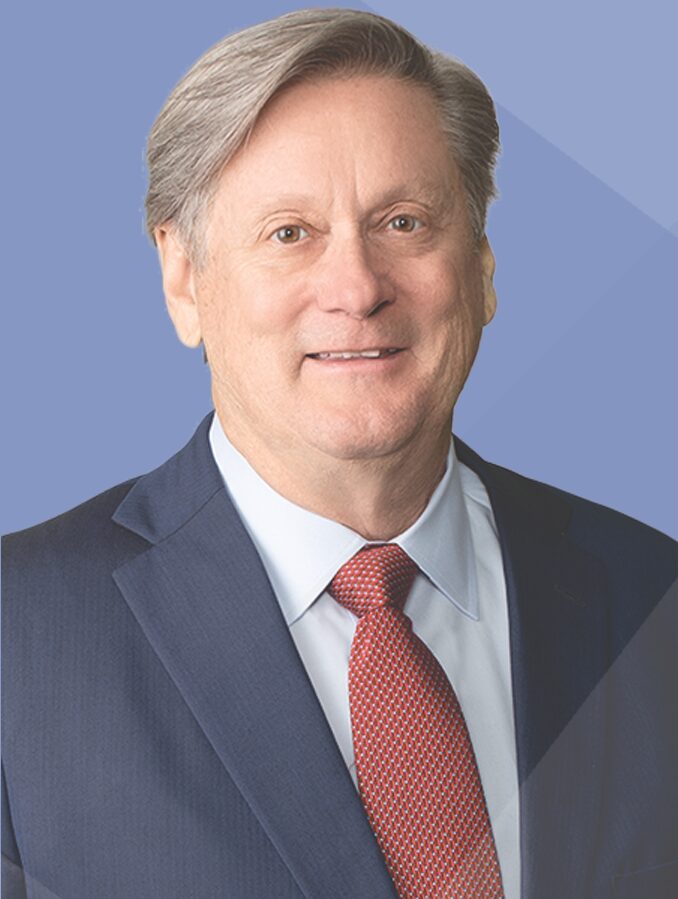
Bill Dombi Key Supporter of Care at Home

The end of 2024 and the official merger of NAHC and NHPCO also brought to a close the extensive service to the care at home industry by former NAHC President Bill Dombi. Dombi served as vice president for law from 1987 to 2017. He was named interim presidnt in 2017 and president in 2018, where he served until 2024.

Bill has been instrumental in the advancement of care at home policies at the federal level, a champion for advocacy for care at home at local, state, and national conferences and organizations, and spearheaded lawsuits and challenges to CMS rulings for year. His retirement, though well-earned, was a great loss to the industry.

Back in Action

On February 4, 2025, Arnall Golden Gregory law firm, of Atlanta and Washington D.C. an Am Law 200 law firm with a client-service model of “business sensibility” announced the additional of Bill Dombi to the firm as senior counsel. With more than 40 years of experience with litigation and policy in the care at home industry, Bill will continue his fight to advance care at home in D.C.

“It’s not a stretch to say that Bill is the face of the home healthcare space and the standard-bearer for advocating on its behalf, whether in state or federal court or through his deep-rooted experience and relationships within Congress and various federal agencies. In addition to tackling major policy issues, Bill has fiercely defended providers and patients in litigation across the country. His broad perspective and exceptional legal acumen will be invaluable to our already outstanding Healthcare practice, particularly in the areas of home health, hospice, and post-acute and long-term care litigation, benefitting both our teams and the clients we serve.”

Jason E. Bring

Healthcare Litigation co-chair, Arnall Golden Gregory LLP

BIll Dombi Returns

From AGG

Bill has been actively involved with significant litigation matters affecting home health policy since 1976. Notably, he served as lead counsel in the lawsuit that resulted in the expansion of Medicare home health coverage in 1980, and he was pivotal in the creation of the Medicare hospice benefit in 1983, the institution of the Medicare Prospective Payment System (PPS) for home health in 2000, and national healthcare reform legislation in 2010. In 2017, Bill was selected as NAHC’s president and served through 2024, ultimately concluding his tenure as president emeritus and counsel of the National Alliance for Care at Home, the combined organization of NAHC and the National Hospice and Palliative Care Organization.

“To call Bill a major addition to AGG’s Healthcare practice would be an understatement,” said Sean P. Fogarty, AGG’s managing partner. “Bill has been a pillar in the home health industry for years, and I know I speak on behalf of the entire firm when I say we we’re thrilled to have him join our team.”

Bill is renowned for his commitment to advancing care at home through legal, legislative, and regulatory advocacy. His background spans all key advocacy forums, including Congress, regulatory bodies, and the courts, where he has engineered laws and regulations that directly impact home health and hospice providers. This breadth of experience empowers his private practice to offer clients with a practical framework for compliance standards and operational excellence.

“As I look to the next chapter of my career after almost 40 years at NAHC, it’s exciting to join such an impressive firm and group of professionals with a well-established and supportive culture. AGG is so unique in its earnest focus on collegiality and collaboration, and I look forward to continuing my hard work with my new colleagues on behalf of the dedicated home health providers we serve.”

Bill Dombi

Senior Counsel, AGG

A hall of famer among several home care and hospice organizations, Bill has also served as executive director for the Center of Health Care Law and Home Care and Hospice Financial Managers Association at NAHC. He continues to serve the industry as a member of the board of directors of the Research Institute for Home Care and the Hospice and Home Care Foundation of North Carolina. With Medicaid expenditures now exceeding $130 billion annually and Medicare home health services growing from $300 million to over $25 billion, Bill’s work has seen the evolution of home care from a cottage industry to a cornerstone of long-term care in the U.S.

Bill attended the University of Connecticut, where he earned his law degree, as well as a B.A. in political science.

About Arnall Golden Gregory LLP

Arnall Golden Gregory (AGG) is an Am Law 200 law firm with offices in Atlanta and Washington, D.C. Our client-service model is rooted in taking a “business sensibility” approach of fully understanding how our clients’ legal matters fit into their overall business objectives. Our transaction, litigation, regulatory, and privacy counselors serve clients in healthcare, real estate, retail, technology, fintech/payment systems, global commerce/global mobility, life sciences, logistics and transportation, government investigations, and government contracts. With our rich experience and know-how, we don’t ask “if,” we figure out “how.” Visit us at www.agg.com.

# # #

Kristin Rowan, Editor

Kristin Rowan has been working at The Rowan Report since 2008. She is the owner and Editor-in-chief of The Rowan Report, the industry’s most trusted source for care at home news .She also has a master’s degree in business administration and marketing and runs Girard Marketing Group, a multi-faceted boutique marketing firm specializing in content creation, social media management, and event marketing.  Connect with Kristin directly kristin@girardmarketinggroup.com or www.girardmarketinggroup.com

©2025 by The Rowan Report, Peoria, AZ. All rights reserved. This article originally appeared in The Rowan Report. One copy may be printed for personal use: further reproduction by permission only. editor@therowanreport.com

 

Chief Government Affairs Officer Announced

FOR IMMEDIATE RELEASE

Contacts:              Elyssa Katz
571-281-0220

Thomas Threlkeld
202-547-7424
communications@allianceforcareathome.org

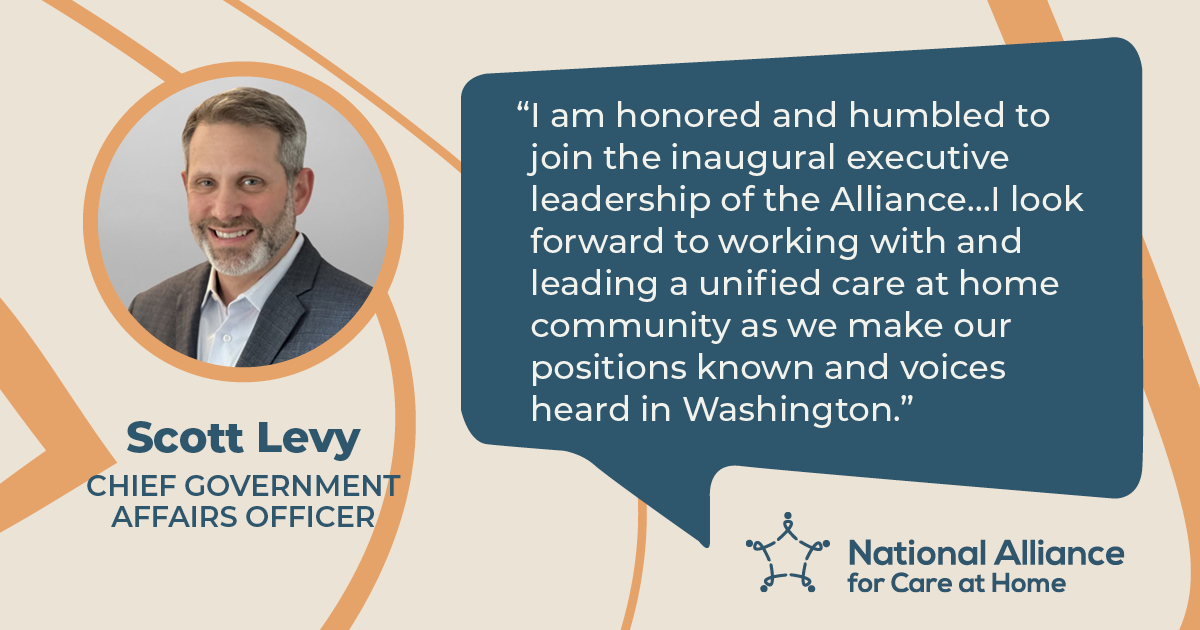
The National Alliance for Care at Home Welcomes Scott Levy as Chief Government Affairs Officer 

WASHINGTON, D.C., JAN 21, 2025. The National Alliance for Care at Home (the Alliance) is excited to announce Scott Levy as its inaugural Chief Government Affairs Officer starting on January 27. With over 20 years of distinguished experience in government relations, public policy, advocacy, and law, Scott is poised to lead the Alliance’s efforts to drive impactful legislative and regulatory changes that expand access to quality care at home for America’s growing population of elderly and seriously ill. 

“Scott Levy is an extraordinary addition to our leadership team. He brings a deep understanding of healthcare policy, politics, and a great sensitivity to the intersection of public policy and healthcare operations and how policy impacts patients and families. His track record of success, combined with his dedication to improving care at home, makes him an invaluable addition to our team.”  

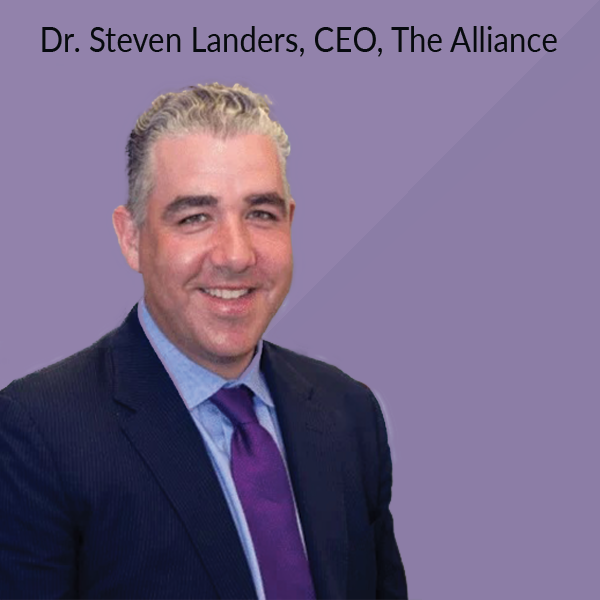
Dr. Steve Landers

CEO, The Alliance

Background and Experience

Scott’s career is marked by notable achievements and experiences in both the public and private sectors. He most recently served as Chief Government Affairs Officer at Amedisys, one of the nation’s largest at-home healthcare providers, where he led initiatives that secured critical legislative and regulatory reforms, including payment model adjustments and the expansion of value-based care. His public service includes roles with all branches of government at both the state and federal level, where he gained invaluable experience in high-level government operations and policymaking. 

Scott Levy Chief Government Affairs Officer

His skill set as a lawyer, where he has advocated for clients in regulatory settings and in the courtroom, combined with his political experience and decade of service to one of the largest providers in our industry make Scott uniquely qualified for this role at this time.

Education

A graduate of Louisiana State University, Scott earned both a Bachelor of Arts in Political Science and a Bachelor of Arts in Mass Communication before completing his Juris Doctor at the LSU Paul M. Hebert Law Center. His legal and policy expertise, as well as his strategic leadership, has made him a trusted advisor to CEOs, boards, and industry leaders across the healthcare landscape.  

Chief Government Affairs Officer Role

At the Alliance, Scott will lead a talented team of advocacy professionals and work closely with policymakers, industry stakeholders, and grassroots networks to address challenges such as provider reimbursement, regulatory hurdles, improving quality and program integrity, and advancing innovative care models. His leadership will strengthen the Alliance’s ability to represent and empower its members while ensuring better access to home-based care for patients and their loved ones nationwide.  

In His Own Words

“I am honored and humbled to join the inaugural executive leadership of the Alliance.  This opportunity allows me to leverage and maximize my nearly ten years of experience in advocating for home health and hospice on the state and national level. I am eager to get started in strategically positioning the industry and aggressively pursuing public policy that ensures all Americans can access quality care in the home. I look forward to working with and leading a unified care at home community as we make our positions known and voices heard in Washington.”  

Scott Levy

Chief Government Affairs Officer, The National Alliance for Care at Home

We are honored to welcome Scott Levy to the Alliance and look forward to the transformative impact of his leadership!  

# # #

About the National Alliance for Care at Home

The National Alliance for Care at Home (the Alliance) is a new national organization representing providers of home care, home health, hospice, palliative care, and other health care services mainly delivered in the home. The Alliance brings together two organizations with nearly 90 years of combined experience: NAHC and NHPCO. NAHC and NHPCO have combined operations to better serve members and lead into the future of care offered in the home. Learn more at www.AllianceForCareAtHome.org.   

©2025 National Alliance for Care at Home. This press release originally appeared on The Alliance website and is reprinted on The Rowan Report with permission.

Survive Medicare Advantage

by Alexandria Nelson, Communications Specialist, Axxess

How to Survive Medicare Advantage in Home Health

Navigating the complexities of Medicare Advantage continues to be a sticking point for organizations trying to scale their business. In an education session at the 2024 Axxess Growth, Innovation and Leadership Experience (AGILE), Brent Korte, CEO of Frontpoint Health, and Wendy Conlon, MSPT, Senior Vice President of Client Experience at Axxesss, discussed the ways organization can adapt to the changing reimbursement landscape and ensure their survival.

The Evolution of Care

Conlon and Korte began the session by examining how care is delivered under Medicare Advantage, highlighting the differences in care rates among beneficiaries. They emphasized the importance of organizations being aware of these variations in care.

“I think it’s important that we recognize our role as providers of the target population while also considering the various factors that influence the care we provide,” Conlon said.

Conlon also encouraged organizations to understand the margin of care they provide, highlighting that the care at home industry, and healthcare in general, continues to be an undervalued space.

Korte added that organizations should focus on what Medicare Advantage is looking for in terms of providing care, and set expectations for beneficiaries.

Strategies for Success

Conlon noted that organizations providing care for Medicare Advantage beneficiaries need to have a plan in place to see success in their business.

“It’s about strategy,” Conlon said. “It’s truly about disciplined commitment to excellence when caring for patients and a plan to do so appropriately with appropriate measures in place to get to that success and to watch those margins.”


Survive Medicare Advantage
Surviving Medicare Advantage

Operations and Structures

Conlon stressed the importance of organizations finding operational efficiencies and strategizing their approach to patient care. She encouraged them to embrace the financial and administrative aspects of home care, treating it as a business to ensure sustainability and growth.

Conlon and Korte also encouraged organizations to look at their staffing models and clinician structures when strategizing their business.

“Do we have all of our clinicians seeing all of our patients, or have we strategized and almost stratified our clinicians to understand how to see different subsets of patients very specifically and understand those payer models behind them?” Conlon asked.

Korte advised leaders to continue to advocate for an episodic payment model for Medicare Advantage to improve the quality of care patients receive.

“That really, really matters because not only do we get paid more so we can provide better care and get to that 24.9% margin or maybe 14.9% margin, but it doesn’t disrupt our model of episodic care which is very much, ‘give the patient what they need,’” Korte said.

Use Technology to Survive Medicare Advantage

Leaders were also encouraged to use technology to help streamline operations and keep their organizations accountable and their records accurate.

“How nimble is the technology and intuitive for setting up those payers to allow us to make those changes that we need to make when we need to make them, but also to ensure that we’ve got accuracy?” Conlon asked.

Survive Medicare Advantage

The pair concluded the session by emphasizing the importance of not only examining and refining internal organizational processes but also looking outward. They advised leaders to leverage community resources and collaborate with payers.

“Externally, understanding our community and our community resources and then also understanding how we can speak to the payers and negotiate with the payers [is essential],” Conlon said. “We may think, when there’s a group of folks that are advocating for that, that tends to bring about a lot of positive change, but that doesn’t mean that one person [or] one organization cannot be the catalyst for that change to happen.”

# # #

This article orginally appeared on the Axxess blog and is reprinted with permission. For more information or to request print permission, please contact Axxess.

Introducing “The National Alliance for Care at Home”

by Tim Rowan, Editor Emeritus

National Alliance for Care at Home

The merger of the National Association for Home Care and Hospice and the National Hospice and Palliative Care Organization, which was inked on July 1, became official this week in Tampa, Florida. The new National Alliance for Care at Home said farewell to retiring NAHC President Bill Dombi and gave a rousing welcome to incoming Alliance CEO, Steven Landers, MD. Both Bill’s farewell address and Dr. Landers’ introduction speech ended with the same theme. We do what we do for the good of our patients. Yes, there is money. Yes, there are politics. In the end, our legacy and our future are about people.

Dr. Steven Landers

Integrity, Quality and Compliance

That future will begin with a commitment to patient care excellence. Dr. Landers closed his opening address with an announcement. From now on, every member, upon beginning or renewing their annual membership, will be asked to sign an attestation pledging their company and themselves personally to commit to Integrity, Quality, and Compliance. “Our members will be known to the world as the best in the industry,” he proclaimed. “They will assure patients, families, and payers that they participate in Medicare and Medicaid quality performance standards.”

In a press conference the next day, Dr. Landers elaborated that NAHC and NHPCO have always worked with public and private payers and law enforcement agencies to rid our industry of those who are not in it for noble reasons. Those cooperative efforts will continue, he told the reporters. The new attestation will further assure the world that members of The Alliance publicly join that mission. One is reminded of a code of conduct common to all our national military academies. “We will not lie, steal, or cheat, nor tolerate among us anyone who does.”

Emphasis on Advocacy

The Alliance is new, and Dr. Landers candidly admits he is gradually learning his new role as he goes along. But he is guided by a commitment to care in the home that has been with him since medical school. “I didn’t want to be just another cog in the system,” he told 2,000+ attendees. “The first time I went along on a home visit, I immediately realized that this is what I wanted to commit my career to.” Through his years at the VNA and Cleveland Clinic, he saw the power of in-home care, including its ability to extend live expectancy and reduce the total cost of care.

Bill Dombi

A Semi-Farewell at Best

National Alliance for Care at Home Dombi

Bill Dombi will serve the new Alliance through the end of this year before fully entering retirement. Following his closing address on the last day of the conference, during which he summarized his 38 years with NAHC (years that began with a promise to his wife Lynn that they would only have to leave their home in Connecticut for the DC area for three to four years), I asked him what he planned to do that first day in January. He said that he accumulated a ton of frequent flyer miles during his career and that they would love to travel somewhere other than state and national association conference cities.

He also mentioned the ongoing legal actions he initiated to force CMS to develop more honest formulae for calculating Home Health reimbursement and added, “It is very difficult to change litigators in the middle of a lawsuit.” Draw your own conclusion but take it from one who knows how difficult it is to completely walk away from this mission and its people. We may not have heard the last of William A. Dombi.

# # #

Tim Rowan, Editor Emeritus

Tim Rowan is a 30-year home care technology consultant who co-founded and served as Editor and principal writer of this publication for 25 years. He continues to occasionally contribute news and analysis articles under The Rowan Report’s new ownership. He also continues to work part-time as a Home Care recruiting and retention consultant. More information: RowanResources.com
Tim@RowanResources.com

©2024 by The Rowan Report, Peoria, AZ. All rights reserved. This article originally appeared in Healthcare at Home: The Rowan Report. homecaretechreport.com One copy may be printed for personal use: further reproduction by permission only. editor@homecaretechreport.com

Joint NAHC-NHPCO Statement on Signing of Affiliation Agreement

June 18, 2024

Washington, D.C. and Alexandria, VA – On June 10, the Board Chairs and chief executive officers of the National Association for Home Care & Hospice (NAHC) and the National Hospice and Palliative Care Organization (NHPCO) met in Washington, D.C. to formally sign the affiliation agreement between the two leading organizations in the care at home community.

NAHC and NHPCO are the two largest organizations representing and advocating for providers of care in the home and the millions of disabled, elderly, and dying Americans who depend on that care. With more than 90 years of experience between them, NAHC and NHPCO provide world class education to help their members deliver the best possible care and tireless advocacy to expand access to home and community-based services.

“The NAHC-NHPCO Alliance will be the leading authority and unifying voice of the care at home community,” said NAHC Board Chair and Chair-Elect of the Alliance Kenneth Albert. “The leadership of both organizations have worked for 18 months to make this happen and the talented staff at NAHC and NHPCO are already hard at work integrating the two organizations. Together, we will make home the center of health care.”

“This alliance between NHPCO and NAHC will create the most powerful voice the care at home community has ever had,” said NHPCO Board Chair and Vice Chair-Elect of the Alliance Melinda Gruber. “For members, it means access to the best education and expert advice, as well as a strong advocate for sensible policies that help providers deliver the best possible care to the millions of Americans who need it the most.”

“The affiliation of NAHC and NHPCO is a historic event,” said NAHC President and CEO William A. Dombi. “Unifying the voice of health care at home has been a longstanding goal of NAHC, as it is the essence of the original formation of NAHC in 1982. Combining our two organizations will significantly strengthen that voice for the benefit of our members and the patients they serve.”

“The community of providers delivering care primarily in people’s homes is stronger when we work together,” said NHPCO Interim CEO, Ben Marcantonio. “We have demonstrated that strength in recent years with shared advocacy efforts and joint research that have helped change the conversation in Washington and beyond. Aligning NHPCO and NAHC into one new organization will mean we can better serve our members well into the future.”

The signing of the agreement takes NAHC and NHPCO into a new phase of an ongoing process. Beginning July 1, the organizations will begin integrating operations, a process that is expected to take the rest of the year.  That process will take place under the name the NAHC-NHPCO Alliance while the future name of the organization is determined. Considerable progress on a new name has been made and is in process of trademarking approvals. Meanwhile, a robust search for a CEO for the new organization is under way, with dozens of qualified candidates being considered.

Press Contacts:

  • Thomas Threlkeld, NAHC Director of Communications
  • Elyssa Katz, NHPCO Marketing and Communications Manager

###

About National Association for Home Care & Hospice (NAHC)

The National Association for Home Care & Hospice (NAHC) is the voice of home care and hospice. NAHC represents the nation’s 33,000 home care and hospice providers, along with the more than two million nurses, therapists, and aides they employ. These caregivers provide vital services to Americans who are aged, disabled, and ill. Some 12 million patients depend on home care and hospice providers, who depend on NAHC for the best in advocacy, education, and information. NAHC is a nonprofit organization that helps its members maintain the highest standards of care. To learn more, visit http://www.nahc.org.

About NHPCO

The National Hospice and Palliative Care Organization (NHPCO) is the nation’s largest and oldest membership association for providers who care for people affected by serious and life-limiting illness. Our members deliver and expand access to high-quality, person-centered interdisciplinary care to millions of Americans. NHPCO provides education and resources to support that mission. Together with our advocacy partner, the Hospice Action Network (HAN), we serve as the leading voice advancing public policy to improve serious-illness and end-of-life care, while our CaringInfo program provides free resources to educate and empower patients and caregivers. nhpco.org.

NAHC and NHPCO Sign Affiliation Agreement

by Kristin Rowan, Editor

BREAKING NEWS

In a joint statement on June 18, 2024, NAHC and NHPCO announced that the Board Chairs and CEOs of each organization met in Washington. During this meeting, they formally signed the affiliation agreement. This is a union of the two largest advocate organizations for care at home providers. They hope to unify the voice of the care at home community. The combined resources of the organizations will provide education, expert advice, and increased advocacy for policies that help deliver the best care to those who need it most.

After 18 months of discussions, meetings, and challenges, the two organizations have agreed on terms for the combining of the two groups.


“The affiliation of NAHC and NHPCO is a historic event,” said NAHC President and CEO William A. Dombi. “Unifying the voice of health care at home has been a longstanding goal of NAHC, as it is the essence of the original formation of NAHC in 1982. Combining our two organizations will significantly strengthen that voice for the benefit of our members and the patients they serve.”

Read the full press release from NAHC and NHPCO here.

# # #

Kristin Rowan, Editor

Kristin Rowan has been working at Healthcare at Home: The Rowan Report since 2008. She has a master’s degree in business administration and marketing and runs Girard Marketing Group, a multi-faceted boutique marketing firm specializing in event planning, sales, and marketing strategy. She has recently taken on the role of Editor of The Rowan Report and will add her voice to current Home Care topics as well as marketing tips for home care agencies. Connect with Kristin directly kristin@girardmarketinggroup.com or www.girardmarketinggroup.com

©2024 by The Rowan Report, Peoria, AZ. All rights reserved. This article originally appeared in Healthcare at Home: The Rowan Report. One copy may be printed for personal use: further reproduction by permission only. editor@therowanreport.com
Advocacy Continues on Capitol Hill

ROAD TO THE TELEHEALTH “SUPER BOWL”: ATA ACTION CAPITOL HILL DRIVE

WASHINGTON, DC, JUNE 12, 2024 – ATA Action, the American Telemedicine Association’s affiliated trade association focused on advocacy, hosted its 2nd annual Hill Day, bringing nearly two dozen ATA Action members to Capitol Hill for meetings with Congressional leaders to discuss top federal telehealth policy priorities. ATA Action members underscored the ATA and ATA Action playbook for comprehensive, permanent telehealth reform, including passage of the CONNECT for Health Act  (H.R. 4189S. 2016), the Telehealth Modernization Act (HR 7623S.3967) and the Advancing Access to Telehealth Act (HR 7711).

“This well-timed Hill Day accomplished our goal, to keep telehealth access front-and-center in the minds of our Congressional champions and underscore the urgent need for Congress to act now to give patients and providers certainty about the continued availability of telehealth services,” said Kyle Zebley, senior vice president, public policy, the ATA and executive director, ATA Action. “We continue to hammer home the fact that access to telehealth is essential for delivering safe, effective, quality care to all individuals, including those in rural and underserved communities, as part of a modernized healthcare system.

“As we continue to seek permanent access to virtual care services, we remain grateful to the unwavering bipartisan, bicameral support for appropriate and necessary policies to ensure citizens have access to often life-saving telehealth services, when and where they need it. But the clock is ticking. We need Congress to act now, so that appropriate telehealth policies are implemented in a timely manner without arbitrary and unnecessary barriers to care such as in-person, brick-and-mortar, or geographic requirements,” Zebley added. “We are also eager to see our Senate champions act on these important telehealth policies.”

ATA Action members participating in Hill Day included a diverse range of organizations advocating for telehealth. Members of ATA Action’s Patient Voices for Telehealth Coalition also joined Hill Day meetings.

About ATA ActionTelemedicine Advocacy

ATA Action recognizes that telehealth and virtual care have the potential to transform the healthcare delivery system by improving patient outcomes, enhancing the safety and effectiveness of care, addressing health disparities, and reducing costs. ATA Action is a registered 501c6 entity and an affiliated trade organization of the American Telemedicine Association (ATA).

#     #     #

CONTACT:

Gina Cella
gcella@americantelemed.org
t: 781-799-3137

The Future of NAHC: An Interview with Bill Dombi

by Kristin Rowan, Editor

NAHC President Bill Dombi announced at last week’s CAHSAH annual meeting and expo that he would end his tenure at NAHC and retire at the end of 2024. We reached had an interview with Dombi on Thursday, May 23rd. He said he was not prepared to speak yet about his upcoming retirement, but we should hear more about that soon.

In the meantime, he provided additional details from his session at CAHSAH. We also discussed updates on the lawsuit against CMS and the status of the merger between NAHC and NHPCO. Tim’s article from last week talks about Dombi’s progress with Senator Wyland.

Ongoing Litigation

When we last spoke with Bill, he told us about the lawsuits filed against CMS. The suit claims that the budget-neutral calculations were based on faulty data and outdated software. These calculations determined the reimbursement rate reductions. Dombi explained the process for those lawsuits.

“The first round of the battle is around whether the court has the power to hear the case either at all or at that point in time. The courts are littered with litigation that have been dismissed on jurisdictional grounds,” Dombi offered. The court dismissed the lawsuit and the case is now closed. The Department of Justice (DoJ) attacked jurisdiction to get the case dismissed. Most concerning, according to Dombi, was the DoJ’s question of whether the statute passed by Congress precluded any litigation. If the courts had found in their favor, they would have dismissed the lawsuit no further suits could be filed. Luckily, that argument didn’t hold. The second attack was whether NAHC had expedited administrative review, which is the argument that caused the dismissal. Now, they have to establish that it would be futile to get CMS to agree to expedited judicial review.

Next Steps

In light of the dismissal, NAHC had to decide whether to appeal the ruling, exhaust the expedited review step with CMS, or both. Ultimately, they decided not to appeal and is pursing the review with CMS. This process could take up to 6 months, according to Dombi. Although they are pursuing the review, CMS has already stated that their final position is that the budget neutrality has been calculated within the law. Dombi feels the review is futile because CMS is not going to change their position. Now, they just have to prove the futility.

Two-Step Approach

Advocacy from NAHC, NHPCO, and other individuals and organizations was always intended to be a two-pronged effort: Litigation and Congress. The two do not interfere with each other. Even though the court dismissed the litigation suit in favor of judicial review, the approach in Congress continues. Of Senator Wyland, Dombi said, “A year ago at this time, his view was that home health agencies needed no relief. Now, he’s indicated a willingness to find a way to help home health agencies and recognizes that the cuts have been harmful to home health agencies and others that provide care.” According to Dombi, it was the personal stories and individual provider information that was crucial in swaying Wyland. The organizations continue to meet with other members of Congress to persuade them in the same way.

Dombi Provides Merger Update

Last year, NAHC and NHPCO announced they would join forces and merge into a new, as yet to be named, organization. That merger is still moving forward, but there are a lot of odds and ends to tie up. Dombi told us, “Nothing is final, final, but I don’t see anything but tailwinds moving forward.” The two organizations are still hoping for a July 1, 2024 launch of the organization. There is an active, open search for a new CEO to actively run both organizations as one. According to Dombi, no one has been slated for that position yet, so they may end up launching before there is a CEO in place.

The two organizations have already started integrating. They have lobbied together and they have worked on policy together. Additionally, they are integrating the association management system and building a website. “We feel confident enough that it’s going to reach the finish line that we’re investing time and money in these elements,” Dombi said. The two organizations can continue to operate together without a CEO, but there are a lot of decisions that need to be made that won’t be made until after there is a CEO.

After the Merger

Once the merger is complete and the two organizations operate under a new name with a new CEO, Dombi and his counterpart Bill Marcantonio of NHPCO will stay on for some time. Dombi will take the title President Emeritus and Council to the organization and Marcantonio will become the Chief Integration Officer. The new name of the organization has not been announced. Dombi says a lot of things are tied together, from an action standpoint, and it’s better to announce all of those details together along with the new name.

Reflections From Bill Dombi

When asked what was next for him after the merger is completed and he moves to retirement, Dombi reflected on his career:


“I’m proud of what I’ve accomplished in my life, but I’m more proud of what the people I work with I have accomplished. It’s not the first time we’ve tried to merge the two organizations, but this time, we had all the right ingredients and I’m proud of that. I live with the confidence that my constituency is up to the challenge. Every time they get kicked back, they’re right back at it.

To see where we are today compared to the 70s, we are so many light years ahead of where we were then. I mean, we’re talking about a hospital level of care at home. That was part of the dream. The fore-runners of healthcare at home truly believed those things were possible. The problems that caused the workforce shortage are multi-faceted, so the solutions are multi-pronged.”

Bill Dombi Spring Tour
We will continue following the story of both the lawsuits and the merger and update you as soon as there is more information.
Kristin Rowan, Editor
Kristin Rowan has been working at Healthcare at Home: The Rowan Report since 2008. She has a master’s degree in business administration and marketing and runs Girard Marketing Group, a multi-faceted boutique marketing firm specializing in event planning, sales, and marketing strategy. She has recently taken on the role of Editor of The Rowan Report and will add her voice to current Home Care topics as well as marketing tips for home care agencies. Connect with Kristin directly kristin@girardmarketinggroup.com or www.girardmarketinggroup.com

©2024 by The Rowan Report, Peoria, AZ. All rights reserved. This article originally appeared in Healthcare at Home: The Rowan Report. One copy may be printed for personal use: further reproduction by permission only.
editor@therowanreport.com

Bill Dombi Spring Tour has two Major Announcements

by Tim Rowan, Editor Emeritus

Bill Dombi Spring Tour

For the last time, NAHC President Bill Dombi is spending another Spring on airplanes. It is state association meeting season, and the Bill Dombi Spring Tour has been bringing his regular Capitol Hill update from coast to coast, this time adding the announcement that he will retire at the end of the year.

After 40 years with NAHC, the lengthy standing ovation Californians gave him at the end of his Tuesday speech was well-deserved.

Advocacy and Change

Bill’s core message has not changed, though the details of his ongoing battle to force CMS to take HHAs and Hospices more seriously has its 2024-2025 nuances. “Letting Congress know that you are an important healthcare sector, and clearly the most popular sector, is not NAHC’s job alone. Every one of you has power. Use it. Make your voices heard.”

Meetings with the Senate Finance Committee

To illustrate the point, he related a story about his recent visit to Portland to meet with the Chair of the Senate Finance Committee, Ron Wyland (D-OR).

“Senator Wyden has been one of the major roadblocks to Medicare agencies getting fair payment rates. I went to see him with a group of agency owners and workers to describe the hardships the current and planned pay rate cuts will impose, and to explain the exact problems with the dumb formula CMS is using to calculate those pay rates.

“The Senator said, ‘But MedPAC says you make too much money and rates should be cut. Were they wrong? Or has something changed?’

Reaching Agreement…Almost

“Both, the group and I harmonized. One by one, each agency representative told him about the growing demand of an aging population, the difficulty hiring staff with the salaries our low pay rates allow them to pay, and a full litany of all the problems with Medicare Advantage.

“By the end of our meeting, we hadn’t turned him 180 degrees, but I could see he was beginning to turn.”Later, Dombi added, he met with Senator Debbie Stabenow (D-MI), who is not only a member of the same Finance Committee but the fourth in line in the Senate pecking order. She offered to have a conversation with her colleague, and that turned Senator Wyden the rest of the way toward changing his position 180 degrees.

You Can Make a Difference

“If you think you as an individual owner have no power in Sacramento, Congress, or the White House,” Dombi concluded, “think again.”

See sidebar for the complete list of Finance Committee members. Everyone has power, but if you are a voter in one of their states, you have an even more powerful voice.

The Bill Dombi Spring Tour will continue throughout the year until his retirement. Join Dombi at the 2024 Financial Management Conference & Expo in Las Vegas, July 21-23 and at the 2024 Home Care and Hospice Conference and Expo in Tampa, October 20-22.

Bill Dombi Senator Wyden

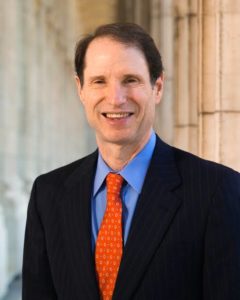
Senator Ron Wyland (D-OR)

SENATE FINANCE COMMITTEE MEMBERS

Chair: Ron Wyland (D-OR)
Ranking Member: Mike Crapo (R-ID)
Debbie Stabenow (D-MI)
Chuck Grassley (R-IA)
Maria Cantwell (D-WA)
John Cornyn (R-TX)
Robert Menendez (D-NJ)
John Thune (R-SD)
Thomas Carper (D-DE)D-
Tim Scott (R-SC)
Benjamin Cardin (D-MD)
Bill Cassidy (R-LA)
Sherrod Brown (D-OH)
James Lankford (R-OK)
Michael Bennet (D-CO)
Steve Daines (R-MT)
Bob Casey (D-PA)
Todd Young (R-IN)
Mark Warner (D-VA)
John Barrasso (R-WY)
Sheldon Whitehouse (D-RI)
Ron Johnson (R-WI)
Maggie Hassan (D-NH)
Thom Tillis (R-NC)
Catherine Cortez Masto (D-NV)
Marsha Blackburn (R-TN)
Elizabeth Warren (D-MA)

# # #

Tim Rowan, Editor Emeritus

Tim Rowan is a 30-year home care technology consultant who co-founded and served as Editor and principal writer of this publication for 25 years. He continues to occasionally contribute news and analysis articles under The Rowan Report’s new ownership. He also continues to work part-time as a Home Care recruiting and retention consultant. More information: RowanResources.com
Tim@RowanResources.com

©2024 by The Rowan Report, Peoria, AZ. All rights reserved. This article originally appeared in Healthcare at Home: The Rowan Report.homecaretechreport.com One copy may be printed for personal use: further reproduction by permission only. editor@homecaretechreport.com