The Great Hospital/Home Health Divorce Movement

by Tim Rowan, Editor Emeritus

Hospitals Divesting Home Health Departments

Is this an early omen of two related trends? A number of hospitals are divesting their home health departments, while large health insurance companies are swallowing up large home health companies.

Beckers reported on October 23 that Providence Health plans to spin off its home-health services along with hospice and palliative care into a new joint venture that will be managed by Compassus, a for-profit, Tennessee-based provider of home care services in 30 states. The move will affect about 700 patients receiving care every day in Spokane County.

The Catholic not-for-profit health system’s agreement with Compassus will be known as “Providence at Home with Compassus.”

After a regulatory review, the deal is expected to close in early 2025. Providence and Compassus will each own a 50% stake. The new venture is part of a strategy to expand and improve home-based services, but also to cut costs. Providence, which operates Sacred Heart Medical Center and Holy Family Hospital in Spokane, declined to disclose the financial details of the joint venture.

LHC Group Was Not Enough

A news release that surfaced on October 25 said that UnitedHealth Group representatives are set to meet with Justice Department officials to make the case for the insurance giant’s acquisition of Amedisys to be approved. The meeting is often the last step before the Justice Department decides whether to file a lawsuit challenging an acquisition, according to the news outlet

Amedisys operates more than 500 facilities in 37 states. Shareholders approved the acquisition in September 2023, but the deal has been held up by regulatory scrutiny. Justice Department officials are concerned the deal could increase prices for home health, according to Bloomberg. 

Hospitals Divesting Home Health

If approved, this would be phase two of UnitedHealth’s historic foray into our sector. United acquired LHC Group, a home health provider with more than 900 locations, in February 2023. If UnitedHealth’s acquisition of Amedisys is approved, the company would own 10% of the entire home health market, with significant overlap between Amedisys and LHC acquisitions in some Southern states, according to Bloomberg. 

Regulators could approve the deal with some changes to address competition concerns, Bloomberg reported. In August, Amedisys and UnitedHealth agreed to sell a reported 100 home health and hospice care centers to VitalCaring Group if the merger is approved.

Three or More is a Trend

UnitedHealth is not the only insurance company interested in owning home health agencies and hospices:

  1. Humana acquired Kindred, one of the nation’s largest HHAs, and rebranded it CenterWell Home Health. Today it operates more than 360 home health locations in 38 states. In 2023, the company said it would expand into in-home primary care in several states.
  2. In 2023, CVS Health acquired home health provider Signify Health for $8 billion. The company won a bidding war for Signify over UnitedHealth Group, Amazon and Option Care Health. Signify Health has more than 10,000 clinicians.
  3. Evernorth, Cigna’s health services arm, offers home health services with a staff of more than 430. In January, Cigna CEO David Cordani said home health was one area where it would focus on future acquisitions.
  4. In 2021, Centene sold its majority stake in home-based primary care provider U.S. Medical Management. Centene retained a minority stake in the company.

Our healthcare sector is changing as the entire U.S. healthcare scene changes. Next week we will delve further into the ramifications of the CMS 2025 final rule and of course the political events of this week.

# # #

Tim Rowan, Editor Emeritus
Tim Rowan is a 30-year home care technology consultant who co-founded and served as Editor and principal writer of this publication for 25 years. He continues to occasionally contribute news and analysis articles under The Rowan Report’s new ownership. He also continues to work part-time as a Home Care recruiting and retention consultant. More information: RowanResources.com
Tim@RowanResources.com

©2024 by The Rowan Report, Peoria, AZ. All rights reserved. This article originally appeared in Healthcare at Home: The Rowan Report. One copy may be printed for personal use: further reproduction by permission only. editor@therowanreport.com


New Features for Quality and Compliance Software Solution

FOR IMMEDIATE RELEASE

Contact:                    Norbert Hudak
818-523-8125
norbert@qapiplus.com

QAPIplus Launches 3.0 Platform, Enhancing Quality and Compliance for Home Health and Hospice Providers

New user interface, more customizations, enhanced PIPs and EMR integrations make managing quality and compliance programs even easier for home health and hospice organizations.

GLENDALE, Calif.Oct. 14, 2024 — QAPIplus, the first and only comprehensive quality and compliance management solution for home health and hospice, is excited to announce the launch of QAPIplus 3.0.

This significant update introduces a modernized user interface, enhanced features for managing Performance Improvement (PI) projects, and deeper integrations with leading electronic medical record (EMR) systems. These enhancements are designed to streamline workflows, save even more time, and provide an improved user experience for agencies focused on delivering the highest standards of care.

“We listened carefully to feedback from our customers, and QAPIplus 3.0 reflects their needs and priorities. Our users asked for a more intuitive interface and better ways to manage their compliance and quality workflows. With these enhancements, we’re delivering the tools they need to succeed.”

Armine Khudanyan

Co-Founder and CEO, QAPIplus

“This update streamlines the entire quality and compliance workflow even more than before,” said Lara Koraian, Co-Founder and CTO of QAPIplus. “By automating repetitive tasks and improving user management, QAPIplus 3.0 saves agencies valuable time while ensuring that critical compliance needs are met efficiently.”

Top Benefits of QAPIplus 3.0 Include

    • Time Savings: Automated PIPs workflows including progress tracking, assigning specific users, and delegating tasks.
    • Easier Navigation: A modern, streamlined design makes the platform more intuitive and easier to navigate.
    • More Customization: Enhanced control over notifications allows for a more tailored experience for each user.
    • Seamless Data Flow: Enhanced integrations with leading EMR platforms to automatically populate incident data in the QAPIplus platform.
QAPIplus 3.0

With QAPIplus 3.0, home health and hospice agencies can continue to elevate their quality and compliance programs while reducing the administrative burden on staff.

# # #

About QAPIplus

As the only software solution created specifically for home health and hospice organizations that digitizes and automates your quality and compliance programs, QAPIplus empowers you to achieve your highest performance, minimize burden, and improve your bottom line.

QAPIplus is the only quality management software solution to earn CHAP Verification and ACHC Certification for home health and hospice organizations.

This press release originally appeared on PRNewswire and reprinted with permission from QAPIplus. For more information or to request permission to print, use the media contact above.

Fraud Soup

by Elizabeth E. Hogue, Esq.

Everyone in the "Fraud Soup" Together

Fraud Soup

Perhaps you remember the CEO of a hospice in the Dallas area, Novus Health Care Services, who texted staff members urging them to administer drugs to patients to avoid exceeding per patient spending caps. He then sent texts praising them when patients passed away from the drugs he had urged them to administer: “Good job!” There were also accusations of recruiting ineligible patients and falsifying documentation. Ever wonder what happened to him and other staff members?

Well...Here's the Scoop!

  • Sixteen individuals from the hospice were indicted and at least eleven of them pled guilty.
  • Thirteen individuals involved in these activities were sentenced to a combined eighty-four years in prison.
  • The most recent sentence of four years in prison was imposed on the hospice’s marketing director.
  • The CEO of the Hospice was sentenced to thirteen years in prison.
  • Two Medical Directors decided to go to trial instead of pleading guilty. They were sentenced to thirteen years and ten years in prison.
  • A nurse involved in these activities was sentenced to eight and a half years in prison.
  • An LVN who received a text from the CEO saying “good job” after she administered drugs to a patient who then passed away was sentenced to eight years in prison.
Fraud Soup Elizabeth Hogue
  • A triage nurse was sentenced to seven years in prison.
  • The Director of Operations was sentenced to five and a half years in prison.
  • A Medical Director who pleaded guilty received a sentence of four years and nine months.
  • The VP of Patient Services was sentenced to three years in prison.
  • The VP of Marketing was sentenced to two years and nine months in jail.
  • A nurse was also sentenced to two years and nine months in prison.
  • An owner of a lab and home health agency was also sent to jail for eighteen months because she allowed the CEO to access potential patients’ confidential medical information in exchange for using services provided by her companies.

Far-Reaching Effects

Can you imagine the effect on professionals who surely also lost their licenses and their families?  Not to mention patients and their families!

The lesson in this heartbreaking story is that fraud enforcement is not limited to owners and upper management. Enforcers will dump everyone who engaged in inappropriate conduct into the “fraud soup.” Therefore, when providers refuse to engage in fraudulent conduct, they are not only protecting themselves, but everyone else involved.

# # #

Elizabeth E. Hogue, Esq.

Elizabeth Hogue is an attorney in private practice with extensive experience in health care. She represents clients across the U.S., including professional associations, managed care providers, hospitals, long-term care facilities, home health agencies, durable medical equipment companies, and hospices.

©2024 by The Rowan Report, Peoria, AZ. All rights reserved. This article originally appeared in Healthcare at Home: The Rowan Report. One copy may be printed for personal use: further reproduction by permission only. editor@therowanreport.com

©2024 Elizabeth E. Hogue, Esq. All rights reserved.

No portion of this material may be reproduced in any form without the advance written permission of the author.

Safeguarding Home Care Heroes

by Marcylle Combs, BS, MS, RN, CHCE

This article is part 1 of a 2-part series. Check back for part 2 on November 7th.

Protecting our Care at Home Heroes

Building Emotional Strength & Ensuring Workplace Safety

In the fast-paced, ever-changing world of home health and hospice care, paying attention to care at home worker safety—both physically and emotionally—is critical. These “care at home heroes” offer life-saving care to people in need. The environments they work in, including patients’ homes and their surrounding neighborhoods, can be unpredictable and uniquely risky.

Agencies must put more focus on their caregivers’s emotional well-being and physical safety to help them provide the best care possible. Developing strong safety policies and creating a supportive work atmosphere are key strategies to ensure they can focus on what matters most: caring for their patients.

Care at Home Worker Safety Hidden Dangers

Understanding the Risks

Care at home workers face a wide range of hazards, many of which are heightened by the fact that they’re working in spaces they can’t fully control. These dangers range from exposure to bloodborne pathogens and other biological risks to dealing with physical strains, like lifting patients in cramped spaces. There’s also the issue of unclean home conditions, aggressive pets, crime-ridden neighborhoods, and the risks involved in driving between homes.

By the Numbers

Statistics show that care at home workers are five times more likely to experience nonfatal workplace violence compared to people in other industries. More than 60% of these workers have reported experiencing at least one incident of violence in the past year. Registered nurses (RNs) specifically have reported high levels of verbal abuse (up to 65%), physical assault (44%), and sexual harassment (41%) on the job. In addition, these caregivers often deal with musculoskeletal injuries, with injury rates being 50% higher than those in hospitals due to patient handling tasks.

Common Incidents and the Problem of Underreporting

Many of these incidents go unreported, which only adds to the dangers care at home workers face. Since they’re constantly on the move, it’s tough to track these events. Still, reports clearly show that violence, harassment, and injuries occur more frequently and are more severe in care at home than in many other fields.

Care at Home Safety

Threats Aren't Always From the Patient

On top of dealing with violent patients, care at home workers may also face threats from family members. Tensions and emotional stress in the home—often tied to a patient’s declining health—can sometimes escalate into verbal or physical threats toward caregivers. These situations can make workers feel unsafe, even if no direct threat is made.

Real-World Relevance

For example, I once had a patient’s family member follow me to my car while talking about his pet venomous snakes. He didn’t threaten me directly. I definitely felt uneasy, though, but I didn’t report it. As I look back on this encounter, I believe I truly should have reported this and recorded it for future review.  It just highlights what we should teach our employees on how and when to report incidents.

Hidden Threats

Chemical exposure is another issue. Care at home workers often encounter dangerous cleaning or other chemicals that aren’t stored or used properly. Sadly, there was a tragic case where a home health nurse in Los Angeles died after being exposed to hazardous chemicals stored incorrectly in a patient’s home. Other in-home hazards include fall risks, aggressive animals, weapons hidden in the home, and illegal substances. These hidden risks make it crucial for workers to follow safety protocols when entering patient homes.

Care at Home Safety

# # #

Marcylle Combs Care at Home Worker Safety

Marcylle has faithfully served and advocated on behalf of home health and hospice patients for over 30 years. She started her career as a nurse, worked diligently to strengthen her leadership skills and ultimately became the owner/president of a successful home health and hospice company. She has served the home care industry in Texas and nationally throughout her years on multiple committees, boards, associations and dedicated lobbying efforts. Currently, Marcylle serves on the board of directors for The National Association for Home Care & Hospice (NAHC), the Home Care and Hospice Financial Managers Association (HHFMA) and the Industry Advisory Board. Additionally, she serves on NAHC’s Governance and Nominating Committee, the HHFMA workgroup, Innovations Committee and chairs the Women in Leadership Committee for HHFMA.

As a wife, mother of 5 adult children and as a female in the workplace she aspires to grow and lead others until her last breath on this earth. She continues this quest through three new business ventures she has founded: MAC Legacy, MAC Legacy Investments and The Marcylle Combs Company.     

©2024 by The Rowan Report, Peoria, AZ. All rights reserved. This article originally appeared in Healthcare at Home: The Rowan Report. One copy may be printed for personal use: further reproduction by permission only. editor@therowanreport.com

New EVP for Talent Acquisition

Axxess

FOR IMMEDIATE RELEASE

Contact:                 Johnathan Eaves
(903) 445-6969
jeaves@axxess.com

Axxess Names Tim Ingram Executive Vice President for Talent Acquisition

His Appointment Will Ensure New Hires Reinforce Its Award-Winning Culture As Company Grows Worldwide

DALLAS, October 21, 2024 – Longtime Axxess leader Tim Ingram has been named Executive Vice President for Talent Acquisition to work closely with company leaders around the world to ensure new hires continue to reinforce the award-winning culture known as The Axxess Way.

A Message from Axxess CEO

“Beyond our industry-leading solutions, our foundational strength has always been and will always continue to be our unique culture,” said John Olajide, founder and CEO of Axxess, the industry leader in care at home technology solutions. “Tim’s demonstrated commitment to excellence and his collaborative and cooperative nature make him the perfect choice to represent our unique culture and work with our team to ensure new hires also embody The Axxess Way as we continue to grow around the world.”

Tim Ingram, in His Own Words

“Axxess is easily the most dynamic and collaborative culture I have ever been part of, and it’s an honor to be responsible for ensuring we find only the smartest, highest-quality team players who can help take Axxess to the next level,” said Ingram, who joined Axxess in 2016 and will continue to serve as Executive Vice President for Interoperability, partnering with industry-changing technology companies to enhance Axxess’ solutions. “Our vision is to be the global home healthcare technology leader, and most admired for our people, partnerships and solutions. Ensuring we achieve our vision starts at the interview.”

Tim's Background

Ingram has more than 20 years of experience in healthcare, including working in software, as well as regulatory and mergers and acquisitions environments. He serves as an ambassador for the National Hospice and Palliative Care Organization’s My Hospice Ambassador program; a member of several committees and councils for both NHPCO and National Association for Home Care and Hospice and is a past board member for the California Hospice and Palliative Care Association. He was named one of DirectTrust’s Interoperability Heroes in 2022.

Tim Ingram Talent Acquisition

# # #

About Axxess

Axxess is the leading global technology platform for healthcare at home. The company offers a robust ecosystem that empowers healthcare organizations and professionals to deliver the highest quality care. By integrating with partners and payers from across the healthcare continuum, more than 9,000 organizations trust the Axxess network to care for more than 5 million patients worldwide. Multiple independent certifications have confirmed that Axxess has the most secure and industry-compliant software solutions. The company’s collaborative culture focused on innovation and excellence is recognized nationally as a “Best Place to Work.”

This press release was originally published by Axxess and is reprinted with permission. For more information or for permission to use this material, please use the media contact above.

Situational Awareness Training

by Lauren Rogers and Bobby McLain

Enhancing Safety Through Situational Awareness

For home-health, hospice, and social workers, maintaining safety in unpredictable environments is crucial. Situational awareness is a key tool in ensuring personal safety and effective response to potential threats. It involves four main characteristics: observation, orientation, decision, and action. Here’s a brief guide on how to apply these principles in your daily work.

Observation

For home-health, hospice, and social workers, maintaining safety in unpredictable environments is crucial. Situational awareness is a key tool in ensuring personal safety and effective response to potential threats. It involves four main characteristics: observation, orientation, decision, and action. Here’s a brief guide on how to apply these principles in your daily work.

Situational Awareness

Orientation

Orientation involves understanding and processing the information you’ve observed based on your own experience and knowledge. Think about what is around you—consider the layout of the environment and how it affects your safety. If you find yourself in a difficult situation, where will you seek help? Familiarize yourself with exit routes and safe locations within the home or area.

Decision

Once you’ve gathered and processed information, it’s time to make decisions. Weigh your options carefully to determine the best course of action. Consider what you can do within your capabilities to mitigate any risks. Your decisions should aim to ensure your safety while also maintaining the well-being of those you serve.

Situational Awareness

Action

Action is the final step, where you use all the information and decisions you’ve made to execute a plan for safety. If you’ve identified a potential danger, act quickly and decisively. This might involve leaving the situation, calling for help, or using safety tools and protocols designed for emergencies.

Situational Awareness Final Thoughts

Applying situational awareness can significantly enhance your safety and effectiveness as a home-health, hospice, or social worker. By mastering observation, orientation, decision, and action, you’ll be better equipped to navigate challenging situations and ensure a safer work environment. Stay alert, make informed decisions, and take proactive steps to protect yourself and those you serve.

# # #

Lauren Rogers

Lauren Rogers serves as the Director of Healthcare at Katana Safety, where she leverages her experience to enhance workplace safety in healthcare environments. She focuses  on post-acute care providers and is dedicated to integrating innovative safety solutions that protect healthcare professionals.

She is passionate about creating safer environments, reducing risks for healthcare workers, and driving positive industry change. At Katana Safety, Lauren is committed to developing strategies that prioritize the well-being and safety of healthcare teams.

Bobby McLain

Bobby McLain is Chief Experience Officer for KATANA Safety, the Premier Provider of Lone and Workforce Safety Solutions.  McLain’s previous roles include interim marketing leadership for multiple companies and executive positions at ScanSource, Inc., working in the company’s global marketing and strategic expansion efforts. McLain’s career began in event management and marketing, supported by a Bachelor of Arts in Journalism with a focus on Advertising/PR from the University of South Carolina. He can be reached at bobby@katanasafety.com or 864-630-9016   KATANA Safety: Never A Lone Worker

©2024 by The Rowan Report, Peoria, AZ. All rights reserved. This article originally appeared in Healthcare at Home: The Rowan Report. One copy may be printed for personal use: further reproduction by permission only. editor@therowanreport.com

National Alliance for Care at Home: An Interview with Dr. Steve Landers Part 1

by Kristin Rowan, Editor

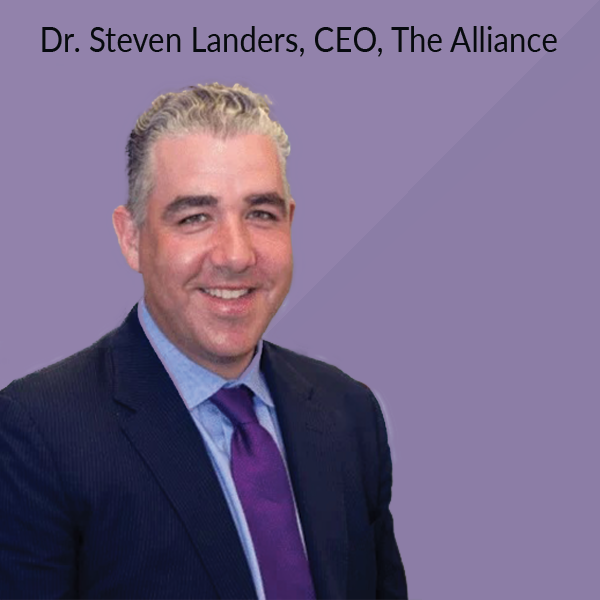
Alliance CEO Landers

For more than a year now, The Rowan Report has been providing updates on the merger between the National Hospice and Palliative Care Organization (NHPCO) and the National Association for Home Care & Hospice (NAHC). This week, we attended the first National Alliance for Care at Home (The Alliance) Annual Home Care and Hospice Conference and Expo. We had the opportunity to sit down with Dr. Steve Landers, inaugural Chief Executive Officer of The Alliance.

Dr. Steven "Steve" Landers

Dr. Steven Landers brings his almost 20 years of experience to The Alliance as its first CEO. Dr. Landers is a board-certified physician in family medicine, geriatric medicine, and hospice and palliative medicine. He has dedicated his career to seeking home- and community-based solution to traditional healthcare. His focus is on providing compassionate, dignified, and cost-effective care to patients.

Dr. Landers graduated from Case Western Reserve University School of Medicine, where he completed a geriatric medicine fellowship at the Cleveland Clinic.

Dr. Landers is no stranger to NAHC and NHPCO, having previously served on the board of directors for NAHC.  He has met with Congress, state legislatures, CMS, and PAC officials, providing testimonies, discussing home care policy and regulation, and advocating for care at home.

Steve lives in Little Silver, New Jersey, with his wife, Allison, and their three sons. His hobbies include golfing, fishing, hiking, traveling, enjoying good food and watching horse racing. When he is not taking part in these activities, you can find him cheering on his sports teams — the Browns, Cavaliers, Guardians and Indiana Hoosiers.

The Alliance Landers

Dr. Steven Landers: On the Record

The Alliance Landers
The Rowan Report:

What do you know about the status of the ongoing lawsuits, going back to the 2024 final rule?

Dr. Steven Landers:

One, we should probably bring Bill [Dombi] into it because he’s truly a technical expert on it and I’m still getting up to speed on it. My understanding is there is no active lawsuit at the moment. We were asked to go back and take some additional administrative steps, which we’re doing. Then we’ll be able to evaluate what further legal paths are possible.

RR: 

That leads me to, not a question, but an observation I’d like you to comment on, Steve. For 45 years, the organization has been run by attorneys and the emphasis in lobbying and advocacy has been ‘you need to stop this cut because it’s hurting businesses and also it’s hurting patients.’ The way you’re talking, you emphasize as you begin with how it’s hurting patients. And so I’m wondering if the organization being run by a physician and not an attorney indicates that different emphasis going forward.

Steve: 

I certainly am going to do everything I can to tell the story of how policies impact patients and families. That will be part of what I try to do every single day using my experiences as a physician to do that.

RR:

Would it be exaggerating to say “new day, new emphasis” at The Alliance?

Steve:

Well, The Alliance is new in and of itself, so The Alliance is a new day for the industry, a hundred percent. We brought together two legacy organizations. The opportunity to have a stronger voice is very real and certainly I am going to bring a clinical perspective. I’m also a family caregiver. I have my own personal experiences with home care and hospice that have instructed how I think about these things.

And there is every opportunity here to get stronger, to try to make a bigger impact. I would not diminish the truly heroic work that’s been done by advocates within our associations in the past. There’s a lot of love and care that’s happening out in our country because of the leadership that’s been in place. But as you can see by some of the things that we’re talking about, we need to do better. We need to find another way to tell these stories to somehow get somebody to listen.

The Alliance
RR:

You recently released a statement about your position as CEO of The Alliance and your vision going forward. There was a commitment attached to that. Can you speak to that?


Steve: 

Yeah, so that’s one of the things that I’m really happy we’re doing very early in our work with the Alliance. For membership, whether to join or to renew membership, we are requiring an attestation from our members around their commitment to quality and to compliance. We’re requiring any provider member to attest to having a program in place for quality and compliance. And we’re requiring that they attest that they monitor the OIG exclusion list and don’t take referrals for employees that are people that are on that list. Also for home health and hospice providers, we’re asking that they attest that they do their level best to participate in the Medicare Home Health and the Medicare Hospice Quality Reporting program.

In order to make a difference on behalf of our members and make a difference on behalf of the people that need care at home, we have to have as credible and high integrity of a voice as possible. And so this is just one simple step of additional things that we’ll consider going forward. We want to make sure that our alliance, our coalition is high integrity and has a deep commitment to quality and compliance.

RR:

It’s one thing to ask people to sign an attestation. It’s another to find the bad players and help CMS to get rid of them.

Steve:

And we’re right there as a partner in that. I think you’ll see more announcements from us in the future about what we’re doing to help with that. I mean, on one hand, we’ve made many proposals around fighting fraud and hospice in particular. If you followed the hospice policymaking, both Legacy NAHC and Legacy NHPCO over the last year have made many policy recommendations. And you’ll definitely see us both advocating for anti-fraud measures as well as having resources within our association to focus on those topics.

The Alliance Landers
Interviewer 1:

Just to clarify, did either of the legacy organizations have this same kind of attestation?

Steve:

No, this is new. The impact of the legacy organizations cannot be questioned. It’s been amazing. But, it’s a new day and we are looking at ways to increase our impact. So, this is a new part of our membership process that we feel strongly about to just take another step to ensure that our coalition, our membership, is of the highest integrity possible. We are walking the walk and talking the talk with respect to quality and compliance.

RR:

Thank you, Dr. Landers

This article is part 1 of 2 interviewing Dr. Steven Landers. Read the rest of the interview here.

# # #

Kristin Rowan, Editor

Kristin Rowan has been working at Healthcare at Home: The Rowan Report since 2008. She has a master’s degree in business administration and marketing and runs Girard Marketing Group, a multi-faceted boutique marketing firm specializing in event planning, sales, and marketing strategy. She has recently taken on the role of Editor of The Rowan Report and will add her voice to current Home Care topics as well as marketing tips for home care agencies. Connect with Kristin directly kristin@girardmarketinggroup.com or www.girardmarketinggroup.com

©2024 by The Rowan Report, Peoria, AZ. All rights reserved. This article originally appeared in Healthcare at Home: The Rowan Report. One copy may be printed for personal use: further reproduction by permission only. editor@therowanreport.com

Vendor Watch: VitalCaring Cognitive Care Pilot

FOR IMMEDIATE RELEASE

Contacts:                                          Nancy Lecroy
VP, Marketing & Communications
VitalCaring
O 469.839.3777
Nancy.lecroy@vitalcaring.com

Kelly Faville
FourSeventeen Communications
On behalf of Constant Therapy Health
M 978-621-6667
kelly@constanttherapy.com

VitalCaring’s AI-driven Cognitive Care Pilot Shows Promising Results

National leader in home health and hospice care to extend AI-enabled speech, language, and cognitive therapy initiative across its network

DALLAS and LEXINGTON, Mass., September 12, 2024 – VitalCaring, a leading national home health and hospice care provider, has unveiled the results of a seven-month AI-driven cognitive care pilot program that delivered enhanced personalized therapy to patients living with cognitive disorders. Through the pilot, VitalCaring deployed Constant Therapy’s digital speech, language, and cognitive therapy platform as part of its home-based services for select patients.

Significant Cognitive Gains

Patients in the program showed statistically significant cognitive improvements, including:

• A 35% increase in Montreal Cognitive Assessment (MoCA)* (average score)
• A 33% increase in Saint Louis University Mental Status (SLUMS)*(average score)
• Improvement by at least one cognitive level (55% of patients)
• Achievement of normal cognitive functional score by discharge (35% of patients)

“This pilot program was tailored to fast-track our patients’ journey to regaining independence safely in their homes. Adding innovative tools like the Constant Therapy platform to our existing care plans for cognitive issues and neurological disorders extends the exceptional work of our therapists.”

Janice Riggins

Chief Clinical Officer, VitalCaring

A valuable complement to clinician-supervised therapy

Patients’ ability to independently access Constant Therapy’s therapeutic exercises at home has proven to be a valuable and meaningful complement to clinician-supervised therapy. The aim of the VitalCaring Cognitive Care pilot program was to determine how additional therapy tools could accelerate recovery and maximize cognitive functioning for VitalCaring patients with dementia-related diseases or those recovering from stroke or other brain injuries. On average, each patient in the pilot program was able to access an additional 11 hours of digital therapy on their own. Due to the success of this pilot, VitalCaring will explore opportunities to extend the initiative across its network.

“VitalCaring stands at the forefront of home healthcare innovation, transforming patient experiences and outcomes with advanced technological and analytical approaches,” said Veera Anantha, Founder and CEO of Constant Therapy Health. Our platform supports their practice of providing outstanding, individualized treatment to patients affected by neurological conditions or brain injuries.”

What Caregivers and Family are Saying

  • “Thanks to the AI therapy, my uncle regained his motor skills. He can now operate mobile phones and stay connected with loved ones.” The patient’s MoCA score improved from 14 to 26 – moderate cognitive impairment to normal cognitive ability.
  • “My mother’s ability to hold conversations with friends and family improved significantly after using the AI-driven tools.” The patient’s MoCA score rose from 16 to 27 – moderate cognitive impairment to normal cognitive ability.
  • “Our family noticed remarkable cognitive improvements in my grandfather. He’s better at following events and recalling important information.” The patient’s MoCA score jumped from 17 to 25 – moderate to mild cognitive impairment.
VitalCaring Pilot

# # #

About the VitalCaring Cognitive Care Pilot Program

The pilot program ran from October 2023 through May 2024 and included 52 patients aged 54 to 92, with an average age of 77.45. Patients had various primary diagnoses, including cerebral infarction, brain tumors, dementia (including Alzheimer’s disease), Parkinson’s disease, encephalitis, encephalopathy, and mild cognitive impairment (MCI). Patients’ performance was measured by: the Montreal Cognitive Assessment/MoCA and the Saint Louis University Mental Status/SLUMS cognitive screening.

About Contant Therapy Health

Constant Therapy Health is a next-generation digital health company whose technology is clinically proven to improve the efficacy of cognitive, speech, and language therapy, as well as increase access to and reduce the cost of therapy. Constant Therapy, an award-winning mobile program, uses patented AI technology to deliver personalized exercises that rebuild cognitive and speech function for individuals recovering from stroke or traumatic brain injury (TBI) or living with aphasia, dementia, and other neurological conditions. Built by a team of top neuroscientists at Boston University, Constant Therapy is used by tens of thousands of patients as prescribed by their clinicians, helping to create the world’s largest brain rehabilitation database, and providing insights that can improve the effectiveness and efficiency of brain rehabilitation.

About VitalCaring

VitalCaring delivers compassionate, high-quality home-based healthcare to patients in the comfort of their own homes. By bringing together like-minded people who are called to care and supported by a positive organizational culture, VitalCaring is positioned to deliver an exceptional patient experience at every encounter. VitalCaring is a national leader in the home health and hospice industry, serving patients throughout the Southern United States, including Texas, Oklahoma, Louisiana, Mississippi, Alabama, and Florida. From its base in the South, VitalCaring is expanding to serve even more communities nationwide.

This press release was originally published by VitalCaring and is reprinted with permission. For more information or to request permission to reprint, please reach out to the media contacts listed above.

Vendor Watch: HealthRev Partners and Trella Health Announce Partnership

FOR IMMEDIATE RELEASE

Media Contacts:

HealthRev Partners: Hannah Vale
hvale@healthrevpartners.com

Trella Health: Lauren Corcoran
press@trellahealth.com

HealthRev Partners and Trella Health Announce Partnership to Empower Home Health and Hospice Agencies

Driving financial health and strategic growth with complementary solutions in revenue cycle management and market intelligence.

OZARK, Mo. and ATLANTAOct. 17, 2024 /PRNewswire/ — HealthRev Partners, the leading revenue cycle management partner specializing in innovative, tech-driven solutions for home health and hospice agencies, and Trella Health, the leading provider of market intelligence and Customer Relationship Management (CRM) solutions for the post-acute care industry, have announced a new partnership.

HealthRev Partners and Trella Health will collaborate to help agencies reach their full potential by cultivating stronger relationships with referral sources and optimizing their revenue cycle through complementary solutions.

This collaboration brings together HealthRev Partners’ financial expertise and revenue cycle management solutions — helping agencies maximize reimbursements, streamline operations, and drive predictable revenue — with Trella Health’s integrated market intelligence and CRM solutions, which enable agencies to enhance growth strategies, improve referral relationships, and gain valuable insights into their market and competitive landscape.

In Their Own Words

Together, we can equip agencies to achieve better financial health and improve their competitive positioning.

HealthRev Partners Trella Health

“Our collaboration with Trella Health represents a significant leap forward for home health and hospice agencies. By combining our financial expertise and revenue cycle management solutions with access to Trella’s market insights and CRM platform, we are providing agencies with a powerful toolkit to optimize their financial performance, drive growth, and ultimately deliver better patient care,” said Michael J. Greenlee, founder and CEO of HealthRev Partners.

Jess Chew, GM, PAC Provider Growth at Trella Health, added, “The partnership underscores both companies’ commitment to supporting providers by delivering industry expertise and advanced technology to address the unique challenges facing home health and hospice agencies today. By combining our strengths, we can equip agencies to achieve better financial health and improve their competitive positioning.”

By leveraging their combined expertise, this partnership will help home health and hospice agencies uncover financial opportunities and optimize efficiencies — from referral growth to revenue management.

# # #

About HealthRev Partners

HealthRev Partners is a leading provider of revenue cycle management solutions for home health and hospice agencies, dedicated to improving financial performance and operational efficiency in the post-acute care sector.

About Trella Health

Trella Health’s unmatched market intelligence and purpose-built CRM allow post-acute providers, HME, and Infusion organizations to drive more effective performance and growth. Trella’s solutions allow post-acute, HME, and Infusion organizations to identify the highest-potential referral targets, evaluate new market opportunities, and monitor performance metrics. Paired with CRM and EHR integrations, business development teams can better manage referral relationships to advance their organizations with certainty by improving their sales and marketing strategy.

This press release was originally printed by Trella Health and is reprinted with permission. For more information or to reprint this content, please contact one of the media contacts listed above.

Patient Preference by Race or Nationality

This article provides updated information about a discrimination case filed against a home care agency by the EEOC. The Rowan Report published the initial press release and article last year.

by Elizabeth E. Hogue, Esq.

What to do When Patients Don't Want Caregivers of Certain Races or Nationalities

The Equal Employment Opportunity Commission (EEOC) sued ACARE HHC, Inc.; doing business as Four Seasons Licensed Home Health Care Agency in Brooklyn, New York. The EEOC claimed that the Agency removed home health aides from work assignments based on their race and national origin to accommodate clients’ preferences in violation of the Civil Rights Act of 1964 [EEOC v. ACARE HHC d/b/a/ Four Seasons Licensed Home Health Care, 23-cv-5760 (U.S. District Court for the Eastern District of New York)]. 

This case recently settled, and Four Seasons will pay a whopping $400,000 in monetary relief to affected home health aides! The Agency must also update its internal policies and training processes related to requirements of the Civil Rights Act, stop assigning home health aides based on clients’ racial or nationality preferences, and provide semi-annual reports to the EEOC about any reports or complaints received about discrimination.

Aides Removed from Assignments

According to the EEOC, Four Seasons routinely responded to patients’ preferences by removing African American and Latino home health aides based on clients’ preferences regarding race and national origin. Aides removed from their assignments would be transferred to new assignments, if available, or, if no other assignments were available, would lose their employment altogether. The lawsuit asked for both compensatory and punitive damages, and for an injunction to prevent future discrimination based on race and national origin. The EEOC says that “Making work assignment decisions based on an employee’s race or national origin is against the law, including when these decisions are grounded in preferences of the employer’s clients.”

Patient Preference Race Nationality

As many providers know, patients’ preferences for certain types of caregivers are common. Experienced managers have been asked by patients not to provide caregivers who are, for example, “foreign.” Such requests should generally be rejected, especially when they involve discrimination based upon race, national origin, religion, or any other basis commonly used to treat groups of people differently. Legally and ethically, providers should not engage in such practices.

Exception to the Rule

There is one exception to this general rule that occurs when patients ask for caregivers of the same sex as the patient based upon concerns about bodily privacy. It is then acceptable to assign only same-sex caregivers to patients who have made such requests.

Risk Management

In addition to concerns about discrimination, providers must also be concerned about risk management when they honor such requests. Especially in view of increasing staff shortages, limitations on available caregivers may mean that patients’ needs cannot be met by staff members who are acceptable to patients. In view of staffing shortages, the fewer caregivers who are permitted to care for certain patients, the more likely it is that patients’ needs will go unmet. Unmet patient needs are, in turn, likely to significantly enhance the risk associated with providing care to patients.

Preferences at Home

Perhaps the pressure to honor patients’ requests is at its greatest when patients receive services at home. Patients who will accept any caregiver assigned to them in institutional settings somehow feel that they have the right to decide who may provide services in their homes. On the contrary, with the exception noted above, staff assignments should be made without regard to client preferences for services rendered at home, just as assignments are made in institutional settings.

Agency Response

How should managers respond when patients tell them not to assign any “foreign” nurses to them? First, they should explain that the organization does not discriminate and that to avoid assignments based on cultural or racial background may constitute unlawful discrimination. Then staff should explain that if limitations on caregivers were acceptable, the provider may be unable to render services to the patient at all because they may not have enough staff. The bottom line is that staff will be assigned without regard to patient preferences in order to prevent discrimination and to help ensure quality of care.  

Patients’ requests and managers’ responses must be specifically documented in patients’ charts. Documentation that says patients expressed preferences for certain caregivers or rejected certain types of caregivers is too general. Specific requests and responses of management must be documented. 

Monitoring the Patient

After patients have expressed what may amount to prejudice against certain groups of caregivers, managers must follow up and monitor for inappropriate behavior by patients directed at caregivers who are not preferred. Managers should be alert to the potential for this problem and should follow up with patients and caregivers to help ensure that caregivers are receiving the respect they deserve. Follow-up activities and on-going monitoring should also be specifically documented.

From the EEOC

“Employers cannot make job assignment decisions based on a client’s preference for a worker of a particular race or national origin. It is imperative for employers to have policies, training and other safeguards in place that help prevent a client’s prejudices from influencing their employment decisions.”

-EEOC Representative

Final Thoughts

Caregivers are a scarce commodity. Providers cannot afford to lose or alienate a single caregiver based upon discrimination or inappropriate behavior by patients.


# # #

Elizabeth E. Hogue, Esq.

Elizabeth Hogue is an attorney in private practice with extensive experience in health care. She represents clients across the U.S., including professional associations, managed care providers, hospitals, long-term care facilities, home health agencies, durable medical equipment companies, and hospices.

©2024 by The Rowan Report, Peoria, AZ. All rights reserved. This article originally appeared in Healthcare at Home: The Rowan Report. One copy may be printed for personal use: further reproduction by permission only. editor@therowanreport.com

©2024 Elizabeth E. Hogue, Esq. All rights reserved.

No portion of this material may be reproduced in any form without the advance written permission of the author.