The 4 M Framework for Age-Friendly Care

by Kristin Rowan, Editor

Pitfalls of Care at Home

Patient assessment has largely used the same formula for years. Patient care is more successful and less expensive in the home, but it is not without its frustrations. Agency owners and managers know that patients won’t always follow recommendations. Some patients leave an acute-care setting without understanding their own diagnosis or after care. Disruption from depression, dementia, or delirium impacts recovery. There are a reported 36 million falls among older adults in the U.S. And the list goes on.

Age-Friendly Health Systems

The care provided to older adults both in acute and post-acute settings is not always designed around the patient. Age-Friendly Health Systems is a joint initiative of The John A. Hartford Foundation and the Institute for Healthcare Improvement (IHI) in partnership with the American Hospital Association (AHA) and the Catholic Health Association of the United States (CHA).

Age-Friendly Health Systems, according to the John A. Hartford Foundation, is a movement helping hospitals, medical practices, retail pharmacy clinics, nursing homes, home-care providers, and others deliver age-friendly care. 

Components of an Age-Friendly Health System:

    • Follow an essential set of evidence-based practices in the 4Ms Framework
    • Cause no harm
    • Align with What Matters to older adults and their family caregivers

The 4Ms Framework

What Matters

Know and align care with each older adult’s specific health outcome goals and care preferences including, but not limited to, end-of-life care, and across settings of care.

Medication

If medication is necessary, use Age-Friendly medication that does not interfere with What Matters to the older adult, Mobility, or Mentation across settings of care.

Mentation

Prevent, identify, treat, and manage dementia, depression, and delirium across settings of care.

Mobility

Ensure that older adults move safely every day in order to maintain function and do What Matters.
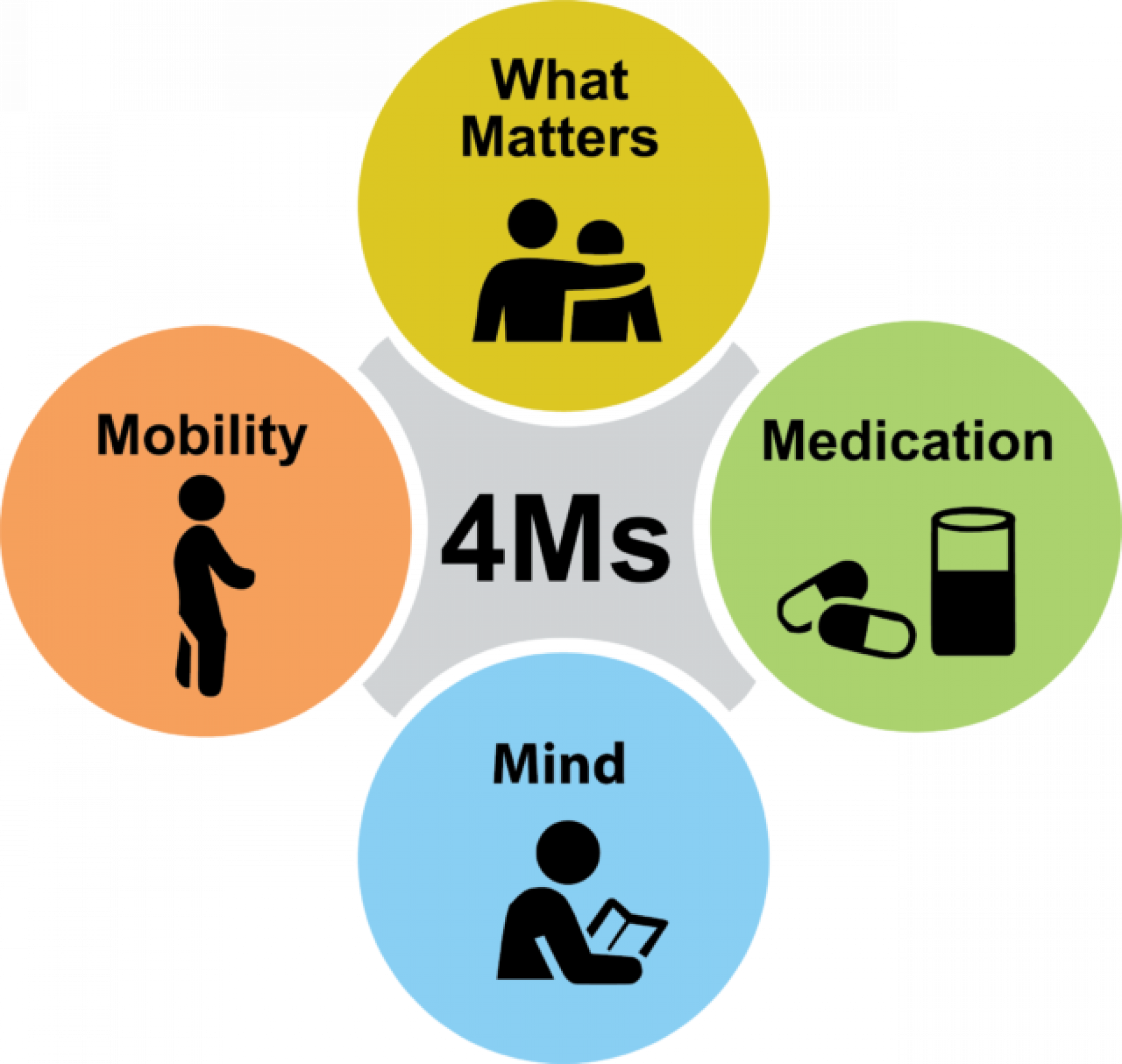
4Ms Framework CHAP Age-Friendly

CHAP Certification for Age-Friendly Care

The Rowan Report spoke with Teresa Harbour, COO of CHAP, about the 4M Framework. CHAP has developed a standardized form that agencies can use to educate patients and families and find out what matters most to them. The 4Ms Framework changes the perspective on patient care by looking at the 4Ms as a set, rather than as separate assessments. Resources, standards, and learning modules for your agency are also included and can be downloaded. The Age-Friendly Care at Home Certification is included at no charge with your CHAP Accreditation.

First Age-Friendly Certification Awarded

On December 2, 2024, St. Croix Hospice announced its achievement of Age-Friendly Care certification across all 70+ locations. Harbour said in a statement, “This effort not only raises the bar for compassionate, patient-centered care but also underscores St. Croix Hospice’s role as a leader in the hospice field.”

St. Croix Hospice is dedicated to providing compassionate, individualized care tailored to the unique needs of older adults. It’s especially important to us that this certification is recognized across our entire organization, reflecting the unified efforts of our teams to ensure every patient receives the highest quality care they deserve.

Heath Bartness

Founder & CEO, St. Croix Hospice

# # #

Kristin Rowan, Editor

Kristin Rowan has been working at Healthcare at Home: The Rowan Report since 2008. She has a master’s degree in business administration and marketing and runs Girard Marketing Group, a multi-faceted boutique marketing firm specializing in event planning, sales, and marketing strategy. She has recently taken on the role of Editor of The Rowan Report and will add her voice to current Home Care topics as well as marketing tips for home care agencies. Connect with Kristin directly kristin@girardmarketinggroup.com or www.girardmarketinggroup.com

©2024 by The Rowan Report, Peoria, AZ. All rights reserved. This article originally appeared in Healthcare at Home: The Rowan Report. One copy may be printed for personal use: further reproduction by permission only. editor@therowanreport.com

BREAKING NEWS: UnitedHealth CEO Thompson Shot and Killed

by Kristin Rowan, Editor

United Health CEO in NY for Investor Event

On November 26, UnitedHealth Group announced it would host its annual Investor Conference for analysts and institutional investors in New York City on Wednesday, December 4, 2024. The purpose of Investor Day, according to the press release, was to discuss long-term growth priorities and the company’s efforts to advance high-quality health care, including expanding value-based care.

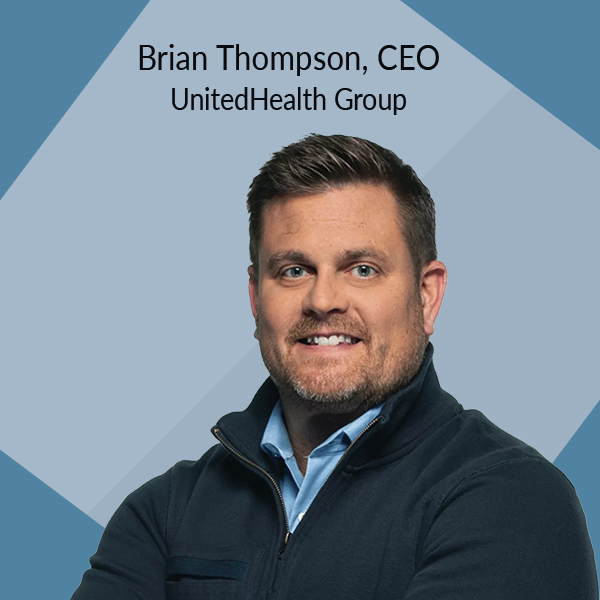
This morning, Wednesday, December 4, 50-year-old Brian Thompson, CEO of UnitedHealth Group’s insurance unit, arrived in midtown Manhattan in advance of the Investor Conference.

Targeted Attack

Mr. Thompson made his way to the Hilton Hotel for the meeting at approximately 6:45 a.m. The suspect had arrived on foot about five minutes prior. Several people recall passing him as he waited for Thompson to arrive. When Thompson approached the hotel, the suspect stepped from behind a car, approaching Thompson from behind, and fired several rounds. Thompson was struck at least once in the back and once in the leg. Reports state the suspect’s gun malfunctioned after the initial shots before he fired again.

The New York Police Department called it “a brazen, targeted attack.”

I want to be clear at this time, every indication is that this was a pre-meditated, pre-planned, targeted attack. This does not appear to be a random act of violence.

Jessica Tisch

Police Commissioner, New York Police Department

UnitedHealth Group Thompson

NYPD Officers stand near the entrance of the hotel where Brian Thompson was reportedly shot and killed in Midtown, New York City, December 4, 2024.

Shannon Stapleton / Reuters

Emergency Response

NYPD Officers responded to a call that a man had been shot outside the hotel. Officers arrived within 2 minutes of the call. When they arrived, they found Thompson on the sidewalk with gunshot wounds.

Emergency medical services arrived and transported Thompson to Roosevelt Hospital. He was pronounced dead at 7:12 a.m. ET.

UnitedHealth Group cancelled the Investor Day event immediately after the shooting.


From UHC

Lorie Burleson, Provider Advocate Account Manager at UnitedHealthCare, issued a statement on LinkedIn about the fatal shooting.

“This morning, we learned of the devastating loss of our CEO, Brian Thompson, who was tragically taken from us,” she wrote. “This is an unimaginable loss for UnitedHealth Group and for everyone who knew him.

“To my UHC family, my heart is with each of you during this incredibly difficult time. Let us come together to honor Brian’s legacy and support one another as we navigate this tragedy.”

In a statement Wednesday, UnitedHealth Group said it was “deeply saddened and shocked at the passing” of Thompson. The company called him a “highly respected colleague and friend to all who worked with him.”

Thompson UnitedHealth Group

About Brian Thompson

According to Daily Mail, Brian Thompson’s annual salary was $10 million. However, several outlets report he exercised more than $20 million worth of stock units in early 2024. Thompson had a net worth close to $43 million, according to multiple outlets.

Brian Thompson, 20 year veteran of UnitedHealthCare, is survived by his wife Paulette Thompson and their two children. Paulette indicated that Brian had received threats related to his job but that it did not deter him from maintaining his travel schedule.

This is an ongoing breaking story and The Rowan Report will continue to follow additional news.

About UnitedHealth Group

UnitedHealth Group, which owns Optum, which owns LHC group, is among the nation’s largest healthcare companies and provides health insurance, pharmacy benefits and healthcare services. The company is currently trying to acquire Amedisys as well, but has been held up by DOJ inquiries.

UnitedHealthcare provides coverage for more than 29 million U.S. individuals, according to their website. In 2024, United Healthcare ranked number 8 on the Fortune Global 500, and its parent company, UnitedHealth Group employs 439,000 people, generating $379.5 billion in revenue in 2024, according to Forbes.

# # #

Kristin Rowan, Editor

Kristin Rowan has been working at Healthcare at Home: The Rowan Report since 2008. She has a master’s degree in business administration and marketing and runs Girard Marketing Group, a multi-faceted boutique marketing firm specializing in event planning, sales, and marketing strategy. She has recently taken on the role of Editor of The Rowan Report and will add her voice to current Home Care topics as well as marketing tips for home care agencies. Connect with Kristin directly kristin@girardmarketinggroup.com or www.girardmarketinggroup.com

©2024 by The Rowan Report, Peoria, AZ. All rights reserved. This article originally appeared in Healthcare at Home: The Rowan Report. One copy may be printed for personal use: further reproduction by permission only. editor@therowanreport.com
New Way to Approach Care at Home

by Kristin Rowan, Editor

Care For Lives: Empowered Homecare with a Holistic Approach

It’s a familiar story that you’ve heard countless times. A licensed practical nurse (LPN) takes a job in a healthcare setting and continues her education to become a registered nurse (RN). She works tirelessly for two years both at her job and in school with no days off. Moves into the hospital setting, then the clinic setting and suffers from burnout. She sees how much there is to do in healthcare that isn’t being done in the hospitals and clinics. Frustrated with the lack of care, too many patients, and too much stress, she tries her hand at home health. And she falls in love…

The Start of Something New

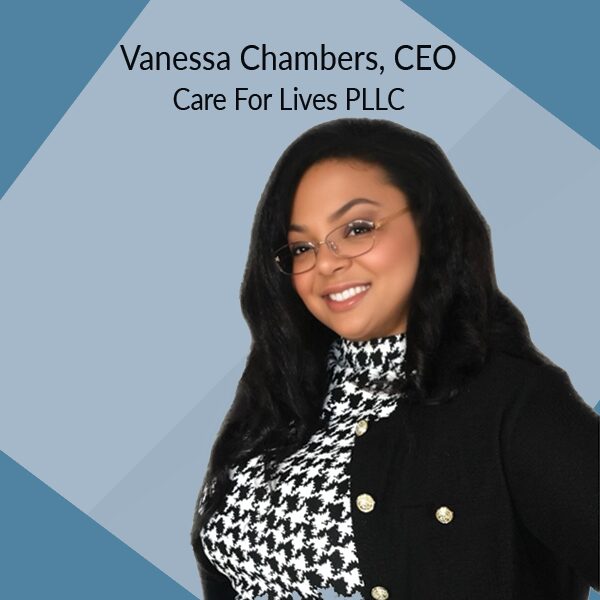
This is the story of Vanessa Chambers, CEO of Care For Lives PLLC. Her first reaction to home health was “Where has this been all my life?” Although she loved home health care, she felt she didn’t get to spend enough time with her patients. So much of her day was spent on paperwork and running from case to case. Sound familiar? 

Vanessa also found herself unable to recommend treatments that she believed could help her patients. Bound by the script her agency created, she felt as though her opinions were unwanted and her critical thinking skills as an experienced nurse were disregarded. And so the all too familiar tale continues. Vanessa started treating patients on her own and created a business based on how she wanted to treat patients.

In addition to standard patient care, Vanessa implemented patient education. Her patients weren’t taught what they needed to know and it terrified them. Their fear, as much as their illness, was a threat to their recovery. Their mistrust of the healthcare system and hospitals left them without care. When Vanessa realized how much work there was to be done, she started to build an army of caregivers. This was the beginning of Care For Lives.

Care For Lives Vanessa Chambers

Building the Care For Lives Army

“Let’s cultivate something!” This was the siren call Vanessa sent out to people she knew and trusted. She wanted to foster a community where nurses felt valued and could bring that energy to the people in New York. With the help of a business consultant, Vanessa began cultivating her army. At first, she reached out to nurses that she had worked with or for in the past. Those nurses recruited other nurses that they new and trusted. 

A new realization came to Vanessa when she saw how much help her patients needed in areas outside of nursing. Mental and physical well-being and a holistic approach offers better results than treating a condition in a vacuum. As she did more research on treating other areas of a patient’s life, she was introduced to Cognitive Behavioral Therapy.

CBT

Cognitive Behavioral Therapy (CBT) is talk therapy that looks into a patient’s trauma to see how it correlates both physically and mentally and how they connect to each other. Vanessa traveled to England to experience CBT first hand. “I’ve had therapy before,” explains Vanessa, “But, with him I solved problems I didn’t even know were there.” Mark Semple, CBT, Traumatologist, was next to join her army, followed by Sharon Semple, CBT, Traumatologist, and Hanna Commodore, CBT. Along with the therapy, her team will recommend psychiatry and/or medication if needed.

Nutrition

As part of the holistic approach, Vanessa contacted Shawn M. Nisbet, Holistic Group Nutritionist. With a different approach than traditional nutritionist who focus on getting a patient to a desired weight and moving on, Nisbet delves into each portion of a patient’s lifestyle. She assesses the need for supplements like Vitamin D, skin care regiments, as well as issues with a patient’s relationship with food. She offers individual and group therapy for nutrition and wellness.

An Unlikely Addition

The last addition to Vanessa’s Army is not one you would likely think of as a matter of course. But, Vanessa recognized that when patients feel good about the way they look, they are more optimistic about their health. So Vanessa found a hair care therapist. Danni Antenor is a licensed cosmetologist who is more than just a hairdresser. Hair can become matted and tangled after surgery or a hospital stay. Antenor works with all types of hair and comes to the home to clean out any matting or residue from the hospital. She will also find a look that is simple for the patient to maintain, flattering to the patient, and one that prevents hair loss. More than this, Antenor prevents the loss of dignity.

Chambers Army Care For Lives

Armed and Ready

With her team in place, and feeling confident that she could provide not only health and healing, but education to keep patients home and out of facilities, Vanessa official launched Care For Lives PLLC on October 19th. She is still wading through the noise in New York to get word of her business out to the community. She is planning a pop-up clinic event before the end of the year. Care For Lives nurses will provide education to patients and to their families and caregivers.

Operations

Care For Lives is currently a private pay agency. They are looking to start accepting insurance by Q2 of 2025, starting with private payers. They will consider Medicare and Medicaid patients when they feel equipped to do so. 

Care For Lives operates under a concierge service model, with patients paying a monthly flat rate for different tiers of service. Depending on the level of membership, patients get a nursing visit and cosultation, CBT, hair therapy, direct or group nutrition counseling, and weekly or bi-weekly virtual visits. They plan to at physical therapy and additional services over time. 

Longer term goals for Vanessa include hiring a medical director, having a 24/7 call center that is fully staffed, setting up a messaging system to provide patients with access to their care team, and to expand Care For Lives with new locations. 

About Care For Lives

Care for Lives provides empowered homecare. We provide patients, and their support system, with the education needed to ensure patients may enjoy the freedom and peace of mind that comes only from living in the comfort of your own home. We are dedicated to increasing quality care knowledge, and support services, for treatment, prevention, and total wellness where you feel most comfortable. Our services are available in homes, communities, and places of work.

# # #

Kristin Rowan, Editor

Kristin Rowan has been working at Healthcare at Home: The Rowan Report since 2008. She has a master’s degree in business administration and marketing and runs Girard Marketing Group, a multi-faceted boutique marketing firm specializing in event planning, sales, and marketing strategy. She has recently taken on the role of Editor of The Rowan Report and will add her voice to current Home Care topics as well as marketing tips for home care agencies. Connect with Kristin directly kristin@girardmarketinggroup.com or www.girardmarketinggroup.com

©2024 by The Rowan Report, Peoria, AZ. All rights reserved. This article originally appeared in Healthcare at Home: The Rowan Report. One copy may be printed for personal use: further reproduction by permission only. editor@therowanreport.com

Healthcare is Heading Home

Web Golinkin, Forbes Books Author

Healthcare is Heading Home, and That's a Good Thing!

Healthcare is heading home

As the Baby Boomer generation ages, the home healthcare market is expanding. GETTY

During my long career in healthcare, one of the biggest trends in healthcare delivery has been the shift from hospital / inpatient to outpatient care. The compound annual growth rate (CAGR) of outpatient services was roughly 8 percent from 2017 to 2022, while inpatient services grew 1-3 percent during the same period. Outpatient services now represent more than 50 percent of total U.S. healthcare spending.

Particularly during the past 20 years, there has been significant growth in new outpatient facilities and channels, including retail-based and urgent care clinics, freestanding ERs, imaging centers, dialysis centers, ambulatory surgery centers, rehabilitation clinics, behavioral health clinics, and telehealth / virtual care.

The shift towards outpatient care has been driven by multiple factors, including patient desire for convenience, the need to reduce costs, and rapid advances in medical science and technology. Now, however, a new trend in healthcare is pushing the boundaries of outpatient care increasingly into the home.

This article explores the rapid expansion of home healthcare, the factors driving its growth, and the important distinctions between home care, home health care, and hospital-at-home models.

Macro Growth Drivers

The U.S. home healthcare market has experienced exponential growth, projected to reach nearly $510 billion by 2027 (roughly equaling the projected size of the outpatient market), according to various industry reports. This represents a CAGR of approximately 8 percent from 2020 to 2027. Several factors contribute to this rapid expansion:

  1. Aging Population: One of the primary drivers of growth in home health care is the aging population. As the Baby Boomer generation reaches retirement age, there is a significant increase in the need for healthcare services tailored to older adults, many of whom prefer receiving care in the comfort of their homes.
  2. Rising Chronic Conditions: The prevalence of chronic diseases such as diabetes, heart disease, and respiratory illnesses is increasing. Home healthcare services, including skilled nursing and rehabilitation therapies, provide essential support for managing these conditions.
  3. Technological Advancements: Innovations in telehealth and remote monitoring technologies have transformed healthcare delivery. Patients can now receive real-time consultations and monitoring from healthcare professionals, reducing the need for in-person visits and enhancing the appeal of home healthcare .
  4. Cost-Effectiveness: Home healthcare is often more cost effective than traditional hospital care. By providing services at home, patients can avoid expensive hospital stays, and insurance providers are increasingly recognizing the value of home-based care, offering incentives for its use.
  5. Patient Preference: There is a growing preference among patients for receiving care in their own homes. This trend is driven by the desire for comfort, familiarity, and independence, as well as the recognition that home care can lead to better health outcomes.

Main Types of Service

Three basic types of home healthcare have emerged. It is important to understand the differences between them, as each type serves different needs and patient populations and requires different kinds of providers and support:

  1. Home Care: This term typically refers to non-medical assistance provided in a patient’s home. Services may include personal care (such as bathing and grooming), companionship, meal preparation, housekeeping, and transportation. Home Care is often used by individuals who need assistance with daily living activities but do not require regular medical intervention.
  2. Home Health Care: In contrast, Home Health Care involves medical services provided by licensed healthcare professionals. This may include skilled nursing, physical, occupational, and speech therapy, as well as home health aide services. Home Health Care is typically prescribed by a physician and is intended for patients recovering from illness, surgery, or managing chronic health conditions.
  3. Hospital-at-Home: This model represents a more recent innovation in home healthcare, allowing patients to receive acute-level care in their homes instead of in a hospital setting. Hospital-at-home programs provide comprehensive medical services, including monitoring and treatment for serious conditions, under the supervision of healthcare providers. This model aims to reduce hospital congestion, lower healthcare costs, and improve patient satisfaction by delivering hospital-level care in a familiar environment. In addition, there is growing evidence that it improves clinical outcomes and reduces hospital readmissions.

Future Growth Drivers

Several key drivers will underpin further growth of home healthcare:

    • Policy Changes and Regulations: Government policies have increasingly supported home health care. Centers for Medicare & Medicaid Services (CMS) and other government programs incentivize home-based care, reflecting a broader strategy to reduce healthcare costs and improve care quality.
    • Healthcare Provider Initiatives: Many providers are expanding their services to include home healthcare options as part of their overall care continuum. This integrated approach helps streamline patient transitions from hospital to home, improving coordination and outcomes.
    • Market Competition: The growing number of home health care agencies and providers has fostered competition, driving innovation and improvements in service delivery. This competition encourages providers to adopt new technologies and practices that enhance patient care.
    • Public Awareness and Education: Increasing awareness of home health care options has led to more patients and families opting for these services. Educational campaigns and outreach initiatives have helped to demystify home health care, making it a more accepted alternative to traditional care settings.

Obstacles to Growth

Despite its rapid growth, the home healthcare sector faces several challenges:

    • Workforce Shortages: The demand for qualified home health care professionals exceeds supply, leading to staffing shortages. This is exacerbated by the demanding nature of home health work and competitive wages offered by hospitals and other healthcare and non-healthcare settings.
    • Regulatory Hurdles: Navigating the regulatory landscape can be complex and burdensome for home healthcare providers. Compliance with Medicare and Medicaid requirements, as well as with state regulations, often demands significant administrative resources. This can restrict the ability of smaller agencies to scale and compete effectively.
    • Insurance Reimbursement Issues: While insurance providers increasingly cover home health services, reimbursement policies can be inconsistent. Challenges related to payment models, including delays and denials, may hinder access to necessary care for patients and impact the financial viability of home health agencies.
    • Technology Adoption: Although technology is a key growth driver, some providers and patients resist adopting new tools. Ensuring that healthcare professionals are adequately trained in using telehealth platforms and remote monitoring devices is critical for successful implementation.

Positive Future Outlook

The outlook for home health care remains positive, as the sector adapts to evolving consumer needs and preferences. Several trends are expected to shape its future:

  1. Integration of Technology: The continued integration of telehealth and artificial intelligence (AI) into home healthcare will enhance service delivery and patient monitoring. Wearable devices and remote patient monitoring systems will likely become standard tools for managing chronic conditions at home.
  2. Focus on Value-Based Care: As healthcare systems shift toward value-based care models, home healthcare will play a pivotal role in managing patient outcomes and costs. Providers will increasingly be held accountable for the quality of care delivered at home, leading to a greater emphasis on patient engagement and satisfaction.
  3. Expanding Service Lines: Home healthcare providers and agencies will likely expand their service offerings to include mental health support, palliative care, and specialized rehabilitation services. This diversification will cater to the broader needs of patients, particularly those with complex medical conditions.
  4. Enhanced Collaboration: There will be a growing emphasis on interdisciplinary collaboration among healthcare providers, including hospitals, primary care providers, and home health agencies. This collaboration will facilitate smoother transitions of care and improve overall patient outcomes.
  5. Increased Investment: As the demand for home health services continues to escalate, investment in the sector is expected to grow. Venture capital and private equity firms are increasingly recognizing the potential of home healthcare, leading to innovations and improvements in service delivery.

The growth of home healthcare is a testament to the changing landscape of healthcare delivery. Driven by demographic shifts, technological advancements, and evolving consumer preferences, this sector is poised for continued expansion.

As challenges such as workforce shortages and regulatory hurdles persist, the future of home health care will depend on the ability of providers to innovate and adapt.

Nevertheless, healthcare is moving inexorably towards the home. That is good news for millions of patients who need acute, transitional or long-term care in the most comfortable environment, and for providers and third-party payers who are seeking to maximize the value of care being delivered.

# # #

Marcylle Combs Care at Home Worker Safety
Web Golinkin
Web Golinkin has focused his career on making health information and care more accessible and affordable. He has done this as CEO of five companies over the past 35 years, including three he co-founded.

These companies include the largest cable TV network devoted to health (America’s Health Network), one of the nation’s largest operators of retail-based clinics (RediClinic), a leading population health management company (Health Dialog), and one of the nation’s largest operators of urgent care clinics (FastMed). Web also co- founded the Convenient Care Association and served as its Chair for many years. He has been widely covered in the national media and has spoken at numerous healthcare conferences.

A magna cum laude graduate of Harvard, Web grew up in New York City and Long Island but has lived in Houston since 1988, so he is almost a Texan. A longtime runner and fitness enthusiast, Web enjoys tennis and golf—as long as he can walk and carry his bag. Web has been married to the same extraordinary woman for 39 years, and they have two amazing sons who make him proud every day.

©2024 by The Rowan Report, Peoria, AZ. All rights reserved. This article originally appeared in Forbes Author Posts. For more information or to request permission to use, please contact Forbes.

Case Management and Discharge Planning

by Elizabeth E. Hogue, Esq.

Case Management & Discharge Planning to Reduce Length of Stay

By the Numbers

Many hospitals are laser-focused on reducing length of stay in order to enhance patient experiences and boost financial performance. A recent study by KFF shows that the average adjusted expense per patient day at hospitals in 2022 was $3,025. 

Kenneth Kaufman, managing director of Kaufman Hall, observed in a blog post earlier this year that reductions in length of stay can produce dramatic increases in savings. Mr. Kaufman pointed out that if a hospital with 425 beds that has an average length of stay of six days achieved a reduction in length of stay of one day, the hospital would save at least $20 million in operating expenses per year.

Step Up to the Plate

An increasing number of healthcare leaders are now advocating for discharge planners/case managers to play a key role in care coordination, including reductions in length of stay.

Perhaps healthcare managers have lost sight of the fact that discharge planners/case managers have been required to fulfill this role for quite some time based on Conditions of Participation (CoPs) of the Medicare Program for discharge planning. According to 42 CFR 482.43 Condition of participation: Discharge planning, discharge planners/case managers are required to:

    • Identify patients who need discharge planning early in their inpatient stays
    • Evaluate patients in need of discharge planning to identify the need for post-hospital services, including the availability and accessibility of these services
    • Regularly re-evaluate patients’ conditions to make needed changes in discharge plans
    • Provide necessary medical information to implement discharge plans

The use of discharge planners/case managers to manage length of stay is not new and isn’t based on potential reductions in length of stay with resulting savings and increased revenue. Rather, case management is a discipline that is well-defined by standards of care published and periodically revised by the Case Management Society of America (CMSA). 

They Were Already on Base

Hospital leaders may marvel at their discovery of discharge planning/case management as a tool to assist patients and manage revenue, but the fact is that case management/ discharge planning has been required for some time in order to maintain certification by the Medicare Program.

While newfound support is welcome, the role and contributions of case managers/discharge planners is long-standing and well known, especially among patients and post-acute providers. Perhaps now hospital leaders will share appreciation of the value of case management/discharge planning more often.

Case Management Discharge Planning

# # #

Elizabeth E. Hogue, Esq.

Elizabeth Hogue is an attorney in private practice with extensive experience in health care. She represents clients across the U.S., including professional associations, managed care providers, hospitals, long-term care facilities, home health agencies, durable medical equipment companies, and hospices.

©2024 by The Rowan Report, Peoria, AZ. All rights reserved. This article originally appeared in Healthcare at Home: The Rowan Report. One copy may be printed for personal use: further reproduction by permission only. editor@therowanreport.com

©2024 Elizabeth E. Hogue, Esq. All rights reserved.

No portion of this material may be reproduced in any form without the advance written permission of the author.

UnitedHealth Group Acquisition of Amedisys Under Fire by DOJ

by Kristin Rowan, Editor

Justice Department Sues

In September of 2023, UnitedHealth Group made a bid to purchase Amedysis. That acquisition has been under scrutiny since last year. When the bid was announced, the Department of Justice began an inquiry, asking for additional information. At the time, Amedysis indicated that they anticipated the inquiry.

Now, more than a year later, the Department of Justice, along with the Attorneys General of Maryland, New York, New Jersey, and Illinois, have filed an antitrust lawsuit to block the acquisition. The proposed $3.3 billion acquisition would eliminate competition between the two companies. It would also give too much control to UnitedHealth Group, according to the suit.

Statement from the Department of Justice

The DOJ and the Attorneys General stated that the merger is illegal. The two companies own so much of the market share in the space already that combining the two would mean less choice for patients and fewer employment options for nurses seeking competitive pay and benefits. 

UnitedHealth Group already acquired Amedisys’s biggest home health and hospice rival, LHC Group. Since that acquisition, UnitedHealth Group and Amedisys have been two of the largest providers of home health and hospice care in the United States.

DOJ Blocks United Amedisys

American healthcare is unwell. Unless this $3.3 billion transaction is stopped, UnitedHealth Group will further extend its grip to home health and hospice care, threatening seniors, their families and nurses.

Jonathan Kanter

Assistant Attorney General, Justice Department anti-trust division

Surprisingly, the former CEO and current board chairman of Amedisys acknowledged the problems. He said that the competition between the two companies has helped keep them honest. He also said it has driven better quality to the benefit of their respective patients. The former CEO went on to say that the companies also compete for nurses and the merger may threaten the benefits nurses receive. It seems even the heads of the companies involved know this is a bad idea.

UnitedHealth Group's Proposed Solution

In response to the concerns voiced by the DOJ, UnitedHealth proposed to divest some of its facilities to VitalCaring Group. UnitedHealth said this would prevent the monopoly the merger creates. The DOJ responded to that proposal somewhat harshly.

The complaint alleges that the UnitedHealth Group’s market share would be illegal in home health markets in 23 states and the District of Columbia. It would also be illegal in hospice markets in 8 states, and in the nurse labor market in 24 states.

UnitedHealth’s proposed divestiture would only alleviate the monopoly in a few areas. This leaves hundreds of markets across the U.S. in jeopardy. Further, VitalCaring Group has poor quality scores and is facing its own legal judgement of close to half a billion dollars. Allegedly, the current CEO of VitalCaring Group was the CEO of a competitor while running VitalCaring behind the scenes.

Good News for Home Health and Hospice

The complaint describes home health and hospice services as “critically important parts of the American healthcare system….Patients rely on the skill and expertise of home health and hospice nurses, who must effectively treat patients at home.

Millions of patients depend on United and Amedisys to receive home health and hospice care in the comfort of their homes. The Department’s lawsuit demonstrates our commitment to ensuring that consolidation does not threaten quality, affordability, or wages in these vital healthcare markets.

Benjamin C. Mizer

Principal Deputy Associate Attorney General

Attorney General Merrick B. Garland said, “We are challenging this merger because home health and hospice patients and their families experiencing some of the most difficult moments of their lives deserve affordable, high quality care options. The Justice Department will not hesitate to check unlawful consolidation and monopolization in the healthcare market that threatens to harm vulnerable patients, their families, and health care workers.”

Final Thoughts

Mister Attorney General, please turn your attention to CMS and Medicare Advantage, as they continue to threaten the safety and well-being of patients, families, and caregivers with increasingly low reimbursement rates and denials of coverage.

# # #

Kristin Rowan, Editor

Kristin Rowan has been working at Healthcare at Home: The Rowan Report since 2008. She has a master’s degree in business administration and marketing and runs Girard Marketing Group, a multi-faceted boutique marketing firm specializing in event planning, sales, and marketing strategy. She has recently taken on the role of Editor of The Rowan Report and will add her voice to current Home Care topics as well as marketing tips for home care agencies. Connect with Kristin directly kristin@girardmarketinggroup.com or www.girardmarketinggroup.com

©2024 by The Rowan Report, Peoria, AZ. All rights reserved. This article originally appeared in Healthcare at Home: The Rowan Report. One copy may be printed for personal use: further reproduction by permission only. editor@therowanreport.com

Medicare Advantage Stock Prices After Trump Elected

by Kristin Rowan, Editor

Will the Change in Leadership Usher in a Change in Reimbursement Rates?

As in any election year, we have been bombarded with promises, predictions, and pandering from senate and house hopefuls as well as presidential candidates from every party. Each of them found platform issues that resonated with their followers. In turn, they have accused their opponents of all manner of sin. 

Now that the election has passed and the lame duck session of congress has begun, analysts have started looking to January and how election results may impact different industries. Analysts believe Trump, along with congressional Republicans, will aggressively push Medicare Advantage. One researcher predicts that traditional Medicare will “wither on the vine.” 

Privatization

Opposition to our current health care and insurance system often advocate for a single-payer system that is seen in places like England and Canada. Naysayers refer to this as the “socialization” of medicine, referring to socialist and communist governments. Privatization, on the other hand, moves healthcare out of the hands of the government and into the hands of privately held, usually for-profit, health insurance companies. Medicare Advantage has quietly moved more than 50% of all Medicare eligible patients to a privatized system. Senior policy analyst at Paragon Health Institute, Joe Alabanese believes that the Trump administration and a republican Congress would be “more friendly” to the idea of privatized health care. 

Insurer Stock Prices

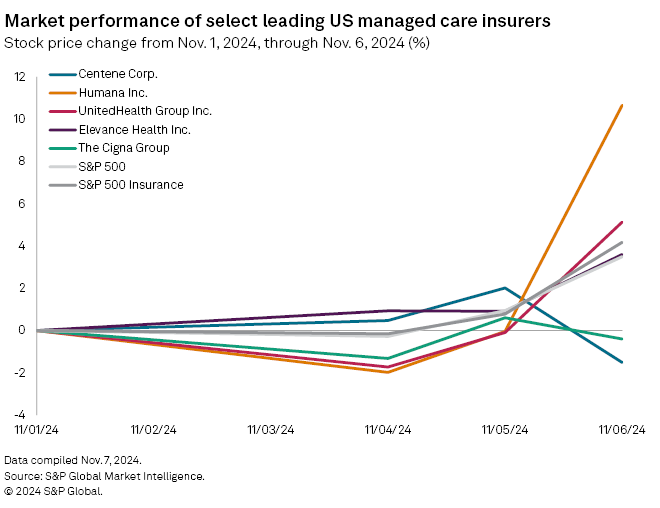
Whether the stock prices just before and after election day are predictive of things to come remains to be seen. For now, the information before us is this:

    • Between Nov 1 and Nov 7, Humana Inc. had the largest increase in stock prices at 10.7%
    • UnitedHealth Group Inc. rose 5.1% in the same time period
    • Both companies had greater stock increases than the average across S&P
    • Elevance Health was in keeping with the rest of the S&P with an increase of 3.6%
    • Molina Healthcare, Inc. and The Cigna Group dropped 0.2% and 0.4%, respectively
Medicare Advantage Stock Trump

Analysts say the jumps are in keeping with expectations that Republican control in Congress and in the White House will be beneficial for Medicare Advantage

Medicare Advantage Stock Trump<br />

Final Thoughts

It’s no secret that The Rowan Report is not a fan of Medicare Advantage. Specifically, the sales tactics used on the elderly and infirmed are predatory and the denial rate is criminal. The more eligible patients sign up for Medicare Advantage the less they will receive the care they need. Further, the more Medicaid has to supplement the cost of Medicare Advantage, the more home care agencies will suffer. Nationally, the more CMS regulates payment rates, pre-authorizations, and denial rates by privatizing Medicaid, the worse off our entire healthcare system will be.

With the state and national associations, we will continue to advocate on behalf of care at home agencies and their patients. And we hope you will too, regardless of who is in office. We have support at the federal level and we will continue to fight the good fight.

# # #

Kristin Rowan, Editor

Kristin Rowan has been working at Healthcare at Home: The Rowan Report since 2008. She has a master’s degree in business administration and marketing and runs Girard Marketing Group, a multi-faceted boutique marketing firm specializing in event planning, sales, and marketing strategy. She has recently taken on the role of Editor of The Rowan Report and will add her voice to current Home Care topics as well as marketing tips for home care agencies. Connect with Kristin directly kristin@girardmarketinggroup.com or www.girardmarketinggroup.com

©2024 by The Rowan Report, Peoria, AZ. All rights reserved. This article originally appeared in Healthcare at Home: The Rowan Report. One copy may be printed for personal use: further reproduction by permission only. editor@therowanreport.com

Product Review: Startup Reimagines the EMR

by Tim Rowan, Editor Emeritus

Catherine Zhang was thriving in product engineering while Mayur Pandya held a similar leadership role for Silicon Valley’s Workday. Their futures were predictable and bright until Catherine’s close friend unexpectedly passed away, changing her career goals as profoundly as her heart.

Over a cup of coffee, Zhang and Pandya learned they both had close family working in health care. The conversation turned to how they might apply their product development expertise to, as they put it today, “improve patient outcomes, empower care teams, and reduce the cost of care in the U.S.”

Their first task was to identify which healthcare sector had a pain point that needed their talents most. Naturally, they found their way to the $129 billion Home Health sector. Ms. Zhang told us they were taken aback by the severity of the harm done to Home Health by Medicare Advantage plans.

Catherine Zhang Narrable

“We learned that over 600 HHAs had closed their doors in the previous five years. MA reimbursement ranges from 60% to 70% of what Medicare pays, and the administrative burden imposed by MA plans is seven to eight times what it is for traditional Medicare. Making matters worse, or perhaps because of these pressures, we found the turnover rate among HHA nurses to be 31%.”

Mayur Pandya Narrable

Fast Forward Two Years

Working together, the pair attracted investors, additional coders, and, most importantly, experienced Home Health advisors and product designers. What began as an idea to ease the workload on the nurse in the field grew into a full-fledged electronic medical record system, complete with AI-enabled intake, scheduling, revenue management, physician signatures, and quality control. Naturally, created in the 2020’s, the new system is built around Artificial Intelligence tools. They dubbed it “Narrable.”

“What we wanted to do,” Ms. Zhang continued, “was to harness the power of AI to eliminate the inefficiencies we were learning from owners and nurses within HHAs. Some spend hours completing assessments and visit notes in the evening because ‘it is too hard to document in the patient’s home.’ Many told us that intake, scheduling, chasing physician signatures, and productivity tracking are too unpredictable or too complex for their existing EMR and they resort to multiple spreadsheets.” One HHA owner told Zhang that he “spent $500,000 last year on double data entry.”

Narrable Features We Saw

Narrable’s roots are in the field nurse’s experience. Ms. Zhang explained that the system’s clinician-centric design can eliminate tens of thousands of “invisible” clinician work. In the product demonstration she walked us through, we were able to understand how an AI engine might save work by eliminating both steps and errors.

    • Scheduler analyzes each clinician’s capacity, ability to accept an additional patient, and geographic location, automatically recommending the best person to take a new case. Still, a human makes the final decision.
    • OASIS assessment answers are automatically checked against referral documents and internal logic quality checks are performd.
    • Clinical notes benefit from AI pre-filling demographic data, reminding the clinician of OASIS determinations and goals stated on the Plan of Care.
    • Eligibility is checked against payer data and prior Home Health admissions
    • Physician PECOS integration auto-fills fields, eliminating repetitive data entry
    • Claims management includes:
      • alerts to find uncompleted tasks that may delay billing
      • automated claims submission
      • automatic monitored and posted remittances

Lastly, Narrable offers a suite of configurable management reports that check for maximum allowable PDGM revenue, HHVBP outcomes that may affect adjustments, and real-time financials. A configurable financial report displays paid vs expected revenue, A/R, adjustments, and denials.

Our Narrable Recommendation

At last month’s inaugural conference of the new National Alliance for Care at Home, we witnessed a virtual AI explosion. Every established tech company and a plethora of startups are diligently experimenting to identify the appropriate role for artificial intelligence in Home Health and Hospice. As with all breakthrough technologies, there will be a race to the finish line, with the large, established companies enjoying a head start and others scrappily inventing and innovating with no legacy products acting as a ball and chain.

In this writer’s opinion, Zhang and Pandya have come up with something different. Any HHA thinking about launching an EMR search and evaluation project would not regret the time invested in giving Narrable a look.

# # #

Tim Rowan, Editor Emeritus

Tim Rowan is a 30-year home care technology consultant who co-founded and served as Editor and principal writer of this publication for 25 years. He continues to occasionally contribute news and analysis articles under The Rowan Report’s new ownership. He also continues to work part-time as a Home Care recruiting and retention consultant. More information: RowanResources.com
Tim@RowanResources.com

©2024 by The Rowan Report, Peoria, AZ. All rights reserved. This article originally appeared in Healthcare at Home: The Rowan Report. One copy may be printed for personal use: further reproduction by permission only. editor@therowanreport.com

Safeguarding Home Care Heroes Part 2

by Marcylle Combs, BS, MS, RN, CHCE

This article is part 2 of 2-part series. Read part 1 here

Protecting our Care at Home Heroes

Preventive Measures and Safety Protocols

To deal with these dangers, several preventive steps have been recommended.

Personal Protection

Personal Protective Equipment (PPE) and hand hygiene are basic but important ways to prevent disease spread. Making sure workers are up to date on vaccinations, following cleaning protocols, and safely handling sharp objects and hazardous materials can also significantly reduce risks.

Beyond PPE

Safety policies personal protective equipment

But safety isn’t just about using PPE. There’s also a need for ergonomic tools to prevent injuries, regular safety checks of patient homes, and ensuring safe driving practices for workers who spend a lot of time on the road. Just as important are communication and conflict de-escalation strategies to help healthcare workers manage tense situations with patients or their families.

Safety policies de-escalation

Training

Training home health workers to spot signs of potential violence or aggression, whether from patients or their families, is vital. They should also have strategies to defuse conflicts and a clear plan to exit safely if a situation turns dangerous. Since hazardous chemicals in the home can be a real threat, agencies should train workers to recognize unsafe conditions and take the necessary steps, like reporting the problem or moving the patient to a safer environment.

Emotional Resilience

A Must-Have for Care at Home Workers

Physical safety is important, but emotional well-being is just as crucial. Feeling emotionally secure—valued, supported, and heard at work—is key to keeping employees engaged and satisfied with their jobs. It helps reduce burnout, absenteeism, and turnover.

Creating a culture of psychological safety starts with good leadership. Managers need to actively listen to their employees’ concerns and encourage open communication. When workers feel that their voices are heard and their opinions matter, they’re more likely to stay proactive and engaged.

Real-Life Examples and the Importance of Strong Policies

The dangers faced by home health workers aren’t just theoretical—they’re very real. I’ve seen this firsthand. As both an owner, administrator, and nurse, there were times we felt unsafe.

One instance that sticks out happened a few years ago

A nurse on a routine visit encountered the patient’s grandson breaking into the house, clearly high on some kind of drug. She and the patient managed to block the bedroom door while she called 911, and thankfully, the police arrived before the grandson could get to them. He was carrying a gun, though she didn’t know that at the time.

Safety policies awareness

Putting Comprehensive Policies in Place

A solid safety program that meets the unique needs of home health workers is a must. This includes having zero-tolerance policies for workplace violence, infection control measures, and clear guidelines for handling dangerous materials. Ongoing education and training are essential to make sure staff follow these protocols.

In addition, there should be regular assessments to gauge how effective safety policies are. Gathering feedback from workers on the ground is crucial to making sure these policies address real-world challenges.

Final Thoughts: Safety is a Mindset

Workplace safety isn’t just about following rules or checking boxes. It’s something that should be part of the culture of every organization. By putting in place measures that protect both the physical and emotional well-being of home health workers, we can ensure that these “home care heroes” continue to provide the critical care that so many people rely on. As Eleanor Everet wisely said, “Safety is not a gadget, but a state of mind.”

# # #

Marcylle Combs Care at Home Worker Safety

Marcylle has faithfully served and advocated on behalf of home health and hospice patients for over 30 years. She started her career as a nurse, worked diligently to strengthen her leadership skills and ultimately became the owner/president of a successful home health and hospice company. She has served the home care industry in Texas and nationally throughout her years on multiple committees, boards, associations and dedicated lobbying efforts. Currently, Marcylle serves on the board of directors for The National Association for Home Care & Hospice (NAHC), the Home Care and Hospice Financial Managers Association (HHFMA) and the Industry Advisory Board. Additionally, she serves on NAHC’s Governance and Nominating Committee, the HHFMA workgroup, Innovations Committee and chairs the Women in Leadership Committee for HHFMA.

As a wife, mother of 5 adult children and as a female in the workplace she aspires to grow and lead others until her last breath on this earth. She continues this quest through three new business ventures she has founded: MAC Legacy, MAC Legacy Investments and The Marcylle Combs Company.     

©2024 by The Rowan Report, Peoria, AZ. All rights reserved. This article originally appeared in Healthcare at Home: The Rowan Report. One copy may be printed for personal use: further reproduction by permission only. editor@therowanreport.com
Here We Go Again

by Tim Rowan, Editor Emeritus

OIG Accuses Medicare Advantage Providers of Padding Patient Assessments...Again

“Hello, this is your Medicare Advantage company calling. I am one of their clinicians and it is time for us to update your health assessment. If you will agree to a home visit, we will send you a $50 gift card to CVS.”

This phone call my brother received is typical, increasingly common, and not necessarily on the up-and-up, according to a new report to CMS from the Department of Health and Human Services Office of the Inspector General (OIG). OIG found that these home visits, known in the insurance industry as “Health Risk Assessments,” (HRA) when coupled with HRA-related claims data, increased Medicare Trust Fund payments to MA companies $7.5 billion in 2022 and twice that in 2023. Most of it went to the top 20 companies.

Concerned woman on a telephone call

The October 2024 report, “Medicare Advantage: Questionable Use of Health Risk Assessments Continues to Drive Up Payments to Plans by Billions,” accuses the industry as a whole of improperly padding payments by “finding” new health conditions during these HRA’s that may indicate the need for additional care at additional cost to the company. It questions the use of MA plan employees doing these assessments instead of relying on the customer’s primary care physician’s reports.

OIG references CMS’s own report, Part C Improper Payment Measure (Part C IPM) Fiscal Year 2023 (FY 2023) Payment Error Rate Results,” to determine that gross overpayments to Medicare Part C plans in 2023 amounted to just over six percent of total payments, or $14.6 billion. The net increase to MA plans, after adjusting for underpayments, brought the percentage to 4.62. Total 2023 payments to MA plans came to $275,605,962,817.

The report also points out that identifying additional customer need during an HRA does not necessarily translate into the insurance company paying for additional care.

OIG Recommendations

In addition to implementing prior OIG recommendations, the new report asks CMS to:

    • Impose additional restrictions on the use of diagnoses reported only on in-home HRAs or chart reviews that are linked to in-home HRAs for risk-adjusted payments,
    • Conduct audits to validate diagnoses reported only on in-home HRAs and HRA-linked chart reviews, and
    • Determine whether select health conditions that drove payments from in-home HRAs and HRA-linked chart reviews may be more susceptible to misuse among MA companies.

CMS concurred with OIG’s third recommendation but rejected the other two.

While the entire 38-page report is well-worth reading, OIG has also published a one-page summary.

At this year’s annual conference of The National Alliance for Care at Home, the new merger of NAHC and NHPCO, a number of education sessions were devoted to teaching Home Health agency owners how to negotiate with Medicare Advantage plans in order to minimize losses and better care for patients who chose those plans. Comments included the high rate of care denial, unreasonable prior authorization policies, and slow payments as compared to traditional Medicare. Other healthcare entities have chosen a potentially more effective response: Just Say No. 

Hospital systems have had enough

According to a roundup of recent decisions by large and small healthcare systems in Becker’s Hospital CFO Report (10/25/24), no fewer than 30 healthcare providers are severing their relationships with one or more MA plans, with another 60 who told Beckers they are seriously considering the same move.

Doctor tears up contract

States Have as Well

A sister publication, Becker’s Payer Issues, reported in its October 23 edition that more and more states are issuing fines against MA plans for violations ranging from excessive denied claims to collection of co-pays when none was required.

How Much Longer?

All of this demands a serious question. How much longer will Home Health continue to tolerate abuse by these giant, for-profit payers now that a different path forward has been paved by hospital systems and state regulatory arms? The loudest voice for Home Health to join the “Just Say No” movement over the last few years has been that of Bruce Greenstein, CTO of LHC Group. Following his company’s acquisition by UnitedHealth’s Medicare Advantage division, Optum, his less loud message is to work with MA plans to teach them what Home Health is and what it can do for them.

Statement from Dr. Landers

In his inaugural address to The Alliance last month, new CEO Dr. Steven Landers called for our entire industry and everyone taking a paycheck from it to join him in advocacy. We fully support that call to action, recognizing that no national association can influence lawmakers and CMS regulators without member support, but he was referring to Medicare rules and payment structures. As we know, that includes less than half of Medicare beneficiaries today. Thanks to deceptive TV ads during open enrollment every year, that number will continue to shrink.

Widespread Advocacy

We need to turn at least part of our advocacy focus to the dominant payers, the MA divisions of insurance companies. Read the Beckers report on the 30 healthcare systems that have torn up their MA contracts. Read the companion report about the epidemic of care denials. Yes, it is a David vs. Goliath story, with even the largest organizations in Home Health dwarfed by the size of the payers. As so many hospital systems have shown, however, it is possible to switch from begging for a few more cents per visit to forcing a plan to beg you to take their patients.

It will only work though if everyone does it. We have already lost LHC Group, and Optum is in the final stages of adding Amedisys to their stable. Out of 11,000 HHAs, there is still a chance we have a united voice loud enough to be heard and taken seriously.

Final Thoughts

One of their improper cost-cutting tactics is routine care denial. For example, the Labor Department alleged that UnitedHealth subsidiary UMR denied all urine drug screen claims from August 2015 to August 2018 without determining whether a claim was medically necessary. In my brother’s case, following his wife’s HRA by her MA company, with no additional care offered, he made the tough choice to put her on in-home hospice care. The assessing nurse immediately detected she had a UTI and ordered the appropriate antibiotics. She responded quickly and may be discharged from hospice soon. Hospice care, of course, is paid by traditional Medicare, not Medicare Advantage.

Tim Rowan, Editor Emeritus

Tim Rowan is a 30-year home care technology consultant who co-founded and served as Editor and principal writer of this publication for 25 years. He continues to occasionally contribute news and analysis articles under The Rowan Report’s new ownership. He also continues to work part-time as a Home Care recruiting and retention consultant. More information: RowanResources.com or contact Tim at Tim@RowanResources.com

©2024 by The Rowan Report, Peoria, AZ. All rights reserved. This article originally appeared in Healthcare at Home: The Rowan Report.homecaretechreport.com One copy may be printed for personal use: further reproduction by permission only. editor@homecaretechreport.com