OASIS, OASIS Everywhere!

by Tim Rowan, Editor Emeritus

OASIS, OASIS, Everywhere

At this year’s annual meeting of The National Alliance for Care at Home, one could not attend a general or breakout session or walk an aisle in the exhibit hall without hearing about artificial intelligence. After 27 years covering Home Health, Home Care, and Hospice technology, I have seen buzzwords come and go. Declared game-changers have evolved from Windows to the iPad, to smartphones, to telehealth, to Big Data, to the Internet itself.

Interestingly enough, the “game” never changed. Patients/clients, nurses/CNAs, claims, payroll, and A/R have always, and will always, keep owners, administrators, and managers sprinting. AI will bring massive changes, but not to these constants.

AI is a Supplement, not a Replacement

There is much concern, and a plethora of articles, about how easily AI can be abused, even with the most noble intentions. We have detected serious concern about a movement to allow AI to make clinical decisions. We concur that this is inappropriate. Advising clinical decisions, providing background on previous patients with similar symptoms, or quickly accumulating data on the history of a chronic condition, can benefit our patients and clients in ways no other technology has been able to do. Making clinical decisions is different in both kind and degree.

This is why we were impressed with the focus on supplementing over replacing that we witnessed in New Orleans.

Ambient Listening for OASIS

When WellSky acquired Kinnser, everyone wondered whether the Home Health EMR would improve or merely be maintained for its customer base. Longtime friend of The Rowan Report, and WellSky and former Fazzi consultant Cindy Campbell, RN, convinced us with her uncharacteristic effusiveness to take another look at the latest WellSky feature.

AI OASIS

How it works

During the OASIS visit, the nurse in the home logs into an app and places it between him/her and the patient. As the normal OASIS conversation takes place, the AI-enabled app not only hears but interprets every nuance of the chat. By the time the OASIS visit is over, the agency’s EMR has been fully populated. Every OASIS question has been answered, and every numerical rating field has been accurately completed.

Human touch

Wisely, WellSky allows no AI OASIS assessment to be saved or signed without review by a human. This is going to become standard practice as AI evolves, or at least it should be, the WellSky rep told us. Machine assistance is far removed from machine perfection. Nevertheless, she asserted, few changes are required by the reviewer, usually a QA nurse.

Beyond OASIS

In addition to streamlining the OASIS assessment visit, the new app gives voice reminders to each nurse of their daily and weekly schedule, and background information about each patient’s visit history, current condition, and goals.

But Wait, There's More

Our AI tour did not end at the WellSky booth. We lost count of the number of smaller companies that were demonstrating the exact same AI-assisted OASIS assessment. It was as though some unknown force ordered, “OK, everyone. It’s 2025. Roll out your Home Health AI functions.”

One of many

Roger is the name of one of the more evolved such apps, from the aptly named Roger Healthcare. We had interviewed co-founder Yunus Ansari several months ago and were impressed by the product’s progress since then. Like WellSky and the others, Roger claims 15-minute OASIS visits, 5-minutes routine visit notes, 2-minutes EMR syncing, and larger per-nurse patient caseloads without additional work time.

Where Do We Go From Here?

Clearly, AI is not a fad. It has already permeated Amazon, Facebook, and most gas and electric vehicles. In Home Health, Home Care, and Hospice, it promises to accelerate research, education, paperwork, and revenue cycle management. Here is the red line in the sand. When used to enhance the efficiency and working knowledge of a nurse, CNA, or non-medical caregiver, it will go a long way toward helping in-home care to keep up with budget cuts, reimbursement reductions, inflation, and nurse/caregiver shortages.

When used to replace the clinical expertise of physicians, nurses, CNAs, and even personal care assistants, it smacks of HAL, the renegade computer of 2001: A Space Odyssey. What we need to do as AI infiltrates more and more aspects of our lives, is constantly remind ourselves that it is only a tool, not a master.

# # #

Tim Rowan The Rowan Report
Tim Rowan is a 30-year home care technology consultant who co-founded and served as Editor and principal writer of this publication for 25 years. He continues to occasionally contribute news and analysis articles under The Rowan Report’s new ownership. He also continues to work part-time as a Home Care recruiting and retention consultant. More information: RowanResources.com
Tim@RowanResources.com

©2025 by The Rowan Report, Peoria, AZ. All rights reserved. This article originally appeared in The Rowan Report. One copy may be printed for personal use: further reproduction by permission only. editor@therowanreport.com


Interoperability and Gen X

by Kristin Rowan, Editor

Interoperability and Gen X

Your Song

Part 1 of this series discussed the timeline and history of interoperability and the slow progress that has been made so far. Both in care at home and the broader health care system, interoperability seems to stall despite regulations and incentives for data sharing. Part 2 takes the discussion into the future when the next generation of care at home patients deals with data silos.

We Didn't Start the Fire

We (Gen Xers) have waited 15 years for HIEs to solve the free exchange of information between health systems. We have also watched and participated in the disparate system for our own healthcare and that of our parents and our children. We are in the unique predicament of needing care for three generations simultaneously. That in-between position gave us the nickname “The Sandwich Generation.” And we are ready to rock this boat!

For What It's Worth

  • More than 65% of us feel like there are barriers to accessing healthcare1
  • More than 70% are using or interested in using AI-assisted diagnosis
  • Almost 75% want Ai-powered care tools
  • 45% believe healthcare will improve in the next 10 years
  • 80% believe that improvement will come from AI-integration and better virtual access
Interoperability Gen X 80s technology

Teach Your Children

Home care patients are still primarily baby boomers who did not grow up with technology embedded in everything they do. Their children, however, did. These are the adult children making decisions for their parents. They are the ones watching their parents sit through hours of Q&A to relay medical history that countless other doctors already have. They are the ones asking “why?”. They know there’s a better way and they expect you to find it.

But, Gen Xers are also independent, resourceful, and adaptable. We are tech-savvy and have a no-nonsense attitude toward authority. We are the generation that doesn’t wait for technology to get better; we create our own. And since our young employees (and our children) eat, sleep, and breathe technology, you can bet the solution will be innovative and quick.

Interoperability and Gen X

It's Now or Never

The next generation of home health patients are approaching 60 and will be eligible for Medicare in 5 years. 2030 is your deadline for interoperability. When our doctors, insurance providers, and home health agencies tell them that information portability isn’t possible, they will not take that answer lying down. When the hospital asks them to drive across town to their imaging center, wait for the imaging center to transfer their results to a CD, and then deliver the physical copy to the hospital (yes, my hospital system made me do this), we will demand to know why.

I'm a Believer

The AI solutions that I’ve seen in the last few years have been innovative, creative, and fascinating. I believe in my fellow Gen Xers and the possibilities that lay before us. I believe that we all have the right to access our own health information, including visits, test results, imaging, notes, and recommendations. And I believe we have the building blocks to unify health records for every patient in real time. If I only I had the coding skills to build it. Maybe I should ask my kids. 

# # #

Kristin Rowan, Editor

Kristin Rowan has been working at The Rowan Report since 2008. She is the owner and Editor-in-chief of The Rowan Report, the industry’s most trusted source for care at home news, and speaker on Artificial Intelligence and Lone Worker Safety and state and national conferences.

She also runs Girard Marketing Group, a multi-faceted boutique marketing firm specializing in content creation, social media management, and event marketing.  Connect with Kristin directly kristin@girardmarketinggroup.com or www.girardmarketinggroup.com

©2025 by The Rowan Report, Peoria, AZ. All rights reserved. This article originally appeared in The Rowan Report. One copy may be printed for personal use: further reproduction by permission only. editor@therowanreport.com

 

AI Eases Clinician Burnout

by Curantis Solutions

AI in Hospice and Palliative Care

Eases Clinician Burnout and Drives Retention

In hospice and palliative care, clinicians are your most valuable and most vulnerable resource. They’re the heart of care delivery, and often the largest expense line item on your budget. But today, many are walking a tightrope between compassion fatigue and after-hours documentation burnout. Hospice organizations can’t afford to lose them. And with AI-powered tools, you don’t have to.

Clinician burnout Is a crisis and a cost center

Hospice nurses and interdisciplinary team members are burning out at unsustainable rates. The emotional weight of their work is immense, but it’s the after-hours charting, documentation delays, and system inefficiencies that often push them over the edge. The cost of clinician turnover is staggering. Onboarding and training a new hospice nurse takes time, money, and trust, and patients feel the impact, too. 

AI bridges the gap without replacing the human touch

Curantis Solutions is leading the way with AI that lightens the load. Our embedded AI assistant, EVA, supports clinicians in real-time, reducing documentation friction and eliminating the need to chart late into the evening. 

How AI may help

  • Voice-to-text documentation
    • captures patient-specific details naturally, as they happen
  • Smart prompts and reminders
    • prevent missed data points and reduce rework
  • Less screen time after shifts
    • improves work-life balance and job satisfaction
  • Clinicians feel more supported and less likely to leave
AI in Hospice and Palliative Care Curantis Solutions

Retain the staff you've worked so hard to hire

When your staff hears that another organization doesn’t have modern tech or AI tools? They stay. Providing intuitive, hospice-specific tools isn’t just about efficiency. It’s about creating a culture that respects their time, honors their energy, and values their expertise. 

AI as a strategic investment in care and culture

Hospice leaders are being called to solve two problems at once:

  • Deliver exceptional, person-centered care
  • Do it with fewer resources and higher costs

AI-powered software like Curantis helps close this gap. By streamlining documentation and workflow, we help you preserve the well-being of your clinicians, which, in turn, protects your operations and your outcomes. 

Imagine this...

  • No more nurses charting late into the night
  • Fewer resignations and higher morale
  • Patients receiving care from clinicians who aren’t drained, but present and energized

# # #

Let's make clinician burnout a thing of the past

Explore how Curantis Solutions empowers your team and strengthens your bottom line. Contact us today to schedule a demo and see how we are making your software experience refreshingly simple with ChartBoost AI. 

Contact us today to see a demo and learn how we are making your software experience refreshingly simple. 

© 2025 This blog article originally appeared on the Curantis Solutions website and is reprinted with permission. For more information, please contact Curantis Solutions directly.

AI in Hospice: 3 Questions Before Adopting

by Curantis Solutions

AI in Hospice

3 question to ask before adoption

AI in healthcare

Artificial intelligence (AI) is transforming healthcare. From voice-to-text documentation to predictive analytics, AI promises to streamline operations, reduce clinician burden, and improve outcomes. However, in hospice and palliative care, where care is deeply personal and the margin for error is razor thin, adopting AI cannot be treated as just another trend. It must be thoughtful, mission-aligned, and clinically appropriate.

AI in hospice

Hospice leaders are under pressure. Staff shortages are real. Regulatory demands like Hospice HOPE are intensifying. Vendor inboxes are flooded with promises of automation, optimization, and return on investment (ROI). It is easy to feel like you must adopt AI quickly just to keep up.

But the truth is, not all AI is ready for hospice and palliative care. And not all hospice organizations are ready to implement it effectively. The stakes are too high to rush.

If your hospice or palliative care organization is exploring AI, here are three critical questions to ask before making a decision:

1. Is the AI built for the way hospice and palliative care work?

Hospice and palliative care are fundamentally different from other healthcare environments. The workflows are interdisciplinary. Much of the documentation relies on narrative detail. Clinicians manage complex emotional, spiritual, and medical needs at the same time. Care is not episodic or transactional. It is longitudinal, values-driven, and highly individualized.

Many AI tools on the market today were built for hospitals or outpatient clinics. They may offer efficiencies in acute care but fail in hospice because they do not understand the subtleties of team-based care, psychosocial documentation, or end-of-life symptom management.

AI for Hospice

Ask the vendor: Has your AI been developed specifically for hospice or palliative care? Or are you expecting our team to adapt to your tool?

Healthcare isn't hospice

Some hospices have tried generic AI dictation tools and found them inadequate. They could not capture the nuance of hospice documentation, especially when it comes to describing spiritual distress, family dynamics, or legacy work. Other teams tried predictive tools that produced frequent, non-actionable alerts that distracted the clinical team and created more work, not less.

Hospice AI must be purpose-built. It needs to support interdisciplinary team meetings, comply with documentation standards like HOPE, and align with Medicare Conditions of Participation. If the tool does not understand your workflow, it will only add friction.

2. Will this AI solution actually save time, or will it create more work?

AI should make your clinicians’ lives easier, not harder. Unfortunately, many solutions promise time savings but fail to deliver because they are poorly implemented or require too much manual oversight.

Here is where hidden costs show up. If your team needs to log into separate platforms, copy and paste information, or manually verify AI-generated content line by line, the benefits quickly disappear. Add in the time it takes to train staff, troubleshoot bugs, and manage updates, and you might find you are investing more time than you are saving.

Ask the vendor: What does your implementation and training process look like? What kind of support do you provide after go-live?

AI in Hospice<br />

Responsible AI vendors should provide more than software. They should offer a clear rollout plan with defined milestones, retraining sessions for staff turnover, and a roadmap for future enhancements. Without this, even the most impressive AI tool will fail to achieve meaningful ROI.

You also want to ensure that your team can trust the AI. If it produces content that needs to be heavily edited or raises questions about accuracy, clinicians will disengage. The best AI makes documentation feel intuitive, not burdensome.

Ultimately, the right solution should reduce charting time, improve documentation quality, and give your clinicians more time for direct patient care. Do not just ask 

what the AI can do. Ask what the experience of using it will be like for your team on day one, day 30, and day 365.

3. Does the AI preserve your mission and center the patient?

This is perhaps the most important question of all. Hospice care is defined by its human connection. Patients and families count on your team to be present, compassionate, and attentive during the most vulnerable moments of life. Any technology you introduce must uphold that standard.

Ask yourself: Does this tool enhance our ability to serve patients meaningfully? Or does it get in the way?

AI should never replace the clinician’s presence. It should support that presence by taking on administrative tasks, summarizing clinical notes, or preparing IDG summaries. It should make care feel more personal, not less.

There is a real risk in adopting tools that do not align with your mission. Some AI solutions are focused solely on efficiency. Others may depersonalize care by reducing complex human experiences into checkboxes or canned phrases. If the technology distances your team from the bedside, it is not the right fit.

Ethical, mission-aligned AI empowers your team. It helps clinicians spend less time documenting and more time connecting. For chaplins, it supports spiritual care providers in crafting better notes. It assists social workers in capturing family dynamics. Finally, it helps the entire team stay informed without increasing their cognitive load.

AI in Hospice

Final Thoughts

Thoughtful evaluation and the right questions make all the difference

The conversation about AI in hospice and palliative care is just beginning. There is enormous potential to reduce burnout, improve quality, and strengthen compliance. But realizing that potential requires more than excitement. It requires asking the right questions, involving the right stakeholders, and choosing tools that are built for this environment.

Before you adopt AI, pause and evaluate:

  • Is this solution designed for how we deliver care?
  • Will this save time or increase workload?
  • Does this align with our mission and center the patient?

If you can answer yes to all three, then you are on the path to responsible, effective AI adoption.
Hospice and palliative care deserve nothing less.

Eleos Navigates Eligibility Risk

Eleos Navigates Eligibility Risk

FOR IMMEDIATE RELEASE

Contact:                  Amanda Wells

awells@sloanepr.com

Eleos Launches AI Scanner to Navigate Medicaid Eligibility Risk in Real Time

The new OBBBA AI scanner uses Eleos’ ambient AI technology to alert providers of patient eligibility changes, preserving revenue and ensuring care continuity amid sweeping Medicaid policy changes

BOSTON, MA, Aug. 20, 2025 — Eleos, the leading AI platform in post-acute care, today announced the launch of the OBBBA (One Big Beautiful Bill Act) AI scanner, the first real-time tool to proactively detect potential changes to Medicaid eligibility during client sessions. The OBBBA AI scanner uses Eleos’ purpose-built ambient AI scribing technology to inform providers about changes that may impact coverage, giving them time to act before Medicaid coverage lapses. The tool was launched in response to sweeping Medicaid funding cuts and eligibility rule changes.

Eligibility Check

Providers can select Medicaid-related “themes” to track such as housing status, diagnosis updates, or life events like marriage or aging out of eligibility. The OBBBA scanner captures contextual clues that could trigger changes in coverage. Providers use this information to take action to prevent eligibility loss, reduce care disruption and maintain treatment continuity. For care organizations, this means fewer denials and greater revenue stability, as well as better client support.

The OBBBA AI scanner arrives at a critical moment: new Medicaid rules introduce shorter retroactive coverage windows, semi-annual (versus annual) redeterminations and narrowed eligibility criteria — all of which lead to a higher risk of churn, especially for vulnerable groups such as people with serious mental illness and those experiencing housing instability.

Eleos Navigates Eligibility Risk

“We’re hearing from leaders across the country that Medicaid redetermination changes are already causing confusion and fear among clients and providers alike. The OBBBA AI scanner gives providers the earliest possible warning via real-time insights so they can protect coverage and avoid treatment disruptions, ensuring clients continue to receive necessary and life-saving care. This kind of provider-first technology is at the core of Eleos.”

Alon Joffe

Co-founder and CEO, Eleos

Embedded seamlessly within the Eleos Documentation experience, the tracker works in tandem with providers’ existing workflows, requiring no additional software or manual data entry.

Industry leader sees Eleos scanner as critical tool

“OBBBA has created significant uncertainty for the behavioral health sector, and organizations need every possible advantage to navigate it. Properly deployed, purpose-built AI tools help organizations navigate an ever-changing landscape while also promoting the health and well-being of clients and communities.”

Chuck Ingoglia

President and CEO, National Council for Mental Wellbeing

Rationale

The OBBBA AI scanner builds on Eleos’ mission to free care providers from administrative burdens and enable better, more data-informed care. Deployed in over 200 organizations in 30-plus states, Eleos is the most-used AI solution in behavioral health, substance use disorder (SUD) treatment and post-acute care. Its suite of AI-powered documentation and compliance solutions has been proven to reduce documentation time by more than 70%, double client engagement and drive 3-4x better treatment outcomes. 

For more information about the OBBBA AI scanner or to request a demo, visit www.eleos.health.

# # #

About Eleos

Eleos is the leading AI platform for behavioral health, substance use disorder, home health and hospice. At Eleos, we believe the path to better care is paved with provider-focused technology. Our purpose-built AI platform streamlines documentation, simplifies revenue cycle management and surfaces deep care insights to drive better client outcomes. Created using the industry’s largest database of real-world sessions and fine-tuned by our in-house clinical experts, our AI tools are scientifically proven to reduce documentation time by more than 70%, boost client engagement by 2x and improve symptom reduction by 3-4x. With Eleos, post-acute care providers are free to focus less on administrative tasks and more on what got them into this field in the first place: caring for their clients.

AI in Home Care

by Laurie Orlov, Founder, Aging and Health Technology Watch

The Future of AI in Home Care

New Research Report

Wed, 06/04/2025

PORT SAINT LUCIE, FL, UNITED STATES, June 4, 2025 /EINPresswire.com/ — The home care industry is facing a crisis. Driven by demographic shifts, longer life expectancy, and rising rates of chronic illness and cognitive decline, the demand for in-home personal care and home health care is surging. This will accelerate as the baby boomers age into their later years – in January, the oldest of the 76 million baby boomers will turn 80. At the same time, the care industries will face a critical shortage of all categories of care delivery, with millions of additional workers needed over the next decade. Against this backdrop, AI technology has emerged to help older adults in multiple ways. In a 2023 report, The Future of AI and Older Adults, AI was already able to produce insights about a person’s health needs and offer a chatbot to help with post-hospital care. In a subsequent 2023 report, AI and the Future of Care Work, it was apparent that AI could help generate an appropriate care plan and that an ‘AI Caregiver’ role was emerging to supplement in-person care delivery. In the 2024 report, The Future of AI in Senior Living and Care, AI was being used to analyze hospital discharge information to compare patient needs to nursing home capacity. 

Today there are many more initiatives and new possibilities for addressing multiple aspects of both private duty home care and home health operations, including assistance with recruiting and onboarding workers, using data to create and update care-related documents, and introducing AI agents that can be assigned to complete specific tasks. As current industry leaders note, AI tech is playing a role in care oversight and enabling the creating of hybrid models – an increasingly likely combination of in-person care supplemented with AI.

This report draws insights from experts across home care, home health care, plus software and device providers, and healthcare sectors to examine how AI is currently being used and suggest what lies ahead within the next five years.

The report can be found at this link: https://www.ageinplacetech.com/page/future-ai-home-care

# # #

Laurie Orlov The Future of AI in Home Care

Laurie M. Orlov, a tech industry veteran, writer, speaker, elder care advocate, is the founder of Aging and Health Technology Watch  market research, trends, blogs and reports that provide thought leadership, analysis and guidance about health and aging-related technologies and services that enable boomers and seniors to sustain and improve their quality of life. In her previous career, Laurie spent many years in the technology industry, including 9 years at analyst firm Forrester Research. She has spoken regularly and delivered keynote speeches at forums, industry consortia, conferences, and symposia, most recently on the business of technology for boomers and seniors. She advises large organizations as well as non-profits and entrepreneurs about trends and opportunities in the age-related technology market.  Her perspectives have been quoted in the Wall Street Journal, the New York Times, Vox, Senior Housing News, CNN Health, AARP Bulletin and Consumer Reports. She has a graduate certification in Geriatric Care Management from the University of Florida and a BA in Music from the University of Rochester. Laurie has provided testimony about technology at a Senate Aging Committee hearing and has consulted to AARP.  Advisory clients have included AARP, AOL, Argentum, Bose, Calix, CDW, Microsoft, Novartis, and Philips. Her reports include: The Market Overview Technology for Aging 2025The Future of AI in Senior Living and CareThe User Experience Needs An Upgrade 2024The Future of AI and Older and Older Adults 2023The Future of Care Work and Older Adults 2023The Future of Sensors and Older Adults 2022Beyond DIY: The Future of Smart Homes and Older Adults 2021, and The Future of Wearables and Older Adults 2021. Laurie has been named one of the Women Leaders in VoiceTop 50 Influencers in Aging by Next Avenue and one of the Women leading global innovation on AgeTech. 

©2025 by Aging and Health Technology Watch. All rights reserved. This introduction and link are printed with permission from the author. For more information or to request usage rights, please contact Laurie Orlov

Meaningful AI

by Scott Green, Care Dimensions at Netsmart

Meaningful AI in Post-Acute

Elevating Care and Efficiency with Integrated AI

Meaningful AI is more than plugging your questions into ChatGPT. It goes beyond Artificial Intelligence into Augmented Intelligence. 

After a long day of caring for patients, a home health nurse pulls into their driveway, bracing for the familiar evening grind — hours of documentation. They take a deep breath, one of relief. They’re not mentally preparing for hours at their laptop, documenting every visit, trying to recall every detail while fatigue tugs at their focus. Tonight is different.

Tonight, they step through the door, greeted by their kids clamoring to show off their school projects. Dinner is already on the table, and for the first time in weeks, they sit with their family—truly present. There’s no need to pull out the laptop after dessert, no late-night race against deadlines. Their documentation? Done. Completed during patient visits, thanks to an integrated AI workflow that not only captured essential details of their patient but also highlighted critical care needs in near real-time.

This isn’t just a glimpse of what’s possible—it’s the reality Meaningful Augmented Intelligence (AI) creates for home care & hospice providers. With AI-assisted documentation tools, caregivers are freed from after-hours work. Repetitive tasks are automated, and accurate, compliant records are captured during visits. As a result, clinicians can focus on what matters most: delivering care to their patients during the day and being present for their families at night.

Meaningful Integrated AI in Care at Home: How it Works and Why It Matters

Integrated AI doesn’t just automate tasks—it enhances every part of the care process. By embedding AI directly into existing workflows, solutions empower clinicians and administrators to work smarter, not harder. Predictive analytics, real-time documentation and automated data entry reduce repetitive tasks and administrative burden, clearing staff to focus on patient care.

Unlike generic AI tools, Meaningful AI supports clinicians at the point of care. It captures essential details during visits, highlights critical needs as they arise, and offers real-time guidance. This isn’t just about making work faster—it’s about making it more human. Integrated AI simplifies workflows and strengthens decision-making, whether it’s anticipating a patient’s end-of-life needs, identifying compliance risks, or supporting proactive billing.

The AI Trifecta

AI isn’t just about automation—it’s about Meaningful AI that directly addresses the needs of community-based providers. With our AI Trifecta, every aspect of care delivery is reimagined to optimize processes, empower staff, and simplify reimbursement.

Optimize Processes

Integrated AI helps organizations operate more efficiently by taking over time-intensive, repetitive tasks, allowing staff to focus on patient care. For example, guided assist tools integrated with clinical workflows proactively coach staff through complex tasks like completing the OASIS assessment or interdisciplinary start of care documentation.

Imagine a clinician documenting care after a patient visit. With AI-powered assistance, charting can pre-fill fields based on visit details, flag potential inconsistencies in near real-time and suggest changes to align with regulatory requirements for a supervisor to review. This reduces errors and speeds up documentation, freeing clinicians to focus on patients rather than administrative tasks.

Predictive analytics empower organizations to anticipate and address challenges early, supporting clinical benefits of Hospice Visits in the Last Days of Life (HVLDL) such as symptom management, reduced patient distress and honoring the patient’s end-of-life wishes.

Empower Staff

The backbone of any agency is its staff. Integrated AI tools relieve the pressures of excessive documentation and administrative burdens. These tools aren’t just about doing tasks faster—they help create a more sustainable work-life balance by addressing challenges like burnout and turnover.

Staff can also benefit from smart task prioritization. Meaningful AI tools can include the ability to log in and instantly see a clear list of priorities based on patient needs and compliance deadlines. This reduces time spent figuring out “what’s next” so that every action directly contributes to better patient outcomes.

Meaningful AI

Simplify Reimbursement

Some AI tools monitor claims for potential issues before submission. Imagine if your system could identify a missing modifier or mismatch in coding then flag the problem and provide actionable suggestions to correct it. This not only increases first-pass acceptance rates but also reduces the exhausting back-and-forth that often accompanies denied claims.

Beyond preventing errors, predictive tools assess patterns in denial risks and reimbursement trends, enabling organizations to adjust strategies proactively. Leaders can use these insights to negotiate better contracts or refine documentation practices, ensuring steady cash flow and financial health and upstream process improvement. This empowers organizations to invest resources where they matter most: improving patient outcomes.

About Netsmart myUnity® NX

With Meaningful AI at the heart of myUnity NX, every part of the healthcare process—from care delivery to financial health—works smarter, not harder. These innovations support not just operational efficiency but also the well-being of care teams. By embedding intelligent workflows, providers have the time and space to focus on what matters most—delivering exceptional, person-centered care. Learn more about Netsmart myUnity® NX

# # #

Scott Green Meaningful AI

Scott Green leads the Care Dimensions business unit at Netsmart. In his role, he leads a team focused on building out a comprehensive suite of solutions designed to support organizations as they digitize their operations beyond the EHR. Green has been with Netsmart for 10 years and has held many roles during that time including leading the Human Services business unit.

Prior to joining Netsmart, he spent 13 years with Pfizer where he focused on building relationships and clinical initiatives with Integrated Delivery Networks.

Scott holds a bachelor’s degree in industrial psychology from Kansas State University and a graduate certificate in healthcare leadership from Park University.

©2025 by The Rowan Report, Peoria, AZ. All rights reserved. This article originally appeared on the Netsmart blog and is reprinted here with permission. For more information or to request permission to print, please contact Netsmart. 

Enabling Care Through AI

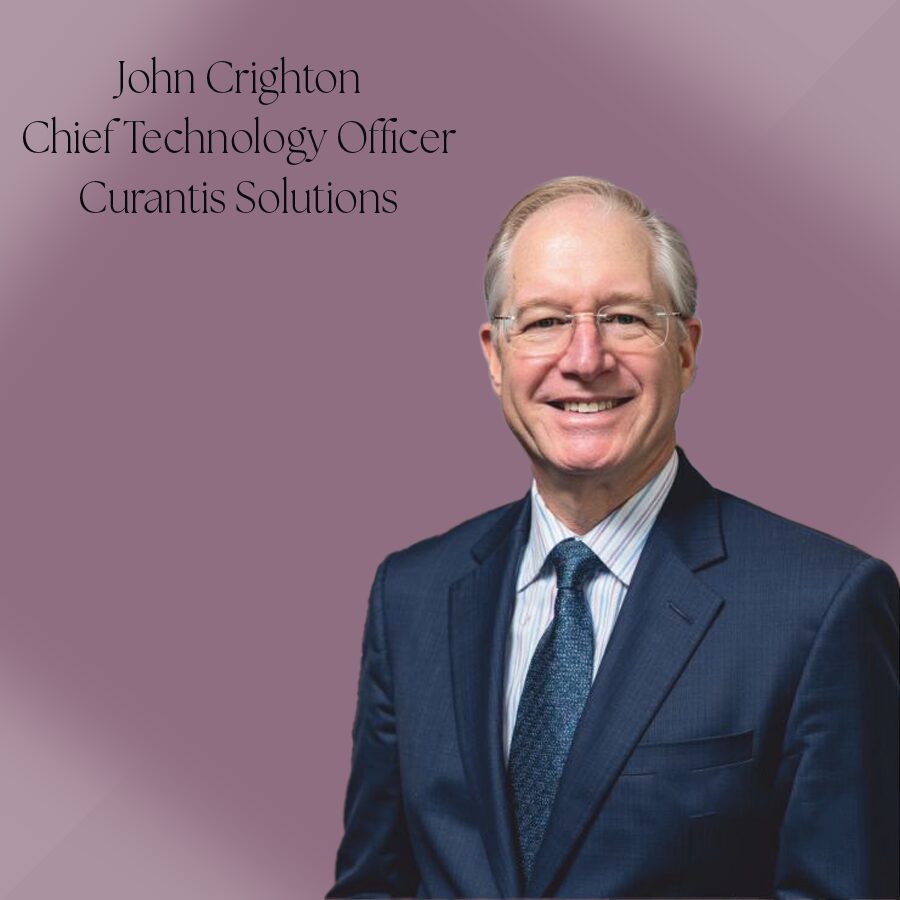
by John Crighton, CTO at Curantis Solutions

Enabling Care Through AI: Ethical Issues

Recently, artificial intelligence (AI) has become an essential component of healthcare organizations. AI is revolutionizing hospice and palliative care by enhancing patient care and optimizing workflows. Its impact is undeniable in these sensitive and life-changing fields. At Curantis Solutions, we are proud to apply AI-driven solutions to support caregivers while upholding ethical standards, enabling care through AI.

The Importance of AI in Hospice and Palliative Care

Hospice and palliative care are primarily based on empathy, understanding, and individual approach. When applied correctly, AI can enhance these core principles in several ways:

  • Improving Efficiency
    • Some of the time-consuming tasks, such as entering assessment notes, reviewing recent documents before a patient meeting, or creating a summary of recent documentation in preparation for a team meeting, can be performed or assisted by AI. By automating these administrative tasks, caregivers can spend more time providing direct patient care.
  • Predictive Analysis
    • AI tools can analyze the patient’s data and predict the possible changes in the patient’s condition, which will help to prevent complications.
  • Individualized Care Plans
    • Based on the patient’s history, AI can help clinicians in the development of care plans that are more accurate in meeting the needs of the patient. Although the idea of using AI in hospice and palliative care is fascinating, it is crucial to approach this issue with caution and always pay attention to ethical issues.

Ethical Issues in the Use of AI in Hospice and Palliative Care

As  the industry incorporates AI into our products and agencies, we need to consider ethical implications such as those shown below:

  • Privacy and Data Protection Issues
    • Hospice and palliative care deal with the patient’s private details. At Curantis Solutions, we ensure that all AI-powered tools comply with the highest security and privacy standards, safeguarding patient data at every step.
  • Bias and Fairness
    • The way AI systems are developed, they are only as good as the data that is used in their development. At Curantis Solutions, we strive to recognize and eliminate any possible prejudice in the AI systems that we develop to benefit all patients.
  • Transparency and Accountability
    • It is important that the caregivers and the patients know how the AI is being used and how the decisions are made. We try to make our AI solutions as transparent as possible, and we ensure that the final decisions are always made by humans. Hospice and palliative care are very personal. This field is defined by the human component, and AI should only supplement it and not replace it. The solutions that we provide are intended to assist clinicians in order to maintain the sanctity of every patient.

A Future of Kindness with the Help of AI

The healthcare sector is changing rapidly, and AI is coming in to improve hospice and palliative care. At Curantis Solutions, we are proud to apply AI in a way that enhances the human factor, ethical values, and the capacity of the caregivers to offer the best care possible to the patient. Therefore, it is possible to envision a future where technology and empathy coexist to ensure that every patient gets the care they require. Leverage AI to reduce administrative burdens for hospice and palliative care.

About Curantis Solutions and AI

The goal of Curantis Solutions is to assist hospice and palliative care providers in the provision of patient-centered and compassionate care. This post discusses how AI can be used in this mission and how it can be done ethically.

We accomplish this in the following manner:

  • Working in partnership with specialists
    • We partner with clinicians, ethicists, and AI experts to guarantee that our solutions are appropriate for the context of hospice and palliative care).
  • Revisiting the Model
    • AI is not set and forgotten; it needs to be assessed and improved on an ongoing basis. We also regularly check the efficacy of our AI tools to ensure that they are accurate, fair, and reliable.
  • Enabling Care Teams
    • Our solutions which are supported by AI are meant to support the skills of the care teams and not to replace them. Thus, we lessen the burden of documentation to allow the providers to focus on the patient and their families more often.

# # #

Curantis Solutions AI John Crighton

John Crighton is a seasoned technology leader, with over 25 years of experience in software development innovation and best practices.

John most recently served as the Chief Technology Officer for Lightning Step, a Behavioral Health SaaS EHR with over 100,000 users. John served on the executive team that scaled the business, contributing to the 40x revenue growth and eventually to a successful exit.  Prior to that, John managed a custom development team at Openlink Financial and was responsible for product quality at SolArc Software. John was part of the management team that led Mission Critical Software to a successful IPO and went on to management roles with JMI Software, NEON Systems, and NetIQ.

John is a veteran of the US Army, and graduated Summa Cum Laude from the University of Houston with a Bachelor’s of Business Administration.

©2024 by The Rowan Report, Peoria, AZ. All rights reserved. This article originally appeared in the Curantis Solutions blog and is reprinted in Healthcare at Home: The Rowan Report with permission. For further permission to reprint, contact Curantis Solutions.

Cracking the Code

by Siva Juturi, Automation Edge

How Home Health Agencies Can Boost Referral Conversion Rates

Referrals are the lifeblood of home health agencies. We’re not just talking about numbers but about connecting families with critical care. Our research shows that 94% of customers will recommend a satisfactory company.

Why Track Referrals?

Referrals:

  • Increase client acquisition efficiency
  • Boost customer loyalty and retention
  • Strengthen sales and revenue

Surprising Referral Sources

A Private Duty Benchmarking Study Notes:

  • 19.5% from current and former clients
  • 8.8% from hospital discharge planners
  • 7.1% from Medicare-certified home health agencies

The Catch

Generating referrals is only half the battle. Despite being a top source of new clients, referral conversions often encounter specific challenges that hinder their effectiveness.

Complications with Referral Conversions

Why converting referrals into paying clients can be tricky:

  • Delayed Response Time
    • Clients often reach out to multiple agencies. The first one to respond usually wins. Yet, it takes intake coordinators about 70 minutes to review a referral packet—plenty of time for potential clients to move on.
  • Misaligned Services
    • About 30% of referrals are rejected because the client’s needs don’t match the agency’s offerings, especially for specialized care.
  • Weak Referral Partnerships
    • Relationships with hospitals, discharge planners, or nursing facilities are gold, but if they’re not nurtured, the referrals dwindle—or worse, they’re not high-quality.

Strategies to Boost Referral Conversion Rate

  • Act Fast with Automation
    • Speed is everything. Implementing a rapid response system with AI-powered referral management can drastically reduce processing times and ensure accuracy. Tools that automate data extraction from referral sources mean fewer errors and quicker responses—clients notice when you’re prompt!
  • Understand Clients Thoroughly
    • Structured information gathering during the first interaction helps you truly understand a client’s needs. Personalizing care plans fosters trust and ensures your services match their expectations.
  • Empower Your Staff
Referral Conversion
    • Your team is the face of your agency. Equip them with training in empathy, effective communication, and problem-solving. Confident staff can address concerns, build rapport, and convert inquiries into long-term relationships.
  • Leverage AI for Communication
    • AI chatbots can handle initial queries, schedule consultations, and follow up with prospects 24/7, all in real-time. This keeps clients engaged, saves time for your team, and ensures no referral slips through the cracks.
  • Track, Ananlyze, and Improve
    • Real-time analytics give you insights into referral patterns, response times, and conversion rates. Use this data to refine your approach, eliminate bottlenecks, and focus on what works.

Final Thoughts

Improving referral conversions isn’t just about getting more leads; it’s about maximizing every opportunity. AI technology with a ready solution workflow can help boost conversion rates by 20%. The right AI solutions can be easy to implement, customized to your needs, and integrates with other business applications.

By acting quickly, communicating clearly, and personalizing your approach, you’ll build trust, grow your business, and help more families find the care they need.

Remember, even small changes can make a big difference. Start today by reviewing your referral process and implementing just one improvement—you’ll be amazed at the results!

# # #

Referral Conversion Rates Siva Juturi
Referral Conversions Rates Siva Juturi

Siva Juturi is Chief Customer Officer and EVP at AutomationEdge. With a passion for technology, he is a thought leader in AI and Automation, dedicated to solving home healthcare challenges. By employing AI and automation, he aims to make healthcare processes more efficient, enrich patient care cycles, and improve overall caregiver, patient & staff experience.

©2024 by The Rowan Report, Peoria, AZ. All rights reserved. This article originally appeared in Healthcare at Home: The Rowan Report. One copy may be printed for personal use: further reproduction by permission only. editor@therowanreport.com

ONSCREEN

FOR IMMEDIATE RELEASE

Contact:                           Michael Farino
New Era Communications
onscreen@newerapr.com
949-346-1984

ONSCREEN Simplifies Senior Care by Bringing Its “Joy” AI Companion to Android Tablets and iPads

A new era of care – ONSCREEN Joy is an AI companion that reduces social isolation, supports aging in place, and enhances quality of life

Las Vegas, Nevada – January 7, 2025 – ONSCREEN, Inc., a senior care technology innovator, today announced that it has expanded its innovative AI-based senior caregiving platform to include Android tablets and iPads. The new ONSCREEN Joy tablet app, is designed to enhance communication, companionship, and care for older adults. Unveiled at CES 2025, this new offering expands ONSCREEN’s mission to address social isolation and make care more accessible for seniors and their families.

Expanding “Joy” AI to Tablets

Building on the success and learnings of its TV-based Moment senior care platform, the ONSCREEN Joy app eliminates the requirement for a new hardware device, and brings ONSCREEN’s most important senior care features of the platform to Android tablets and iPads. This new app enables families to set up a senior care hub using devices they already own, often older generation devices that collect dust once the upgrade cycle comes around. By lowering the barriers to entry and leveraging existing hardware, ONSCREEN Joy enables more seniors and families to benefit from ONSCREEN’s broader caregiving platform.

Onscreen Joy AI

Key Features of ONSCREEN Joy

The app includes a wide range of capabilities designed to enhance the lives of seniors and their families:

  • “Joy” the Personal Companion: Offers engaging conversations, trivia, jokes, and creative activities like painting, bringing entertainment and stimulation to seniors.
  • AI Wellness Check-Ins: Joy performs wellness check-ins in the form of friendly reminders for essential activities like taking medication, eating meals, drinking water, and engaging in physical activity.
  • Automatic Video Call Answering: Automatically connects seniors with trusted family members in their “Favorites” list, making communication seamless. Callers using both iOS and Android devices can easily connect with their older loved ones, overcoming the limitations of proprietary video calling systems tied to specific mobile operating systems (ie FaceTime).
  • Family Zoom Sessions: Allows seniors to join family Zoom calls without requiring any effort, ensuring they stay connected to larger family gatherings.
  • Simple Text, Photo and Video Messaging: Displays text messages, photos, and videos in an easy-to-read format, making it simple for seniors to engage with shared content.
  • Live Interactive Events: Provides access to live events and activities, enabling seniors to participate in engaging and interactive experiences from the comfort of their home, with no technical assistance required.
  • YouTube Content Sharing: Plays videos shared by family members directly on the tablet, offering a personalized entertainment experience.
  • Photo Gallery & Slideshow: Organizes shared photos into a dedicated gallery, creating a visual archive of cherished memories. Optionally, when the tablet is idle, photos of loved ones will be rotating through, effectively providing a convenient picture frame

Updates to the ONSCREEN Family App

In addition to launching the ONSCREEN Joy senior care tablet app, the company has rebranded its existing app for family members and caregivers as ONSCREEN Family. This app continues to provide an intuitive way for families to stay connected with their older loved ones through features like video calls, photo sharing, and real-time updates.

ONSCREEN Family works seamlessly with ONSCREEN Joy, creating a comprehensive solution that meets the needs of both seniors and their support networks. Additionally, ONSCREEN provides a web application for users that prefer to set up Routines on a larger screen, and gives family caregivers the ability to trends and outcomes resulting from Joy’s check-ins with the senior.

“Launching ONSCREEN Joy at CES 2025 is a significant step toward opening up the ONSCREEN ecosystem, and making the powerful capabilities of ONSCREEN available to more families that need them,” said Costin Tuculescu, CEO of ONSCREEN, Inc. “Our goal from day one has been to simplify technology so that seniors feel supported and engaged. By offering a tablet-based solution, we’re removing barriers and empowering families to use their existing devices to provide meaningful care.”

# # #

About ONSCREEN

ONSCREEN is dedicated to addressing the challenges of social isolation among older adults by removing technical barriers around connection, companionship and care. The company’s flagship product, Moment, has transformed senior care by leveraging the familiarity of the TV. Now, with the launch of ONSCREEN Joy, ONSCREEN continues to expand its impact, empowering families and enhancing the lives of seniors. Learn more at www.onscreeninc.com.

©2025 by The Rowan Report, Peoria, AZ. All rights reserved. This press release was submitted by New Era Communications on behalf of ONSCREEN and is printed with permission. For additional information or to request permission to print, please see contact information above.