Meet Dr. Steve Landers, MD

Get to know the new NAHC-NHPCO Alliance CEO

Steven Landers, MD, MPH

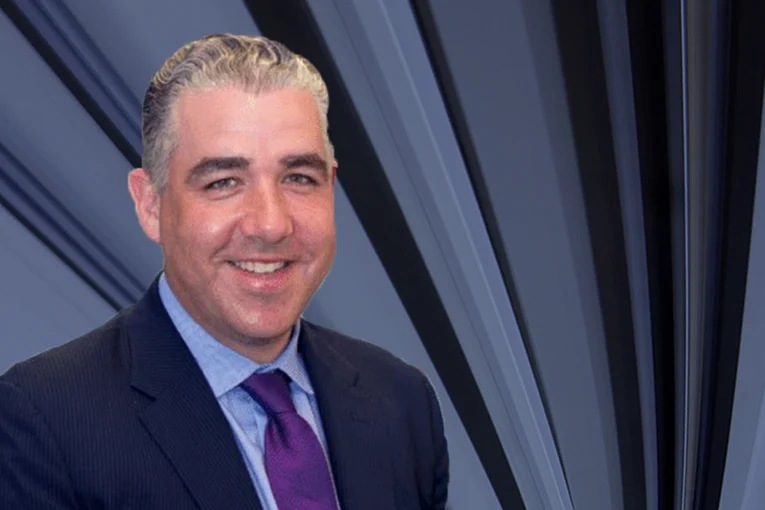
Dr. Steve Landers

Dr. Landers named CEO for joint NAHC NHPCO. A recognized leader and innovator in home health, primary care and aging services, Dr. Steven “Steve” Landers brings almost two decades of experience as a physician, executive leader and public health policy advocate to lead The Alliance as its first Chief Executive Officer.

Physician

As a board-certified physician in family medicine, geriatric medicine, and hospice and palliative medicine, Dr. Landers has dedicated his career to seeking home- and community-based solutions for ill and aging Americans. He is a champion of the impactful role home care and hospice play in the health and lives of communities, acknowledging that as an aging nation, providing compassionate, dignified and cost-effective systems of care to patients is critical.

Education

Dr. Landers graduated from Case Western Reserve University School of Medicine, where his training included a family medicine residency at Case Western and a geriatric medicine fellowship at the Cleveland Clinic. He also attended the Johns Hopkins Bloomberg School of Public Health, where he focused on health policy and management. He received a bachelor of arts in political science from Indiana University in Bloomington.

Early Career

Early in his career, Dr. Landers based his clinical practice on providing health care through house calls and has made thousands of home visits, primarily to low-mobility patients. While in this setting, he saw the need to better connect home care and hospice to the broader health care system and medical community. He understood that to improve patient care, he would need to understand and play a leading role at the intersection of clinical work, health policy and systems of care. He pursued a master’s degree in public health, which contributed to his passion for influencing federal and state policy to improve health care delivery to vulnerable patients.

On The Board

Dr. Landers has served on numerous boards and committees in the home-based care policy space, including past appointments to the boards of directors of the National Association for Home Care and Hospice, American Academy of Home Care Medicine, the Partnership for Quality Home Health, and the Alliance for Home Health Quality and Innovation (now Research Institute for Home Care). He has represented these organizations by engaging policymakers, including meeting with members of Congress; providing committee testimonies for Congress and state legislatures; and discussing home care policies and regulations with the U.S. Secretary of Health and Human Services, the administrator of the Centers for Medicare & Medicaid Services, Medicare Payment Advisory Commission officials, and federal agency staff.

Home Care

Prior to joining The Alliance, Dr. Landers served in several executive leadership roles. He was the director of home care at the Cleveland Clinic, and for more than 11 years was the president and CEO of the Visiting Nurse Association Health Group, Inc. — one of the oldest, largest and highly respected home health, hospice and community health organizations in the country.

As a renowned author and thought leader in the care at home sector, his work has been published in the New England Journal of Medicine, the Journal of the American Medical Association and the Huffington Post. The work of Dr. Landers and his team to prioritize at-home vaccines for homebound seniors during the COVID-19 pandemic also has been featured by major news outlets such as ABC’S Good Morning America and CBS Mornings with Gayle King.

Personal Life

Steve lives in Little Silver, New Jersey, with his wife, Allison, and their three sons. His hobbies include golfing, fishing, hiking, traveling, enjoying good food and watching horse racing. When he is not taking part in these activities, you can find him cheering on his sports teams — the Browns, Cavaliers, Guardians and Indiana Hoosiers.

This bio originally appeared on the NAHC-NHPCO Alliance web site. It is reproduced in The Rowan Report by permission. It may be freely reproduced.

It’s Official! NAHC NHPCO Alliance Name New CEO

WASHINGTON D.C. Steven Landers, MD, MPH, has been named the inaugural Chief Executive Officer of the newly merged NAHC-NHPCO Alliance (The Alliance). A recognized national leader and innovator in home health, primary care and aging services, Dr. Landers brings almost two decades of experience as a physician, executive leader and health policy advocate to The Alliance, which represents care at home and community providers across the country. (Read more about Dr. Landers at our accompanying article in this week’s issue.)

Dr. Landers has dedicated his career to seeking home- and community-based health care solutions for people of all ages. As a board-certified physician in family medicine, geriatric medicine, and hospice and palliative medicine, he is a champion of the impactful role health care at home plays in the health and wellbeing of communities, acknowledging that as an aging nation, providing compassionate, dignified and cost-effective systems of care to patients is critical.

“The Alliance members provide a wide range of high-quality home- and community-based services that promote comfort, dignity and independence. I’m so proud to become a part of this organization, and am eager to serve,” said Dr. Landers. “I’ve had the opportunity in my career to see the health care industry from many vantage points, and in this new role with The Alliance, I will use all that I have learned to make a difference for our members as we continue to expand to meet the growing public needs for our care.”

Prior to joining The Alliance, Dr. Landers served in several executive leadership roles. He was the director of home care at the Cleveland Clinic, and for more than 11 years was the president and CEO of the Visiting Nurse Association Health Group, Inc. — one of the oldest, largest and highly respected home health, hospice and community health organizations in the country. During his most recent tenure as the president and CEO of Hebrew SeniorLife, he led an organization known for superior senior living, geriatric health care, research and teaching.

Dr. Landers has served on numerous boards and committees in the care at home space and has represented organizations by engaging policymakers, including meeting with members of Congress; providing committee testimonies for Congress and state legislatures; and discussing home care policies and regulations with the U.S. Secretary of Health and Human Services, the administrator of the Centers for Medicare & Medicaid Services, Medicare Payment Advisory Commission officials, and federal agency staff.

“Providing leadership around policy and advocacy efforts is critical to our mission at The Alliance,” said Transition Board Chair Ken Albert. “Throughout his career, Dr. Landers served the field as an effective policy advocate, shaping policy at both the state and federal levels. We are thrilled to welcome him as our inaugural CEO, and I know he will build an extraordinary team to offer value for our members.”

Steve Landers NAHC NHPCO Alliance CEO

Early in his career, Dr. Landers based his clinical practice on providing health care through house calls and thousands of home visits, primarily to low-mobility patients. While in this setting, he saw the need to connect home care and hospice to the broader health care system and medical community. He understood that to improve patient care, health care providers need to explore and thrive at the intersection of clinical work, health policy and systems of care. He pursued a master’s degree in public health, which contributed to his passion for influencing federal and state legislation to improve health care delivery to home-based patients.

“Dr. Landers’ rich and diversified experience makes him the ideal candidate to lead our membership as our organization evolves,” said Alliance Transition Board Vice Chair Melinda Gruber. “Working alongside community health workers and within our patients’ homes, he understands what we need as frontline caregivers and advocates.”

Dr. Landers is a graduate of Case Western Reserve University School of Medicine, where his training included a family medicine residency at Case Western and a geriatric medicine fellowship at the Cleveland Clinic. He also attended the Johns Hopkins Bloomberg School of Public Health, where he focused on health policy and management. Additionally, he received a bachelor of arts in political science from Indiana University in Bloomington.

# # #

About the NAHC-NHPCO Alliance 

The NAHC-NHPCO Alliance brings together the National Association for Home Care & Hospice (NAHC) and the National Hospice and Palliative Care Organization (NHPCO), two organizations with more than 90 years of combined experience serving providers of quality care in the home to form one new association. This historic alliance creates a national organization representing providers of home care, home health, hospice, and palliative care, forming the most powerful voice and resource the care-at-home community has seen. The integration process underway is expected to continue through the beginning of 2025. While leadership explores a permanent name, the new organization is operating under the interim name the NAHC-NHPCO Alliance.

Keep track of updated news on the NAHC and NHPCO websites.

This news release originally appeared in The Rowan Report. by permission of the National Association for Home Health and Hospice. It may be freely reprinted.

NAHC NHPCO Town Hall

by Kristin Rowan, Editor

The Alliance

On June 18, 2024, the National Association for Home Care & Hospice (NAHC) and the National Hospice and Palliative Care Organization (NHPCO) announced they had met in Washington D.C. to formally sign an affiliation agreement between the two organizations. After 18 months of meetings, conversations, and compromises, the two groups announced their “Alliance” would be the leading authority of the care at home community.

Bill Dombi Ken Albert Town Hall Alliance

During the opening keynote address at the NAHC Financial Management Conference in July, Bill Dombi, President of NAHC and interim President of The Alliance, and Kenneth Albert, Chair of the Transition Board of Directors overseeing the merger, spoke about the progress they have made.

Albert spoke of the thoughtful consideration the board and members of both organizations have put into this change. They are focusing on the biggest concerns of home health and hospice providers both now and in the future. The unification will create one voice as they advocate for home health and hospice in Washington D.C.

New Leadership

Albert and Dombi shared the stage at the NAHC Financial Management Conference about the ongoing search for a CEO of the new organization. According to Albert, there were some candidates who were very excited about the role, but whom the board did not feel there was a great fit. Contrarily, there were candidates the board eagerly wanted to move forward with who declined to continue the process. According to Dombi, the search has gone outside care at home as they look for the right fit from qualified candidates from multiple industries. Both agreed that they felt the search was close to over and they should have an announcement about the new CEO, and possibly the new name, sometime in August of this year.

New Resources

The conjoined organization promises more than just new leadership. Currently under construction is a new logo and website to encompass both groups. Dombi alluded to new resources for providers, training for quality care, and other tools for the industry. While the organization’s name and leadership are forthcoming, the website is projected to launch sometime in the spring of 2025. 

Operating as One

Since the announcement of the merger last year, and even before the deal was inked, NAHC and NHPCO have already been integrating. Dombi told The Rowan Report in a previous interview that the two groups have already been lobbying together, working on policy together, and integrating the management of the two associations. 

The Last NHPCO Conference and the First Alliance Conference

September, 2024 marks the final standalone event for the NHPCO. The 2024 NHPCO Annual Leadership Conference runs September 16-18, with a pre-conference September 14-15 in Denver, CO. The conference will have on-demand access until December 31, 2024. NAHC members will receive member rates to the NHPCO conference. 

The “2024 Home Care and Hospice Conference and Expo” will be the last conference held solely by NAHC, but we are seeing quite a few hospice companies on the exhibitor list and expect this to be a sneak peek at future conferences. The national conference is scheduled for October 20-24, 2024 in Tampa, Florida. This will also mark the final conference for Bill Dombi as President. Dombi announced earlier this year that he will retire at the end of 2024.

NAHC NHPCO Alliance Town Hall

Town Hall

With quite a few remaining unanswered questions about the future of the two organizations, NAHC and NHPCO hosted a virtual Town Hall on July 31, 2024. With more than 250 association members from both groups in attendance, Bill Dombi and Ben Marcantonio, interim-CEO for NHPCO, along with Kenneth Albert and Melinda Gruber, Vice Chair of the Transition Board of Directors.

Naming "The Alliance"

Albert mentioned that there has been some success using the term Alliance, but it is not a long term solution. The finalization of the name is awaiting some trademark issues to be ironed out and that announcement, which they had hoped to be able to make in July, is coming soon.

CEO Search Update

Gruber thanked the search committee and recruiting firm for their work on the CEO search. Gruber reiterated that they are nearing the final selection phase and after board approval, an announcement will be made. 

Website

Ben Marcantonio, current interim CEO of NHPCO and future CIO of The Alliance confirmed that the new website will allow access to both legacy websites (the current NAHC and NHPCO websites). The new website will have a preliminary version this fall with a fully completed version next spring.

Members of either organization will have full access to the preliminary version of the website this fall. Currently, members can only access information from their own organization, but Marcantonio stressed that if there is information you need, they can help you access it.

Integration

There are eleven committees working together to integrate the two associations. advocacy, programs, education, and HR are a few of these workgroups that each have two to three high priority goals that will most effectively bring about the integration of the two groups. Work plans are now in place to create significant integration by the end of the calendar year. 

Policy and Advocacy

Bill Dombi presented an updated on the joint policy and advocacy issues The Alliance is undertaking. “What stands out for the immediate term has been how the resources have been employed of the two legacy organizations under the banner of The Alliance, focusing on hospice and palliative care,” Dombi said, “In a matter of weeks we saw significant regulatory and legislative action taking place.”

Hospice

The Hospice Final Rule 2025 has undergone an intense review and indepth analysis by members of both teams. The rule will have “tremendous impact” under the Medicare hospice program.

According to Dombi, the two organizations have come together to jointly fund a research project for the Special Focus Program to understand the impact and targeting. Dombi is hopeful that U.S. Representative Earl Blumenauer’s (D-OR) discussion draft will serve as a stepping stone for Hospice reform.

Home Health

The ongoing battle in Congress against CMS is gaining momentum. Dombi said there is a “tremendous amount of support” in Congress to role back the authority of CMS to institute rate changes and rate cuts under the Patient Driven Groupings Model (PDGM). “We have gained a seat at the table, which really helps,” Dombi said. We are continuing with litigation challenging Medicare’s validity of the regulation which has set all these rate cuts in motion.

Medicaid Home and Community-Based Services

The Final Rule modified in a positive way the 80/20 requirement. “We agree with the intentions of improving the status of direct care workers who positively impact so many lives. But in the absence of additional funding, it’s very very difficult to support this rule,” Dombi said. The modification stepped back from the more “draconian” interpretation, but The Alliance is not yet satisfied with the result. There is talk of a joint lawsuit challenging the validity of that rule.

Private Duty

The Private Duty Home Care world, one of the less regulated in the industry, is gaining a lot of attention from Fair Labor Standards as well as Non-Compete Laws. There is currently a joining of forces around solutions that will help Private Duty in the workforce arena, more specifically the Credit for Caring Act, which is gaining some traction, and would offer some financial support for family members who are paying for home care services directly.

The Alliance Needs You

Bill Dombi’s final statement in the Town Hall meeting centered on advocacy. He called for everyone who was in attendance and every member of both legacy organizations to join the fight. Everyone needs to part of that team of advocacy.

Final Thoughts

There is much more news to come out of these to associations as we near the end of 2024, and still more through the first quarter of 2025. The Rowan Report expects additional announcements to be made at both the NHPCO and NAHC annual conferences and we will be there to update everyone on the progress and statements coming out of those two meetings. 

# # #

Kristin Rowan, Editor

Kristin Rowan has been working at Healthcare at Home: The Rowan Report since 2008. She has a master’s degree in business administration and marketing and runs Girard Marketing Group, a multi-faceted boutique marketing firm specializing in event planning, sales, and marketing strategy. She has recently taken on the role of Editor of The Rowan Report and will add her voice to current Home Care topics as well as marketing tips for home care agencies. Connect with Kristin directly kristin@girardmarketinggroup.com or www.girardmarketinggroup.com

©2024 by The Rowan Report, Peoria, AZ. All rights reserved. This article originally appeared in Healthcare at Home: The Rowan Report. One copy may be printed for personal use: further reproduction by permission only. editor@therowanreport.com

Chevron Deference Derailed

by Kristin Rowan, Editor

Chevron Deference

“A government agency must conform to any clear legislative statements when interpreting and applying a law, but courts will give the agency deference in ambiguous situations as long as its interpretation is reasonable.”

This statement followed the unanimous (minus the three who did not take part in the decision) U.S. Supreme Court decision in the Chevron U.S.A., Inc. v. National Resources Defense Council. The case is known for establishing the extent to which a federal court should defer to a government agency’s interpretation of an ambiguous statement when constructing statutes.

Breaking Down Chevron Deference

For those of you who don’t have a law degree, here’s what that means:

  • When a statutory term (required by law) is not explicitly defined and explained by Congress, there is room for interpretation
  • When a government agency interprets that statutory term, the interpretation may come under question
  • As long as the interpretation is not arbitrary (random), capricious (impulsive or unpredictable), or contrary to the statute (opposite the intent when put into practice), federal courts should give more weight to the government agency’s interpretation than to any other interpretation

Implications

At the time, the Supreme Court argued that if Congress leaves a term open to interpretation, it is either stated openness to interpretation, or an implied openness to interpretation. If a statute is implicity open, the intent of Congress is to allow a government agency to create provisions and regulations from that statute as they see fit. 

No one foresaw the impact this ruling would have on commerce and regulation in the U.S. To date, the Chevron Doctrine has been cited nearly 18,000 times in federal court decisions. The application of a statute based on agency interpretation could no longer be questioned or changed by judicial review.

Chevron Deference in Home Health

Since the advent of the PDGM model, CMS has calculated payment rates based on its interpretation of budget neutrality. The National Association for Home Care and Hospice has disputed the validity of both the interpretation of budget neutrality and the formulas used to calculate it.

Last year’s 2024 CMS Proposed Rule cut payment rates even further with a 2.890% Budget Neutrality permanent payment rate adjustment and a temporary rate adjustment to account for alleged overpayments from 2020-2022.

The lawsuit filed against CMS in response to the 2024 Final Rule was dismissed. NAHC began pursuing an administrative review with CMS. However, CMS has already stated that their final position is that budget neutrality has been calculated within the law. 

NAHC Comment: 2023 CMS Rule

“That proposal also fails logically in that it puts care access in severe jeopardy in applying a budget neutrality reconciliation methodology that takes PDGM-induced behavior changes to assess what otherwise would have been expended by Medicare in the absence of PDGM. In doing so, CMS fully fails to meet its obligation to ensure that the transition to a new payment model is budget neutral.”

  1. NAHC Comment Source

Chevron Deference Repealed

In a landmark ruling on Friday, June 28. 2024, the Supreme Court removed the power of federal agencies to interpret laws and ruled that the courts should rely on their own intrepretation of ambiguous laws. Justice Elena Kagan, who dissented the ruling, predicts this change “will cause a massive shock to the legal system.”

Chief Justice John Roberts explained in his opinion that the Chevron Deference is inconsistent with the Administrative Procedure Act (APA). The APA is a federal law which contains instructions for courts to review actions by federal agencies. According to Roberts, the APA directs courts to decide legal questions using their own judgment. Therefore, he noted, agency interpretations of statutes are not entitled to deference. “…it remains the responsibility of the court to decide whether the law means what the agency says,” concluded Roberts.

NAHC to Refile Lawsuit after Chevron Deference Repeal

2024 Final Rule

In April, 2024, the lawsuit filed against CMS regarding the methodology for calculating budget neutrality was dismissed. Now, NAHC can refile the lawsuit and force CMS to justify its decision to enact repeated reimbursement cuts for home health.

In an interview on Wednesday, Bill Dombi told The Rowan Report, “This improves the chances of success for our lawsuit. CMS is going to have to support their regulatory interpretations going forward. Congress is going to have to offer more detail in its legislative language, leaving less to being open to interpretation.” Regarding the PDGM lawsuit, CMS argued that the law was clear and the agency’s interpretation was valid. The overturning of Chevron Deference allows the possibility of arguing that CMS’s interpretation of the law is flawed. 

80/20 Rule

Dombi also explained that the Ensuring Access to Medicaid Services rule, also known as the 80/20 rule, was “drawn out of a whole cloth.” Previously, there were limited avenues available to challenge this rule. The repeal of Chevron Deference significantly improves the ability to challenge the 80/20 rule. The argument now, Dombi told The Rowan Report, is “Does CMS even have the authority to do this?”

More to Come

The Rowan Report anticipates more news coming out of Washington D.C. and the NAHC office regarding the 2024 pay cuts and the 80/20 rule. We will provide ongoing updates and information as it becomes available.

# # #

Kristin Rowan, Editor

Kristin Rowan has been working at Healthcare at Home: The Rowan Report since 2008. She has a master’s degree in business administration and marketing and runs Girard Marketing Group, a multi-faceted boutique marketing firm specializing in event planning, sales, and marketing strategy. She has recently taken on the role of Editor of The Rowan Report and will add her voice to current Home Care topics as well as marketing tips for home care agencies. Connect with Kristin directly kristin@girardmarketinggroup.com or www.girardmarketinggroup.com

©2024 by The Rowan Report, Peoria, AZ. All rights reserved. This article originally appeared in Healthcare at Home: The Rowan Report. One copy may be printed for personal use: further reproduction by permission only. editor@therowanreport.com

Joint NAHC-NHPCO Statement on Signing of Affiliation Agreement

June 18, 2024

Washington, D.C. and Alexandria, VA – On June 10, the Board Chairs and chief executive officers of the National Association for Home Care & Hospice (NAHC) and the National Hospice and Palliative Care Organization (NHPCO) met in Washington, D.C. to formally sign the affiliation agreement between the two leading organizations in the care at home community.

NAHC and NHPCO are the two largest organizations representing and advocating for providers of care in the home and the millions of disabled, elderly, and dying Americans who depend on that care. With more than 90 years of experience between them, NAHC and NHPCO provide world class education to help their members deliver the best possible care and tireless advocacy to expand access to home and community-based services.

“The NAHC-NHPCO Alliance will be the leading authority and unifying voice of the care at home community,” said NAHC Board Chair and Chair-Elect of the Alliance Kenneth Albert. “The leadership of both organizations have worked for 18 months to make this happen and the talented staff at NAHC and NHPCO are already hard at work integrating the two organizations. Together, we will make home the center of health care.”

“This alliance between NHPCO and NAHC will create the most powerful voice the care at home community has ever had,” said NHPCO Board Chair and Vice Chair-Elect of the Alliance Melinda Gruber. “For members, it means access to the best education and expert advice, as well as a strong advocate for sensible policies that help providers deliver the best possible care to the millions of Americans who need it the most.”

“The affiliation of NAHC and NHPCO is a historic event,” said NAHC President and CEO William A. Dombi. “Unifying the voice of health care at home has been a longstanding goal of NAHC, as it is the essence of the original formation of NAHC in 1982. Combining our two organizations will significantly strengthen that voice for the benefit of our members and the patients they serve.”

“The community of providers delivering care primarily in people’s homes is stronger when we work together,” said NHPCO Interim CEO, Ben Marcantonio. “We have demonstrated that strength in recent years with shared advocacy efforts and joint research that have helped change the conversation in Washington and beyond. Aligning NHPCO and NAHC into one new organization will mean we can better serve our members well into the future.”

The signing of the agreement takes NAHC and NHPCO into a new phase of an ongoing process. Beginning July 1, the organizations will begin integrating operations, a process that is expected to take the rest of the year.  That process will take place under the name the NAHC-NHPCO Alliance while the future name of the organization is determined. Considerable progress on a new name has been made and is in process of trademarking approvals. Meanwhile, a robust search for a CEO for the new organization is under way, with dozens of qualified candidates being considered.

Press Contacts:

  • Thomas Threlkeld, NAHC Director of Communications
  • Elyssa Katz, NHPCO Marketing and Communications Manager

###

About National Association for Home Care & Hospice (NAHC)

The National Association for Home Care & Hospice (NAHC) is the voice of home care and hospice. NAHC represents the nation’s 33,000 home care and hospice providers, along with the more than two million nurses, therapists, and aides they employ. These caregivers provide vital services to Americans who are aged, disabled, and ill. Some 12 million patients depend on home care and hospice providers, who depend on NAHC for the best in advocacy, education, and information. NAHC is a nonprofit organization that helps its members maintain the highest standards of care. To learn more, visit http://www.nahc.org.

About NHPCO

The National Hospice and Palliative Care Organization (NHPCO) is the nation’s largest and oldest membership association for providers who care for people affected by serious and life-limiting illness. Our members deliver and expand access to high-quality, person-centered interdisciplinary care to millions of Americans. NHPCO provides education and resources to support that mission. Together with our advocacy partner, the Hospice Action Network (HAN), we serve as the leading voice advancing public policy to improve serious-illness and end-of-life care, while our CaringInfo program provides free resources to educate and empower patients and caregivers. nhpco.org.

NAHC and NHPCO Sign Affiliation Agreement

by Kristin Rowan, Editor

BREAKING NEWS

In a joint statement on June 18, 2024, NAHC and NHPCO announced that the Board Chairs and CEOs of each organization met in Washington. During this meeting, they formally signed the affiliation agreement. This is a union of the two largest advocate organizations for care at home providers. They hope to unify the voice of the care at home community. The combined resources of the organizations will provide education, expert advice, and increased advocacy for policies that help deliver the best care to those who need it most.

After 18 months of discussions, meetings, and challenges, the two organizations have agreed on terms for the combining of the two groups.


“The affiliation of NAHC and NHPCO is a historic event,” said NAHC President and CEO William A. Dombi. “Unifying the voice of health care at home has been a longstanding goal of NAHC, as it is the essence of the original formation of NAHC in 1982. Combining our two organizations will significantly strengthen that voice for the benefit of our members and the patients they serve.”

Read the full press release from NAHC and NHPCO here.

# # #

Kristin Rowan, Editor

Kristin Rowan has been working at Healthcare at Home: The Rowan Report since 2008. She has a master’s degree in business administration and marketing and runs Girard Marketing Group, a multi-faceted boutique marketing firm specializing in event planning, sales, and marketing strategy. She has recently taken on the role of Editor of The Rowan Report and will add her voice to current Home Care topics as well as marketing tips for home care agencies. Connect with Kristin directly kristin@girardmarketinggroup.com or www.girardmarketinggroup.com

©2024 by The Rowan Report, Peoria, AZ. All rights reserved. This article originally appeared in Healthcare at Home: The Rowan Report. One copy may be printed for personal use: further reproduction by permission only. editor@therowanreport.com

The Future of NAHC: An Interview with Bill Dombi

by Kristin Rowan, Editor

NAHC President Bill Dombi announced at last week’s CAHSAH annual meeting and expo that he would end his tenure at NAHC and retire at the end of 2024. We reached had an interview with Dombi on Thursday, May 23rd. He said he was not prepared to speak yet about his upcoming retirement, but we should hear more about that soon.

In the meantime, he provided additional details from his session at CAHSAH. We also discussed updates on the lawsuit against CMS and the status of the merger between NAHC and NHPCO. Tim’s article from last week talks about Dombi’s progress with Senator Wyland.

Ongoing Litigation

When we last spoke with Bill, he told us about the lawsuits filed against CMS. The suit claims that the budget-neutral calculations were based on faulty data and outdated software. These calculations determined the reimbursement rate reductions. Dombi explained the process for those lawsuits.

“The first round of the battle is around whether the court has the power to hear the case either at all or at that point in time. The courts are littered with litigation that have been dismissed on jurisdictional grounds,” Dombi offered. The court dismissed the lawsuit and the case is now closed. The Department of Justice (DoJ) attacked jurisdiction to get the case dismissed. Most concerning, according to Dombi, was the DoJ’s question of whether the statute passed by Congress precluded any litigation. If the courts had found in their favor, they would have dismissed the lawsuit no further suits could be filed. Luckily, that argument didn’t hold. The second attack was whether NAHC had expedited administrative review, which is the argument that caused the dismissal. Now, they have to establish that it would be futile to get CMS to agree to expedited judicial review.

Next Steps

In light of the dismissal, NAHC had to decide whether to appeal the ruling, exhaust the expedited review step with CMS, or both. Ultimately, they decided not to appeal and is pursing the review with CMS. This process could take up to 6 months, according to Dombi. Although they are pursuing the review, CMS has already stated that their final position is that the budget neutrality has been calculated within the law. Dombi feels the review is futile because CMS is not going to change their position. Now, they just have to prove the futility.

Two-Step Approach

Advocacy from NAHC, NHPCO, and other individuals and organizations was always intended to be a two-pronged effort: Litigation and Congress. The two do not interfere with each other. Even though the court dismissed the litigation suit in favor of judicial review, the approach in Congress continues. Of Senator Wyland, Dombi said, “A year ago at this time, his view was that home health agencies needed no relief. Now, he’s indicated a willingness to find a way to help home health agencies and recognizes that the cuts have been harmful to home health agencies and others that provide care.” According to Dombi, it was the personal stories and individual provider information that was crucial in swaying Wyland. The organizations continue to meet with other members of Congress to persuade them in the same way.

Dombi Provides Merger Update

Last year, NAHC and NHPCO announced they would join forces and merge into a new, as yet to be named, organization. That merger is still moving forward, but there are a lot of odds and ends to tie up. Dombi told us, “Nothing is final, final, but I don’t see anything but tailwinds moving forward.” The two organizations are still hoping for a July 1, 2024 launch of the organization. There is an active, open search for a new CEO to actively run both organizations as one. According to Dombi, no one has been slated for that position yet, so they may end up launching before there is a CEO in place.

The two organizations have already started integrating. They have lobbied together and they have worked on policy together. Additionally, they are integrating the association management system and building a website. “We feel confident enough that it’s going to reach the finish line that we’re investing time and money in these elements,” Dombi said. The two organizations can continue to operate together without a CEO, but there are a lot of decisions that need to be made that won’t be made until after there is a CEO.

After the Merger

Once the merger is complete and the two organizations operate under a new name with a new CEO, Dombi and his counterpart Bill Marcantonio of NHPCO will stay on for some time. Dombi will take the title President Emeritus and Council to the organization and Marcantonio will become the Chief Integration Officer. The new name of the organization has not been announced. Dombi says a lot of things are tied together, from an action standpoint, and it’s better to announce all of those details together along with the new name.

Reflections From Bill Dombi

When asked what was next for him after the merger is completed and he moves to retirement, Dombi reflected on his career:


“I’m proud of what I’ve accomplished in my life, but I’m more proud of what the people I work with I have accomplished. It’s not the first time we’ve tried to merge the two organizations, but this time, we had all the right ingredients and I’m proud of that. I live with the confidence that my constituency is up to the challenge. Every time they get kicked back, they’re right back at it.

To see where we are today compared to the 70s, we are so many light years ahead of where we were then. I mean, we’re talking about a hospital level of care at home. That was part of the dream. The fore-runners of healthcare at home truly believed those things were possible. The problems that caused the workforce shortage are multi-faceted, so the solutions are multi-pronged.”

Bill Dombi Spring Tour
We will continue following the story of both the lawsuits and the merger and update you as soon as there is more information.
Kristin Rowan, Editor
Kristin Rowan has been working at Healthcare at Home: The Rowan Report since 2008. She has a master’s degree in business administration and marketing and runs Girard Marketing Group, a multi-faceted boutique marketing firm specializing in event planning, sales, and marketing strategy. She has recently taken on the role of Editor of The Rowan Report and will add her voice to current Home Care topics as well as marketing tips for home care agencies. Connect with Kristin directly kristin@girardmarketinggroup.com or www.girardmarketinggroup.com

©2024 by The Rowan Report, Peoria, AZ. All rights reserved. This article originally appeared in Healthcare at Home: The Rowan Report. One copy may be printed for personal use: further reproduction by permission only.
editor@therowanreport.com

Bill Dombi Spring Tour has two Major Announcements

by Tim Rowan, Editor Emeritus

Bill Dombi Spring Tour

For the last time, NAHC President Bill Dombi is spending another Spring on airplanes. It is state association meeting season, and the Bill Dombi Spring Tour has been bringing his regular Capitol Hill update from coast to coast, this time adding the announcement that he will retire at the end of the year.

After 40 years with NAHC, the lengthy standing ovation Californians gave him at the end of his Tuesday speech was well-deserved.

Advocacy and Change

Bill’s core message has not changed, though the details of his ongoing battle to force CMS to take HHAs and Hospices more seriously has its 2024-2025 nuances. “Letting Congress know that you are an important healthcare sector, and clearly the most popular sector, is not NAHC’s job alone. Every one of you has power. Use it. Make your voices heard.”

Meetings with the Senate Finance Committee

To illustrate the point, he related a story about his recent visit to Portland to meet with the Chair of the Senate Finance Committee, Ron Wyland (D-OR).

“Senator Wyden has been one of the major roadblocks to Medicare agencies getting fair payment rates. I went to see him with a group of agency owners and workers to describe the hardships the current and planned pay rate cuts will impose, and to explain the exact problems with the dumb formula CMS is using to calculate those pay rates.

“The Senator said, ‘But MedPAC says you make too much money and rates should be cut. Were they wrong? Or has something changed?’

Reaching Agreement…Almost

“Both, the group and I harmonized. One by one, each agency representative told him about the growing demand of an aging population, the difficulty hiring staff with the salaries our low pay rates allow them to pay, and a full litany of all the problems with Medicare Advantage.

“By the end of our meeting, we hadn’t turned him 180 degrees, but I could see he was beginning to turn.”Later, Dombi added, he met with Senator Debbie Stabenow (D-MI), who is not only a member of the same Finance Committee but the fourth in line in the Senate pecking order. She offered to have a conversation with her colleague, and that turned Senator Wyden the rest of the way toward changing his position 180 degrees.

You Can Make a Difference

“If you think you as an individual owner have no power in Sacramento, Congress, or the White House,” Dombi concluded, “think again.”

See sidebar for the complete list of Finance Committee members. Everyone has power, but if you are a voter in one of their states, you have an even more powerful voice.

The Bill Dombi Spring Tour will continue throughout the year until his retirement. Join Dombi at the 2024 Financial Management Conference & Expo in Las Vegas, July 21-23 and at the 2024 Home Care and Hospice Conference and Expo in Tampa, October 20-22.

Bill Dombi Senator Wyden

Senator Ron Wyland (D-OR)

SENATE FINANCE COMMITTEE MEMBERS

Chair: Ron Wyland (D-OR)
Ranking Member: Mike Crapo (R-ID)
Debbie Stabenow (D-MI)
Chuck Grassley (R-IA)
Maria Cantwell (D-WA)
John Cornyn (R-TX)
Robert Menendez (D-NJ)
John Thune (R-SD)
Thomas Carper (D-DE)D-
Tim Scott (R-SC)
Benjamin Cardin (D-MD)
Bill Cassidy (R-LA)
Sherrod Brown (D-OH)
James Lankford (R-OK)
Michael Bennet (D-CO)
Steve Daines (R-MT)
Bob Casey (D-PA)
Todd Young (R-IN)
Mark Warner (D-VA)
John Barrasso (R-WY)
Sheldon Whitehouse (D-RI)
Ron Johnson (R-WI)
Maggie Hassan (D-NH)
Thom Tillis (R-NC)
Catherine Cortez Masto (D-NV)
Marsha Blackburn (R-TN)
Elizabeth Warren (D-MA)

# # #

Tim Rowan, Editor Emeritus

Tim Rowan is a 30-year home care technology consultant who co-founded and served as Editor and principal writer of this publication for 25 years. He continues to occasionally contribute news and analysis articles under The Rowan Report’s new ownership. He also continues to work part-time as a Home Care recruiting and retention consultant. More information: RowanResources.com
Tim@RowanResources.com

©2024 by The Rowan Report, Peoria, AZ. All rights reserved. This article originally appeared in Healthcare at Home: The Rowan Report.homecaretechreport.com One copy may be printed for personal use: further reproduction by permission only. editor@homecaretechreport.com

CMMI Terminates Hospice Carve-In Demonstration

From the NAHC News Desk,

Late on Monday, March 4, the Center for Medicare and Medicaid Innovation (CMMI) announced it plans to formally end the Value-Based Insurance Design (VBID) Medicare Advantage hospice “carve-in” demonstration on December 31, 2024, and that it will not accept applications to the previously released CY 2025 Request for Applications (RFA) for the hospice component of the Model. In its announcement, CMMI stated that it made the decision to terminate the demo “after carefully considering recent feedback about the increasing operational challenges of the Hospice Benefit Component and limited and decreasing participation among MAOs that may impact a thorough evaluation”. CMMI recently solicited input on the carve-in via a public request for information (RFI).

NAHC was pleased to be able to provide detailed comments to the RFI highlighting our members’ ongoing concerns and frustrations with the demonstration and registering our deep skepticism that the model was necessary or appropriate for hospice patients and families. We are pleased to see CMMI has decided to end this particular demo, and we look forward to continuing to work with them to advance innovation in care delivery and payment models for people with serious illness.

Since the carve-in was first announced, NAHC has maintained our strong opposition to the premise that incorporating hospice into the Medicare Advantage was necessary or would lead to positive outcomes. In 2019, NAHC emphasized our “unqualified opposition” to the program when it was first unveiled, and after more details were released in the model’s first request for applications (RFA); We have continued to stress our concerns since model implementation began, working with our hospice members to solicit feedback and translate those experiences into direct advocacy with CMS, CMMI, and members of Congress. As early evaluation data and inputs highlight, the model has been extremely burdensome for both hospices and participating plans, and has had no measurable positive impact on beneficiary or family outcomes, care experiences, or Medicare spending.

In the announcement about the model’s termination at the end of 2024, CMMI stated that the decision is not a result of the demo “not meeting its goals”, and that the agency will continue its evaluations of the hospice component to assess its overall impact. Over the course of the three years of the model, it was clear to NAHC that the demo was not meeting CMMI’s stated goals to drive greater care continuity and higher quality hospice care for beneficiaries and families. We also questioned the premise that a carve-in would save the Medicare program money in the long run. Contrary to what the VBID evaluators found, the seminal 2023 NORC research demonstrated that hospice utilization in the traditional Medicare program saves billions of dollars a year while delivering high-quality care.

CMS also indicated in their notification that later this year, they will issue additional guidance to ensure that “all obligations of any impacted organization may be met in a timely and reasonable manner so that hospice beneficiaries in the Hospice Benefit Component maintain a coordinated, seamless care experience.” NAHC will be following up directly with CMMI to better understand what may be included in this guidance and when it may be released.

Increasing access to hospice care remains NAHC’s primary policy goal. We are committed to working to improve more timely connection to hospice, reducing the percentage of very short stays that make it difficult to benefit fully from the hospice model, and ensuring every provider is capable of delivering high-quality, person-and-family-centered services. We appreciate our engagement with CMMI on the carve-in over the years, and we welcome the opportunity to collaborate with them on new ways to support seriously and terminally-ill people and their families.

© 2024 NAHC This article was originally published on the NAHC website. All rights reserved.

NAHC Fights for Advocacy on Capitol Hill

By Kristin Rowan, Editor

The National Association for Home Care and Hospice joined other advocacy groups this month on Capitol Hill to fight against the looming pay cuts from CMS. Some members of Congress joined the fight for “common sense policies” to expand access to care in the home for Americans.

Rep. Adrian Smith (R-NE-3), who spoke at the event, decried moves against home health, saying “there are cuts looming that are not based on reality” and “we want to make sure reimbursement policies are reflective of the actual realities.” Smith is also the representative who introduce the “Homecare for Seniors Act,” H.R. 1795, which would allow the use of Health Savings Accounts (HSAs) to be used for home care.

Rep. Terri Sewell (D-AL-7) has a personal connection to home care and spoke about how her mother cared for her father through a series of strokes he suffered. She expressed strong opinions about payment reductions that could see home health lose as much as $20 billion dollars over the next ten years. Sewell called the idea “frightening” and said, “I am a big fan of making sure that my constituents have access to quality, affordable health care.”

The Medicare program has admitted that home health is not just a bringing of great care and not just a more cost effective way to provide care, but is a service that provides dynamic value. Care in the home has decreased overall costs by $3.2 billion dollars just in the small segment of value-based payment model test cases. Patients who receive care in the home are re-admitted to the hospital 37% less frequently than those who do not and are 43% less likely to die than patients who do not receive care at home. Still, CMS is looking at additional pay cuts which bring the total payment reduction down 13.72% since 2019. The costs of everything else have increased in that time. According to the U.S. Bureau of Labor and Statistics, the average cost of living has increased 22% since 2019. NAHC President Bill Dombi said, “Where we’re headed in 2024 is that half of all home health agencies will be operating in the red with the cuts facing them in the Medicare program. It’s not a recipe for continued access to care.”

Dombi, along with many others, is predicting that 50 percent of agencies will be operating in the red after the next round of payment reductions and that without a reversal of these pay cuts we could see the end of care at home altogether with a collapse of the home health payment system.

The advocacy event on Capitol Hill helped raise awareness of the plight of care at home among some policymakers, but more help and advocacy is needed. Please, take a few minutes to click the link below and tell your members of Congress to support the Preserving Access to Home Health Act of 2023.

# # #

Kristin Rowan

Kristin Rowan has been working at Healthcare at Home: The Rowan Report since 2008. She has a master’s degree in business administration and marketing and runs Girard Marketing Group, a multi-faceted boutique marketing firm specializing in event planning, sales, and marketing strategy. She has recently taken on the role of Editor of The Rowan Report and will add her voice to current Home Care topics as well as marketing tips for home care agencies. Connect with Kristin directly kristin@girardmarketinggroup.com or www.girardmarketinggroup.com

©2024 by The Rowan Report, Peoria, AZ. All rights reserved. This article originally appeared in Healthcare at Home: The Rowan Report. One copy may be printed for personal use: further reproduction by permission only. editor@therowanreport.com

  • Please GO HERE to tell your members of Congress to support the Preserving Access to Home Health Act of 2023