MedPAC Comments on CY 2026

by Kristin Rowan, Editor

MedPAC Comments on CY 2026

MedPac Sends Recommendations to Congress

 MedPAC makes recommendations to Congress and HHS on issues affecting the Medicare program. The March report for 2025 includes recommendations for hospice, home health, and SNFs, in addition to in-patient and out-patient hospital services.

Hospice

Using the exact terminology from the 2024 report, MedPAC recommends that Congress eliminate the update to the 2025 Medicare base payment rates for hospice. MedPAC pointed to a number of statistics to support the evaluation:

  • The number of hospice providers increased in 2023
  • Some of the growth in hospice providers occurred in states where CMS has concerns over program integrity
  • The percentage of patients using hospice increased by .8 percent nationwide, as did the days of care and visits per week
  • Medicare payments exceeded marginal costs by 14 percent

Opinion

  • The population of the U.S. is aging as more and more Baby Boomers qualify for Medicare; there is an increased need for hospice agencies to accommodate the volume of patients
  • Whether there are more hospices in states where program integrity is questioned does not impact the need for hospice care; program integrity reform changes this, not reimbursement rates
  • The rise in use, length of stay, and days of care explain the increase in the number of hospice; need, not profitability drives this growth
  • The average markup in 2022 was 72 percent above marginal cost

Marginal Cost

Marginal cost is the cost of adding one more unit of production. In simple terms, that would be the overall costs of adding one hour of care for a hospice patient. This would include scheduling, hourly wage, and other operational costs. MedPAC believes that if an agency adds one hour of care and make 14 percent more than their costs, that is sufficient.

Home Health

Keeping with tradition, MedPAC used the same language again from 2024 to recommend that Congress reduce the 205 Medicare base payment rate for home health agencies by 7 percent. 

Home Health & Hospice
  • The number of HHAs participating in Medicare increased by 3.4 percent.
  • Most of the growth in HHAs was in LA County. Outside LA County, the number of HHAs decreased by 2.8 percent.
  • The number of 30-day episodes per beneficiary decreased by 1.8 percent, but is still higher than in prepandemic years
  • MedPAC was unable to compute the marginal profit for 2023
  • Quality of care (percent discharged to community) increased by 1.3 percent
  • The all-payer margin in HHAs was 8.2 percent, attracting investors
  • The projected Medicare payment margin for 2025 is 19 percent

Image of letters spelling health and wealth

Opinion

  • LA County has more HHAs, but the rest of the country has fewer. We believe if you ask The National Alliance for Care at Home, Bill Dombi, or any number of prior HHA owners, low reimbursement rates forced them out of business
  • Pandemic numbers skewed the need for care at home because everyone was at home; if you only look at prepandemic numbers compared with 2023 numbers, the need for home health is increasing
  • HHAs keep patients out of the hospital, which accounts for more Medicare payments and higher costs
  • Again, the average margin across the U.S. is 72 percent, but MedPAC somehow believes 8 percent will attract investors and buyers; volume is attracting buyers, not margins
  • The projected 2025 margin is 19 percent and MedPAC recommends lowering it to 14 percent, matching hospice, and is 58 percent lower margins than the average industry

One Point of Parity

Surprisingly, there is an overlap in thinking between providers and MedPAC. In the February 2025 comment on the CMS notice of proposed rulemaking for 2026, MedPAC addressed the coding intensity and increased Medicare Advantage payments. 

Last summer, Editor Emeritus Tim Rowan reported on the inflated health conditions filed by payers. Medicare Advantage payers also routinely deny care that traditional Medicare plans would cover. MA payers are collecting on both the front and back ends of the “Bank of CMS.” According to the Center for Economic Policy Research, upcoding by MA plans costs CMS 106 percent of traditional Medicare costs. Quality bonus payments add an additional 2 percent. Operating surplus from enrolling healthier beneficiaries adds another 11 percent. Payments to MA plans are 19 percent higher. MedPAC agrees and urges CMS to further investigate coding intensity from MA payers.

Point of Contention

Although we agree with MedPAC’s assessment of MA coding intensity, that is where the similarity ends. Let’s take that recommendation one step further and require that MA plans pay hospice and home health providers a higher percentage of their risk-assessment adjustment and let the payers make their profits elsewhere.

It Could be Worse

Given the recent upheaval in D.C. and the fear that Medicare, Medicare Advantage, Medicaid, Social Security, and other benefits would be done away with completely, we are relieved to see the House Budget Bill passing without the drastic reductions to care at home.

From the Alliance

Following the passing of the House Budget Bill,  The National Alliance for Care at Home issued a response statement. We’ve published the full response here for you.

# # #

Kristin Rowan, Editor

Kristin Rowan has been working at The Rowan Report since 2008. She is the owner and Editor-in-chief of The Rowan Report, the industry’s most trusted source for care at home news. She also has a master’s degree in business administration and marketing and runs Girard Marketing Group, a multi-faceted boutique marketing firm specializing in content creation, social media management, and event marketing.  Connect with Kristin directly kristin@girardmarketinggroup.com or www.girardmarketinggroup.com

©2025 by The Rowan Report, Peoria, AZ. All rights reserved. This article originally appeared in The Rowan Report. One copy may be printed for personal use: further reproduction by permission only. editor@therowanreport.com

 

Dementia Care Model Test

FOR IMMEDIATE RELEASE

Contacts:                                  PocketRN
William Leiner
Chief Operating Officer
will.leiner@pocketrn.com

Daughterhood
Becca Dittrich
becca@daughterhood.org

PocketRN and Daughterhood Announce a National Strategic Partnership to Test Medicare Dementia Care Model Developed by Centers for Medicare & Medicaid Services

Guiding an Improved Dementia Experience (GUIDE) Model, a Centers for Medicare & Medicaid Services Innovation Program, Aims to Increase Care Coordination, Support for Caregivers

WASHINGTON, D.C., MARCH 18, 2025 – Today, PocketRN, a leader in virtual nursing, and Daughterhood, a leading non-profit organization empowering family caregivers with community and resources, announced they will form a National Strategic Partnership to test the Centers for Medicare & Medicaid Services (CMS) alternative payment model designed to support people living with dementia and their caregivers.

Under CMS’ Guiding an Improved Dementia Experience (GUIDE) Model, PocketRN will be one of almost 400 participants building Dementia Care Programs (DCPs) across the country, working to increase care coordination and improve access to services and supports, including respite care, for people living with dementia and their caregivers.

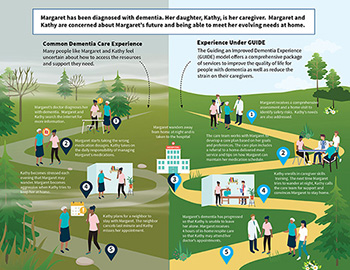
Launched on July 1, 2024, the GUIDE Model will test a new payment approach for key supportive services furnished to people living with dementia, including: comprehensive, person-centered assessments and care plans; care coordination; 24/7 access to an interdisciplinary care team member or help line; and certain respite services to support caregivers. People with dementia and their caregivers will have the assistance and support of a Care Navigator to help them access clinical and non-clinical services such as meals and transportation through community-based organizations.

PocketRN Daughterhood Guide Model

“We couldn’t be more thrilled to bring our revolutionary nurse-led care model to the millions of dementia patients and families who need it most. With PocketRN, patients and families get unwavering support from a Nurse for Life as they navigate the complexities of managing dementia at NO cost to them. Nurses are hands-down the best clinicians to be the ‘glue’ for patients and their families throughout their dementia journey–they’ve been doing so forever, and it’s high-time their work is valued by our system.”

Jenna Morgenstern-Gaines

CEO, PocketRN

“We are so excited to embark on this partnership that will bring invaluable expertise and resources to the dedicated dementia caregivers in our Daughterhood community. Dementia caregiving is a uniquely complex and deeply emotional journey—one that requires not only knowledge and support but also compassion and resilience. This partnership will further empower caregivers with the tools, guidance, and encouragement they need to navigate this journey with confidence, connectivity, and care.”

Anne Tumlinson

Founder, Daughterhood

PocketRN and Daughterhood’s partnership in delivering the GUIDE Model will help people living with dementia and their caregivers have access to the education, supports, and services they need to feel more empowered and less alone in their journey – including unique “circle” community groups, podcasts, educational videos, and other curated resources. The GUIDE Model also provides respite services for certain people, enabling caregivers to take temporary breaks from their caregiving responsibilities. Respite is being tested under the GUIDE Model to assess its effect on helping caregivers continue to care for their loved ones at home, preventing or delaying the need for facility care.

More information on CMS’ GUIDE Model 

# # #

About Daughterhood

Daughterhood is a 501(c)(3) organization that fosters community that empowers individuals to navigate the practical and emotional complexity of caregiving. Its unique blend of “circle” community groups, blogs, podcasts, and curated partner resources gives family caregivers emotional relief along with real, practical, and tangible solutions to navigate the stress, overwhelm, and confusion they often face – and to do so with the support of others on a similar path. For more information, visit https://daughterhood.org/ or engage with Daughterhood on LinkedIn, Facebook, and Instagram.

About PocketRN

PocketRN gives patients, families, and caregivers a Nurse for Life. Its mission is to close the gap between home and healthcare by: enabling nurses to care proactively and continuously at the top of their license, enabling caregivers with peace of mind and the confidence to support others, and enabling patients to access whole-person, trusted, empathetic care when and where they want it. PocketRN is the glue that holds together fragmented experiences in care so that partners, clinicians, patients, and families get back more of what they need: quality time. For more information, visit www.pocketrn.com or engage with PocketRN on LinkedIn, Facebook, and Instagram.

© 2025 This press release originally appeared on the PocketRN website and is reprinted here with permission. For more information, please see press contact information above.

More Violence in Care at Home

by Elizabeth E. Hogue, Esq.

Violence Against Home Care Providers Continues

Violence in Care at Home Continues…

Sadly, but not surprisingly, the violence against field staff caring for patients in their homes continues. Here’s a recent example:

On February 28, 2025, a hospice nurse in Texas was accosted inside a patient’s home while she was attempting to provide care. The man who accosted her inside the home followed her outside with a rifle and fired at her as she fled. The nurse was uninjured, but her car was struck by at least one bullet.

Then, still armed, the man went back inside the patient’s home where he stayed close to the patient while pointing his rifle at deputies. Law enforcement officers were able to communicate with him and de-escalate the tense situation. The man was booked into the county jail on a charge of aggravated assault with a deadly weapon and bond was set at $250,000.

Violence in Care at Home

By the Numbers

According to a recent analysis of Bureau of Labor Statistics data, healthcare is one of the most dangerous places to work. Homecare field staff members who provide services on behalf of private duty agencies, hospices, Medicare-certified home health agencies, and home medical equipment (HME) companies may be especially vulnerable. Contributing to their vulnerability is the fact that they work alone on territory that may be unfamiliar and over which they have little control. Staff members certainly need as much protection as possible. 

Violence Policies Needed

First, regardless of practice setting, management should develop a written policy of zero tolerance for all incidents of violence, regardless of source. This policy should include animals. The policy must require employees and contractors to report and document all incidents of threatened or actual violence, no matter how minor.

Beyond Reporting

Emphasis should be placed on both reporting and documenting. Employees must provide as much detail as possible. The policy should also include zero tolerance for visible weapons. Caregivers must be required to report the presence of visible weapons.

UCHealth SAFE Program

Below are some additional important actions for healthcare organizations to take that are based on the UCHealth SAFE Program:

  • Encourage staff members to STOP if they feel unsafe for any reason. 
  • If danger is not imminent, workers should pause to generally ASSESS their environments. Staff members should think about what happened and observe what is currently happening. Is there, for example, mounting frustration or anger?
  • Staff should then FAMILIARIZE themselves with the area. Who is the patient? Where is the patient? Are there any factors that might escalate behaviors? Staff members should also consider putting themselves in positions where they have a route to escape, if necessary.
  • ENLIST help. Getting help may, for example, include pushing panic buttons on mobile devices.

In Their Own Words

Here is what Chris Powell, Chief of Security at UCHealth, said in Becker’s Hospital Review on June 4, 2024:

“You can’t just talk about the shrimp and give you a good picture. We have to talk about the roux and the rice and everything else that goes into this for a good picture to be painted so people have an understanding. We want to solve this with an electronic learning or a 15-minute huddle, but we can’t. This is continuous and a persistent pursuit toward educating, communicating, recognizing, responding to, reporting and recovering from workplace violence.”

Chris Powell

Chief of Security, UCHealth

Final Thoughts

Every caregiver matters. The healthcare industry has lost caregivers to violence on the job in the past. Let’s do all that we can to avoid similar events in the future.

# # #

Elizabeth E. Hogue, Esq.

Elizabeth Hogue is an attorney in private practice with extensive experience in health care. She represents clients across the U.S., including professional associations, managed care providers, hospitals, long-term care facilities, home health agencies, durable medical equipment companies, and hospices.

©2025 Elizabeth E. Hogue, Esq. All rights reserved.

No portion of this material may be reproduced in any form without the advance written permission of the author.

©2025 by The Rowan Report, Peoria, AZ. All rights reserved. This article originally appeared in The Rowan Report. One copy may be printed for personal use: further reproduction by permission only. editor@therowanreport.com

HIPAA Compliance in Communication

by Devin Paulin, Skyscape

The Critical Importance of HIPAA Compliance in Home Healthcare Communication

The Rise of Messaging Apps and Healthcare Communication

Nearly 44% of the global population (3.5 billion people) rely on messaging apps to communicate. Unfortunately, available consumer SMS, text, and even “secure” messaging apps like WhatsApp, Apple Message, or Google Messages do not come with safety and security features specifically required to be compliant in the healthcare industry.

Still, consumer SMS apps are quite often used for healthcare communication in which Personal Health Information (PHI) is shared, and many individuals don’t understand the level of risk or that this is a violation of the law.

HIPAA Compliance in Communication Advantages

Group and Individual texting are a proven, timesaving, real-time communication tool in healthcare, and must be done through a HIPAA-compliant messaging platform. Secure platforms can improve privacy and security while maintaining compliance in such a sensitive industry.

There are many reasons why HIPAA compliance is vital for secure communication in home healthcare.

HIPAA Compliance in Communication - Not Just for Doctors and Nurses

HIPAA compliance is not just for medical clinics and hospitals. HIPAA compliance extends to all types of services that hold healthcare information. Physical Therapy, Personal Care, Home Health, Wellness, Behavioral Health, Assisted Living, and many more all fall under HIPAA. Most importantly, ALL providers, staff members (full or part-time), contractors, and third-party partners who come in contact with PHI are subject to HIPAA law, violations, and fines.

HIPAA Compliance in Communication

We're too Small for Violations to be Noticed, Though

Wrong. We regularly speak to many owners and staff members of large and small Home Health Care, Assisted Living, Hospice and Palliative, Mobile Imaging, PT and Rehabilitation, and Behavioral Health across the country. Many openly operate under the false assumption that their business is too small to be noticed by the U.S. Department of Health and Human Services (HHS) and the Office for Civil Rights (OCR), who is responsible for enforcing the HIPAA Privacy and Security Rules. That is not how it works.

Complaints logged by those within or close to your business alert the OCR to possible HIPAA violations. These can be from current and former staff, patients, clients, business partners, or anyone who claims to have witnessed a HIPAA breach. This can include disgruntled employees and whistleblowers. Even for companies that are HIPAA compliant, any breach is to be reported by an employee assigned as the security officer.

HIPAA Compliance in Home Healthcare by Type

HIPAA mandates compliance for all communications involving PHI. Some key examples include:

  • Provider-to-Patient Communication
    • Secure platforms are necessary when caregivers contact patients outside of in-person visits.
  • Provider-to-Provider Communication
    • Sharing PHI within or between departments must meet HIPAA standards.
  • Provider-to-Insurance Communication
    • Insurance companies require sensitive patient data, which must be securely transmitted.
  • Provider-to-Third-Party Communication
    • Any third-party associates handling PHI must have a signed Business Associate Agreement (BAA) and adhere to HIPAA regulations.
  • Provider-to-Public Health Authorities
    • Reporting communicable diseases or pandemics requires secure communication.

Consequence of HIPAA Violations

HIPAA violations can have severe consequences, including:

  • Financial Penalties
    • Fines range from $100 to $50,000 per violation, depending on the level of negligence.
  • Reputational Damage
    • Data breaches erode patient trust, leading to a damaged reputation.
  • Legal Consequences
    • In cases of willful neglect, organizations may face lawsuits or criminal charges.

Final Thoughts

Understanding and adhering to HIPAA regulations is crucial in home healthcare. Compliance not only safeguards sensitive information but also strengthens patient trust and ensures ethical operations.

# # #

Devin Paullin HIPAA Compliance in Home Healthcare

Devin Paullin is an award-winning innovator and executive in Healthcare Technology, having developed successful products, solutions, and partnerships in Life Sciences, Post-Acute Care, SDOH, and Long-Term industries.

He is currently Chief Growth Officer for Skyscape which provides Buzz, an all-in-one, real-time HIPAA-compliant clinical collaboration and communication platform that enables the entire staff (admins, operations, clinicians, caregivers, partners, patients, and families) with the tools to communicate securely, easily, in groups or one to one, and affordable, by any mode they choose. Visit Buzz or contact them to learn more about Buzz by Skyscape today.

©2024 by The Rowan Report, Peoria, AZ. All rights reserved. This article originally appeared in Healthcare at Home: The Rowan Report. One copy may be printed for personal use: further reproduction by permission only. editor@therowanreport.com

Underlying Causes of Health Issues

by Kristin Rowan, Editor

Underlying Causes of Health Issues

Underlying causes of health issues are common. Not all health issues come directly from infections, medical conditions, or genetics. Lifestyle, environmental factors, and social determinants can cause and/or increase the severity of health issues. Beginning in the winter of 2023, the Centers for Medicare and Medicaid Services posted guidance on approving coverage for these social needs, acknowledging that they contribute to poor health outcomes. CMS named the social needs that could be covered by Medicaid, CHIP, Section 1115, and Home and Community Based Services. These include help finding new housing, one-time moving costs, eviction prevention, respite care, sober centers, home improvements, meals, and case management.

Guidance Rescinded

CMS referred to both the 2023 and 2024 documents as “Center Informational Bulletins” (CIB) meant as guidance, not rule of law. The 2024 document provided updates and clarifications to the 2023 document. According to the statement from CMS, dated March 4, 2025, they have rescinded both CIBs “to evaluate policy options consistent with Medicaid and CHIP progam requirements and objectives.” Moving forward, CMS will consider each application to cover these services on a case-by-case basis using the Social Security Act, not the HRSN Framework or the CIBs.

Opposition

Former chief medical officer of the US Medicaid program Andrey Ostrovsky, MD, FAAP said that removing coverage for social determinants of health will harm patients and taxpayers.

Sen Ron Wyden (D, Oregon) agrees, stating that addressing the underlying causes of health issues is key to keeping America healthy.

Underlying Causes of Health Issues Andrey Ostrovsky

“It’s unlikely we see an easy, smooth approval process for such services moving forward….I think that the bar to getting it approved will be higher. States are going to have to make individualized decisions around where their priorities are and where they want to continue to focus on expansion — and maybe focus a little bit more on cost constraint and financially effective services under the new administrative priorities.”

Damon Terzaghi

Senior Director of Medicaid Advocacy, National Alliance for Care at Home

On the Other Hand

Despite the opposition to this change, there does seem to be some validity to the move. There should be some discussion about where Medicaid services should end and another department begins. The question here is whether a different federal program should be providing coverage for these social determinants of health. According to Terzaghi, this could be the beginning of an improvement to the system, rather than the dismantling of it.

Final Thoughts

The changes coming out of D.C. recently seem to be coming like rapid fire. See this weeks related press release on the continuing resolution passed by Congress. As with most of these edicts, executive orders, and other changes, the long-term impact and the eventual goal remain to be seen. We will continue to follow these and other stories as new information becomes available.

# # #

Kristin Rowan, Editor

Kristin Rowan has been working at The Rowan Report since 2008. She is the owner and Editor-in-chief of The Rowan Report, the industry’s most trusted source for care at home news .She also has a master’s degree in business administration and marketing and runs Girard Marketing Group, a multi-faceted boutique marketing firm specializing in content creation, social media management, and event marketing.  Connect with Kristin directly kristin@girardmarketinggroup.com or www.girardmarketinggroup.com

©2025 by The Rowan Report, Peoria, AZ. All rights reserved. This article originally appeared in The Rowan Report. One copy may be printed for personal use: further reproduction by permission only. editor@therowanreport.com

 

Alliance Member Testifies Before Congress

FOR IMMEDIATE RELEASE

Contacts:                                          Elyssa Katz
571-281-0220

Tom Threlkeld
202-547-7424

communications@allianceforcareathome.org

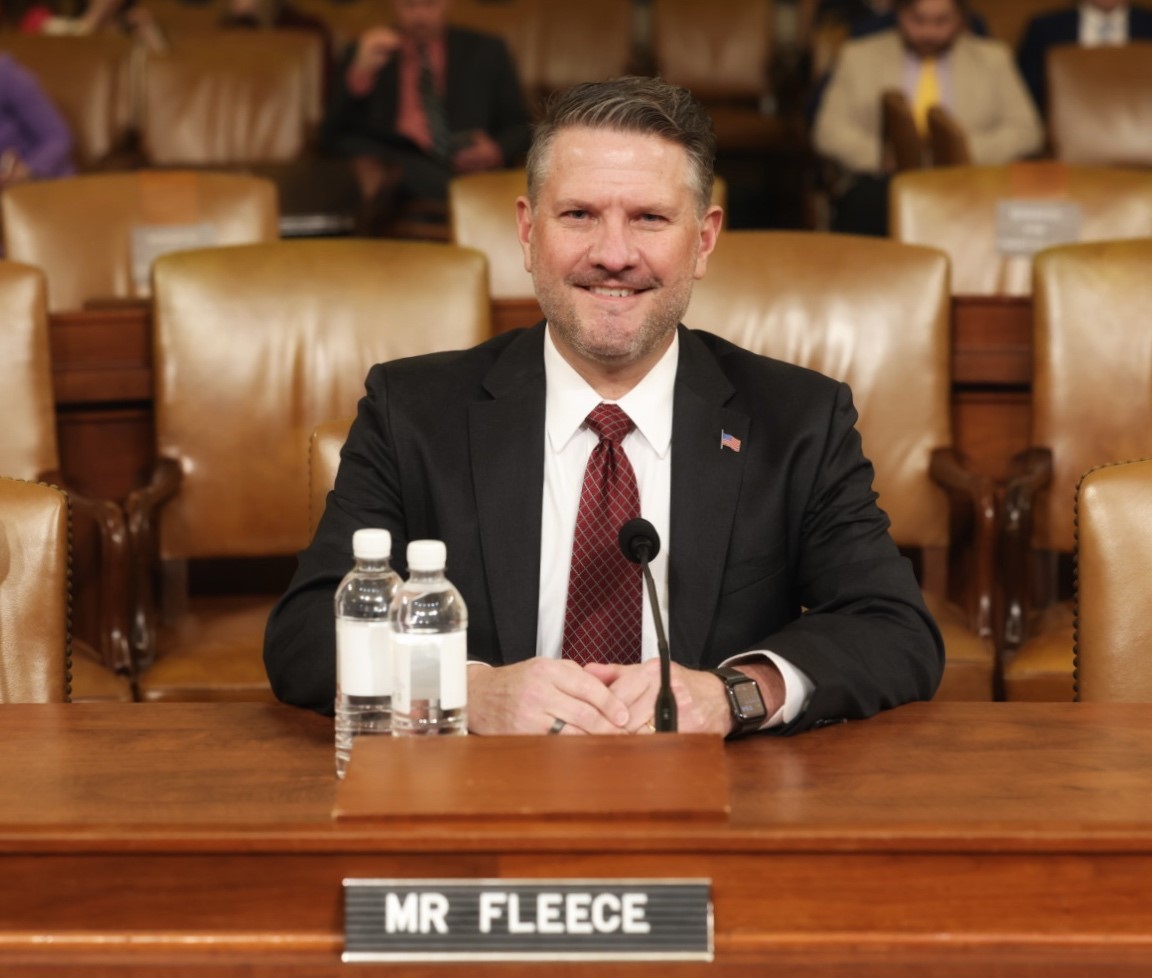
Alliance Member, Jonathan Fleece, Testifies Before Congress on the Value of Care at Home

Ways & Means Health Subcommittee Hearing on “After the Hospital: Ensuring Access to Quality Post-Acute Care”

(Washington, DC and Alexandria, VA) – The National Alliance for Care at Home (the Alliance) released the following statement at the conclusion of a hearing conducted by the House Ways & Means Subcommittee on Health on After the Hospital: Ensuring Access to Quality Post-Acute Care:

“The Alliance thanks Chairman Vern Buchanan (R-FL), Ranking Member Lloyd Doggett (D-TX), and all members of the Health Subcommittee for convening this important discussion on post-acute care. This hearing provided an opportunity to amplify the voices of home health and hospice providers and reinforce the essential role they play in delivering high-quality, patient-centered care in the setting people prefer—at home.”

Dr. Steve Landers

CEO, The Alliance

Alliance Member Testifies: Thank you, Jonathan Fleece

“We are especially grateful to Jonathan Fleece, CEO of Empath Health, for sharing his expertise and for his service on behalf of patients and families. Empath Health has long been a leader in setting the standard for high-quality, patient-centered care, and we appreciate its commitment to advancing care at home.

“As our nation’s population rapidly ages, it is more critical than ever to get these policies right and ensure that home health and hospice remain accessible and protected from harmful cuts and unnecessary administrative burdens. Not only is care at home beloved by patients and families, but it is also cost-efficient, easing strain on the healthcare system by reducing reliance on institutional care and allowing people to heal where they feel most comfortable.”

Jonathan Fleece The Alliance Testifies Before Congress

Continued Advocacy from The Alliance

“Coming out of this hearing, the Alliance remains committed to working with Congress and the Administration to strengthen home health and hospice, safeguard access to these essential services, and advance policies that support their long-term sustainability. We will continue advocating against payment cuts that threaten access, promoting value-based care models, and ensuring regulatory oversight enhances—rather than hinders—the ability of providers to deliver the best possible care.”

To read the full subcommittee hearing testimony of Jonathan Fleece, CEO of Empath Health, click here.

# # #

About the National Alliance for Care at Home

The National Alliance for Care at Home (the Alliance) is a new national organization representing providers of home care, home health, hospice, palliative care, and other health care services mainly delivered in the home. The Alliance brings together two organizations with nearly 90 years of combined experience: NAHC and NHPCO. NAHC and NHPCO have combined operations to better serve members and lead into the future of care offered in the home. Learn more at www.AllianceForCareAtHome.org.    

© 2025 This press release originally appeared on the National Alliance for Home Care website and is reprinted here with permission. For more information, see the contact information above.

Nursing Facility Compliance Guidance

by Elizabeth E. Hogue, Esq.

Nursing Facility Compliance Guidance

Takeaways for Hospices

In November of 2024, the Office of Inspector General (OIG) of the U.S. Department of Health and Human Services issued revised “Nursing Facility Industry Segment-Specific Compliance Program Guidance.” This guidance describes:

  • Risk areas for nursing facilities
  • Recommendations and practical considerations for mitigating risks
  • Other important information that the OIG believes nursing facilities should consider when implementing, evaluating, and updating their compliance and quality programs

Guidance Extends to Post-Acute Providers

The guidance targets nursing facilities. Howeve, it also clearly states that post-acute providers other than nursing facilities should use the guidance in their compliance efforts. The OIG says: “We encourage all long-term and post-acute providers to establish and maintain effective compliance and quality programs.” Guidance for nursing facilities, for example, specifically addresses relationships between nursing facilities and hospices.

The OIG...

First...

acknowledges that nursing facilities may arrange for hospice services for patients who meet the eligibility criteria and who elect the hospice benefit. 

Then...

reminds facilities and hospices that requesting or accepting remuneration from hospices may subject both parties to liability under the federal anti-kickback statute. This applies if the remuneration may influence nursing facilities’ decisions to do business with hospices or induce referrals between the parties.  

Goes On...

points out that nursing facilities that refer patients for hospice services who do not qualify for the hospice benefit may be liable for submission of false claims.

Nursing Facility Compliance Guidance OIG

Additionally...

says that hospices are permitted to furnish noncore services under arrangements with other providers or suppliers, including nursing facilities. State Medicaid Programs pay hospices at least 95% of the Programs’ daily facility rate. Hospices are then responsible to pay  facilities for patients’ room and board.

Finally...

provides a list of suspicious arrangements between nursing facilities and hospices, including: (1) referrals of patients to hospices to induce hospices to refer patients to facilities, and (2) solicitation or receipt of hospices of goods or services for free or below fair market value, including nurses or other staff to provide services at facilities for nonhospice patients and monetary payments for:

  • referrals of patients to hospices to induce hospices to refer patients to facilities
  • solicitation or receipt of hospices of goods or services for free or below fair market value
    • solicitation of nurses or other staff to provide services at facilities for nonhospice patients
    • monetary payments for:
      • Room and board for patients in excess of what nursing facilities receive directly from Medicaid if patients are not enrolled in hospices. Additional payments must represent fair market value of additional services actually provided to patients that are not included in Medicaid daily rates.
      • Additional services for residents that include room and board payments to hospices from Medicaid Programs
      • Additional services for patients that are not included in room and board payments from Medicaid Programs at rates that are above fair market value
      • Provision of services by nursing facilities to hospice patients at rates that are above fair market value

Final Thoughts

Hospices are surely under fire these days from fraud enforcers. Engaging in the practices described above is likely to draw attention by enforcers and possible enforcement action.

# # #

Elizabeth E. Hogue, Esq.

Elizabeth Hogue is an attorney in private practice with extensive experience in health care. She represents clients across the U.S., including professional associations, managed care providers, hospitals, long-term care facilities, home health agencies, durable medical equipment companies, and hospices.

©2025 Elizabeth E. Hogue, Esq. All rights reserved.

No portion of this material may be reproduced in any form without the advance written permission of the author.

©2025 by The Rowan Report, Peoria, AZ. All rights reserved. This article originally appeared in The Rowan Report. One copy may be printed for personal use: further reproduction by permission only. editor@therowanreport.com

ATA Applauds Telehealth Inclusion

FOR IMMEDIATE RELEASE

Contact:                                       Gina Cella
781-799-3137
gcella@americantelemed.org

ATA ACTION APPLAUDS INCLUSION OF MEDICARE TELEHEALTH FLEXIBILITIES IN DRAFT CONTINUING RESOLUTION, URGES CONGRESS TO REINSTATE PROVISIONS AS SOON AS POSSIBLE

WASHINGTON, D.C., MARCH 8, 2025 – ATA Action, the advocacy arm of the American Telemedicine Association, today praised Congress for including Medicare Telehealth Flexibilities and the Acute Hospital Care at Home Program in the draft Continuing Resolution (CR) released today by appropriators. These critical provisions, which were originally implemented under President Trump’s leadership in his first term, will now remain in place through September 30, 2025, ensuring that millions of Americans continue to have access to high-quality, convenient, and affordable care.

“We appreciate Congress taking action to prevent a lapse in these vital telehealth flexibilities. While we would have preferred a longer extension, this step ensures uninterrupted access to telehealth services for patients and clinicians, as we continue working toward permanent solutions that reflect the needs of modern healthcare.”

Kyle Zebley

Executive Director, ATA Action

“But there remains work to be done. The CR must still be passed by Congress, and its path forward remains uncertain,” Zebley noted. “However, we are encouraged that, this past week, we submitted a detailed letter to House and Senate Appropriations Committee leaders, expressing urgency in extending these essential provisions, and clearly Congress listened and is responding to the needs of patients and the healthcare community, for which we are deeply grateful.”

Eliminated Coverage

However, key provisions – including first-dollar coverage for High Deductible Health Plan-Health Savings Accounts (HDHP-HSA), telehealth as an excepted benefit, an expanded Medicare Diabetes Prevention Program (MDPP) that would include telehealth components, and expanded, in-home cardiopulmonary rehabilitation services – were once again left out of the final CR, as they were at the end of 2024. These essential provisions now remain expired, leaving millions of Americans without the telehealth coverage they need.

Telehealth Inclusion ATA Action

“We strongly urge Congress to reinstate these provisions as soon as possible,” Zebley said. “Every day these flexibilities remain lapsed is another day that patients cannot access the care they need, employers struggle to provide affordable coverage, and critical gaps in healthcare widen.

“Telehealth remains a bipartisan issue, and we deeply appreciate the longstanding leadership of President Trump, who put these provisions in place during his first term, as well as our policy champions in Congress,” Zebley added. “We will continue to work in earnest with the administration and lawmakers to solidify telehealth as a lasting pillar of American healthcare.”

# # #

About the ATA

As the only organization completely focused on advancing telehealth, the American Telemedicine Association is committed to ensuring that everyone has access to safe, affordable, and appropriate care when and where they need it, enabling the system to do more good for more people. The ATA represents a broad and inclusive member network of leading healthcare delivery systems, academic institutions, technology solution providers and payers, as well as partner organizations and alliances, working to advance industry adoption of telehealth, promote responsible policy, advocate for government and market normalization, and provide education and resources to help integrate virtual care into emerging value-based delivery models. 

About ATA Action

ATA Action recognizes that telehealth and virtual care have the potential to transform the healthcare delivery system by improving patient outcomes, enhancing the safety and effectiveness of care, addressing health disparities, and reducing costs. ATA Action is a registered 501c6 entity and an affiliated trade organization of the American Telemedicine Association (ATA).

© 2025 This press release was submitted to The Rowan Report by ATA Action via prnewswire.com and is reprinted here with permission. For additional information, please see the contact information above.

Update on Public Participation in Rule Making

by Kristin Rowan, Editor

Update

Last week, we reached out to some of our contacts for responses to this change.

Former President of NAHC and current Senior Counsel at Arnall Golden Gregory Bill Dombi said:

It is difficult to discern the impact of the rescission of the waiver. One concern is whether the administration considers Medicaid  a grant or benefit program thereby exempting it from APA public notice and comment rulemaking.  

With respect to Medicare, if it is considered a benefit, there is still a Medicare statutory requirement of public notice and opportunity for comment through formal rulemaking that should effectively nullify the practical impact of the rescission of the waiver. All that said, we will need to see more before being to judge the impact.

Frequent guest author and Fellow, American Healh Law Association, Elizabeth E. Hogue, Esq. had this to say:

Recission of the Richardson Waiver is not good news for providers. 

Many federal agencies voluntarily committed to give notice and comment for actions that otherwise would be exempt. The US Department of Health and Human Services was one of the federal agencies that adopted this policy in October, 1970, in a memorandum commonly referred to as the “Richardson Waiver.”  This policy was published in the Federal Register in 1971.  HHS did not, however, promulgate the Waiver through notice and comment rulemaking. 

The open process of give and take between agencies and providers under the Richardson Waiver resulted in resolution of important issues relatively informally.  Now it appears that only policies mandated by statute will go through the rulemaking process.  In other words, opportunities to resolve issues without formal resolution will be compromised. 

The recission of the Waiver may also make administration of both the Medicaid and Medicare programs more complicated and less effective, especially in view of US Supreme Court decisions that say everything that hasn’t gone through the notice and comment process is not binding on providers.

# # #

Below is the original article, published March 6, 2025

Public Participation Rescinded

The Administrative Procedure Act (APA) requires that an agency public a notice of proposed rulemaking in the Federal Register; allow sufficient time for public participation via written data, views, or arguments; and then publish a final rule. Matters relating to agency management, personnel, or public property; loans, grants, benefits, or contracts; and for “good cause” are exempt from the reporting requirements. The Richardson Waiver, adopted in 1971, waived the exemption and instructed agencies to use the good cause exemption sparingly. Effective immediately, the Richardson Waiver is rescinded.

“The policy waiving the statutory exemption…imposes on the Department obligations beyond the maximum procedural requirements specified by the APA, adds costs [that] are contrary to the efficient operation of the Department, and impedes the Department’s flexibility to adapt quickly to legal and policy mandates.”

Robert F. Kennedy, Jr.

Secretary, Department of Health and Human Services

What it Means

Public participation is now optional. Agencies and offices of the Department of HHS can, if desired, use the public notice and comment procedures for these matters, but are no longer required to do so. The Department will continue to follow these procedures in all circumstances in which they are required to do so.

Law firm Hogan Lovells, experts in healthcare law, wrote about the potential implications for the health care industry in a recent blog post. According to the firm, it is unclear how HHS will interpret the “benefits” portion of the exemption. HHS, and specifically CMS, currently uses the notice and comment procedure for various benefits programs, including Medicare and Medicaid. Secretary Kennedy’s statement clearly calls out the limitation in impacting any other law requiring notice and comment periods.

Public Participation in Medicare Rules

Hogan Lovells indicates that few if any policies written under the Medcare Act will be impacted by this change. The Medicare Act operates under additional rulemaking requirements under section 1871(a) of the SSA. Additionally, Azar v. Allina Health Services, 587 U.S. 566 (2019) confirms that Medicare rulemaking is independent from the APA. Some policies are currently exempt from the notice and comment obligations under the Medicare Act and will remain exempt.

Public Participation in Medicaid and CHIP rules

Medicare and CHIP fall under Title XIX of the SSA, which does not contain its own notice and comment requirements separate from the APA. HHS has used the APA notice and comment rules for many of the changes made to the Medicaid program. HHS could interpret the “benefits” clause as exempting Medicaid changes from the rule. Hogan Lovells states it is currently unclear whether HHS will take this route. They also purport the courts have not ruled on whether APA excludes Medicaid from the notice and comment requirements, and may not agree with that exclusion. Until the term “benefits” is better defined, Medicaid, CHIP, the insurance exchange marketplace, and TANF, among others, may be impacted.

Department of Veterans Affairs

A notable exception to these changes is the rulemaking in the Department of Veterans Affairs as it relates to the Veterans Health Care act of 1992. This program implemented Federal contractor requirements that established pricing and contracting standards for drug manufacturers. The VA policies and rules have historically been enacted using guidance letters, avoiding the rulemaking process altogether.

Final Thoughts

There is too much that is yet unknown regarding this change to understand its full impact. There will be immediate changes, court rulings, further changes, and likely a lot of advocacy from national organizations fighting for transparency for Medicare, Medicaid, and other “benefit” programs. This will be an ongoing story and The Rowan Report will bring updates as they happen.

# # # 

Kristin Rowan, Editor

Kristin Rowan has been working at The Rowan Report since 2008. She is the owner and Editor-in-chief of The Rowan Report, the industry’s most trusted source for care at home news .She also has a master’s degree in business administration and marketing and runs Girard Marketing Group, a multi-faceted boutique marketing firm specializing in content creation, social media management, and event marketing.  Connect with Kristin directly kristin@girardmarketinggroup.com or www.girardmarketinggroup.com

©2025 by The Rowan Report, Peoria, AZ. All rights reserved. This article originally appeared in The Rowan Report. One copy may be printed for personal use: further reproduction by permission only. editor@therowanreport.com

 

Humana Thyme Agreement

by Kristin Rowan, Editor

Palliative Care for Medicare Advantage Members

Cancer is one of the highest leading causes of death in the United States, second only to heart disease. The challenges for cancer patients are not only physical, but emotional and financial as well. The consequences of these challenges are often devastating to the patient and their families. Providing additional care, support, and pharmaceutical interventions through value-based care can improve patient outcomes and reduce out-of-pocket costs.

Thyme Care

Thyme Care is a Nashville-based cancer treatment center that operates in seven states. The centers provide not just treatment, but cancer care navigation, designed to work within the value-based framework, keeping the patient at the center of care. Thyme Care includes an oncology care team, a patient app with multiple resources and 24/7 access to support. Patient surveys track symptoms and reduce barriers to care. This approach combines cancer treatment and palliative care for whole-person cancer care support.

Palliative Care

Palliative care works alongside medical care to improve the quality of life for the patient, addressing physical, emotional, and spirtual needs. Strictly speaking, it is not medical care, and not specifically covered by most insurance plans. The out-of-pocket costs for palliative care can be extremely high, making this kind of care an inaccessible amenity for most patients.

Humana Thyme Palliative

Value-Based Care

Value-based care reimburses care providers partially based on patient outcomes and patient satisfaction. Providers also share the financial risk of care with health insurance companies. Care providers who can both improve outcomes and patient satisfaction can be reimbursed more through health insurance plans, which can cover the costs of palliative care, even when it is not explicitly covered by the plan.

Humana

Humana is a payer with plans for Medicare, Medicaid, and Individual/Family beneficiaries. The Medicare Advantage value-based care plans allow Humana to disperse payments for covered services in partnership with care provider teams across a patient’s care journey. The better the outcome and satisfaction, the more Humana can pay a provider for care. Better outcomes often means reduced hospital visits, a longer time at home before requiring skilled nursing facilities, and lower costs.

Humana Thyme Palliative Care Collaboration

The recently announced partnership between payer and provider will give eligible patients access to palliative care support as part of the whole-person cancer care navigation provided by Thyme. Humana patients can also receive, as needed, 24/7 virtual care, medication guidance, symptom management, chronic condition management, community-based resources, financial assistance, transportation, food assistance, and/or access to stable housing.

Kristin Rowan, Editor

Kristin Rowan has been working at The Rowan Report since 2008. She is the owner and Editor-in-chief of The Rowan Report, the industry’s most trusted source for care at home news. She also has a master’s degree in business administration and marketing and runs Girard Marketing Group, a multi-faceted boutique marketing firm specializing in content creation, social media management, and event marketing.  Connect with Kristin directly kristin@girardmarketinggroup.com or www.girardmarketinggroup.com

©2025 by The Rowan Report, Peoria, AZ. All rights reserved. This article originally appeared in The Rowan Report. One copy may be printed for personal use: further reproduction by permission only. editor@therowanreport.com