2024 Homecare Survey

FOR IMMEDIATE RELEASE

Contact:                                     Hollie Barnidge
912-272-8651
hollie.barnidge@alloycrew.com

HHAeXchange 2024 Homecare Survey: 91% of Caregivers View Patient Relationships as Critical to Job Satisfaction

New data shines a spotlight on the motivations of caregivers and their dedication to improving health and wellness for the thousands of members receiving care in the home

New York, August 7, 2024 – HHAeXchange, a leader in homecare management solutions for providers, managed care organizations (MCOs), and state Medicaid agencies, today announced the results of the HHAeXchange Homecare Insights Survey, which surveyed more than 3,900 caregivers across the company’s homecare agency clients. The survey was designed to understand the motivations of today’s caregivers and find ways to enhance caregiver satisfaction to ultimately improve health outcomes. 

The need for quality caregivers in the homecare industry continues to grow, as new data has found that many individuals are rejecting institutional care options due to a lack of quality care. Therefore, attracting and rewarding high-quality caregivers is crucial to meet today’s demand. 

Patient Observations

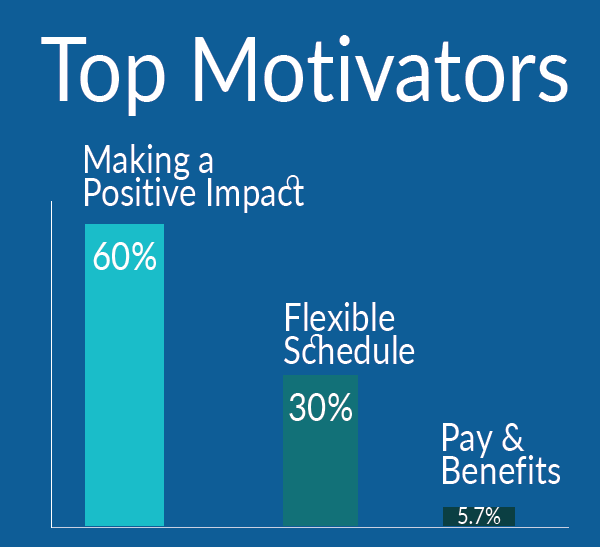
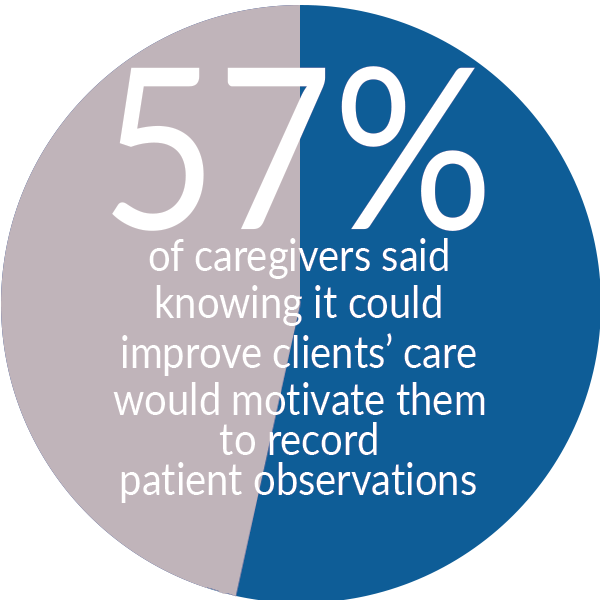
Correlated to this, 60% of the caregivers surveyed said making a positive impact on their patients’ health and well-being is the biggest motivator for their work. Additionally, 57% of caregivers reported that they would take extra time to record patient observations after each visit, motivated by the knowledge that it could improve their patients’ care.

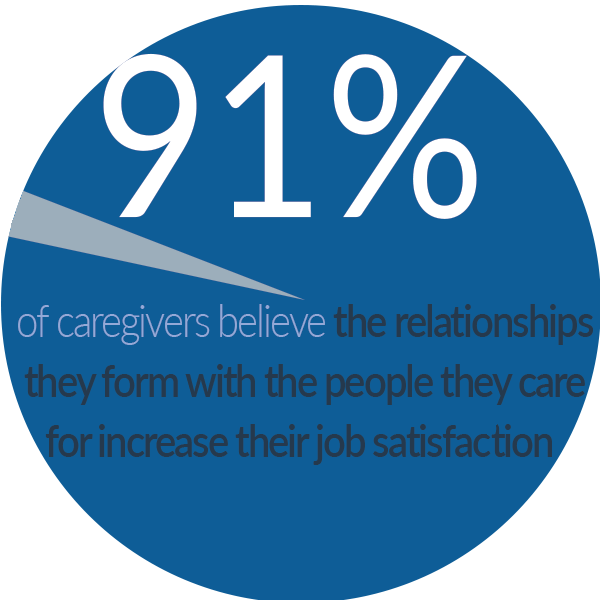
In addition to understanding the importance of their role in improving patients’ quality of life, caregivers are attracted to, and choose to remain in, the homecare industry because of the relationships they form with patients. In a 17% increase from last year’s survey, ninety-one percent of caregivers surveyed revealed that the relationships they form with the patients they care for increase their job satisfaction. 
Caregiver Motivation client care

HHAeXchange President Stephen Vaccaro

“While the challenges and demands of being a caregiver still remain – low compensation, feelings of stress and exhaustion, and risk of catching infectious diseases – this survey shows that caregivers remain committed to their work to improve the lives of their patients,” said Stephen Vaccaro, President of HHAeXchange. “As more individuals seek homecare options, the homecare industry must continue to evolve to ensure caregivers are given the resources and recognition they need to remain motivated and focused on patient care.”

Training
Caregiver Motivation Survey Training

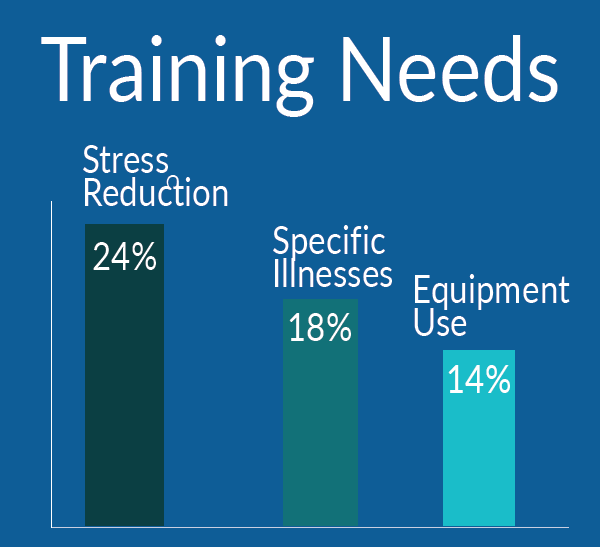
Another important finding from the survey was caregivers’ interest in receiving professional training as an additional resource to improve their career satisfaction and longevity. Specifically, the caregivers surveyed said they would be interested in receiving training related to reducing stress (24%), understanding how to treat patients with specific illnesses (18%), and how to use additional medical equipment (14%). 

“Training is a critical component of caregiving that improves caregiver job satisfaction, confidence, and improves care outcomes,” said Glen Persaud, Vice President at New York Health Care Inc. “Our agency offers training opportunities and ensures our caregivers receive the help and support they need to ensure we are providing the best care possible.”

To learn more about HHAeXchange, and how it can help both homecare providers and caregivers through its solutions, visit hhaexchange.com/solutions/providers

Survey Methodology

This survey was conducted by HHAeXchange from April 8 to July 31, 2024, among more than 3,900 caregivers across a variety of the company’s homecare agency clients. For complete survey methodology, please contact michelle.rand@alloycrew.com.

# # #

About HHAeXchange

Founded in 2008, HHAeXchange is a leading technology platform for homecare and self-direction program management. Developed specifically for Medicaid Home and Community-Based Services (HCBS), HHAeXchange connects state agencies, managed care organizations, providers, and caregivers through its intuitive web-based platform, enabling unparalleled communication, transparency, efficiency, and compliance. For more information, visit hhaexchange.com or follow the company on XLinkedIn and Facebook.
Startup Offers $3 Caregiver Recruiting Service

by Tim Rowan, Editor Emeritus

Costly Caregiver Recruiting

Out of desperation, the nationwide caregiver shortage has driven many Home Care agency owners to resort to expensive recruiting tools. How much, for example, do you spend on services such as Indeed, ZipRecruiter, or Monster, each of which charges per-click?

A Needle in a Stack of Needles

You know how job seekers use these services, correct? They complete one resumè and send it to dozens, if not hundreds, of companies every day. When you respond to their inquiry, thinking they have a keen interest in applying for your caregiver position, they typically respond, “Now, which one are you?”

Caregiver Recruiting GoInstaCare

Caregiver Recruiting Database Emerges

In the process of building a web site and app for families to find in-home caregiver services, former Home Care agency owner Amit Shrivastava suddenly found himself with more job seekers than he could place in homes, and this after launching in only five states. His solution was to open his collection of resumés to other agencies. After we tested his idea, we believe it will one day give Indeed and the others a run for their money.

Simple Process with Customized Results

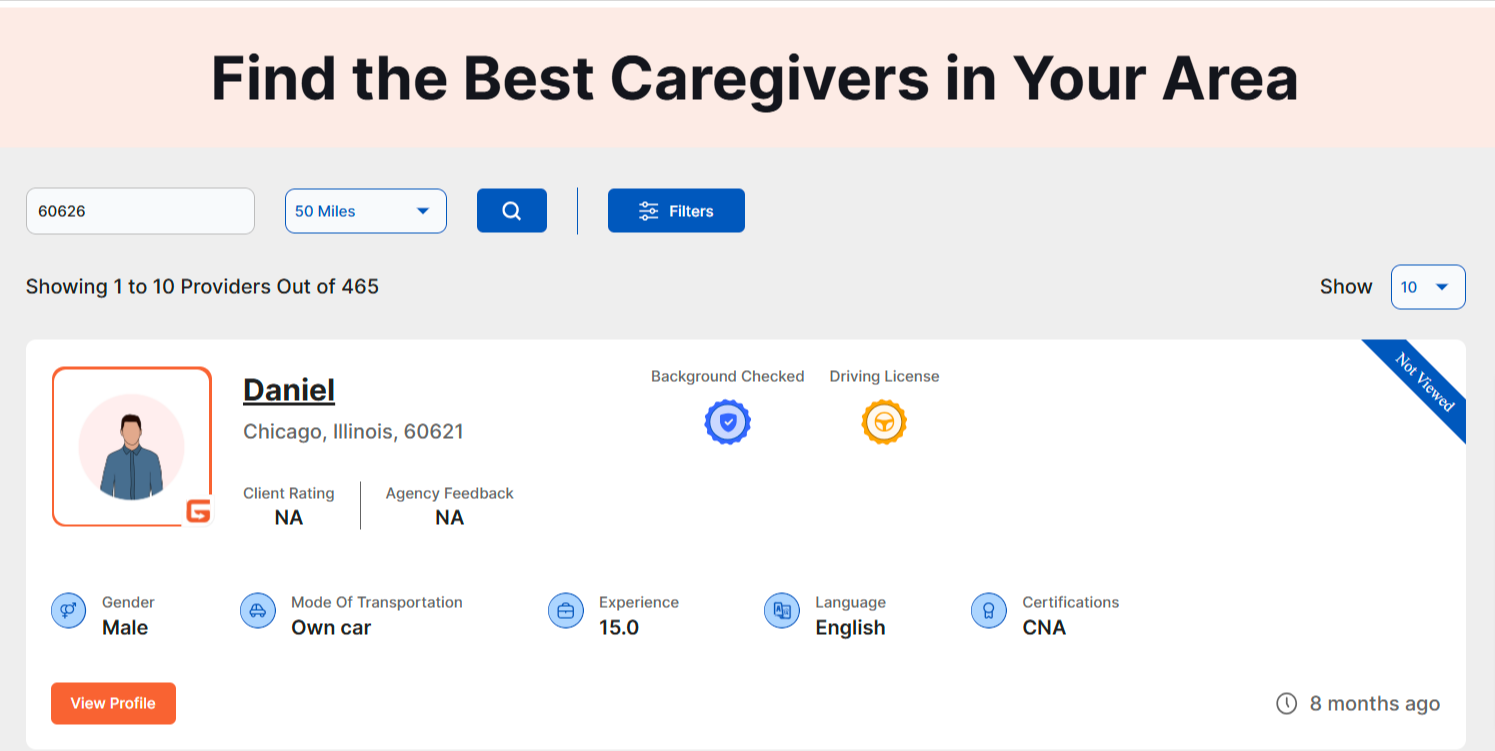
After a $200 set-up fee, GoInstaCare users can look at the names, certificates, personality types, and work preferences of 10,000 caregivers, a list that continues to grow. An easy filtering system allows the user to narrow the list by certification, gender, zip code, and experience. Each entry displays whether the caregiver has a driver’s license, his or her own car, languages spoken, and ratings from past employers and clients.

GoInstaCare performs background checks so the hiring agency knows that the caregiver has a higher degree of passing their own checks. By selecting filters, a hiring agency can focus its search to the qualifications it requires. Once the 10,000 names are filtered down to a manageable half dozen or so, the hiring agency pays $3 each to download their contact information. At that point, GoInstaCare steps back and leaves the rest of the onboarding process to their participating agency.

"Uberized" Employer

For Caregivers

Like its counterparts in ride shares, delivery services, virtual assistants, and other gig economy positions, GoInstaCare allows caregivers to set their own schedules, provide flexible rates, get paid daily, and accept or decline a job at will. Caregivers are reviewed by clients and their families directly on the GoInstaCare platform.

For Agencies

The gig job nature of the platform gives agencies the option to cover a gap in scheduling or temporarily raise employee numbers without the hiring, onboarding, training, and retention of a full-time or part-time employee. Agencies can also save a caregiver profile to share with a team, or for future reference.

Where to Find GoInstaCare

As this is written, GoInstaCare has spread to five states, Texas, Illinois, Michigan, New York, and Florida. Mr. Shrivastava told The Rowan Report there are plans to continue to expand.

There are two ways to get in touch with Amit Shrivastava. Click on this link to schedule a product demo: calendly.com/goinstacare-sales/meeting. Or sign up to use the service here: Goinstacare.com/partner-with-us

Caregiver Recruiting GoInstaCare

# # #

Tim Rowan, Editor Emeritus

Tim Rowan is a 30-year home care technology consultant who co-founded and served as Editor and principal writer of this publication for 25 years. He continues to occasionally contribute news and analysis articles under The Rowan Report’s new ownership. He also continues to work part-time as a Home Care recruiting and retention consultant. More information: RowanResources.com
Tim@RowanResources.com

©2024 by The Rowan Report, Peoria, AZ. All rights reserved. This article originally appeared in The Rowan Report. One copy may be printed for personal use: further reproduction by permission only. editor@therowanreport.com

Patient Relationships Drive Satisfaction

by Kristin Rowan, Editor

Caregiver Motivation

HHAeXchange recently conducted a survey of more than 3,900 caregivers. The company set out to understand caregiver motivation and to use this information to increase caregiver satisfaction and improve outcomes.

Highlights

This data highlights the motivations of caregivers to improving health and wellness for their patients

Caregiver Motivation Relationships
Caregiver Motivation client care
Caregiver Motivation Survey Training
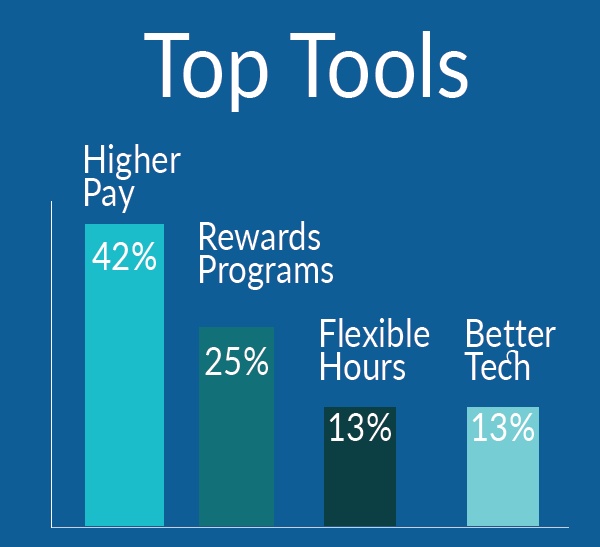
Insights Survey Top Tools<br />
Insights Survey Top Motivators<br />

From HHAeXchange

While the challenges and demands of being a caregiver still remain – low compensation, feelings of stress and exhaustion, and risk of catching infectious diseases – this survey shows that caregivers remain committed to their work to improve the lives of their patients. As more individuals seek homecare options, the homecare industry must continue to evolve to ensure caregivers are given the resources and recognition they need to remain motivated and focused on patient care.

Stephen Vaccaro, President, HHAeXchange

For more details and information about the study, see the HHAeXchange press release.

Kristin Rowan, Editor

Kristin Rowan has been working at Healthcare at Home: The Rowan Report since 2008. She has a master’s degree in business administration and marketing and runs Girard Marketing Group, a multi-faceted boutique marketing firm specializing in event planning, sales, and marketing strategy. She has recently taken on the role of Editor of The Rowan Report and will add her voice to current Home Care topics as well as marketing tips for home care agencies. Connect with Kristin directly kristin@girardmarketinggroup.com or www.girardmarketinggroup.com

©2024 by The Rowan Report, Peoria, AZ. All rights reserved. This article originally appeared in Healthcare at Home: The Rowan Report. One copy may be printed for personal use: further reproduction by permission only. editor@therowanreport.com

NAHC NHPCO Town Hall

by Kristin Rowan, Editor

The Alliance

On June 18, 2024, the National Association for Home Care & Hospice (NAHC) and the National Hospice and Palliative Care Organization (NHPCO) announced they had met in Washington D.C. to formally sign an affiliation agreement between the two organizations. After 18 months of meetings, conversations, and compromises, the two groups announced their “Alliance” would be the leading authority of the care at home community.

Bill Dombi Ken Albert Town Hall Alliance

During the opening keynote address at the NAHC Financial Management Conference in July, Bill Dombi, President of NAHC and interim President of The Alliance, and Kenneth Albert, Chair of the Transition Board of Directors overseeing the merger, spoke about the progress they have made.

Albert spoke of the thoughtful consideration the board and members of both organizations have put into this change. They are focusing on the biggest concerns of home health and hospice providers both now and in the future. The unification will create one voice as they advocate for home health and hospice in Washington D.C.

New Leadership

Albert and Dombi shared the stage at the NAHC Financial Management Conference about the ongoing search for a CEO of the new organization. According to Albert, there were some candidates who were very excited about the role, but whom the board did not feel there was a great fit. Contrarily, there were candidates the board eagerly wanted to move forward with who declined to continue the process. According to Dombi, the search has gone outside care at home as they look for the right fit from qualified candidates from multiple industries. Both agreed that they felt the search was close to over and they should have an announcement about the new CEO, and possibly the new name, sometime in August of this year.

New Resources

The conjoined organization promises more than just new leadership. Currently under construction is a new logo and website to encompass both groups. Dombi alluded to new resources for providers, training for quality care, and other tools for the industry. While the organization’s name and leadership are forthcoming, the website is projected to launch sometime in the spring of 2025. 

Operating as One

Since the announcement of the merger last year, and even before the deal was inked, NAHC and NHPCO have already been integrating. Dombi told The Rowan Report in a previous interview that the two groups have already been lobbying together, working on policy together, and integrating the management of the two associations. 

The Last NHPCO Conference and the First Alliance Conference

September, 2024 marks the final standalone event for the NHPCO. The 2024 NHPCO Annual Leadership Conference runs September 16-18, with a pre-conference September 14-15 in Denver, CO. The conference will have on-demand access until December 31, 2024. NAHC members will receive member rates to the NHPCO conference. 

The “2024 Home Care and Hospice Conference and Expo” will be the last conference held solely by NAHC, but we are seeing quite a few hospice companies on the exhibitor list and expect this to be a sneak peek at future conferences. The national conference is scheduled for October 20-24, 2024 in Tampa, Florida. This will also mark the final conference for Bill Dombi as President. Dombi announced earlier this year that he will retire at the end of 2024.

NAHC NHPCO Alliance Town Hall

Town Hall

With quite a few remaining unanswered questions about the future of the two organizations, NAHC and NHPCO hosted a virtual Town Hall on July 31, 2024. With more than 250 association members from both groups in attendance, Bill Dombi and Ben Marcantonio, interim-CEO for NHPCO, along with Kenneth Albert and Melinda Gruber, Vice Chair of the Transition Board of Directors.

Naming "The Alliance"

Albert mentioned that there has been some success using the term Alliance, but it is not a long term solution. The finalization of the name is awaiting some trademark issues to be ironed out and that announcement, which they had hoped to be able to make in July, is coming soon.

CEO Search Update

Gruber thanked the search committee and recruiting firm for their work on the CEO search. Gruber reiterated that they are nearing the final selection phase and after board approval, an announcement will be made. 

Website

Ben Marcantonio, current interim CEO of NHPCO and future CIO of The Alliance confirmed that the new website will allow access to both legacy websites (the current NAHC and NHPCO websites). The new website will have a preliminary version this fall with a fully completed version next spring.

Members of either organization will have full access to the preliminary version of the website this fall. Currently, members can only access information from their own organization, but Marcantonio stressed that if there is information you need, they can help you access it.

Integration

There are eleven committees working together to integrate the two associations. advocacy, programs, education, and HR are a few of these workgroups that each have two to three high priority goals that will most effectively bring about the integration of the two groups. Work plans are now in place to create significant integration by the end of the calendar year. 

Policy and Advocacy

Bill Dombi presented an updated on the joint policy and advocacy issues The Alliance is undertaking. “What stands out for the immediate term has been how the resources have been employed of the two legacy organizations under the banner of The Alliance, focusing on hospice and palliative care,” Dombi said, “In a matter of weeks we saw significant regulatory and legislative action taking place.”

Hospice

The Hospice Final Rule 2025 has undergone an intense review and indepth analysis by members of both teams. The rule will have “tremendous impact” under the Medicare hospice program.

According to Dombi, the two organizations have come together to jointly fund a research project for the Special Focus Program to understand the impact and targeting. Dombi is hopeful that U.S. Representative Earl Blumenauer’s (D-OR) discussion draft will serve as a stepping stone for Hospice reform.

Home Health

The ongoing battle in Congress against CMS is gaining momentum. Dombi said there is a “tremendous amount of support” in Congress to role back the authority of CMS to institute rate changes and rate cuts under the Patient Driven Groupings Model (PDGM). “We have gained a seat at the table, which really helps,” Dombi said. We are continuing with litigation challenging Medicare’s validity of the regulation which has set all these rate cuts in motion.

Medicaid Home and Community-Based Services

The Final Rule modified in a positive way the 80/20 requirement. “We agree with the intentions of improving the status of direct care workers who positively impact so many lives. But in the absence of additional funding, it’s very very difficult to support this rule,” Dombi said. The modification stepped back from the more “draconian” interpretation, but The Alliance is not yet satisfied with the result. There is talk of a joint lawsuit challenging the validity of that rule.

Private Duty

The Private Duty Home Care world, one of the less regulated in the industry, is gaining a lot of attention from Fair Labor Standards as well as Non-Compete Laws. There is currently a joining of forces around solutions that will help Private Duty in the workforce arena, more specifically the Credit for Caring Act, which is gaining some traction, and would offer some financial support for family members who are paying for home care services directly.

The Alliance Needs You

Bill Dombi’s final statement in the Town Hall meeting centered on advocacy. He called for everyone who was in attendance and every member of both legacy organizations to join the fight. Everyone needs to part of that team of advocacy.

Final Thoughts

There is much more news to come out of these to associations as we near the end of 2024, and still more through the first quarter of 2025. The Rowan Report expects additional announcements to be made at both the NHPCO and NAHC annual conferences and we will be there to update everyone on the progress and statements coming out of those two meetings. 

# # #

Kristin Rowan, Editor

Kristin Rowan has been working at Healthcare at Home: The Rowan Report since 2008. She has a master’s degree in business administration and marketing and runs Girard Marketing Group, a multi-faceted boutique marketing firm specializing in event planning, sales, and marketing strategy. She has recently taken on the role of Editor of The Rowan Report and will add her voice to current Home Care topics as well as marketing tips for home care agencies. Connect with Kristin directly kristin@girardmarketinggroup.com or www.girardmarketinggroup.com

©2024 by The Rowan Report, Peoria, AZ. All rights reserved. This article originally appeared in Healthcare at Home: The Rowan Report. One copy may be printed for personal use: further reproduction by permission only. editor@therowanreport.com

Creating a Culture that Retains Employees

This article is part two of a two-part series. You can read part one here.

by Todd Austin and Sasha Erickson

3 Steps Towards Creating a Culture of Love that Retains Employees

In a study done on the “Culture of Companionate Love and Employee and Client Outcomes in a Long-Term Care Setting,” researchers found displaying warmth, affection, and connection had a tangible impact on employee turnover, resident outcomes, and family satisfaction.

Employees who felt they worked in a loving, caring work environment reported higher levels of satisfaction, increased teamwork, and showed up to work more regularly. But the effects of a companionate culture aren’t just felt by your employees.

Research shows that employees who work in a culture of love companionate culture directly related to client outcomes such as improved patient mood, quality of life, satisfaction, and fewer trips to the ER.

A culture like this is only made possible through a conscious effort from leadership to make their employees feel cared for and appreciated. To see similar results in your own business, start creating a culture of love.

Be an advocate for your employees' mental health

Contrary to popular opinion, an employee doesn’t leave their emotions at the door when they come into work. Especially if they work in a service-based industry like long-term and post-acute care.

The emotions an employee feels while caring on the job affects performance, customer and employee satisfaction, and care outcomes.

For example, if an employee is feeling stressed, frustrated, or disgruntled, they will either appear so as they’re caring for their residents and patients or be forced to put up a positive front on the outside while bottling up negative emotions on the inside. Whether these types of negative emotions are revealed in the open or held within, either outcome leads to low satisfaction and high employee turnover.

Instead, be an advocate for your employees’ wellbeing and mental health. Provide resources for mental health support and regularly check-in with your staff at important milestones. Offering competitive benefits, flexible hours, and paid time off encourages employees to tend to their own needs as well as others.

Broaden your company’s definition of culture

Culture is more than a staff break room with a foosball table. Your company’s culture will create itself, whether you’re in control of it or not.

Creating a healthy company culture requires deliberate and consistent actions from your leadership team. It is your goal to ensure that when your employees think about work on a Sunday night, they feel positive about coming to work every Monday morning. At Activated Insights, our approach centers on understanding and enhancing the employee experience through several key strategies:

    • Culture and Engagement Assessments
      • We regularly administer assessments to identify strengths and areas needing improvement to help us stay attuned to the evolving needs and perceptions of our employees.
    • Employee Focus Groups and Culture Audits
      • We have started administering focus groups and culture audits to gain real insights and solutions directly from our employees. These sessions create open lines of communication where employees can express their thoughts and ideas.
    • Prioritizing Employee Wellness
      • We offer unlimited PTO with mandatory minimums, including one mental health day off each quarter and a minimum of two weeks off per year with at least one period of five consecutive days off. This policy underscores our commitment to employee well-being, ensuring that they can balance work with personal life effectively.
    • Effective Communication and Leadership
      • Continuously communicating, modeling, and reinforcing the company’s vision, values, mission, and guiding principles is crucial. Leaders play a significant role in setting the tone and maintaining a positive culture by leading with transparency, empathy, and consistency.
    • Team Building and Collaboration
      • At Activated Insights our teams are often comprised of both in-office and remote employees. We encourage teams to get together at least annually. It’s imperative that companies are deliberate in providing opportunities for their teams to collaborate, build trust, and break down silos. We find that this improves overall job satisfaction and productivity.
    • Building Trust and Accountability
      • Trusting employees and treating them like adults to manage their work and personal demands is essential. By creating an environment of trust and accountability, we encourage employees to take ownership of their roles and contribute meaningfully to the organization’s success.

By focusing on these strategies, we ensure that our employees look forward to coming to work, feel valued and supported, and are motivated to contribute to a positive company culture.

Learn to speak your employees’ professional “love language”

If you don’t speak two languages, you won’t connect with your employees to make them want to stay.

While everyone communicates in their own way, if you don’t know the language your caregivers will listen to, your recognition efforts are going to waste.

But this isn’t the type of language Duolingo can teach you. Rather, every provider in the long-term and post-acute care industry should become fluent in appreciating their employees.

The Value of Communication

In 1992, Dr. Gary Chapman noticed a pattern of miscommunication after practicing couples’ counselling for years. He discovered that individuals often misunderstand one another’s needs by communicating how they would personally like to receive recognition, without taking the others’ needs into consideration. He concluded that how we respond to appreciation boils down to one of the following categories.

Learn how to speak your caregivers’ language of appreciation to increase caregiver retention, refine your leadership skills, and foster a culture of recognition:

Professional Love Languages

  • Words of Affirmation
    • Care employees ranked verbal recognition by a supervisor as their number one preferred form of recognition—and lack of communication from their employer as their top complaint. Actively seek out reasons you can praise your caregivers to boost company morale and foster a culture of gratitude:
      • Send handwritten thank you cards
      • Give your caregivers a shoutout in company newsletters or on social media
      • Recognize top performers using an employee of the month program to give everyone a chance to be in the spotlight
  • Receiving Gifts
    • While a raise may be outside of the company budget, 20.4% of caregivers mentioned smaller forms of monetary recognition as their chosen form of acknowledgement. Small bonuses for top performers, extra vacation time, or gift cards are simple forms of appreciation:
      • Give gift cards or free movie tickets
      • Give company branded clothing
      • Offer paid vacation time
  • Acts of Service
    • A care employee’s occupation is to literally provide service to those in need—but have you ever thought of ways to serve your care staff? Although it may seem counterintuitive to serve in a workplace where employees are paid, you can offer your staff the relief that they need by helping to shoulder some of their responsibilities:
      • Gather feedback and listen to how you can make their daily tasks or commute a little easier
      • Go the extra mile to make them smile by hosting random appreciation events where you can offer the company donuts, coffee, or even turkeys on Thanksgiving
  • Quality Time: Caregiving can be a very isolating job where they receive little social interaction with people other than their clients. Consciously create opportunities to spend quality time with your caregivers:
      • Hold group training events to create an environment where caregivers can ask questions and learn from fellow coworkers.
      • Schedule one-on-one meetings or lunches to build individual relationships with your caregivers and check in on how they are doing.
      • Support their learning and professional development by discussing your caregivers’ goals and needs

So, What Does Love Have to Do With It?

In short: everything.

Your ability to create a companionate culture of recognition for your care staff will be the difference that pulls you out of the revolving doors of recruitment and retention.

The quality of your leadership within your company directly impacts your quality of care for the long-term and post-acute care industry.

In 2024, spend more time consciously creating a companionate culture and start to see your employee retention and client satisfaction skyrocket.

# # #

Kristin Rowan, Editor

As a highly accomplished executive, Todd Austin, COO & President of Activated Insights, is recognized as a leading voice in the rapidly-growing care industry. With over a decade of experience in executive leadership roles, Todd brings a wealth of knowledge and expertise to his current position as a key member of the Activated Insights team.

With a background in sales, marketing, management, operations, and finance, Todd is a true Renaissance executive with a rare combination of strategic and tactical skills. His expertise in developing and implementing growth strategies, optimizing operations, and driving profitability has made him a sought-after advisor to many organizations.

Sasha Erickson is the Director of Talent at Activated Insights, formerly HCP. With over 10 years of experience in human resources across a variety of industries, Sasha has worked with organizations ranging from small businesses to Fortune 500 companies. She graduated Summa Cum Laude from Utah State University with a degree in Business Administration and minors in Human Resource Management, Marketing, and Finance.

Sasha’s career history includes roles at Avant Guard Monitoring Centers, Goldman Sachs, Schreiber Foods, JBS and Pilgrim’s Pride Corporation, RR Donnelley, and Denver Public Schools. Her expertise spans talent acquisition, employee engagement, culture development, HCM software implementation, and strategic HR management.

©2024 by The Rowan Report, Peoria, AZ. All rights reserved. This article originally appeared in Healthcare at Home: The Rowan Report. One copy may be printed for personal use: further reproduction by permission only. editor@therowanreport.com

2025 Hospice Final Rule

by Kristin Rowan, Editor

2025 Hospice Final Rule Update

On July 30, 2024, CMS issued its final rule for the 2025 Hospice Final Rule Update (CMS-1810-F), with updates to HQRP and HOPE. The rule also finalizes a proposal to change the statistical area delineations. This will impact the hospice wage index. The rule includes clarifications on the hospice election statement and notice of election as well as clarifying language around hospice admission and certification of terminal illness.

Wage Decrease for Some Hospices Assigned to a New Area

The change in area delineations will have a negative impact on some hospices. They will see a decrease in payments based on their new area. However, CMS emphasizes that, regardless of the area change, the maximum change is a 5% decrease from the 2024 wage index, as there is a 5% cap on any decrease to the wage index. 

2025 Hospice Final Rule Routine Annual Rate Setting Changes

Just one month after proposing additional deduction to the home health payment rate, the 2025 hospice final rule increases the base rate by 2.9%. This is an aggregate of a 3.4% inpatient hospital increase and a 0.5% productivity decrease. The quality data reporting requirement remains. Hospices that do not submit quality data would still see a 4% decrease in payment rates, yielding an aggregate 1.1% decrease. The payment update also includes an aggregate cap of $34,465.34 per individual per year.

Hospice Quality Reporting Program (HQRP)

The new rule includes two new process measures to HQRP:

    • Timely Follow-up for Pain Impact
    • Timely Follow-up for Non-Pain Symptom Impact 

These two measures are expected to begin in 2028 and address hopsice care delivery documentation on whether a follow-up visit occurred with 48 hours of the first assessment. The measures include visits where there was an impact of moderate to severe symptoms, both with and without pain.

Adoption and Implementation of HOPE

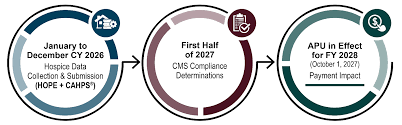
Hospice Outcomes and Patient Evaluation (HOPE) will replace the current Hospice Item Set (HIS) structure. The gradual roll-out will begin in FY 2025 and will collect data at different time points throughout a hospice stay. In contrast, HIS only collected data at admission and discharge.

New or expanded categories of HOPE relative to HIS include:

Hospice Payment Rule 2025

Changes to CAHPS Survey

CMS conducted an experiment in 2021 surrounding the Hospice CAHPS Survey. Based on those results, the final rule will implement these change to the survey:

    • The addition of a web-mail mode (email invitation to a web survey, with mail follow-up to non-responders).
    • A shortened and simplified survey.
    • Modifications to survey administration protocols to include a pre-notification letter and extension of the field period from 42 to 49 days.
    • The addition of a new, two-item Care Preferences measure.
    • Revisions to the existing Hospice Team Communication measure and the existing Getting Hospice Care Training measure.
    • The removal of three nursing home items and additional survey items impacted by other proposed changes in this rule.

Hospice Special Focus Program (SFP)

The SFP allows CMS to monitor those hospices that are identified as poor performers based on quality indicators from the CAHPS surveys. Additional oversight from CMS will “enable continuous improvement” for those hospices identified. The four measures used to determine poor performance are Help for Pain and Symptoms, Getting Timely Help, Willingness to Recommend this Hospice, and Overall Rating of this Hospice.

According to CMS, the final rule includes changes to the Overall Rating of this Hospice measure. CMS states that these changes are not substantive and will not impact the SFP algorithm. “CMS adjusts measure scores for mode of survey administrations, so the introduction of a new mode should not impact measure scores.” 

NAHC previously submitted comments to CMS stating that some aspects of the Hospice Special Focus Program are flawed and need to be adjusted for accuracy and fairness. NAHC/NHPCO has created a research project to understand the impact and validity of the Hospice Special Focus Program.

2025 Hospice Final Rule Conditions of Participation and Payment Requirements

There are language discrepancies in existing hospice requirements for medical director and physician designee, physician member, and payment requirements for the certification of the terminal illness and admission to hospice care. Therefore, CMS is making technical changes to the CoPs by adding the physician mmever of the hospice IDG as someone who can review technical information and provide certification of life expectancy. 

# # #

Kristin Rowan, Editor

Kristin Rowan has been working at Healthcare at Home: The Rowan Report since 2008. She has a master’s degree in business administration and marketing and runs Girard Marketing Group, a multi-faceted boutique marketing firm specializing in event planning, sales, and marketing strategy. She has recently taken on the role of Editor of The Rowan Report and will add her voice to current Home Care topics as well as marketing tips for home care agencies. Connect with Kristin directly kristin@girardmarketinggroup.com or www.girardmarketinggroup.com

©2024 by The Rowan Report, Peoria, AZ. All rights reserved. This article originally appeared in Healthcare at Home: The Rowan Report. One copy may be printed for personal use: further reproduction by permission only. editor@therowanreport.com

M&A: Commure Acquires Augmedix

Acquisition Creates Large AI Software Provider

by Tanay Tandon, CEO, Commure

Today I’m excited to share that Commure is signing to acquire Augmedix (NASDAQ: AUGX) and take the company private. Combined, we believe we’re creating one of the largest, most comprehensive, and fastest-growing artificial intelligence software suites in healthcare. 

AI Scribing

Augmedix is a pioneer in the space of Ambient AI-powered medical scribing, with technology and personnel serving over 20 major health systems and hundreds of sites of care. Together, we believe we can dramatically boost the productivity of every physician in America using language models that transcribe appointments, autonomously code them, and supercharge back-office operations for billing teams. 

The companies together are on track to power over 3 million physician appointments using artificial intelligence, ambient scribing, and revenue cycle automation this year. Commure Scribe, and Augmedix Go on average save a physician 2 hours of documentation time a day, reducing documentation time by more than 80%, and help generate billions of dollars in productivity savings for providers across the country. 

Commure Acquires Augmedix

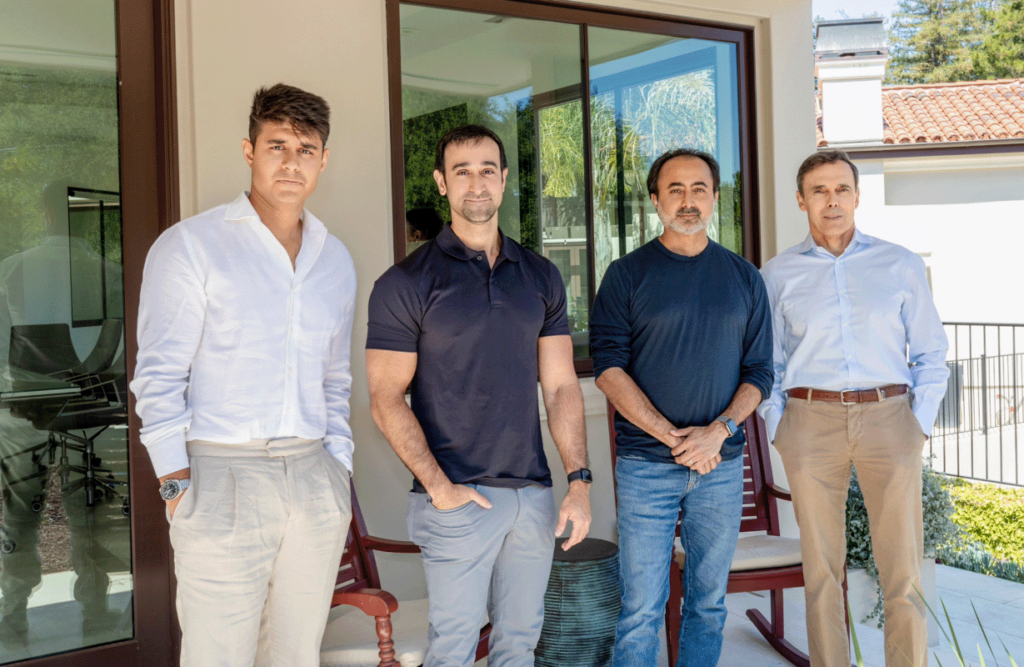
(Left to Right): Tanay Tandon, Ian Shakil, Hemant Taneja, and Manny Krakaris

Powerful Combination

Augmedix and Commure both partner closely with the country’s premiere hospital systems.  Augmedix’s progress in deploying LLM-powered technology within those systems has been genuinely amazing. 

Commure today processes billions of dollars worth of healthcare payments, and has the fastest growing Ambient AI scribe + documentation tool deployed within hundreds of health systems and private practices. Our technology suite helps power over 250,000 providers nationally. And with the Augmedix acquisition that number will grow even further. 

As I’ve gotten to know Ian and Manny – founder and CEO respectively at Augmedix – it’s become clear they share a common passion with Commure for deploying artificial intelligence to supercharge provider operations and boost the productivity of the US economy. 

In line with the health assurance vision, we believe this combination further unlocks an ecosystem of companies that can collaborate to transform healthcare. In partnership with Augmedix, Commure is poised to become the single, AI-powered interface for providers, accelerating innovation and our shared goal of creating a more proactive, accessible, and affordable system of care. 

In the coming months, we hope to announce much more about how the combined company’s product suites will help transform provider operations at all the systems we partner with. 

# # #

About Commure

Commure, Inc. is connecting disparate datasets, surfacing meaningful insights, accelerating performance through a suite of intuitive applications, and enabling seamless innovation across the healthcare industry. Commure’s mission is to empower every person in the health ecosystem to deliver exceptional care. Commure’s original applications include solutions to improve staff safety, enhance clinical workflow, and bolster revenue operations. Currently, the company enables more than 160,000 clinicians and staff across more than 500 care facilities to advance care through collaboration. With Athelas in the portfolio, Commure will add thousands of clinicians and over 100,000 patients to its national network. Combined, Commure and Athelas is backed by General Catalyst, Sequoia, Lux, Human Capital, 8VC, Greenoaks Capital and Elad Gil. Learn more at commure.com.

© 2024. The Rowan Report. All Rights Reserved.

What’s Love Got to Do with It?

This article is part one of a two-part series from Activated Insights, formerly Home Care Pulse. Come back next week for the continuing story. Read more about Caring for the Caregiver here

by Todd Austin and Sasha Erickson

How to Create a Culture that Keeps Your Employees from Breaking Up with You

Healthcare employees admit that the 3 main factors contributing to the most stress at work are:

    • Concerns about being trainied for the required workload
    • Worries about job security
    • Finding the time to balance work and personal life

As a result, almost 60% of those working in the healthcare space reported their self-assessed level of burnout to be between moderate and very high—which can be attributed to the high-level emotional investment required for the job.

Post-Acute Turnover

While the long-term and post-acute care is one of the fastest growing industries in the nation, it also ranks in the top 5 workforces with the highest turnover.

Fortunately, the care employee burnout crisis is fixable.

The cure?

Treating our staff, and ourselves, with a little more conscious compassion.

It's Not You, It's Me

The Long-Term Effects of Unappreciation

For most other industries, employee turnover peaks at one year.

But for the long-term and post-acute care industry, 40% of turnover occurs within an employee’s first 100 days.

Which isn’t leaving much room for providers to retain their staff. According to the 2024 Activated Insights Benchmarking Report, annual care staff turnover increased by 14% within the last two years, averaging a total of 79.2%.

But there is hope in the data.

What if we told you that simply thanking your care staff more could get them to stay longer than 3 months?

According to the Benchmarking Report, recognition received the lowest satisfaction score from employees. Care staff are most dissatisfied with the appreciation they’re receiving after a job well done, followed by feeling inadequately prepared for the field.

Activated Insights Culture

Not only are feelings of unappreciation causing turnover rates to skyrocket, it’s also having a detrimental impact on the state of the industry.

As a result of not feeling appreciated or recognized for the work they do, your employees may be showing warning signs of impaired grief processing:  

    • Irritability or anger
      • oddly negative behaviors or attitudes that are uncharacteristic for the employee
    • Obsessive thoughts
      • rumination over certain patients or issues that is constantly brought up and seems to never be resolves
    • Hyper alertness or overreactive behaviors
      • intense, erratic behaviors or excessive attention to work that is unwarranted or outside of the normal response
    • Self-harming behaviors
      • gravitation to overworked, exhaustive behaviors e.g. refusing to take breaks, taking on added tasks unnecessarily
    • Apathy or numbness
      • lack of reaction to items that would normally cause a response, decrease in emotions, or refusal to address difficult emotions

Contrary to popular opinion, an employee doesn’t leave their emotions at the door when they come into work. Especially if they work in a service-based industry like long-term and post-acute care.

The emotions an employee feels while caring on the job affects performance, customer and employee satisfaction, and care outcomes.

For example, if an employee is feeling stressed, frustrated, or disgruntled, they will either appear as they’re caring for their residents and patients or be forced to put up a positive front on the outside while bottling up negative emotions on the inside. Whether these types of negative emotions are revealed in the open or held within, either outcome leads to low satisfaction and high employee turnover.

Instead, be an advocate for your employees’ wellbeing and mental health. Provide resources for mental health support and regularly check-in with your staff at important milestones. Offering competitive benefits, flexible hours, and paid time off encourages employees to tend to their own needs as well as others.

# # #

Todd Austin Culture

As a highly accomplished executive, Todd Austin, COO & President of Activated Insights, is recognized as a leading voice in the rapidly-growing care industry. With over a decade of experience in executive leadership roles, Todd brings a wealth of knowledge and expertise to his current position as a key member of the Activated Insights team.

With a background in sales, marketing, management, operations, and finance, Todd is a true Renaissance executive with a rare combination of strategic and tactical skills. His expertise in developing and implementing growth strategies, optimizing operations, and driving profitability has made him a sought-after advisor to many organizations.

Sasha Erickson is the Director of Talent at Activated Insights, formerly HCP. With over 10 years of experience in human resources across a variety of industries, Sasha has worked with organizations ranging from small businesses to Fortune 500 companies. She graduated Summa Cum Laude from Utah State University with a degree in Business Administration and minors in Human Resource Management, Marketing, and Finance.

Sasha’s career history includes roles at Avant Guard Monitoring Centers, Goldman Sachs, Schreiber Foods, JBS and Pilgrim’s Pride Corporation, RR Donnelley, and Denver Public Schools. Her expertise spans talent acquisition, employee engagement, culture development, HCM software implementation, and strategic HR management.

©2024 by The Rowan Report, Peoria, AZ. All rights reserved. This article originally appeared in The Rowan Report. One copy may be printed for personal use: further reproduction by permission only. editor@therowanreport.com

Sasha erickson Culture

MA Past, Present, and Possible Future: Nothing Good to Report

by Tim Rowan, Editor Emeritus

Past

For at least the last five years, every Home Health conference this reporter has attended has featured at least one keynote speaker or expert panelist complaining about sparse and shrinking payments from Medicare Advantage plans. As thousands of seasonal TV ads convince more and more Medicare beneficiaries to enroll in what insurance company executive-turned-whistleblower Wendell Potter called “neither Medicare nor an advantage,” the calls from Home Health executives to turn away MA members, following the lead of many hospitals, have grown louder and more frequent.

Originally designed to extend the lifespan of the Medicare Trust Fund by bringing managed care practices to the federal healthcare program for seniors and disabled, Medicare Advantage has failed to do so. As long ago as 2021, an exposé by Fred Schulte in Kaiser Family Foundation Health News found that MA costs to taxpayers began to explode in 2018 and today equal 119 percent of what traditional Medicare should cost. We looked at more recent studies and found similar reports.

From the Experts

Referencing a study by Richard Kronick, a former federal health policy researcher and a professor at the University of California-San Diego, Schulte said, “his analysis of newly released Medicare Advantage billing data estimates that Medicare overpaid the private health plans by more than $106 billion from 2010 through 2019 because of the way the private plans charge for sicker patients. A third of that overpayment occurred in 2018 and 2019.”

Since Kronick’s 2021 report, more beneficiaries have opted in to Medicare Advantage. So far, just over half have switched from straight Medicare, with or without a supplement, and that number may reach 100 percent if those who profit most from the option have their way.

Present

In recent months, we have investigated and reported on the insurance industry’s practice of exaggerating MA member health conditions and denying care that traditional Medicare would have covered, collecting from both ends of the CMS trough. We have also mentioned several federal and state lawsuits piling up against insurance companies for both of those practices. One of our sources, The Center for Economic and Policy Research, said this in the Executive Summary of its detailed, September 2023 study:

Profiting at the Expense of Seniors: The Financialization of Home Health Care

“The nonpartisan Medicare Payment Advisory Commission (MedPAC) estimates that upcoding by MA plans that make enrollees appear to be sicker than they are costs CMS 106 percent of what traditional Medicare costs; adding in the quality bonus payments brings it to 108 percent. MA plans also enroll healthier Medicare beneficiaries, increasing their operating surplus by another 11 percent, making the payments to MA plans 19 percent higher than the payments to traditional Medicare. 

CMS’s announced goal for traditional Medicare beneficiaries is to move all of them to Accountable Care Organizations, which use the valued-based payment model, or other similar care arrangements, by 2030. CMS’s leading model to accomplish this shift is ACO REACH — a gentler, kinder version of the Trump administration’s backdoor enrollment of traditional Medicare beneficiaries in a capitated payment model.”

The Center for Economic Policy Research

Future

Past Present Future Medicare Advantage

Depending on results in the unpredictable world of politics later this year, CMS may or may not see its shift to value-based ACO models come to fruition. Kaiser News‘ Schulte examined the Heritage Foundation’s “Project 2025,” the conservative think tank’s blueprint for any possible future Republican administration, and found an entire section on the Department of Health and Human Services.

Within its “Mandate for Leadership,” the authors identify Medicare and Medicaid as “the principal drivers of our $31 trillion national debt.” While admitting that Medicare and Medicaid “help many,” the authors assert that the programs “operate as runaway entitlements that stifle medical innovation, encourage fraud, and impede cost containment, in addition to which their fiscal future is in peril.”

Rebuttal

Commenting on the Heritage Foundation’s claim, researcher Sonali Kolhatkar, writing for “OtherWords.org,” counters that this opinion is often used to justify ending social programs, but actual CMS data indicates that per person Medicare spending has plateaued for more than a decade and represents one of the greatest reductions to the federal debt. Even with 10,000 to 11,000 Boomers reaching Medicare eligibility every day, total per beneficiary expenditures have stopped climbing, hovering around $12,000 per year since 2010. Before reaching that 2010 plateau, per beneficiary spending had steadily risen from $2,000 at the program’s 1965 inception.

Medicare Advantage for All

Project 2025 proposes making Medicare Advantage the default enrollment option rather than a choice beneficiaries can opt into. With 100 percent of seniors on MA plans, already historic insurance profits will skyrocket further. But will Medicare beneficiaries benefit as well?

The Center for Economic and Policy Research cites multiple lawsuits that have proven eight of the ten largest MA plans routinely add chronic conditions – some non-existent – to patient assessments at enrollment…or later. We reported recently that UnitedHealth Group, operator of the largest MA plan, recently began sending nurses into homes to search for additional health conditions that would raise company payments from the trust fund. The report we quoted included evidence that these home visit upcodes do not lead to any treatments. The Center added that MA’s “heavily restricted networks damage one’s choice of provider along with introducing dangerous delays and denials of necessary care.”

As we have mentioned before, Medicare Advantage is neither Medicare nor an Advantage.

Medicaid also Attacked

Project 2025 also proposes restrictions on Medicaid eligibility by imposing work requirements. The blueprint sees the program for low-income Americans as a  “cumbersome, complicated, and unaffordable burden on nearly every state.” Their plan includes bringing private insurance companies in to “manage” care.

A June, 2024 report by the Center on Budget and Policy Priorities concluded that the ACA’s expansion of Medicaid helped millions of Americans who would otherwise be uninsured, and that its enabling and encouragement of preventive care actually saved money in state budgets. Last month’s report asserted “the people who gained coverage have grown healthier and more financially secure, while long-standing racial inequities in health outcomes, coverage, and access to care have shrunk.”

Project 2025 authors make no mention of a KFF News report from April 2023 that said most Medicaid-eligible people are already working. Nor does it take into account a Government Accountability Office report to Congress October 2020 and again in 2023 that determined that hourly wages in many large companies are low enough to keep even full-time workers eligible for Medicaid and SNAP. Walmart and McDonalds, to name two, land in the top five in almost every state for having Medicaid-eligible workers.

EVEN THE WALL STREET JOURNAL IS CRITICAL

Under the front page Headline “Medicare paid $50 billion to insurers for untreated ills,” a detailed WSJ investigation highlighted a number of findings, including:

  • “The questionable diagnoses included some for potentially deadly illnesses, such as AIDS, for which patients received no subsequent care, and for conditions people couldn’t possibly have, the analysis showed. Often, neither the patients nor their doctors had any idea.”
  • “Instead of saving taxpayers money, Medicare Advantage has added tens of billions of dollars in costs, researchers and some government officials have said.”
  • “Medicare Advantage has cost the government an extra $591 billion over the past 18 years, compared with what Medicare would have cost without the help of the private plans, according to a March report of the Medicare Payment Advisory Commission, or MedPAC, a nonpartisan agency that advises Congress. Adjusted for inflation, that amounts to $4,300 per U.S. tax filer.”
  • “The Journal reviewed the Medicare data under an agreement with the federal government. The data doesn’t include patients’ names, but covers details of doctor visits, hospital stays, prescriptions and other care.”
People voting

Now it is in the Hands of Voters

Home Health, Hospice, and Home Care owners, management, and workers will be voting in November. Consideration of what four years under a Project 2025-friendly administration will mean to businesses dependent on Medicare and Medicare will weigh heavily on their minds as they enter their polling booths.

# # #

Tim Rowan, Editor Emeritus

Tim Rowan is a 30-year home care technology consultant who co-founded and served as Editor and principal writer of this publication for 25 years. He continues to occasionally contribute news and analysis articles under The Rowan Report’s new ownership. He also continues to work part-time as a Home Care recruiting and retention consultant. More information: RowanResources.com
Tim@RowanResources.com

©2024 by The Rowan Report, Peoria, AZ. All rights reserved. This article originally appeared in Healthcare at Home: The Rowan Report.homecaretechreport.com One copy may be printed for personal use: further reproduction by permission only. editor@homecaretechreport.com

M&A: HHAeXchange Acquires Generations Homecare System

FOR IMMEDIATE RELEASE

Contact:                                       Michelle Rand

855.300.8209

Michelle.rand@alloycrew.com

HHAeXchange Acquires Generations Homecare System, Enhancing its Software Platform for Homecare Stakeholders

Through the acquisition, HHAeXchange will expand footprint into new states and gain talent with deep homecare technology experience

NEW YORK, July 8, 2024 – HHAeXchange, a leader in homecare management solutions for providers, managed care organizations (MCOs), state Medicaid agencies, and fiscal intermediaries, today announced its acquisition of Generations Homecare System. Generations provides an all-in-one homecare agency management software solution that gives providers the ability to connect care teams, simplify daily tasks, and maintain compliance. This acquisition brings together two companies sharing a common vision and values, aimed at driving innovation and excellence in homecare.

The homecare industry is poised for tremendous additional growth, with demand for personal care aides expected to rise by 43% between 2020 and 2035. Industry stakeholders need a software platform that can rapidly evolve to meet the requirements and growing needs of providers, caregivers, and payers – particularly when it comes to compliance and usability.

“As HHAeXchange remains focused on building a better product that supports our dynamic industry, we’re thrilled to combine forces with the Generations team, which is known for its homecare technology expertise,” said Paul Joiner, HHAeXchange’s Chief Executive Officer. “This deeper talent bench, along with an expanded geographic footprint, will move us closer to fulfilling our mission of enabling caregivers, families, providers, and payers to deliver the best care in the home.”

Building on HHAeXchange’s recent acquisition of Cashé Software, a leading Minnesota-based solution for homecare operations and billing, the Generations acquisition will enable HHAeXchange to further expand its footprint into new states and add talent with deep expertise in homecare technology – ultimately driving more value for clients, partners, and others across the industry.

“At HHAeXchange, we’re dedicated to revolutionizing homecare by empowering providers with the best tools and solutions. Our recent acquisitions of Cashé Software and Generations Homecare System represent a significant milestone in this journey, underscoring our commitment to enhancing the care experience for caregivers and members nationwide. With this newly fortified combination of expertise and values, we’re strategically positioned to drive meaningful change in the industry and make a lasting impact on the lives we serve,” Joiner added.

Generations has been dedicated to creating a quality homecare software service for the growing homecare industry since it was founded in 2002. Committed to the promise of providing exceptional technology, Generations is used by over 700 customers in 48 states across the U.S.

Lisa Ferden, Generations Co-Founder and COO, and Lance Ferden, Generations Co-Founder and CTO, will work in advisory roles over the coming months to ensure a smooth transition.

“Generations was built on the foundation of providing exceptional technology, always keeping usability and intuitiveness at the forefront of our homecare software service,” said Lisa Ferden, COO and co-founder of Generations Homecare System. “But what has always set us apart is our commitment to providing an unparalleled customer experience. From our onboarding process to our help system and our customer success team we care deeply about doing our best with every customer interaction. We are thrilled to combine this passion with HHAeXchange’s strengths and push the homecare industry forward.”

# # #

About HHAeXchange

Founded in 2008, HHAeXchange is the leading technology platform for homecare and self-direction program management. Developed specifically for Medicaid home and community-based services (HCBS), HHAeXchange connects state agencies, managed care organizations, providers, and caregivers through its intuitive web-based platform, enabling unparalleled communication, transparency, efficiency, and compliance. For more information, visit hhaexchange.com or follow the company on TwitterLinkedIn and Facebook.