More Violence in Care at Home

Admin

by Elizabeth E. Hogue, Esq.

Violence Against Home Care Providers Continues

Violence in Care at Home Continues…

Sadly, but not surprisingly, the violence against field staff caring for patients in their homes continues. Here’s a recent example:

On February 28, 2025, a hospice nurse in Texas was accosted inside a patient’s home while she was attempting to provide care. The man who accosted her inside the home followed her outside with a rifle and fired at her as she fled. The nurse was uninjured, but her car was struck by at least one bullet.

Then, still armed, the man went back inside the patient’s home where he stayed close to the patient while pointing his rifle at deputies. Law enforcement officers were able to communicate with him and de-escalate the tense situation. The man was booked into the county jail on a charge of aggravated assault with a deadly weapon and bond was set at $250,000.

Violence in Care at Home

By the Numbers

According to a recent analysis of Bureau of Labor Statistics data, healthcare is one of the most dangerous places to work. Homecare field staff members who provide services on behalf of private duty agencies, hospices, Medicare-certified home health agencies, and home medical equipment (HME) companies may be especially vulnerable. Contributing to their vulnerability is the fact that they work alone on territory that may be unfamiliar and over which they have little control. Staff members certainly need as much protection as possible. 

Violence Policies Needed

First, regardless of practice setting, management should develop a written policy of zero tolerance for all incidents of violence, regardless of source. This policy should include animals. The policy must require employees and contractors to report and document all incidents of threatened or actual violence, no matter how minor.

Beyond Reporting

Emphasis should be placed on both reporting and documenting. Employees must provide as much detail as possible. The policy should also include zero tolerance for visible weapons. Caregivers must be required to report the presence of visible weapons.

UCHealth SAFE Program

Below are some additional important actions for healthcare organizations to take that are based on the UCHealth SAFE Program:

  • Encourage staff members to STOP if they feel unsafe for any reason. 
  • If danger is not imminent, workers should pause to generally ASSESS their environments. Staff members should think about what happened and observe what is currently happening. Is there, for example, mounting frustration or anger?
  • Staff should then FAMILIARIZE themselves with the area. Who is the patient? Where is the patient? Are there any factors that might escalate behaviors? Staff members should also consider putting themselves in positions where they have a route to escape, if necessary.
  • ENLIST help. Getting help may, for example, include pushing panic buttons on mobile devices.

In Their Own Words

Here is what Chris Powell, Chief of Security at UCHealth, said in Becker’s Hospital Review on June 4, 2024:

“You can’t just talk about the shrimp and give you a good picture. We have to talk about the roux and the rice and everything else that goes into this for a good picture to be painted so people have an understanding. We want to solve this with an electronic learning or a 15-minute huddle, but we can’t. This is continuous and a persistent pursuit toward educating, communicating, recognizing, responding to, reporting and recovering from workplace violence.”

Chris Powell

Chief of Security, UCHealth

Final Thoughts

Every caregiver matters. The healthcare industry has lost caregivers to violence on the job in the past. Let’s do all that we can to avoid similar events in the future.

# # #

Elizabeth E. Hogue, Esq.

Elizabeth Hogue is an attorney in private practice with extensive experience in health care. She represents clients across the U.S., including professional associations, managed care providers, hospitals, long-term care facilities, home health agencies, durable medical equipment companies, and hospices.

©2025 Elizabeth E. Hogue, Esq. All rights reserved.

No portion of this material may be reproduced in any form without the advance written permission of the author.

©2025 by The Rowan Report, Peoria, AZ. All rights reserved. This article originally appeared in The Rowan Report. One copy may be printed for personal use: further reproduction by permission only. editor@therowanreport.com


HIPAA Compliance in Communication

Clinical

by Devin Paulin, Skyscape

The Critical Importance of HIPAA Compliance in Home Healthcare Communication

The Rise of Messaging Apps and Healthcare Communication

Nearly 44% of the global population (3.5 billion people) rely on messaging apps to communicate. Unfortunately, available consumer SMS, text, and even “secure” messaging apps like WhatsApp, Apple Message, or Google Messages do not come with safety and security features specifically required to be compliant in the healthcare industry.

Still, consumer SMS apps are quite often used for healthcare communication in which Personal Health Information (PHI) is shared, and many individuals don’t understand the level of risk or that this is a violation of the law.

HIPAA Compliance in Communication Advantages

Group and Individual texting are a proven, timesaving, real-time communication tool in healthcare, and must be done through a HIPAA-compliant messaging platform. Secure platforms can improve privacy and security while maintaining compliance in such a sensitive industry.

There are many reasons why HIPAA compliance is vital for secure communication in home healthcare.

HIPAA Compliance in Communication - Not Just for Doctors and Nurses

HIPAA compliance is not just for medical clinics and hospitals. HIPAA compliance extends to all types of services that hold healthcare information. Physical Therapy, Personal Care, Home Health, Wellness, Behavioral Health, Assisted Living, and many more all fall under HIPAA. Most importantly, ALL providers, staff members (full or part-time), contractors, and third-party partners who come in contact with PHI are subject to HIPAA law, violations, and fines.

HIPAA Compliance in Communication

We're too Small for Violations to be Noticed, Though

Wrong. We regularly speak to many owners and staff members of large and small Home Health Care, Assisted Living, Hospice and Palliative, Mobile Imaging, PT and Rehabilitation, and Behavioral Health across the country. Many openly operate under the false assumption that their business is too small to be noticed by the U.S. Department of Health and Human Services (HHS) and the Office for Civil Rights (OCR), who is responsible for enforcing the HIPAA Privacy and Security Rules. That is not how it works.

Complaints logged by those within or close to your business alert the OCR to possible HIPAA violations. These can be from current and former staff, patients, clients, business partners, or anyone who claims to have witnessed a HIPAA breach. This can include disgruntled employees and whistleblowers. Even for companies that are HIPAA compliant, any breach is to be reported by an employee assigned as the security officer.

HIPAA Compliance in Home Healthcare by Type

HIPAA mandates compliance for all communications involving PHI. Some key examples include:

  • Provider-to-Patient Communication
    • Secure platforms are necessary when caregivers contact patients outside of in-person visits.
  • Provider-to-Provider Communication
    • Sharing PHI within or between departments must meet HIPAA standards.
  • Provider-to-Insurance Communication
    • Insurance companies require sensitive patient data, which must be securely transmitted.
  • Provider-to-Third-Party Communication
    • Any third-party associates handling PHI must have a signed Business Associate Agreement (BAA) and adhere to HIPAA regulations.
  • Provider-to-Public Health Authorities
    • Reporting communicable diseases or pandemics requires secure communication.

Consequence of HIPAA Violations

HIPAA violations can have severe consequences, including:

  • Financial Penalties
    • Fines range from $100 to $50,000 per violation, depending on the level of negligence.
  • Reputational Damage
    • Data breaches erode patient trust, leading to a damaged reputation.
  • Legal Consequences
    • In cases of willful neglect, organizations may face lawsuits or criminal charges.

Final Thoughts

Understanding and adhering to HIPAA regulations is crucial in home healthcare. Compliance not only safeguards sensitive information but also strengthens patient trust and ensures ethical operations.

# # #

Devin Paullin HIPAA Compliance in Home Healthcare

Devin Paullin is an award-winning innovator and executive in Healthcare Technology, having developed successful products, solutions, and partnerships in Life Sciences, Post-Acute Care, SDOH, and Long-Term industries.

He is currently Chief Growth Officer for Skyscape which provides Buzz, an all-in-one, real-time HIPAA-compliant clinical collaboration and communication platform that enables the entire staff (admins, operations, clinicians, caregivers, partners, patients, and families) with the tools to communicate securely, easily, in groups or one to one, and affordable, by any mode they choose. Visit Buzz or contact them to learn more about Buzz by Skyscape today.

©2024 by The Rowan Report, Peoria, AZ. All rights reserved. This article originally appeared in Healthcare at Home: The Rowan Report. One copy may be printed for personal use: further reproduction by permission only. editor@therowanreport.com

Nursing Facility Compliance Guidance

Admin

by Elizabeth E. Hogue, Esq.

Nursing Facility Compliance Guidance

Takeaways for Hospices

In November of 2024, the Office of Inspector General (OIG) of the U.S. Department of Health and Human Services issued revised “Nursing Facility Industry Segment-Specific Compliance Program Guidance.” This guidance describes:

  • Risk areas for nursing facilities
  • Recommendations and practical considerations for mitigating risks
  • Other important information that the OIG believes nursing facilities should consider when implementing, evaluating, and updating their compliance and quality programs

Guidance Extends to Post-Acute Providers

The guidance targets nursing facilities. Howeve, it also clearly states that post-acute providers other than nursing facilities should use the guidance in their compliance efforts. The OIG says: “We encourage all long-term and post-acute providers to establish and maintain effective compliance and quality programs.” Guidance for nursing facilities, for example, specifically addresses relationships between nursing facilities and hospices.

The OIG...

First...

acknowledges that nursing facilities may arrange for hospice services for patients who meet the eligibility criteria and who elect the hospice benefit. 

Then...

reminds facilities and hospices that requesting or accepting remuneration from hospices may subject both parties to liability under the federal anti-kickback statute. This applies if the remuneration may influence nursing facilities’ decisions to do business with hospices or induce referrals between the parties.  

Goes On...

points out that nursing facilities that refer patients for hospice services who do not qualify for the hospice benefit may be liable for submission of false claims.

Nursing Facility Compliance Guidance OIG

Additionally...

says that hospices are permitted to furnish noncore services under arrangements with other providers or suppliers, including nursing facilities. State Medicaid Programs pay hospices at least 95% of the Programs’ daily facility rate. Hospices are then responsible to pay  facilities for patients’ room and board.

Finally...

provides a list of suspicious arrangements between nursing facilities and hospices, including: (1) referrals of patients to hospices to induce hospices to refer patients to facilities, and (2) solicitation or receipt of hospices of goods or services for free or below fair market value, including nurses or other staff to provide services at facilities for nonhospice patients and monetary payments for:

  • referrals of patients to hospices to induce hospices to refer patients to facilities
  • solicitation or receipt of hospices of goods or services for free or below fair market value
    • solicitation of nurses or other staff to provide services at facilities for nonhospice patients
    • monetary payments for:
      • Room and board for patients in excess of what nursing facilities receive directly from Medicaid if patients are not enrolled in hospices. Additional payments must represent fair market value of additional services actually provided to patients that are not included in Medicaid daily rates.
      • Additional services for residents that include room and board payments to hospices from Medicaid Programs
      • Additional services for patients that are not included in room and board payments from Medicaid Programs at rates that are above fair market value
      • Provision of services by nursing facilities to hospice patients at rates that are above fair market value

Final Thoughts

Hospices are surely under fire these days from fraud enforcers. Engaging in the practices described above is likely to draw attention by enforcers and possible enforcement action.

# # #

Elizabeth E. Hogue, Esq.

Elizabeth Hogue is an attorney in private practice with extensive experience in health care. She represents clients across the U.S., including professional associations, managed care providers, hospitals, long-term care facilities, home health agencies, durable medical equipment companies, and hospices.

©2025 Elizabeth E. Hogue, Esq. All rights reserved.

No portion of this material may be reproduced in any form without the advance written permission of the author.

©2025 by The Rowan Report, Peoria, AZ. All rights reserved. This article originally appeared in The Rowan Report. One copy may be printed for personal use: further reproduction by permission only. editor@therowanreport.com

Humana Thyme Agreement

Clinical

by Kristin Rowan, Editor

Palliative Care for Medicare Advantage Members

Cancer is one of the highest leading causes of death in the United States, second only to heart disease. The challenges for cancer patients are not only physical, but emotional and financial as well. The consequences of these challenges are often devastating to the patient and their families. Providing additional care, support, and pharmaceutical interventions through value-based care can improve patient outcomes and reduce out-of-pocket costs.

Thyme Care

Thyme Care is a Nashville-based cancer treatment center that operates in seven states. The centers provide not just treatment, but cancer care navigation, designed to work within the value-based framework, keeping the patient at the center of care. Thyme Care includes an oncology care team, a patient app with multiple resources and 24/7 access to support. Patient surveys track symptoms and reduce barriers to care. This approach combines cancer treatment and palliative care for whole-person cancer care support.

Palliative Care

Palliative care works alongside medical care to improve the quality of life for the patient, addressing physical, emotional, and spirtual needs. Strictly speaking, it is not medical care, and not specifically covered by most insurance plans. The out-of-pocket costs for palliative care can be extremely high, making this kind of care an inaccessible amenity for most patients.

Humana Thyme Palliative

Value-Based Care

Value-based care reimburses care providers partially based on patient outcomes and patient satisfaction. Providers also share the financial risk of care with health insurance companies. Care providers who can both improve outcomes and patient satisfaction can be reimbursed more through health insurance plans, which can cover the costs of palliative care, even when it is not explicitly covered by the plan.

Humana

Humana is a payer with plans for Medicare, Medicaid, and Individual/Family beneficiaries. The Medicare Advantage value-based care plans allow Humana to disperse payments for covered services in partnership with care provider teams across a patient’s care journey. The better the outcome and satisfaction, the more Humana can pay a provider for care. Better outcomes often means reduced hospital visits, a longer time at home before requiring skilled nursing facilities, and lower costs.

Humana Thyme Palliative Care Collaboration

The recently announced partnership between payer and provider will give eligible patients access to palliative care support as part of the whole-person cancer care navigation provided by Thyme. Humana patients can also receive, as needed, 24/7 virtual care, medication guidance, symptom management, chronic condition management, community-based resources, financial assistance, transportation, food assistance, and/or access to stable housing.

Kristin Rowan, Editor

Kristin Rowan has been working at The Rowan Report since 2008. She is the owner and Editor-in-chief of The Rowan Report, the industry’s most trusted source for care at home news. She also has a master’s degree in business administration and marketing and runs Girard Marketing Group, a multi-faceted boutique marketing firm specializing in content creation, social media management, and event marketing.  Connect with Kristin directly kristin@girardmarketinggroup.com or www.girardmarketinggroup.com

©2025 by The Rowan Report, Peoria, AZ. All rights reserved. This article originally appeared in The Rowan Report. One copy may be printed for personal use: further reproduction by permission only. editor@therowanreport.com
 

Prior Authorization Requirement Removed by UnitedHealthcare

Clinical

by Kristin Rowan, Editor

Easier Access to Home Health

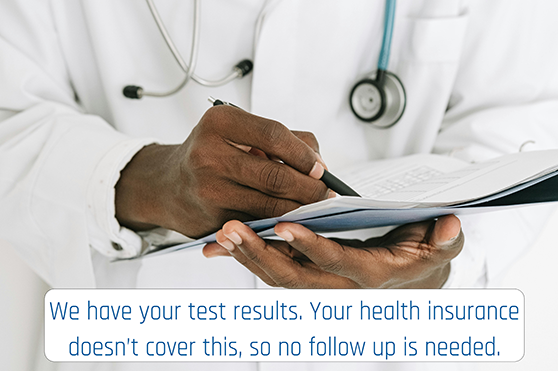
Prior authorization requirements can be cumbersome, delaying or even preventing care in some cases. Patients who need prior authorization to get he care they need also generally have form after form to fill out or to have completed by their PCP or hospital physician, who doesn’t have time for adequate visits, much less more paperwork.

As part of their ongoing efforts to reduce prior authorization volume by 10%, UnitedHealthcare has just announced a change in their home health services requirements.

Limits on Where Changes Apply

Beginning April 1, 2025, UHC will no longer require prior authorization or concurrent reviews for home health services managed by Home & Community (formerly naviHealth). This is the next step in an ongoing effort to modernize the authorization process and simplify health care for its members and providers. 

These changes will apply to Medicare Advantage and Dual Special Needs Plan (D-SNP) beneficiaries in 36 states and the District of Columbia.

  • Alabama
  • Alaska
  • Arkansas
  • California
  • Colorado
  • Connecticut
  • Florida*
  • Georgia
  • Idaho
  • Illinois
  • Indiana
  • Iowa
  • Kansas
  • Kentucky
  • Louisiana
  • Maine
  • Maryland
  • Massachusetts
  • Nebraska
  • Nevada
  • New Mexico
  • North Carolina
  • North Dakota
  • Ohio
  • Oklahoma
  • Oregon
  • Pennsylvania
  • Rhode Island
  • South Carolina
  • Tennessee*
  • Texas
  • Utah
  • Virginia
  • Washington
  • Wisconsin
  • Wyoming
  • Washington, D.C.

*In Florida and Tennessee, the changes will not apply to D-SNP plans that are not managed by Home & Community.

Prior Authorization Additional Information

You should continue to request prior authorization and concurrent review through March 31, 2025. UHC reminds all providers that following CMS guidelines for providing home health care services is still required. And in states where a Medicare denial is required to get Medicaid prior authorizations, providers should submit their requests through the UHC provider portal. 

The available information on this pending change is limited. We will provide updates should they become available. Please contact UHC directly through the provider portal if you have specific questions.

# # #

Kristin Rowan, Editor

Kristin Rowan has been working at The Rowan Report since 2008. She is the owner and Editor-in-chief of The Rowan Report, the industry’s most trusted source for care at home news .She also has a master’s degree in business administration and marketing and runs Girard Marketing Group, a multi-faceted boutique marketing firm specializing in content creation, social media management, and event marketing.  Connect with Kristin directly kristin@girardmarketinggroup.com or www.girardmarketinggroup.com

©2025 by The Rowan Report, Peoria, AZ. All rights reserved. This article originally appeared in The Rowan Report. One copy may be printed for personal use: further reproduction by permission only. editor@therowanreport.com

 

Agency Management System for Fractional Home Care

Admin

by Tim Rowan, Editor Emeritus

Agency Management System for Fractional Home Care

There is a growing service sector within Home Care to provide in-home care to seniors living in Independent Living and Assisted Living facilities. We described the basics of the way it works in last week’s interview with Jessica Nobles. She pointed out that there was no software available for the kind of scheduling required by this type of home care. She wound up creating her own software to schedule on-site caregivers performing visits that can be anywhere from five-minutes to full, four-hour shifts.

Right after building the customized scheduling tool, Ms. Nobles met Tim and Gina Murray, who had been through an identical experience with their own agency, Aware Home Care. The difference between their stories was that both the Nobles’ and the Murray’s, after selling their respective agencies, embarked on different paths. Jessica and Clint went the consulting route and Tim and Gina formed a software company, CinchCCM, Community Care Made Easy. We spoke to them this week to hear the rest of the story.

Agency Management System Win-Win-Win

At no cost to the residential facility itself, a home care agency places one or more caregivers on the premises. IL or AL residents join a kind of co-op to be eligible to request in-home services. Some agencies who offer this service accept requests for traditional shifts, five-minute check-ins, and pretty much everything in between.

Many request regular morning breakfast help, others tuck-in services. Most agencies in this sector allow registered members to request unscheduled, as-needed help. To accommodate the needs of all members, an agency will add caregivers as the number of participants grows. The Murray’s outlined the benefits to all involved.

Gina Murray
  • Caregivers like predictable income. They are paid for their entire time on-site, whether they are in a member home or on call between visits.
  • IL and AL owners find that the level of care keeps residents in their facilities longer by delaying the need to move to a nursing facility.
  • Families gain peace of mind, knowing their older loved ones have a caregiver nearby and on call all day, sometimes overnight.
  • Home Care agencies report enhanced caregiver satisfaction and retention, along with a steady, predictable payroll.

Clearly, agency management software was not intended to automate this type of arrangement.  

Not Your Parents' Agency Management System

CinchCCM Screenshot

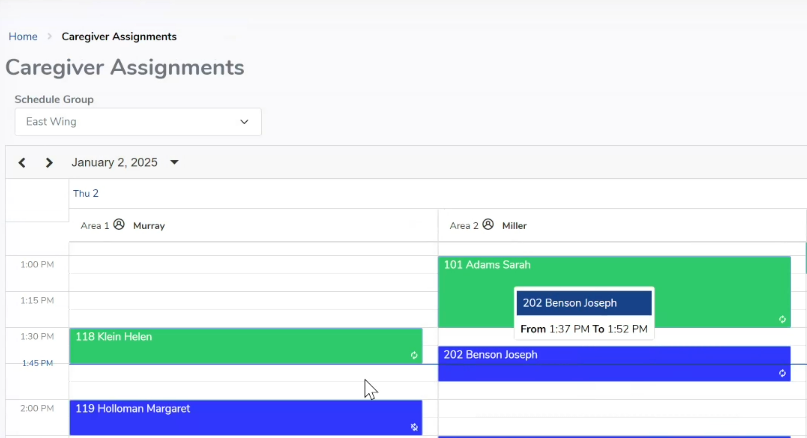
The Murray’s designed a system that displays schedules on a color-coded, calendar grid, with a column for each day and row for each 15-minute unit. Then they began to add features.

  • caregivers can tweak scheduled visits by drag and drop
  • remote family members can see scheduled and completed visits as well as caregiver notes
  • on the system’s mobile app, each caregiver can see the schedule of all other on-site colleagues. If a client unexpectedly needs more time and a caregiver has another visit coming up, that caregiver can find an available colleague and ask, through a secure message on the app, for someone to fill in.
  • on the system’s mobile app, each caregiver can see the schedule of all other on-site colleagues. If a client unexpectedly needs more time and a caregiver has another visit coming up, that caregiver can find an available colleague and ask, through a secure message on the app, for someone to fill in.
  • a management dashboard displays real time charts of caregiver utilization and gross profit. Agencies with multiple sites can report each site’s data separately and roll all sites up into one combined report.

Tim Murray explained that version 5.0 is nearly finished and ready to be released later this year. “It has been a long, slow development process,” he said, “and the first version was functional but simple. Adding the mobile app was a big step forward and very popular with the field staff. Management reports and real-time charts brought CinchCCM from a scheduling application to a full agency management system.”

Pricing, Growth, Evolution

CinchCCM is priced per client, based on average daily census at the end of each month. The Murray’s found this policy to be both manageable and fair. Their customers have a predictable revenue stream if most residents choose the monthly retainer option, and they have a predictable software cost for budgeting.

As word spread and software sales grew, Tim and Gina Murray sold Aware Home Care, formed a corporation, and turned their efforts to feature development, customer support, and sales. Those efforts have led to growth to 60 clients across the country. “As the so-called fractional home care concept grows,” Gina Murray concluded, “we want to be there to make it a smooth experience for those who give it a try.”

# # #

Tim Rowan The Rowan Report

Tim Rowan is a 30-year home care technology consultant who co-founded and served as Editor and principal writer of this publication for 25 years. He continues to occasionally contribute news and analysis articles under The Rowan Report’s new ownership. He also continues to work part-time as a Home Care recruiting and retention consultant. More information: RowanResources.com
Tim@RowanResources.com

©2025 by The Rowan Report, Peoria, AZ. All rights reserved. This article originally appeared in The Rowan Report. One copy may be printed for personal use: further reproduction by permission only. editor@therowanreport.com

Fractional Home Care

Admin

by Tim Rowan, Editor Emeritus

Solve Nagging Problems; Raise Revenue

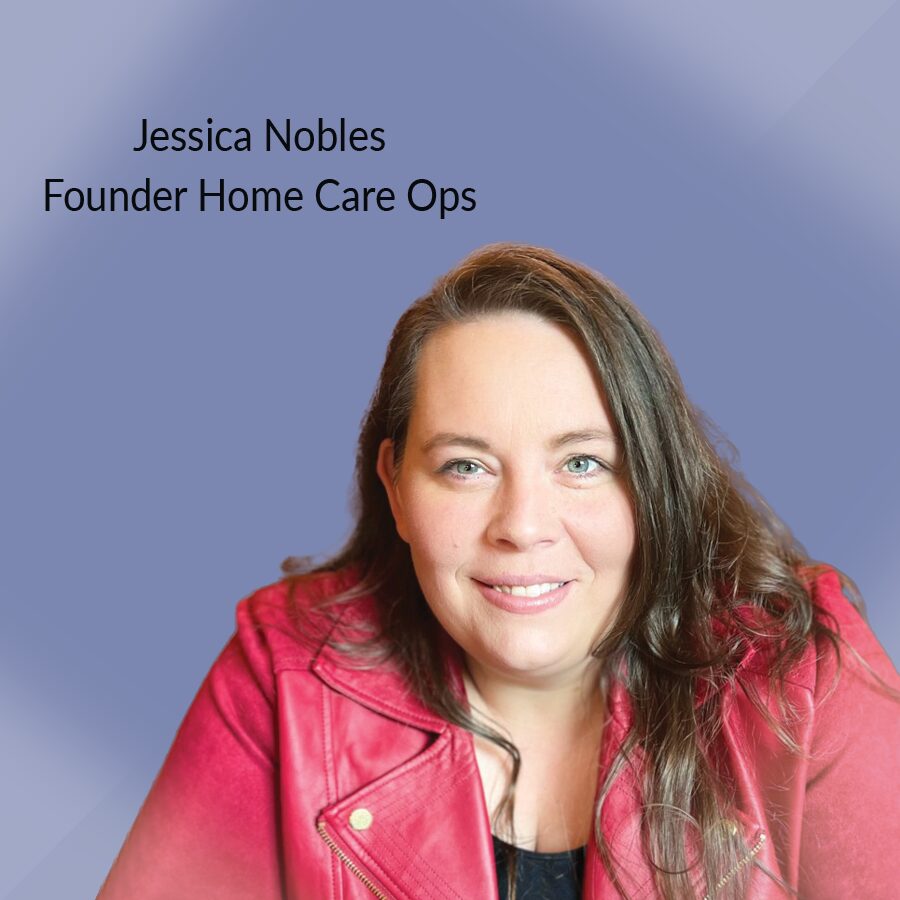
Along with the rest of the Private Pay sector, Jessica Nobles’ Eastern Tennessee agency was struggling with caregiver recruitment and retention. Finding good people is less than half the battle. To keep them, you have to pay a competitive wage and provide enough hours to ensure that wage translates into an attractive and predictable monthly income. We spoke with Jennifer, Founder of Home Care Ops, last week to learn one of her solutions.

Fractional Home Care

What Nobles calls “Fractional Home Care” is providing services in a senior living community with one or more caregivers stationed on site. Residents pay a membership fee or pre-purchase a package of hours. The agency is thus guaranteed a small revenue base and clients are free to request services for a few minutes or a few hours on an as-needed basis.

“Our caregivers love this arrangement because it virtually guarantees them full-time pay. They remain on site at the facility for a contracted shift, which can be their choice of daytime or night hours. If demand warrants it, we will assign more than one caregiver at a time.”

Jessica Nobles

Founder, Home Care Ops

She added that the advantage to the agency is that nearly all of a caregiver’s day is paid hours. There are no mileage reimbursements and no paying for travel time or idle time. “Think of it as a co-op,” she continued. Ten clients can share one caregiver. They get all the care they need and our caregivers are earning for their entire day.”

The benefit accrues to independent living communities as well. Their arrangement with an outside Home Care agency means they no longer have the burden of hiring and retaining a caregiving staff of their own and their residents get better care. The residents pay for the services, not the facility, and they have the option of using the on-site caregivers as needed or through the pre-purchase plan of a block of ten or twenty 15-minute units.

A Typical Scenario

Jessica offered an example of how Fractional Home Care often works. An Assisted Living Facility resident lives independently but occasionally needs help with showers, or help getting to and from the community center, etc. In a typical home care setting, that person would have to bring in a caregiver for four, six, or eight hours, though less than an hour is needed. The family speaks with the onsite agency to arrange for the specific help needed, whether it is a few minutes

Fractional Home Care ALF

every other day or an hour every day. The agency offers a membership at flat fee and both parties get exactly what they need. The caregiver is available to add other residents to his or her schedule, making it possible to achieve a 40-hour work week.

“Some patients might need traditional daily care as they might get from any other agency,” Jessica explained. “They can contract for that for around $1,600 per month. Our caregiver can come multiple times a day since there are no drive time concerns.” She said that not every client needs a membership program. Some prefer pre-sold units, perhaps buying five 15-minute visits in advance. “They never have to pay for down time. Our caregivers never sit idle should their work be done before their shift is up.” 

Jessica Nobles Fractional Home Care

Fractional Home Care Improves Agency Reputation

Jessica has found that her agencies have earned a reputation for such excellent care that they have occasionally replaced franchise home care organizations locally that have national contracts with national ALFs. Some of these facilities have been dissatisfied with the care they were getting with their national organization’s contracted agency. When this happens, they seek a local agency to replace them. Jessica has seen this several times when the franchise was not staying on site.

“We explain our fractional model, with someone on site at specified times when at least three residents have signed on, and one caregiver per 10 clients. The more clients who sign up, the more caregivers we station at the facility. This leads to an additional benefit for the ALF. This level of service delays the day the family decides to move Mom from their community to a nursing facility.”

Fractional Home Care has been so successful, the word spread to other residential communities. Nobles’ company had had to turn some away. When that happened, she and her partner and husband began to teach the system to other agencies.

There was one obstacle, she admits. There were no Agency Management Software systems that could be adapted to the fractional way of providing care. She and her team finally created their own…right before she found one on the market that met their needs. Jessica introduced us to Tim and Gina Murray, co-founders of Cinch CCM. Jessica recommends Cinch CCM to fractional home care agencies. We have scheduled a demo and will have a review in the near future.

# # #

About Jessica Nobles

With over a decade of Private Duty Home Care leadership and knowledge, Jessica Nobles worked her way up through every position from Caregiver, Operations Coordinator, Franchise Developer, and Independent Agency Owner. As the founder and operator of Nobility Care Solutions, she grew her revenue to six figures within the first year of business through grassroots marketing, creative community engagements, and referral partnerships. She is also the Executive Administrator for Home Care Ops where she coaches, consults, and empowers other home care owners and operators to create operational systems and strategies that build lasting business success and consistently increases revenue.

Tim Rowan, Editor Emeritus

Tim Rowan is a 30-year home care technology consultant who co-founded and served as Editor and principal writer of this publication for 25 years. He continues to occasionally contribute news and analysis articles under The Rowan Report’s new ownership. He also continues to work part-time as a Home Care recruiting and retention consultant. More information: RowanResources.com
Tim@RowanResources.com

©2024 by The Rowan Report, Peoria, AZ. All rights reserved. This article originally appeared in Healthcare at Home: The Rowan Report. One copy may be printed for personal use: further reproduction by permission only. editor@therowanreport.com
Safeguarding Caregivers from Violence

Admin

by Kristin Rowan, Editor

We’ve published and talked a lot about caregiver safety, lone worker safety, and keeping your caregivers safe. Until the risk of violence to care at home workers is 0%, we will continue to provide this information and urge you to implement plans to lower the risk.

It’s nice to see that we’re not the only ones. Much of the following information comes from Lockton Affinity Home Care, along with reports from the U.S. Bureau of Labor Statistics and the Centers for Disease Control and Prevention.

Workplace Violence in Care at Home

Workplace violence is at a much higher risk among home care workers than other professions. The U.S. Bureau of Labor Statistics says that home health aides and home nursing assistance are five to seven times more likely to experience workplace violance than the average U.S. worker. Workplace violence can include verbal, non-verbal and written harrassment, bullying, sexual harassment, and physical attacks, up to and including death. A study from the CDC is discouraging:

Violence Stats from Centers for Disease Control & Prevention

  • 18% to 65% of workers experiencing verbal abuse from patients
  • As many as 41% workers have reported sexual harassment
  • Between 2.5% and 44% of workers have reported being physically assaulted

Negative Consequences to Your Agency

According to Lockton, caregivers are impacted by violence in more ways than one. In addition to the physical and mental harm done by the violence itself, caregivers suffer from lower job satisfaction and higher burnout rates. They also may provide lower quality of care. Some start abusing drugs and alcohol. All of these lead to higher employee turnover and greater cost to the agency to hire and train new staff. Additionally, the poor quality of an abused worker can damage an agencies efficiency as well as their reputation.

Workplace Safety

Collect information and monitor conditions in the environment

Training, Policies, and Reporting

Lockton offers some specific recommendations to reduce the likelihood of your caregivers experiencing workplace violence.

Home care businesses should implement a monitoring and reporting process to demonstrate their commitment to recognizing and mitigating the risks associated with workplace violence.

By proactively managing workplace violence risks, your business can enable staff protection and support, align with regulatory compliance, emphasize a culture of safety, inform data-driven decision-making and contribute to the overall well-being of both employees and clients.

Implementation recommendations include:

  • A zero-tolerance policy towards workplace violence.
  • Policies and rules on the safety of lone caregivers in the field, such as regular cell phone contact or check-ins, and conducting home visits in pairs and/or with security escorts.
  • Rules and strategies related to visits in homes where violence has occurred in the past.

Require staff to participate in ongoing education and training

Many incidents of workplace violence go unreported in the industry. Caregivers may perceive incidents as minor or as part of the job, leading to a lack of action and normalization of such behavior.

Training employees on the types of physical and nonphysical acts and threats of workplace violence can increase awareness and reduce normalization. Additional education and training can focus on how to:

  • Assess the work environment and surroundings for safety, including the presence of drugs of abuse, drug paraphernalia, weapons, and aggressive pets.
  • Recognize signs of imminent violence, including verbal abuse and aggressive body language and/or posturing.
  • Employ verbal de-escalation techniques.
  • Utilize escape and egress techniques.

Create and maintain a culture of safety and quality throughout the organization

Identify an individual to be responsible for your organization’s workplace violence prevention program. They can implement policies and a standardized process to report and follow up on events or near-misses. Data collection and simple, accessible reporting structures show commitment to providing a safe and secure work environment. Regularly reporting incidents and trends to governance promotes transparency and further establishes accountability for the program.

Post-incident support services can also have great value for home healthcare workers’ well-being. These services may include peer support, formal debriefing, trauma-crisis counseling and employee assistance programs.

# # #

Kristin Rowan, Editor

Kristin Rowan has been working at The Rowan Report since 2008. She is the owner and Editor-in-chief of The Rowan Report, the industry’s most trusted source for care at home news .She also has a master’s degree in business administration and marketing and runs Girard Marketing Group, a multi-faceted boutique marketing firm specializing in content creation, social media management, and event marketing.  Connect with Kristin directly kristin@girardmarketinggroup.com or www.girardmarketinggroup.com

©2025 by The Rowan Report, Peoria, AZ. All rights reserved. This article originally appeared in The Rowan Report. One copy may be printed for personal use: further reproduction by permission only. editor@therowanreport.com
 

Perfect Storm

Admin

by Hannah Vale, CMO HealthRev Partners

Care at Home Industry Faces Perfect Storm

Industry Challenges in 2025

The care at home industry is grappling with an unprecedented crisis as staffing shortages, technological hurdles, and complex reimbursement models converge to create significant operational challenges. Industry experts warn that without immediate intervention, patient care could be severely impacted.

Staffing Crisis Reaches Critical Levels

The staffing shortage in home health care has intensified dramatically since the COVID-19 pandemic. Carole Carlson, Registered Nurse (RN), Administrator at Avant Home Care, is a veteran with 36 years of experience in the field. She reports unprecedented difficulty in recruiting registered nurses.

“We’re seeing a mass exodus of healthcare workers who have found remote work alternatives. This exodus has also led to a significant caregiver shortage, causing a decline in non-skilled care services.”

Carole Carlson

Administrator, Avant Home Care

A Perfect Storm

RN Shortage

“The other issue is the RN shortage. This is our first time ever experiencing an RN shortage. We are not even getting applicants, whereas in the past we have always had nurses apply and were able to hire within a relatively short period of time,” Carlson added.

Michael Greenlee, Founder and CEO of HealthRev Partners, notes that the shortage is systemic, with insufficient new workers entering the field to meet growing demand. The situation is particularly dire in rural areas, where agencies face additional challenges in attracting and retaining staff.

Connectivity Issues on Top of Documentation Burden

The documentation requirements for home health care are proving to be a major source of burnout among nurses. Pointedly, in rural areas, the problem is exacerbated by poor connectivity:
  • Many patients still rely solely on landlines
  • Large areas lack cell coverage
  • Limited or no WiFi access is common

These issues often force nurses to complete documentation after hours, significantly impacting their work-life balance. Greenlee suggests that emerging satellite connectivity solutions could potentially address these issues in the future.

A Perfect Storm Tech Stack

EMR Limitations

Electronic Medical Record (EMR) systems, while essential, present their own set of challenges. Agencies find that basic systems require multiple costly add-ons for full functionality.

Carlson identifies several gaps in current EMR systems:

  • Lack of built-in HIPAA-compliant dictation capabilities
  • Limited care plan template libraries requiring extensive manual input
  • Need for multiple add-ons to achieve full functionality

These limitations are forcing agencies to invest in additional software solutions, further straining already tight budgets.

Medicare Advantage Complicates Operations

The growing prevalence of Medicare Advantage plans is adding another layer of complexity to home health care operations. In one agency’s case, Medicare Advantage patients now represent 30% of their 160-patient census, equal to traditional Medicare patients. Each Medicare Advantage plan comes with different requirements, creating a significant administrative burden for agencies.

“Keeping up with the varying billing requirements across plans is a constant challenge for our small staff,” Carlson notes. “The need to maintain efficient workflows with clearinghouse and software updates for different payers is putting additional strain on already stretched resources”

Final Thoughts

As the care at home industry navigates these multifaceted challenges, experts stress the urgent need for comprehensive solutions to ensure the continued delivery of quality care to an aging population increasingly preferring to receive treatment at home.

# # #

Hannah Vale A Perfect Storm

Hannah Vale, M.Ed. is a dynamic leader bringing a wealth of experience and marketing innovation to her role at HealthRev Partners. Hannah is dedicated to helping post acute agencies streamline processes, optimize reimbursement, and embrace tech-driven solutions. She is recognized as an advocate for empowering agencies with the tools and knowledge they need to drive successful growth. A lifelong learner and former educator turned entrepreneur with a proven track record in launching and scaling businesses, passionate about creating impactful strategies that unite purpose and business. Hannah is also the co-host of the Home Health Revealed podcast, where she discusses industry insights and shares stories from experts in all things pertaining to home health, hospice, and palliative care. Hannah holds a Bachelors Degree in Education from Cleveland State University and a Masters in Educational Leadership from Evangel University.

©2024 by The Rowan Report, Peoria, AZ. All rights reserved. This article originally appeared in Healthcare at Home: The Rowan Report. One copy may be printed for personal use: further reproduction by permission only. editor@therowanreport.com

Treatment in Place from Emergency Medical Services

Clinical

by Elizabeth E. Hogue, Esq.

Treatment in Place

Providers of services to patients in their homes are anecdotally familiar with situations in which patients need help at home, but do not qualify for home health services and have not arranged for or are unable to afford home care/private duty services. These patients need assistance, but do not need transport.

The Problem

The problem for Emergency Medical Services (EMS) is nonpayment for services if patients are not transported for services.

Can EMS Charge Without Transport

The Office of Inspector General (OIG) of the U.S. Department of Health and Human Services has weighed in on whether local EMS can meet this need and bill patients’ insurance for treatment in place (TIP) services. The OIG has “blessed” the provision and billing of these services in Advisory Opinion No. 24-09 issued on November 21, 2024.

Treatment in Place

Treatment in Place Requirements to Bill Insurance

Specifically, the OIG says that EMS may provide services to patients in their homes or TIP services and bill Patients’ insurers if the following requirements are met:

  • Charges to patients’ insurers would be limited for emergency responses only.
  • Charges for TIP services must be based on the level of care furnished to patients and cannot exceed amounts currently claimed for payment for the same levels of care furnished in connection with ambulance transports.
  • Charges are made regardless of whether patients are enrolled in commercial insurance plans or federal health programs.
  • EMS accepts payment for TIP services from patients’ health insurances as payment in full.
  • Patients will not be billed for any cost-sharing amounts under patients’ health insurance, including federal health care programs for covered TIP services, regardless of whether they are residents or nonresidents of the county where TIP services are provided.
  • EMS cannot later claim cost-sharing amounts waived as bed debts for payments under federal health care programs or otherwise shift the burden of cost-sharing waivers onto federal health care programs, other payors, or individuals by, for example, balance billing.

Cost-Sharing

In light of the above, the OIG first acknowledged that the prohibition on waivers of cost-sharing under the federal anti-kickback statute (AKS) is applicable and that the requirements of a safe harbor that addresses waivers of cost-sharing amounts for municipally owned ambulances are not met by the proposed arrangement. The OIG also said that the proposed arrangement would result in remuneration in the form of cost-sharing waivers for TIP services and TIP services provided at no charge to patients. Consequently, remuneration provided implicates both the AKS and the Beneficiary Inducements CMP.

Risk

Nonetheless, the OIG concluded that the arrangement involves a low risk of fraud and abuse. In addition to the above requirements, the OIG concluded that neither Medicare Part B nor the State Medicaid Program currently covers TIP services; only a handful of Medicare Advantage Plans and some Medicaid Programs currently cover TIP services. This means that, in most circumstances, the arrangement will result in no costs to federal health care programs and, in fact, may reduce costs by avoiding ambulance transport or subsequent hospital care. Patients may also receive care more quickly and efficiently, and at more appropriate levels of care when they receive TIP services.

Treatment in Place Cost-sharing Waivers

Finally, according to the OIG, waivers of cost-sharing for TIP services or the provision of free TIP services are unlikely to affect patients’ decisions to use future emergency ambulance services reimbursed by federal health care programs.

Providers are increasingly aware that patients need a variety of services in their homes. The OIG has opened another door!

# # #

Elizabeth E. Hogue, Esq.

Elizabeth Hogue is an attorney in private practice with extensive experience in health care. She represents clients across the U.S., including professional associations, managed care providers, hospitals, long-term care facilities, home health agencies, durable medical equipment companies, and hospices.

©2025 Elizabeth E. Hogue, Esq. All rights reserved.

No portion of this material may be reproduced in any form without the advance written permission of the author.

©2025 by The Rowan Report, Peoria, AZ. All rights reserved. This article originally appeared in The Rowan Report. One copy may be printed for personal use: further reproduction by permission only. editor@therowanreport.com

Urgent Plea to Safeguard Your Caregivers

Admin

by Kristin Rowan, Editor

Care at Home Worker Safety is not Optional!

I will rarely present an editorial piece that is based only on my opinions. I hold a few about care at home in general, but at least attempt to use statistics, facts, and history to support my positions. This is one area where the facts and numbers are all there, but using them is not as effective as sharing these stories. No matter where your agency is in its growth, no matter how large or small, no matter your plans for 2025, if you have not started a safety committee, created safety protocols and operating procedures, and invested in GPS-enabled emergency response systems for your staff, do so NOW, so this story doesn’t become your story.

One More Story is One Too Many

The tragic death of Joyce Grayson made headlines across the country both immediately after her death and for months after with lawsuits and new regulations in her state. This week, another avoidable incident left a home health aide in Massachusetts bedridden and temporarily unable to walk.

The aide, who asked to remain anonymous said she thought she was going to die. “I was screaming Help! Help!,” while a man in his 70s, for whom she has provided care for more than two years, attacked her with a knife. The man repeatedly stabbed, slashed, and sliced her while she kept kicking at him and thrashing her body. Despite all her attempts to escape, the man would not let her get up. 

Worker Safety

“I was tired,” she recalled, after fending off her attacker, “I’m gonna die here, I think that, but in that moment I remembered my sons, my family and giving me power. I confronted him.”

As she fled the apartment, the man followed her with a piece of wood. She ran down the hallway, where a security guard intervened. The man lost his balance during the struggle and fell. The home health aide spend two days in the hospital, receiving blood transfusions and dozens of stitches. She has decided no to return to her job, which she has held for a decade.

“He’s not going to kill me. He’s not going to pull me down.”

Home Health Aide Attacked on the Job

Worker Safety

Next Time, it Could be You

No care at home worker deserves to feel unsafe or to be attacked at work. No agency owner wants to be the headline of the next story about a home care worker who ended up in the hospital or the morgue. Don’t be the next agency that has to explain to a family how this happened to their mother, daughter, son, or uncle, or cousin. No child wants to find out that their parent isn’t coming home because they did not have the means to call for help.

Act Now, Before it's Too Late

You might be surprised, if you asked, how many of your caregivers have ever felt uneasy, unsafe, or uncomfortable during their shift. Whether is the client, a family member of the client, pets, firearms, the neighborhood, or something else, most lone workers will experience some degree of fear. While not entirely preventable, there are steps you can take to minimize the risk:

    • Ask your employees for honest feedback
    • Research the client, family members, and the neighborhood for safety issues
    • Create a committee comprising management, administrators, and caregivers, to create a safety plan
    • Invest in training for your staff to include deescalation techniques, situational awareness, self-defense, and any other classes your safety committee deams necessary
    • INVEST IN GPS-ENABLED EMERGENCY RESPONSE SYSTEMS FOR EVERY EMPLOYEE, NOW!

Recommendations

As a company that engages in software adoption consulting, we don’t often make direct recommendations, prefering instead to tailor software selection to each agency and its unique needs. This is one area where I will make the exception and continue to make the exception until every lone worker in and out of the care at home industry is equipped with a safety device.

POM Safe

POM Safe is a personal safety solution that allows lone workers to get help when needed, but was designed to incorporate prevention and de-escalation. “The best 911 call is the one that never happens.”

The device includes features such as:

    • Fake phone calls to allow the caregiver to step away from a situation
    • Check on me to alert the agency if the caregiver has not checked in after an appointment
    • Appointment Sync to give first responders precise locations in an emergency
    • One-tap text sending a pre-written text with precise GPS location
    • Incident Reports to prevent future incidents
    • Two-way calling to a dispatcher when emergency help is needed
    • Voice activation when your caregiver can’t get to the device
    • Real-time crime data by neighborhood
    • Sex offender registries
    • 24/7 emergency dispatch
    • Device or app-based

Katana Safety

The Katana safety device attaches directly to the caregiver’s phone. It has a quick-trigger activation to bypass the phone’s lock screen, and provides instant help 24/7.

This device includes features such as:

    • Audible and inaudible alerts that launch GPS signals and connect worker to call center
    • 24/7 highly trained PERS center
    • Safety text and call after an alert with immediate dispatch if caregiver does not answer
    • Walk with me feature to have a dispatcher stay in contact while the caregiver gets to safety
    • Circle of safety to alert up to seven people in case of emergency
    • Customizable safety commands that each clinician sets up with voice activation
    • Beacon backup if bluetooth fails
    • Text messaging with GPS location
    • Employee check-in with voluntary location tracking and pin drop
    • 2-year battery life
    • Options to connect by app, fob, watch, or voice

Final Thoughts

Ensuring the safety of your employees before you send them out to care for your clients is not an optional benefit, a “nice to have,” or something you can do when you “get around to it.” Providing the training and safety devices needed to make sure each and every one of your caregivers makes it home every day should be your top priority. Whether you choose one of the devices above or go with a different option, start looking for one now. If you need help starting your safety committee or writing a survey to assess the safety risks in your agency, I will help you. With all of the technology available to us, there should no longer be any stories of caregivers who were attacked and did not have the means to call for help.

# # #

Kristin Rowan, Editor

Kristin Rowan has been working at The Rowan Report since 2008. She is the owner and Editor-in-chief of The Rowan Report, the industry’s most trusted source for care at home news .She also has a master’s degree in business administration and marketing and runs Girard Marketing Group, a multi-faceted boutique marketing firm specializing in content creation, social media management, and event marketing.  Connect with Kristin directly kristin@girardmarketinggroup.com or www.girardmarketinggroup.com

©2025 by The Rowan Report, Peoria, AZ. All rights reserved. This article originally appeared in The Rowan Report. One copy may be printed for personal use: further reproduction by permission only. editor@therowanreport.com


Telemedicine Rules from DEA

Clinical

by Elizabeth E. Hogue, Esq.

DEA Issues Three Telemedicine Rules

On January 16, 2025, the United States Drug Enforcement Administration (DEA) announced three new rules to make permanent some temporary flexibilities for telemedicine established during the COVID-19 public health emergency, including new provisions intended to protect patients. The DEA worked with the U.S. Department of Health and Human Services (HHS) to develop the new rules. The DEA made significant revisions to the draft rules proposed on March 1, 2023.

Exemptions

It is important to note that the new rules do not apply to telemedicine visits when patients have already been seen in person by medical providers. After patients have in-person visits with medical providers, any medications may be prescribed through telemedicine indefinitely. Also, if no medications are prescribed during telemedicine visits, the rules about telemedicine do not apply. In other words, patients can always have telemedicine visits with medical practitioners. The rules apply only if patients have never been seen in person by practitioners and controlled medications are prescribed during telemedicine visits.

Rule #1 - Remote Access to Opiod Meds

First, the DEA expanded remote access to buprenorphine, the medication used to treat opioid use disorder, via telemedicine encounters. This change allows patients to receive six-month supplies of buprenorphine through telephone consultations with providers. Additional prescriptions will, however, require an in-person visit to medical practitioners.

Rule #2: Schedule III-V Without In-Person Evaluation

The DEA also issued proposed rules that establish special registrations that allow patients to receive prescribed medications even though they have never had an in-person evaluation from a medical provider. This special registration is available to practitioners who treat patients for whom they will prescribe Schedule III-V controlled substances.

Telemedicine Rules

Prescribing Registrations for Schedule II

Advanced Telemedicine Prescribing Registrations are available for Schedule II medications when practitioners are board certified in one of the following specialties:

    • Psychiatrists
    • Hospice care physicians
    • Physicians rendering treatment at long term care facilities
    • Pediatricians for the prescribing medications identified as the most addictive and prone to diversion to the illegal drug market

    These specialized providers can issue telemedicine prescriptions for Schedule II-V medications.

Call for Public Comment

The DEA seeks public comment on the following issues related to the proposed rules, including whether:

    • Additional medical specialists should be authorized to issue Schedule II medications
    • Special registrants should be physically located in the same state as patients for whom Schedule II medications are prescribed
    • To limit Schedule II medications by telemedicine to practitioners whose practice issues less than 50% of prescriptions by telemedicine.

Online Registration

The DEA will also require online platforms to register with the DEA if they facilitate connections between patients and medical providers that result in prescription of medications. In addition, the DEA will also establish a national prescription drug monitoring program (PDMP) so that pharmacists and medical practitioners can see patients’ prescribed medication histories.

Rule #3: Exemption for Dept of Veterans Affairs

Finally, the DEA will exempt U.S. Department of Veterans Affairs (VA) practitioners from requirements for Special Registrations. After patients receive in-person medical examinations from VA practitioners, the provider-patient relationship is extended to all VA practitioners who engage in telemedicine with the patients.

Final Thoughts

Prescribing controlled substances is essential for some patients, including hospice patients. Practitioners must have the option to prescribe using telehealth.

# # #

Elizabeth E. Hogue, Esq.

Elizabeth Hogue is an attorney in private practice with extensive experience in health care. She represents clients across the U.S., including professional associations, managed care providers, hospitals, long-term care facilities, home health agencies, durable medical equipment companies, and hospices.

©2025 Elizabeth E. Hogue, Esq. All rights reserved.

No portion of this material may be reproduced in any form without the advance written permission of the author.

©2025 by The Rowan Report, Peoria, AZ. All rights reserved. This article originally appeared in The Rowan Report. One copy may be printed for personal use: further reproduction by permission only. editor@therowanreport.com
Product Review: Plan-of-Care Documentation

Admin

by Kristin Rowan, Editor

OASIS Assessment is a Time Suck

Regulatory requirements for home health quality assurance are designed to monitor and improve quality of care. QA focuses on ensuring that patients get safe, effective, compassionate care that meets their individual needs. QA also improves patient outcomes and reduces adverse events like ER visits and rehospitalizations. OASIS includes 79 standardized medical, nursing, and rehab data elements for a comprehensive assessment. Typical OASIS assessments take 1-2 hours to complete, depending on the patient’s complexity and the assessment type. 

Artificial Intelligence in OASIS coding

The Rowan Report recently came across a tool that addresses the complexities of OASIS coding. We sat down with Zach Newman (CEO) and Dan Conger (Founder) at Enzo Health to learn more about their AI powered QA tool with customizable workflows.

Co-pilot for Your Agency

Enzo Health is a documentation tool that automates workflows, acting as a co-pilot for your agency. Some of the workflows that Enzo Health supports include intake, OASIS, and QA reviews. Automating these processes can reduce errors and clawbacks, save your clinicians hours of paperwork, and offer cost savings to your agency.

QA Process

With the Enzo health QA tool, users upload all documents related to an episode. This will include the referral, initial visit notes, patient information, medical history, and form 485. Enzo calls out any issues it finds in the documentation.

In Face-to-Face encounters, Enzo looks for dates, signatures from qualifying clinicians, a valid primary diagnosis, and other qualifying information.

For ICD-10 Coding, Enzo assesses primary and secondary diagnoses, and adds notes with links to where the information can be found in the uploaded documentation.

Enzo then provides functional limitations and improvements that can be made. Using a team of clinicians that are trained as home health coders, Enzo provides a proxy for internal teams. These coders review charts and finalize diagnosis coding and OASIS answers.

Episode of Care

Qualification for an episode of care is required before anything else happens with a referral. Enzo’s intake automation tool reviews the referral package in advance of the initial F2F. Mirroring the agency’s internal intake process, Enzo determines whether the patient will be admitted to care, whether their insurance will cover the episode, and whether the patient’s psych history may impact the plan of care.

Enzo Health QA Automation

Clinical Assistance

The Rowan Report has often stated, and will continue to stand by this fact, that there is no substitute for face-to-face care and the expertise of the nurses and clinicians in the home. We have also seen the advancement of artificial intelligence that provides assistance and guidance at the point-of-care that can be useful. Enzo health includes a chat tool that pulls evidence-based information to provide guidance, coding instructions, and other help to nurses.

QA Tool Integration with Scribe Tool

Enzo Health has developed a talk-to-text scribe tool that integrates directly with the QA tool. The use of both products together would likely save more time as well as reduce errors. The Rowan Report will provide a thorough product review of the scribe tool at a later date. Enzo Health charges a flat fee determined by volume and offers bundle pricing for using both the QA and Scribe tools.

Final Thoughts

Costs are increasing, the workforce shortage is ongoing, nurses are suffering from burnout, and employees are stretched about as thin as they can go. Any tool that alleviates paperwork, stress, unpaid work at home to finish documentation, and the need for additional back-office staff is worth looking into. Enzo differentiates its tool from other QA software with their team of clinicians trained in home health coding to review the documentation. This end-to-end tool boasts a 95% accuracy rate and do date has no clawbacks or ADRs. 

In my conversation with Zach and Dan, their coding expertise and knowledge of the home health industry were evident. They are excited about the tools they are creating and passionate about helping agencies to provide patient care, a task they referred to as “very noble.” They continue to improve upon their software and conceive of innovative additions. If they continue as they started, Enzo Health will be one to watch.

GUIDE Model Expanding

Clinical

by Kristin Rowan, Editor

GUIDE Launched with 390 Participants

On July 1, 204, CMS launched the GUIDE Model and announced that 390 organizations had signed on to participate. The Guiding an Improved Dementia Experience (GUIDE) Model is a voluntary model test amied at supporting people with dementia and their unpaid caregivers (family members).

Overview

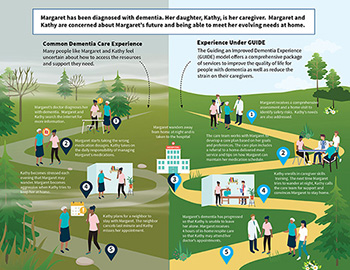
The GUIDE Model focuses on comprehensive, coordinated dementia care to improve the quality of life for people with dementia. It also hopes to reduce the strain on family caregivers and keep patients in their homes and communities longer. Medicare payments cover the package of care coordination, care management, caregiver education and support, and respite care.

Poor-Quality Dementia Care

The GUIDE Model aims to address the key drivers of poor-quality dementia care in five ways:

    • Defining a standardized approach to dementia care delivery for model participants – this includes staffing considerations, services for people with dementia and their unpaid caregivers, and quality standards.
    • Providing an alternative payment methodology to model participants – CMS provides a monthly per-beneficiary payment to support a team-based collaborative care approach.
    • Addressing unpaid caregiver needs – the model aims to address the burden experienced by unpaid caregivers by requiring model participants to provide caregiver training and support services, including 24/7 access to a support line, as well as connections to community-based providers.
    • Respite services – CMS pays model participants for respite services, which are temporary services provided to a beneficiary in their home, at an adult day center, or at a facility that can provide 24-hour care for the purpose of giving the unpaid caregiver  temporary breaks from their caregiving responsibilities.
    • Screening for Health-Related Social Needs – model participants are required to screen beneficiaries for psychosocial needs and health-related social needs (HRSNs) and help navigate them to local, community-based organizations to address these needs.

Health Equity

Aspects of GUIDE designed to improve health equity include:

    • Requiring participating providers to implement HRSN screenings and referrals.
    • Offering financial and technical support for development of new dementia care programs targeted to underserved areas with less access to specialty dementia care.
    • Annual reporting by participants on progress towards health equity objectives, strategies, and targets.
    • Using data from the model to identify disparities and target improvement activities.
    • A health equity adjustment to the model’s monthly care management payment to provide additional resources to care for underserved beneficiaries.

Exclusive Inside Scoop

PocketRN gives patients, families, and caregivers a “nurse for life,” closing the gap between healthcare and care at home. This whole-person support allows patients and their caregivers to have access to medical care through their virtual nurse, who establishes a relationship with the patients and families.

On January 13, 2025, PocketRN announced a Strategic Partnership with Nevvon to pilot the GUIDE Model.

Nevvon is a global home and health care training tech company that certifies caregivers for continuing education. The app-based learning allows caregivers to go at their own pace, simplifying compliance, and empowering agencies to deliver exceptional care.

On January 15, 2025, PocketRN announced a Strategic Partnership with Right at Home to provide support to eligible Medicare beneficiaries with dementia.

Right at Home is a nationwide provider of in-home care and will provide care and safety assessments for eligible beneficiaries to evaluate the safety of the home environment, the ability of the patient to manage and function at home, and report back to PocketRN any other factors that might impact the patient and their family caregiver.

Later today, PocketRN will announce a National Strategic Partnership with with Assisting Hands® Home Care to test the care model. 

Assisting Hands provides in-home care to seniors, individuals with disabilities, and people recovering from illness or injury. The agency has a significant portion of their client base with a dementia diagnosis. Their franchise system has locations across the United States.


“We couldn’t be more thrilled to bring our revolutionary nurse-led care model to the millions of dementia patients and families who need it most. With PocketRN, patients and families get unwavering support from a ‘virtual nurse for life’ as they navigate the complexities of managing dementia at NO cost to them. Nurses are hands-down the best clinicians to be the ‘glue’ for patients and their families throughout their dementia journey–they’ve been doing so forever, and it’s high-time their work is valued by our system.”

Jenna Morgenstern-Gaines

CEO, PocketRN

In Their Own Words

The Rowan Report spoke with Nancy Gillette, Chief Growth Officer at PocketRN for this exclusive scoop. Nancy explained that with this program, PocketRN will be able to provide a nurse to dementia patients, provide a clinical overlay to care at home, work with care at home partners for respite benefits, and become a referral source when a home care agency has an eligible patient.

GUIDE Model PocketRN

Existing models and studies using PocketRN have shown up to a 30% reduction in urgent care visits, ER visits, and hospitalizations. The company is focusing on finding new strategic partners for a greater understanding of patient engagement from a home care agency standpoint.

Nancy gave us this inside information: 

The three recent announcements are just the beginning. Expect more announcements in the next 30-60 days and then continuing throughout the year.

PocketRN will eventually be applying the GUIDE Model in agencies, patients already using PocketRN, and direct referrals across all 50 states.

# # #

Kristin Rowan, Editor

Kristin Rowan has been working at The Rowan Report since 2008. She is the owner and Editor-in-chief of The Rowan Report, the industry’s most trusted source for care at home news .She also has a master’s degree in business administration and marketing and runs Girard Marketing Group, a multi-faceted boutique marketing firm specializing in content creation, social media management, and event marketing.  Connect with Kristin directly kristin@girardmarketinggroup.com or www.girardmarketinggroup.com

©2025 by The Rowan Report, Peoria, AZ. All rights reserved. This article originally appeared in The Rowan Report. One copy may be printed for personal use: further reproduction by permission only. editor@therowanreport.com

 

Year of the Caregiver

Admin

by Kristin Rowan, Editor

Year of the Caregiver

Medical and non-medical caregivers in home health, hospice, palliative, and home care are the life-blood of the industry, without whom Care at Home would not exist. 

Agency owners are limited in their capacity to compensate caregivers, working with CMS reimbursement rates, PDGM, and VBPM. However, Agency owners also know that caregivers are selfless, caring, empathetic, and dedicated. They also spend hours upon hours on documentation, drive billions of miles per year (literally), and adapt to changing industry regulations regularly. 

So, how do you, as an agency owner, executive, or manager, care for your caregivers in a meaningful way to express your appreciation for all that they do? How can you impact the high turnover rate? Pay raises are limited by CMS and insurance companies. Benefits are expensive for an already low-margin industry. Extended vacations limit the care you can provide your clients.

The Advantages of Employee Recognition

When your employees are engaged and feel appreciated, they are more loyal. Loyal employees are less likely to leave for another job, even if the pay rate is slightly higher. Employee recognition helps retain your best employees, increases their engagement, encourages best practices, and can be used as a recruitment tool when you need more staff.

A 2023 study highlights the importance of employee recognition. Employees who are likely to be recognized are more than twice as likely to go above and beyond their regular duties. Hearing a sincere “thank you” from the boss yields a 69% increase in extra effort. Personal recognition would encourage 37% of respondents to do better work more often.

Year of the Caregiver

Simple Start

Employee recognition programs don’t have to overhaul your organization, take a lot of time, or cost a lot of money. Start simple and see where it takes you. 

Celebrate Major Achievements and Small Wins

It’s important to recognize major achievements like gaining a new licensure, getting a referral for a new client, a positive online review, or a great star rating. How long an employee is with the company is an easy milestone to celebrate. Accolades for 30, 60, & 90 days, one year, five years, 10 years go a long way.

Equally important is celebrating smaller victories like completing a training, submitting accurate documentation, picking up an open visit, and birthdays.

Peer-to-Peer Recognition

Giving your employees the opportunity to recognize and celebrate each other creates a culture of appreciation within your agency, even when your employees are rarely together. Picking up a shift, trading a day off, helping answer a question, or simply encouraging a new employee during training are things you might not see, but your employees will. Give them an outlet to celebrate each other. 

Peer-to-peer recognition can be done with group text messages or an internal IM system like Slack or Microsoft Teams. For employees who are in the office, you can create a message board for notes, encouragement, and thanks. Create a monthly gift and let employees nominate someone for an act of kindness or helpfulness.

Year of the Caregiver

Organizational Change

Once you’ve established a Culture of Caring, ask your employees what they want and need. If recognition isn’t meaningful, it may not have the desired effect. 

Scheduling

A study out of the Leonard Davis Institute of Health Economics, 30% of registered nurses and 25% of licensed practical nurses left their positions in a home care agency in the course of one year. Part of the reason for the high turnover rate is schedule volatility. Another study concluded that high schedule variability in just 30 days increased the risk of turnover by 20%.

No change will eliminate client cancellations or immediate starts-of-care under the acceptance-to-service policy. But, that doesn’t mean you can’t minimize the volatility of a schedule. 

Automating the scheduling process using existing technology now allows home care agencies to offer open appointments in a “gig economy” style. Caregivers are notified by AI of a visit that needs to be covered, giving them the option to change their schedule. That autonomy reduces the feeling of stress caregivers have over schedule changes.

Stand-alone software options for automated scheduling and reduced schedule changes include Axle Health and Caring on Demand for home health and CareSmartz360 for non-medical supportive care. AI powered scheduling inside EMRs and agency management software include AlayaCare, HomeCare Homebase, CareVoyant, Axxess, Careswitch, and AxisCare, among others.

Documentation

Some sources suggest that home health workers spend up to three hours per shift at home finishing documentation. Visit times increase when employees are documenting on paper or on a device during the visit. 

One of the latest innovations in care at home software is AI powered talk-to-text scribe tools. Mobile applications using artificial intelligence record visits and transcribe conversations. The documentation tool scans the transcript as well as all patient data from the EMR and creates the needed documentation. Once a visit is over, the AI tool can finish documentation sometimes within minutes, requiring just a quick review by the visiting caregiver before submitting for QA.

Year of the Caregiver

Talk-to-text scribe tools are both stand-alone voice capture and integrated documentation tools. Some of the best talk-to-text scribe tools we’ve found are Athelas Scribe, Ybot, Andy, and Nvoq. OASIS and documentation automation reduces the burden on caregivers even more, almost eliminating the additional time spent at home reviewing charts and documentation. Some of the best OASIS and documentation automated software we’ve reviewed are Andy, Enzo, and Brellium. The Rowan Report will have reviews of these products in 2025. 

Communication and Connection

Care at home workers are a disparate group, rarely being in the same place at the same time, missing out on company culture, office parties, trading stories around the water cooler, and engaging with fellow employees, managers, and executives. Access to colleagues and management is an integral part of employee engagement and satisfaction.

Before you share the personal cell phone numbers of your entire agency, remember that all communication between employees, management, and clients should be secure and HIPAA compliant. Agencies have already seen the consequences both to their bottom line and with government agencies for failure to comply with secure messaging requirements.

Luckily, there are plenty of secure messaging platforms available for agencies to use. Employing messaging technology not only increases employee engagement, but also provides a level of security between caregivers and their patients and families. If you’ve now realized that you’ve been communicating on insecure platforms, check out Buzz, Qliqsoft, and Zingage.

Final Thoughts

Whether you start with a simple calendar to remind yourself which employees have been with you the longest, or invest in every AI tool available, the key here is to recognize that your caregivers are giving their all every day for their primary purpose of excellent patient-centered care.

No matter how you decide to do it, make 2025 the Year of the Caregiver and show your appreciation for all that they do for you. We couldn’t do what we do without them.

# # #

Kristin Rowan, Editor

Kristin Rowan has been working at Healthcare at Home: The Rowan Report since 2008. She has a master’s degree in business administration and marketing and runs Girard Marketing Group, a multi-faceted boutique marketing firm specializing in event planning, sales, and marketing strategy. She has recently taken on the role of Editor of The Rowan Report and will add her voice to current Home Care topics as well as marketing tips for home care agencies. Connect with Kristin directly kristin@girardmarketinggroup.com or www.girardmarketinggroup.com

©2024 by The Rowan Report, Peoria, AZ. All rights reserved. This article originally appeared in Healthcare at Home: The Rowan Report. One copy may be printed for personal use: further reproduction by permission only. editor@therowanreport.com