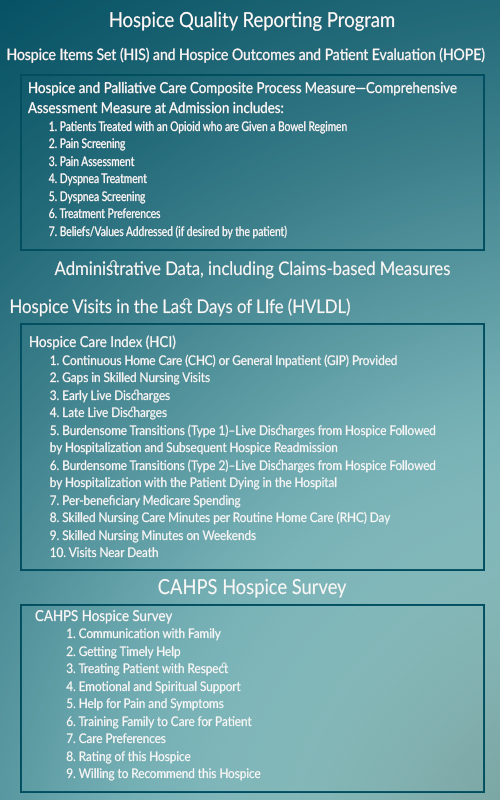
HIS to HOPE Help

Admin

by Curantis Solutions

HIS to HOPE Help

HOPE visit types

The HOPE (Hospice Outcomes & Patient Evaluation) model introduces a new rhythm to hospice documentation, one that centers on the patient’s evolving experience of care. To meet HOPE’s standards with confidence, it’s critical to understand the different visit types and their timing.

Let’s break down the three visit types defined by HOPE: INV, HUV, and Symptom Follow-Ups, so your team knows exactly what’s required, when, and why it matters.

HIS to HOPE Help Curantis Solutions

INV

Initial Nursing Visit

What it is: The first clinical touchpoint in the HOPE timeline. The INV marks the beginning of structured data collection and sets the baseline for all subsequent updates.

When it’s due: As soon as possible after admission, ideally within the first day.

What it captures:

  • Key demographic and clinical data
  • Initial symptom impact ratings
  • Observations that may trigger a future follow-up

HUV

HOPE Update Visits

HOPE requires two follow-up check-ins to capture how the patient’s condition is changing over time. These are called HOPE Update Visits—HUV1 and HUV2.

HUV1

When it’s due: Days 6–15 after admission
Purpose: Reassess symptoms and update the patient’s status.

HUV2

When it’s due: Days 16–30 after admission
Purpose: Continue tracking trends and changes, especially as patients stabilize or begin to decline.

Pro tip: Even if the visit wasn’t originally intended as a HOPE Update Visit, clinicians can update their response at visit close ensuring the right file is created.

Symptom Follow-Up Visits

What they are:
Special visits required when certain symptoms (e.g., pain, shortness of breath, anxiety) are rated as having a moderate or severe impact on the patient’s well-being.

When they’re due:
Time-sensitive, must occur within days of the symptom being flagged.

Why they matter:
These follow-ups are the heart of HOPE’s patient-centered approach. They ensure that care plans are adapted quickly and that patients don’t suffer in silence.

Symptom follow-ups should be:

  • Automatically evaluated after each visit
  • Clearly flagged with alerts across the system
  • Auto-documented into the HOPE record upon completion and QA

HOPE Hub

To support you every step of the way, Curantis Solutions has created the HOPE Hub—a dedicated resource center designed to guide your team through a seamless transition to HOPE-based documentation. For more HOPE Resources, visit here.

# # #

About Curantis Solutions

Curantis Solutions

Curantis Solutions was born from a desire to put hospice and palliative care first. With a genuine culture of caring, our team is dedicated to creating a refreshingly simple software experience that utilizes emerging technology, smart design and a cloud-native/serverless architecture to create an experience that is congruent with the technology you utilize in your everyday life. It’s time for hospice and palliative care software to make life easier vs creating arduous workarounds and added frustration. It’s time you experience Curantis Solutions!

Research Institute Joins Alliance

Advocacy

FOR IMMEDIATE RELEASE
August 20, 2025

Contact:                                                                   Elyssa Katz
571-281-0220
communications@allianceforcareathome.org

Research Institute for Home Care and National Alliance for Care at Home Ink Affiliation Agreement

Alexandria, VA and Washington, DC, August 20, 2025 – The Research Institute for Home Care (the Institute) and the National Alliance for Care at Home (the Alliance) have entered into an affiliation agreement to strengthen and expand research efforts while further unifying the care at home movement. The agreement is effective immediately. 

Research Institute for Home Care

Since its founding in 2008, originally as the Alliance for Home Health Quality & Innovation, the Institute has invested in research and education about home care and hospice and its ability to deliver quality, cost-effective, patient-centered care, demonstrating the value proposition for patients and the entire U.S. healthcare system. With this affiliation, the Institute will remain an independent research organization, continuing to pursue its mission of funding and promoting research to inform policy and identify best practices and care models that expand access to healthcare in the home. Its vision remains clear: promoting healthy patients and communities through home care research, education, quality, and innovation. 

Research Institute for Home Care

The Institute’s Board of Directors will continue to independently oversee its research agenda and initiatives. The Alliance will provide comprehensive management support for the Institute’s operations. At the launch of the affiliation, Dr. Steve Landers, CEO of the Alliance, will also serve as the President of the Institute. Jennifer Schiller, the former Executive Director of the Institute, has joined the Alliance leadership team and will continue to support Institute initiatives along with other Alliance leaders. Jennifer Sheets, Founder and CEO of Carezzi, will remain the Board Chairman of the Institute.   

The enhanced collaboration and amplification opportunities provided by this affiliation elevate and unify the care at home movement. Together, the strengthened Alliance and Institute leadership will continue to invest in and focus on critical home care and hospice industry research and data to inform effective policy, clinical practice, and underscore the value of home-based care. 

In Their Own Words

“We are thrilled to announce our affiliation with the Research Institute for Home Care. The Institute’s more than decade-long commitment to rigorous research perfectly complements our mission. This affiliation strengthens our ability to further demonstrate that care at home is the preferred choice for patients and families and the highest-value option for our healthcare system.” 

Dr. Steve Landers

CEO, National Alliance for Care at Home

“This is an important milestone for the Institute that will amplify our research impact while preserving our integrity and academic rigor. By joining forces with the Alliance, we ensure that evidence-based findings continue to inform policy and best practices that benefit patients, families, and the entire healthcare system.”

Jennifer Sheets

Chairman of the Board, Research Institute for Home Care

Director Agreement

The decision, reached by both organizations’ independent Boards of Directors, reflects the shared recognition that care at home is at a pivotal juncture. By combining the Alliance’s resources with the Institute’s research expertise, the partnership positions both organizations to influence policy, strengthen clinical practice, and advance innovation in care at home.  

“The timing of this affiliation reflects a shared recognition that care at home stands at a critical juncture. By bringing together the Alliance’s resources with the Institute’s research expertise, we are better positioned to navigate today’s complex healthcare landscape and drive meaningful policy change. This partnership represents a strategic investment in the future of home-based care that will benefit providers, patients, and policymakers alike,” said Ken Albert, Board Chair for the Alliance. 

# # #

About the National Alliance for Care at Home

The National Alliance for Care at Home (the Alliance) is the leading authority in transforming care in the home. As an inclusive thought leader, advocate, educator, and convener, we serve as the unifying voice for providers and recipients of home care, home health, hospice, palliative care, and Medicaid home and community-based services throughout all stages of life. Learn more at www.AllianceForCareAtHome.org.  

About the Research Institute for Home Care

The Research Institute for Home Care (the Institute) is a non-profit, national consortium of home care providers and organizations. The Institute invests in research and education about home care and its ability to deliver quality, cost-effect, patient-centered care across the care continuum. The Institute is committed to conducting and sponsoring research and initiatives that demonstrate and enhance the value proposition that home care has to offer patients and the entire U.S. healthcare system. 

Alliance Responds to Hospice Final Rule

Advocacy

by Kristin Rowan, Editor

The Alliance Responds to CMS Hospice Final Rule

CMS Issues FY 2026 Hospice Final Rule

On August 1, 2026, CMS issues the FY 2026 Hospice Wage Index and Payment Rate Update and Hospice Quality Reporting Programs Requirements Final Rule. Here are the high-level changes in this year’s final rule:

  • Rate Setting Changes
    • A 3.3% inpatient hospital market basket percentage increase
    • A 0.7% productivity adjustment (read decrease)
    • Statutory cap increases from $34,465.34 to $35,361.44
  • Hospice Care Admission
    • The physician member of the interdisciplinary group (IDG) may recommend admission to hospice care
  • Face-to-Face Attestation
    • Signature and date requirements restored
    • Eliminated requirement for attestation to be a separate and distinct document
    • Attestation requirement can be a section or addendum to recert form, or part of a signed and dated clinical note
  • Hospice Quality Reporting Program
  • The HOPE tool will replace the HIS tool on October 1, 2025, despite comments to delay implementation
  • CMS published a HOPE Technical Information webpage ,an HQRP training library, and a Requirements and Best Practices webpage
  • CMS recognized the error in their HOPE burden calculations. The burden is 21.1% higher than initially reported. The difference will be “taken into consideration” in the next PRA package submission.
  • The separate reporting tool (QIES) and reports tool (CASPER) will sunset and iQIES will replace both tools.
FY 2026 Hospice Quality Reporting Program

National Alliance for Care at Home Statement

After CMS issued the final rule, the Alliance responds with a statement addressing the wage adjustment, HOPE tool implementation, and sttestation changes. Read the full press release here.

Wage Adjustment

The Alliance recognizes that the 2.6% wage update is higher than the proposed 2.4% adjustment issued earlier this year. However, The Alliance maintains its position that the update does not go far enough to offset the very high and very real operational costs that hospices across the country face.  

Regulatory Relief

Both the physician member of the IDG recommending hospice admission and the inclusion of a clinical note to serve as attestation of a face-to-face were welcome changes to hospice regulations. The Alliance thanked CMS for these changes.

HOPE Tool Implementation

The Alliance was among the many commenters to CMS about the October 1, 2025 implementation date for the HOPE tool. Alliance CEO Dr. Steve Landers had this to say:

Despite responsiveness in other areas, the Alliance is deeply disappointed that CMS did not heed recommendations and delay the October 1, 2025 implementation of the Hospice Outcomes and Patient Evaluation (HOPE) tool nor waive the timeliness completion requirement for HOPE record submission. We expect providers to face a burdensome transition and urge CMS to remain responsive to real-world challenges, offering flexibility as providers navigate the change.  

Dr. Steve Landers

CEO, National Alliance for Care at Home

The Alliance is committed to working with CMS to reduce spending and strengthen the Medicare hospice benefit. They also continue to support the CMS initiative to reduce fraud, waste, and abuse.

Final Thoughts

The Hospice Final Rule is not what we hoped for. The wage update was increase, but not by enough to make a real impact on the operational burden hospices face. CMS has provided technical training and education for the HOPE tool, but severely underestimated the financial burden connected to the transition. CMS continues to use outdated, incorrect, or faulty information in its calculations of wage rate updates and ignores the repeated comments from advocacy groups and hospice providers. 

# # #

Kristin Rowan, Editor

Kristin Rowan has been working at The Rowan Report since 2008. She is the owner and Editor-in-chief of The Rowan Report, the industry’s most trusted source for care at home news, and speaker on Artificial Intelligence and Lone Worker Safety and state and national conferences.

She also runs Girard Marketing Group, a multi-faceted boutique marketing firm specializing in content creation, social media management, and event marketing.  Connect with Kristin directly kristin@girardmarketinggroup.com or www.girardmarketinggroup.com

©2025 by The Rowan Report, Peoria, AZ. All rights reserved. This article originally appeared in The Rowan Report. One copy may be printed for personal use: further reproduction by permission only. editor@therowanreport.com


First Joint Event for NAHC & NHPCO

Events

FOR IMMEDIATE RELEASE
July 30, 2025
PHOTO LINK

National Alliance for Care at Home Hosts Inaugural Financial Summit

Over 700 industry leaders gather in Chicago for three-day event focused on financial leadership and innovation in home-based care

(Alexandria, VA and Washington, DC) — The National Alliance for Care at Home (the Alliance) successfully hosted its inaugural event, the 2025 Alliance Financial Summit, July 27-29 in Chicago, IL. The Summit brought together financial leaders from across the care at home community, with expert-led sessions, peer collaboration, and insights into market shifts and emerging technologies.

Arrival in Chicago

Welcome

The Summit officially launched Sunday evening with an opening keynote by Wendy Sue Swanson, MD, MBE, Founder and CEO of Skin Metal and Author of “Mama Doc Medicine.” Dr. Swanson delivered a forward-looking presentation on the intersection of medicine and technological innovation. The evening concluded with a Welcome Reception in the Exhibit Hall. 

Keynote

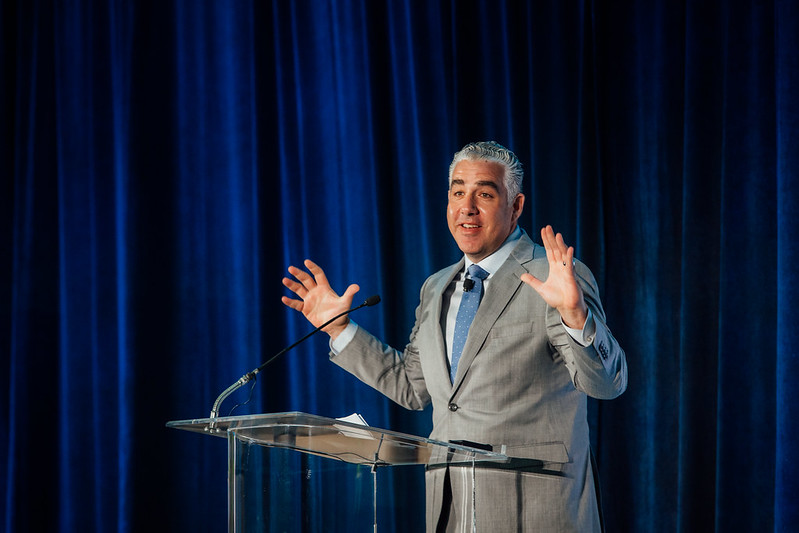
The day’s keynote session featured Alliance CEO Dr. Steve Landers alongside a panel of experts including Ken Albert, President and CEO of Andwell Health; Trisha Crissman, President and CEO of CommonSpirit Health at Home; and Hillary Loeffler, Vice President of Policy & Regulatory Affairs for the Alliance. Panel discussions addressed the potential impact of payment cuts in the Centers for Medicare & Medicaid Services Calendar Year 2026 Home Health proposed rule, hospice policy developments, workforce challenges and solutions, and actionable strategies for providers to protect the future of home-based care. Attendees then moved into a full day of concurrent sessions before an evening reception on the Chicago River.  

Steven Landers, CEO, The Alliance, Financial Summit
The Alliance Financial Summit Riverwalk Reception
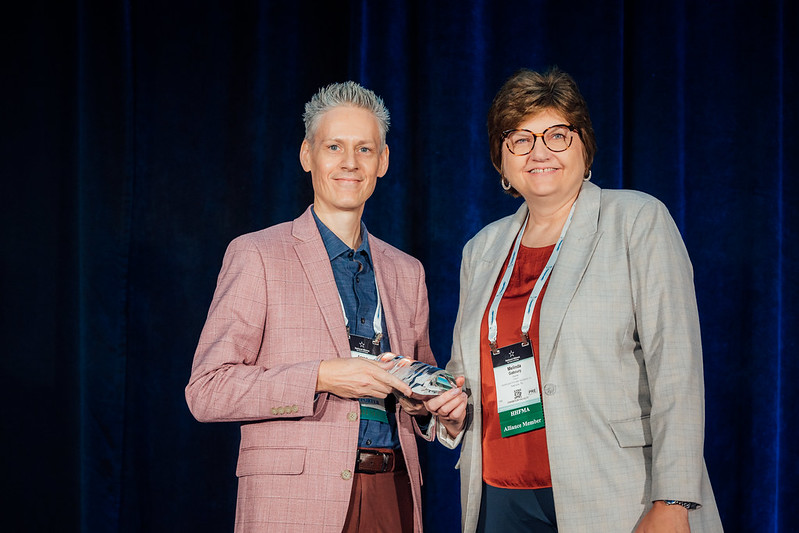
The Alliance Financial Summit Awards
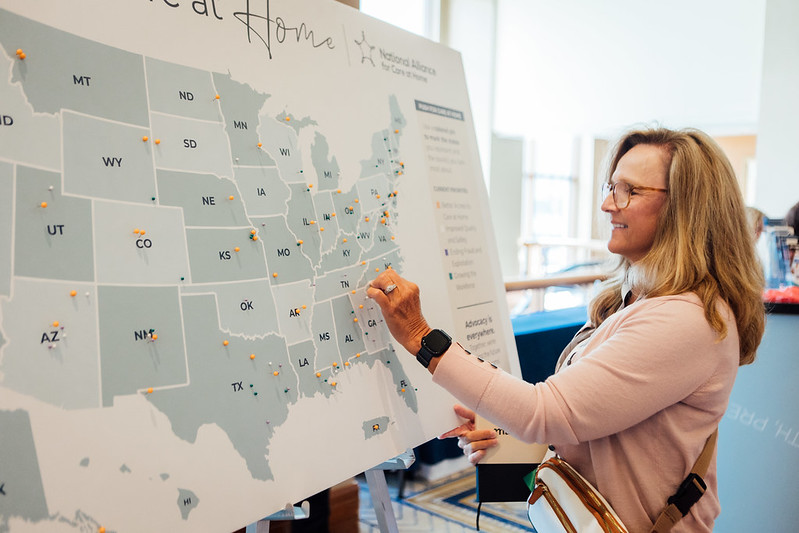
The Alliance Financial Summit Attendee Map

Networking and Education

Tuesday featured dedicated peer-to-peer networking sessions, allowing for informal conversation and knowledge sharing, before the opportunity for more concurrent sessions. The Summit concluded with a closing keynote expert panel featuring leaders from the Alliance’s Home Health and Hospice Financial Managers Association (HHFMA). 

“This first Alliance event exceeded our expectations, bringing together care at home leaders from across the nation to connect, learn, and recommit to our shared vision of an America where everyone has access to the highest quality, person-centered healthcare wherever they call home,” said Alliance CEO Dr. Steve Landers. “The content was both practical, grounded in the day-to-day challenges and successes of providers, while incorporating innovation and aspiration to drive future growth and success.”  

The Alliance has announced two additional events for 2025: Alliance Advocacy Week, September 8-11 in Washington, DC, and the National Alliance for Care at Home Annual Meeting and Exposition, November 1-4 in New Orleans, LA.  

# # #

About the National Alliance for Care at Home

The National Alliance for Care at Home (the Alliance) is the leading authority in transforming care in the home. As an inclusive thought leader, advocate, educator, and convener, we serve as the unifying voice for providers and recipients of home care, home health, hospice, palliative care, and Medicaid home and community-based services throughout all stages of life. Learn more at www.AllianceForCareAtHome.org

Press Contact
communications@allianceforcareathome.org
Elyssa Katz | 571-281-0220

Patients’ Right to Freedom of Choice

Admin

by Elizabeth E. Hogue, Esq.

Patient's Right to Freedom of Choice of Providers

U.S. Supreme Court Weighs In

Patient’s rights to freedom of choice of providers who will render care to them is currently based on four key sources:

  • Court decisions that establish the right of all patients, regardless of payor source and the setting in which services are rendered, to control treatment, including who provides it
  • Federal statutes for both the Medicare and Medicaid Programs that establish the right of patients whose care is paid for by these programs to choose providers to render care – Specifically, Section 1802 (42 U.S. C. 1395a) states as follows: “(a) Basic freedom of choice.- Any individual entitled to insurance benefits under this title may obtain health services from any institution, agency, or person qualified to participate under this title if such institution, agency or person undertakes to provide him such services.”
  • The Balanced Budget Act of 1997 (BBA), which currently requires hospitals to provide a list of home health agencies and hospices to patients. According to the BBA, the list must meet the following criteria: (a) Providers that render services in the geographic area in which patients reside, are Medicare-certified, and request to be included must appear on the list given to patients. (b) If hospitals have a financial interest in any provider that appears on the list, this interest must be disclosed on the list.
  • Conditions of Participation (COP’s) of the Medicare Program that are the same as the provisions of the BBA described above

Supreme Court Decision

The U.S Supreme Court has now issued a decision about the federal statute for the Medicaid Program described above in Medina v. Planned Parenthood South Atlantic, et al. [No, 23-1276 (June 26, 2025)]. This case involves the any-qualified-provider provision in the statute above that requires states to ensure that any individual eligible for medical assistance may obtain it from any provider qualified to perform the service who undertakes to provide it. The question is whether individual Medicaid beneficiaries may sue state officials under the above statute for failing to comply with the any-qualified-provider provision. 

Exclusions on "any-qualified-provider" provision

The State of South Carolina excluded Planned Parenthood from the Medicaid Program. An enrollee in the Medicaid Program sued the State based on the above statute because she said that she wanted to receive Medicaid services from Planned Parenthood.

Federal enforcement; not private

The Court said that spending power statutes, such as Medicaid Programs, are especially unlikely to create the right for individuals to sue the states. The typical remedy for state noncompliance is federal funding termination. Private enforcement, such as suits by individuals, requires states to voluntarily and knowingly consent to private suits based on clear and unambiguous alerts from Congress to the states that private enforcement is a funding condition.

The Court concluded that the above statute does not permit individuals to sue the States for violation of their right to freedom of choice of providers.

# # #

Elizabeth E. Hogue, Esq.

Elizabeth Hogue is an attorney in private practice with extensive experience in health care. She represents clients across the U.S., including professional associations, managed care providers, hospitals, long-term care facilities, home health agencies, durable medical equipment companies, and hospices.

©2025 Elizabeth E. Hogue, Esq. All rights reserved.

No portion of this material may be reproduced in any form without the advance written permission of the author.

©2025 by The Rowan Report, Peoria, AZ. All rights reserved. 

Paul Joiner: On the Record

Admin

by Kristin Rowan, Editor

Paul Joiner

On the Record

Paul Joiner, CEO of HHAeXchange, sat down with The Rowan Report Editor Kristin Rowan to discuss the company’s new headquarters in Manhattan, the company culture he’s creating, his dedication to support those helping our most vulnerable populations.

In His Own Words

The Rowan Report: Paul, thank you for taking the time to talk to us. HHAeXchange is going through some significant growth recently. And now you’ve moved your headquarters from Long Island to Manhattan, correct? How did that decision come about?

Paul Joiner: HHAeXchange has been in Manhattan for a long time. Sandata, who we acquired earlier this year, was in Long Island. But, the move was planned with or without Sandata. We needed a nice sized space to convene people. We valued a large, multi-purpose meeting space over individual office space. It’s a space where the teams can meet when they come to town, where we can host clients, and larger company meetings.

RR: How does the new space support your team?

Paul: The majority of our team is remote. I don’t think remote work is healthy for everyone. It varies from person to person. It’s not a long-term healthy option. Returning back to the office 9-5 five days a week isn’t practical and not all that healthy either. We have created policies, a workspace, and a culture where people are invited to visit. Some come 2-3 days per week. Some only once a month. We maintain flexibility for our teams to work when and where they need to work. Being a single parent, for example, is really hard, so we stay flexible to support single parents to be where they need to be.

At the same time, we’ve seen the benefit of the connection and how much more healthy it is by physically coming together. For the younger workforce, they are enjoying getting together and coming into the office. We have to support our younger employees and their professional development. How do you professionally develop via Zoom or Teams? Physically coworking and promoting good and active environments compel people to come into the office. To build connections, you have to be together, not just on video.

RR: You have workers across the country, though. How does that work?

Paul: We have the main office here in Manhattan, a large and growing office in Minneapolis, and a smaller office in Miami. We try to keep people in areas that make it easy to meet. However, we do have some roles with certain criteria that allows for mostly remote work. Those teams come to one of the offices to meet when they can. We’ve hosted team meetings here and in Minneapolis recently.

RR: Has this new meeting space had an impact on the company culture?

Paul: Yeah, it has improved. We are having real, honest conversations about what needs to be improved. The team effort is the way we win and our teams understand that. We also understand that working hard doesn’t mean foregoing your life and the ability to recharge.

Work hard, be passionate, and motivate people with your mission and vision. The people we serve don’t have it easy, they are supporting the most vulnerable people.

RR: In a recent statement, you said that the new location will support collaboration and innovation. Do you have new features on the horizon? Are you investing in AI capabilities?

Paul: We have a lot in the works. We have a new mobile app in the beta phase that we’ll be rolling out that I’m really excited about. It’s actually an update, but it’s so massive that it’s basically new. We’re working on data analytics and data tracking for some of our largest clients.  We’ve consolidated some screens into one spot to streamline and make the user more efficient. A lot of what we’re working on is foundational. We’re focusing on supporting companies as they scale.

RR: Are you looking into AI, either within the HHAeXchange platform, or in a partner?

Paul: Yeah, of course. AI is the future and it’s everywhere. We are looking at ways to return time to users, make it easier to train users, and make things easier on caregivers. We will try to generate more buzz around AI, but not until there’s real, tangible value. AI definitely needs to be part of our strategy, but being smart where we apply it to truly get the value-add for our clients. It has to improve the quality of life for the user. Does it improve the ability of caregivers to care for people?

Paul Joiner, CEO, HHAeXchange

RR: Do you have any additional acquisition or growth plans for the second half of 2025?

Paul: There’s a lot going on in the marketplace right now. A lot of our clients are growing really well also. So, we’re sort of in a heads-down mode. There’s a handful of things we’re looking at. Right now, I’m really excited about being a bigger participant across the full continuum of care for our populations. There are some opportunities to innovate and evolve to support integrated care over the next few years. I’ll just leave it at that…for now.

RR: Paul, thank you for joining me today. It’s always a pleasure.

# # #

About HHAeXchange

Founded in 2008, HHAeXchange is the leading technology platform for homecare and self-direction program management. Developed specifically for Medicaid home and community-based services (HCBS), HHAeXchange connects state agencies, managed care organizations, providers, and caregivers through its intuitive web-based platform, enabling unparalleled communication, transparency, efficiency, and compliance. In 2024, HHAeXchange expanded through the strategic acquisitions of Sandata, Cashé Software, and Generations Homecare System, strengthening its commitment to advancing the industry.

About Paul Joiner

Paul Joiner is an accomplished executive with extensive leadership experience in the healthcare sector. Currently serving as a Board Member at AssistRx, Joiner has held prominent positions, including Chief Executive Officer at both HHAeXchange and Kipu Health. Previous roles include Chief Operating Officer as well as Executive Vice President and General Manager at Availity, and Senior Vice President and General Manager of Health Plan. Joiner also served as Vice President of Client Engagement and Business Development at Midas+ Solutions, Xerox Healthcare Provider Solutions. Educational qualifications include a Master of Accountancy from Belmont University and a Bachelor of Accountancy from the University of Mississippi.

Kristin Rowan, Editor

Kristin Rowan has been working at The Rowan Report since 2008. She is the owner and Editor-in-chief of The Rowan Report, the industry’s most trusted source for care at home news, and speaker on Artificial Intelligence and Lone Worker Safety and state and national conferences.

She also runs Girard Marketing Group, a multi-faceted boutique marketing firm specializing in content creation, social media management, and event marketing.  Connect with Kristin directly kristin@girardmarketinggroup.com or www.girardmarketinggroup.com

©2025 by The Rowan Report, Peoria, AZ. All rights reserved. This article originally appeared in The Rowan Report. One copy may be printed for personal use: further reproduction by permission only. editor@therowanreport.com


Non-Compliance Notifications & HOPE Training

CMS

by Kristin Rowan, Editor

Hospice Non-Compliance Notifications

On July 21, 2025, the CMS Hospice QRP Announcements page added an update titled “Hospice Quality Reporting Program: Non-Compliance Notifications.”

The Update Reads:

The Centers for Medicare & Medicaid Services (CMS) is providing notifications to hospices that were determined to be out of compliance with Hospice Quality Reporting Program (HQRP) requirements for calendar year (CY) 2024…. This will affect their fiscal year (FY) 2026 Annual Payment Update (APU). The Medicare Administrative Contractors (MACs) will distribute Non-compliance notifications and place them into hospices’ Certification and Survey Enhanced Reporting (CASPER) folders in QIES on July 21, 2025. Hospices that receive a letter of non-compliance may submit a request for reconsideration to CMS via email no later than 11:59 pm, August 26, 2025. If you receive a notice of non-compliance and would like to request a reconsideration, see the instructions in your notification and on the Reconsideration Requests webpage.

Details

Any reconsiderations containing protected health information (PHI) will not be processed. All PHI must be removed for a reconsideration to be reviewed.

Additionally, all submissions must be less than 20 MB overall (email message and attachments). Submissions that are greater than 20 MB in size cannot be processed.

HOPE Training

As the implementation date for the HOPE tool drew nearer, advocacy groups and hospice agencies expressed concern over it’s readiness. On June 6, 2025, The Rowan Report shared that three of the largest organizations urged CMS to delay the tool. The groups asked for proper information, education, and training. 

CMS Response

As of now, CMS is not delaying the implementation of the HOPE tool. They have, however, published training tools for hospice providers. The first series of videos is Didactic Training. They cover an introduction to the tool, admin information, preferences and active diagnoses, health conditions, skin conditions, and medications.

On July 21, 2025, CMS announced the opening of registration for live HOPE training. “Hospice Outcomes and Patient Evaluation (HOPE) National Implementation Virtual Training Program Course 2: Coding Workshop.” CMS recommends completing The Didactic Training as a prerequisite to the Coding Workshop.

The Centers for Medicare & Medicaid Services (CMS) is offering a live coding workshop on August 5, 2025…. It will provide coding practice for items that are new for HOPE, as well as the existing and updated items carried over from the Hospice Item Set (HIS).

Register now at:The Hospice Outcomes and Patient Evaluation (HOPE) National Implementation Coding Workshop

Find the Didactic Recorded Training Series here.

Data Collection Starts Soon

The HOPE tool begins data collection on October 1, 2025. Key items hospice providers should understand:

  • More Frequent Assessments: HOPE introduces up to four assessment points per patient, capturing care from multiple angles during the first 30 days and at discharge.
  • Real-Time Data Capture: Unlike the retrospective nature of HIS, HOPE assessments are completed during live patient encounters, providing richer and more immediate insights.
  • Higher Stakes for Compliance: To avoid a reimbursement cut of up to 4%, agencies must ensure that at least 90% of HOPE assessments are submitted on time—a notable increase from the previous 2% penalty under HIS.
  • Public Reporting Timeline: While HIS data has been publicly available, HOPE data will not be released for public comparison until fiscal year 2028 or later, giving providers time to adapt.

*from the SimiTree blog: Understanding the Transition from HIS to HOPE

As the implementation of the HOPE tool gets closer, we will continue to share training information from CMS and other sources as it becomes available. If you need a referral to a hospice consultant to navigate the transition, please reach out to The Rowan Report.

# # #

Kristin Rowan, Editor

Kristin Rowan has been working at The Rowan Report since 2008. She is the owner and Editor-in-chief of The Rowan Report, the industry’s most trusted source for care at home news, and speaker on Artificial Intelligence and Lone Worker Safety and state and national conferences.

She also runs Girard Marketing Group, a multi-faceted boutique marketing firm specializing in content creation, social media management, and event marketing.  Connect with Kristin directly kristin@girardmarketinggroup.com or www.girardmarketinggroup.com

©2025 by The Rowan Report, Peoria, AZ. All rights reserved. This article originally appeared in The Rowan Report. One copy may be printed for personal use: further reproduction by permission only. editor@therowanreport.com


“Planning for In-Home Care”

Advocacy

FOR IMMEDIATE RELEASE

Contact:                                                                       Elyssa Katz
571-281-0220
communications@allianceforcareathome.org

The Alliance’s CaringInfo Program Launches New “Planning for In-Home Care” Section

Rebrands to Align with Expansion to Serve Full Home-Based Care Continuum

ALEXANDRIA, VA and WASHINGTON, DC – CaringInfo.org, a program of the National Alliance for Care at Home (the Alliance), is expanding its resources with a new website section – “Planning for In-Home Care” – as well as a brand refresh to align with its growing audience. CaringInfo provides free resources to educate and empower patients and caregivers to make informed decisions about home, serious illness, and end-of-life care and services.

CaringInfo

While CaringInfo began with a focus on serious illness and end-of-life care and support, the program’s content is expanding to provide information and resources on the full spectrum of home-based care services. As a first step in this expansion, CaringInfo has launched “Planning for In-Home Care,” a new section on the website focused on the various types of care available at home.

The National Alliance for Care at Home CaringInfo

Planning for In-Home Care

The new section covers essential topics including when in-home care is needed, preparing for in-home caregivers, who provides in-home care services, how to find a caregiver, and how to pay for in-home care. 

“CaringInfo is a valuable resource used widely among hospice, palliative, and advance care planning experts and professionals as well as patients and families who need help and guidance.”

Dr. Steve Landers

CEO, The National Alliance for Care at Home

Landers, continued, “The launch of ‘Planning for In-Home Care’ marks an exciting step in the continued expansion of CaringInfo to provide resources and guidance on the full continuum of home-based care and to serve as a resource to all providers under the Alliance umbrella. Finding and navigating care at home can be difficult for patients and their loved ones, especially as it is often needed during life’s most vulnerable moments. These free, accessible resources help ensure everyone seeking home-based care can make informed decisions to get the support they need.”

Visual Update

The updated CaringInfo design is intended to remain familiar for return visitors who trust the site as their go-to source for making care decisions, while aligning with the Alliance’s core brand. This visual update indicates CaringInfo’s realignment to serve the full home-based care community, including home health, home care, Medicaid HCBS, palliative care, and hospice providers.

The National Alliance for Care at Home CaringInfo

CaringInfo’s goal is that all people are making informed decisions about their care. In addition to easy-to-understand information about caregiving, advance care planning, and the types of care available to those who need it, CaringInfo also offers a complete library of annotated advance directive forms for all 50 states, plus Washington, DC and Puerto Rico. The full site is available in both English and Spanish.    

Visit CaringInfo.org, which is free and available to all, to explore the full site as well as the new content.

# # #

About the National Alliance for Care at Home

The National Alliance for Care at Home (the Alliance) is the leading authority in transforming care in the home. As an inclusive thought leader, advocate, educator, and convener, we serve as the unifying voice for providers and recipients of home care, home health, hospice, palliative care, and Medicaid home and community-based services throughout all stages of life. Learn more at www.AllianceForCareAtHome.org.

©2025 The National Alliance for Care at Home. All rights reserved.

Bill to Strengthen Hospice

Admin

From the office of Earl L. “Buddy” Carter (R-GA)

Carter, Bera introduce Bill to Strengthen Palliative and Hospice Care Workforce

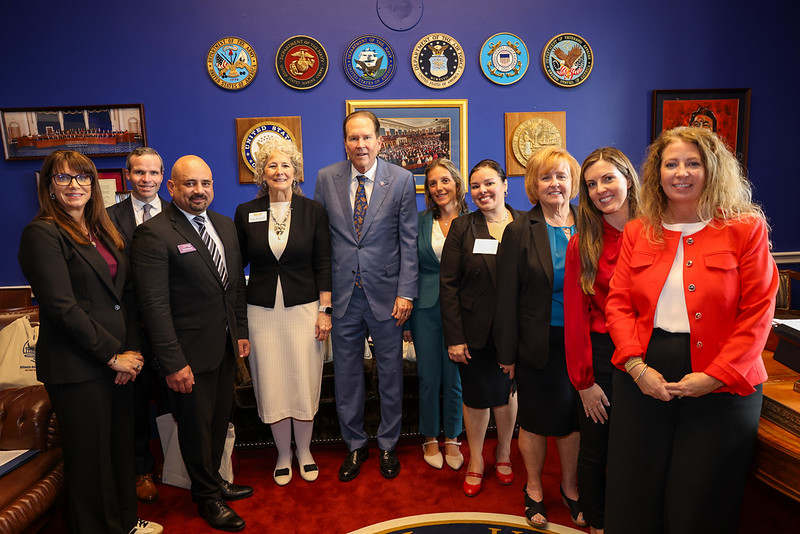
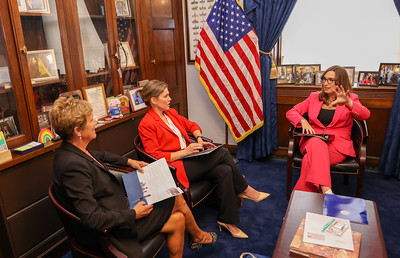
Reps. Earl L. “Buddy” Carter (R-GA) and Ami Bera, M.D. (D-CA) today introduced the Palliative Care and Hospice Education and Training Act (PCHETA), bipartisan legislation to invest in training, education, and research for the palliative care and hospice workforce, allowing more practitioners to enter these in-demand fields. 

Palliative and hospice care focus on providing comfort and quality of life improvements for those seriously ill, extending quality of life and reducing the length of hospital stays for many patients.

Earl L. "Buddy" Carter

“Caring for someone living with serious illness or at the end of their life is one of the most compassionate, selfless things one can do, and we must ensure that these heroes have the assistance, training, education, and tools available to provide the highest quality care possible. As a pharmacist, I understand the toll burnout takes on the health care industry, and I am committed to bolstering the workforce so nurses, doctors, and all health care workers can continue to pursue their passion for helping others.”

Earl L. "Buddy" Carter

(R-GA), U.S. House of Representatives

Ami Bera, M.D.

“As a doctor, I know how important it is to provide patients with comfort, clarity, and support when they’re facing serious illness,” said Rep. Bera. “The Palliative Care and Hospice Education and Training Act is a smart, bipartisan step to ensure more health care professionals are trained to deliver this kind of care. By expanding training programs and strengthening our health care workforce, we will make sure that patients and families have access to the care they need to manage pain, make informed decisions, and live with dignity.”

Workforce Shortage

In 2001, just 7% of U.S. hospitals with more than 50 beds had a palliative care program, compared with 72% in 2019. Those working in the field, 40% of whom are 56 years of age or older, report high rates of burnout, in response to the increasing number of patients requiring treatment. 

Reps. Carter and Bera’s bill, which has a Senate companion led by Senators Baldwin and Capito, alleviates these strains through workforce training, education and awareness, and enhanced research.

Widespread Support

“As we face a critical shortage of health professionals with expert knowledge and skills in palliative care, AAHPM applauds Representatives Carter and Bera for their leadership in introducing the Palliative Care and Hospice Education and Training Act to ensure all patients facing serious illness or at the end of life can receive high-quality care. We urge Congress to recognize the importance of a well-trained, interprofessional healthcare team to providing coordinated, person-centered serious illness care and to act now to build a healthcare workforce more closely aligned with America’s evolving healthcare needs. Advancing PCHETA will go a long way towards improving quality of care and quality of life for our nation’s sickest and most vulnerable patients, along with their families and caregivers.”

Kristina Newport, MD FAAHPM, HMDC

Chief Medical Officer, American Academy of Hospice and Palliative Medicine

“Palliative care treats the whole person, not just the disease. Ensuring health care providers can be trained in this specialized, coordinated form of care and providing funding for robust public education through the Palliative Care Education and Training Act can help increase access to palliative care for cancer patients and make their cancer journey less difficult. We commend Reps. Carter and Bera for their leadership and steadfast commitment to palliative care and to improving quality of life for patients, including those impacted by cancer.”

Lisa A. Lacasse

President, American Cancer Society Cancer Action Network

“Every person living with serious illness or facing the end of life deserves compassionate, expert care that honors their choices and helps them live comfortably on their own terms. The Alliance celebrates Representatives Carter and Bera’s leadership in introducing the Palliative Care and Hospice Education and Training Act, which will ensure families have access to the trained professionals they need during life’s most difficult moments. As our population ages, this critical investment in education and training will help us meet the growing demand for quality palliative and hospice care

Dr. Steve Landers

CEO, National Alliance for Care at Home

Supporting Organizations

Alzheimer’s Association, Alzheimer’s Disease Resource Center, Alzheimer’s Impact Movement, American Academy of Hospice and Palliative Medicine, American Academy of Pediatrics, American Academy of Physician Associates, American Cancer Society Cancer Action Network, American College of Surgeons, American Geriatrics Society, American Heart Association, American Psychological Association, American Psychosocial Oncology Society, The American Society of Pediatric Hematology/Oncology, Association for Clinical Oncology, Association of Oncology Social Work, Association of Pediatric Hematology/ Oncology Nurses, Association of Professional Chaplains, The California State University Shiley Haynes Institute for Palliative Care, Cambia Health Solutions, Cancer Support Community, CaringKind, Catholic Health Association of the United States, Center to Advance Palliative Care, Children’s National Health System, Coalition for Compassionate Care of California, Colorectal Cancer Alliance, Courageous Parents Network, The George Washington Institute for Spirituality and Health, GO2 for Lung Cancer, The HAP Foundation, HealthCare Chaplaincy Network, Hospice and Palliative Nurses Association, LEAD Coalition, LeadingAge, The Leukemia & Lymphoma Society, Motion Picture & Television Fund, National Alliance for Care at Home, National Alliance for Caregiving, National Brain Tumor Society, National Coalition for Cancer Survivorship, National Coalition for Hospice and Palliative Care, National Comprehensive Cancer Network, National Marrow Donor Program, National Palliative Care Research Center, National Partnership for Healthcare and Hospice Innovation, National Patient Advocate Foundation, National POLST Paradigm, Oncology Nursing Society, Pediatric Palliative Care Coalition, PAs in Hospice and Palliative Medicine, Prevent Cancer Foundation, Second Wind Dreams, Social Work Hospice & Palliative Care Network, Society of Pain and Palliative Care Pharmacists, St. Baldrick’s Foundation, Supportive Care Matters, Susan G. Komen, Trinity Health, West Health Institute, The Alliance for the Advancement of End-of-Life Care, Alzheimer’s Los Angeles, Alzheimer’s Orange County, Arizona Association for Home Care, Arizona Hospice & Palliative Care Organization, Association for Home & Hospice Care of North Carolina, California Association for Health Services at Home, The Center for Optimal Aging at Marymount University, Children’s Hospice and Palliative Care Coalition, Delaware Association for Home & Community Care, Florida Hospice & Palliative Care Association, Georgia Association for Home Health Agencies, Georgia Hospice and Palliative Care Organization, Granite State Home Health & Hospice Association (NH), Healthcare Association of Hawaii, Home Care Association of Florida, Home Care Association of NYS, Home Care Association of Washington, Home Care and Hospice Association of Colorado, Homecare and Hospice Association of Utah, Hospice and Palliative Care Association of Iowa, Hospice and Palliative Care Association of New York, Hospice Care and Kentucky Home Care Association, Hospice Council of West Virginia, Hospice & Palliative Care Federation of Massachusetts, Idaho Health Care Association, Illinois Hospice and Palliative Care Organization, Indiana Association for Home, Kokua Mau, LeadingAge California, LeadingAge Georgia, LeadingAge New Jersey/Delaware, LeadingAge Ohio, LifeCircle-South Dakota’s Hospice and Palliative Care Network, Louisiana Mississippi Hospice and Palliative Care Organization, Maryland-National Capital Homecare Association, Michigan HomeCare and Hospice Association, Minnesota Network of Hospice and Palliative Care, Missouri Alliance for Home Care, Missouri Hospice & Palliative Care Association, Nebraska Association for Home Healthcare and Hospice, Nebraska Home Care Association, Ohio Council for Home Care & Hospice, Ohio Health Care Association, Oklahoma Association for Home Care and Hospice, South Carolina Home Care & Hospice Association, The Oregon Hospice & Palliative Care Association, Texas Association for Home Care & Hospice, Texas ~ New Mexico Hospice and Palliative Care Organization, Virginia Association for Home Care and Hospice, VNAs of Vermont, The Washington State Hospice and Palliative Care Organization, and West Virginia Council for Home Care and Hospice.

Read full bill text here.

# # #

Earl L. Earl L. “Buddy” Carter is an experienced businessman, health care professional and faithful public servant. For over 32 years Buddy owned Carter’s Pharmacy, Inc. where South Georgians trusted him with their most valuable assets: their health, lives and families. While running his business, he learned how to balance a budget and create jobs. He also saw firsthand the devastating impacts of government overregulation which drives his commitment to ensuring that the federal government creates policies to empower business instead of increasing burdens on America’s job creators.

A committed public servant, Buddy previously served as the Mayor of Pooler, Georgia and in the Georgia General Assembly where he used his business experience to make government more efficient and responsive to the people. Buddy is serving his fifth term in the United States House of Representatives and is a member of the House Energy and Commerce (E&C) Committee and the House Budget Committee. As a pharmacist serving in Congress, Buddy is dedicated to working towards a health care system that provides more choices, less costs and better services.

A lifelong resident of the First District, Buddy was born and raised in Port Wentworth, Georgia and is a proud graduate of Young Harris College and the University of Georgia where he earned his Bachelor of Science in Pharmacy. Buddy married his college sweetheart, Amy. Buddy and Amy have three sons, three daughters-in-law and eight grandchildren.

Ami Bera, M.D. (D-CA)Congressman Ami Bera, M.D. has represented Sacramento County in the U.S. House of Representatives since 2013. The 6th Congressional District is located just east and north of California’s capitol city, Sacramento, and lies entirely within

Sacramento County.

During Congressman Bera’s twenty-year medical career, he worked to improve the availability, quality, and affordability of healthcare. After graduating from medical school in 1991, he did his residency in internal medicine at California Pacific Medical Center, eventually becoming chief resident. He went on to practice medicine in the Sacramento area, serving in various leadership roles for MedClinic Medical Group. Chief among his contributions was improving the clinical efficiency of the practice. He then served as medical director of care management for Mercy Healthcare, where he developed and implemented a comprehensive care management strategy for the seven-hospital system.

In Congress, Bera uses the skills he learned as a doctor to listen to the people of Sacramento County and put people ahead of politics to move our country forward. His priority is to work alongside people in both parties to address our nation’s most pressing challenges and make government work. Bera believes Congress should be a place for service, not for politicians who only look out to protect their own careers, pay, and perks.

Hospice Hope

Admin

by Peggy Rattarree, Principle Product Manager, Curantis Solutions

Hospice HOPE

The importance of documenting symptom impact for patient-centered care

In hospice care, the focus isn’t just on treating symptoms; it’s on improving the quality of life for patients and their families. This is where Hospice HOPE takes center stage, emphasizing the importance of documenting symptom impact to deliver truly patient-centered care. By understanding how symptoms affect each patient’s physical, emotional, and psychosocial well-being, hospice teams can provide care that aligns with their unique needs and goals.

What is hospice HOPE?

Hospice HOPE stands for Hospice Outcomes and Patient Evaluation. It’s a philosophy that places the patient’s comfort, dignity, and goals at the forefront of care delivery. Documenting symptom impact is a critical part of this approach because it provides a detailed understanding of how symptoms affect the patient’s overall quality of life.

In hospice care, every patient’s journey is unique. By actively tracking and documenting symptom impact, care providers can move beyond generic treatments and embrace a truly individualized approach that prioritizes what matters most to the patient.

Why documenting symptom impact matters?

Moves us to patient-centered care

Documenting symptom impact allows hospice teams to focus on what truly matters to the patient. Instead of simply addressing symptoms like pain, nausea, or fatigue in isolation, it provides a holistic view of how these symptoms affect the patient’s daily life. For example:

  • Pain
    • How does it limit mobility or the ability to participate in meaningful activities?
  • Fatigue
    • Is it preventing patients from spending time with loved ones?
  • Nausea
    • Is it reducing their ability to eat or enjoy meals?
Curantis Solutions Hospice HOPE

By asking these questions and recording the answers, hospice providers can better tailor interventions to manage not just symptom management but the overall patient experience.

Improves communication across the care team

In hospice care, communication is everything. Documenting symptom impact ensures that every member of the interdisciplinary team (IDT), from nurses and physicians to social workers and chaplains, has access to the same comprehensive information.

This documentation:

  • Creates a shared understanding of the patient’s condition
  • Helps align the team’s goals with the patient’s priorities
  • Reduces duplication of efforts and enhances care coordination

When everyone is on the same page, patients and families receive more seamless, cohesive care.

Hospice HOPE Communication

Supports compliance and quality standards

Regulatory bodies like CMS (Centers for Medicare & Medicaid Services) require hospices to document and monitor patient symptoms to ensure care quality. But beyond compliance, tracking symptom impact demonstrates a commitment to continuous improvement.

Documenting symptom impact allows hospices to:

  • Identify trends and gaps in care
  • Measure the effectiveness of interventions
  • Use data to advocate for better resources or innovations in care delivery

Empowers families and caregivers

When symptom impact is documented, families and caregivers gain a clearer understanding of their loved one’s condition. This transparency fosters trust and collaboration between the hospice team and the family, ensuring everyone is working toward the same goals.

For example, a caregiver might better understand why a loved one sleeps more during the day or avoids certain foods. These insights can help families feel more prepared and supported during a challenging time.

Final Thoughts

With CMS rolling out Hospice HOPE, documenting symptom impact is no longer optional. It’s the standard for compassionate, high-quality care. This shift helps hospice organizations go beyond symptom control and into whole-person care that honors each patient’s life journey.

This is part one in a two-part series on Hospice HOPE. Check back next week for part two.

# # #

Peggy Rattarree Curantis Solutions Hospice HOPE

Peggy is an IT professional with over 30 years’ experience. She has defined and developed software products in industries such as grocery management, financial services, and reporting and analytics. In her 2.5 years with Curantis, Peggy has helped to shape the definition and delivery of the application. She brings a passion for agility and has been integral in transitioning Curantis to an environment of delivery on cadence, release on demand.

Peggy has a Bachelor of Music degree from University of North Texas.

©2025 by The Rowan Report, Peoria, AZ. All rights reserved. This article originally appeared in the Curantis Solutions blog and is reprinted here with permission. For more information or to request permission to print, please contact Curantis Solutions.

Workplace Violence in Home Health

Caregiver Safety

by Kristin Rowan, Editor

Workplace Violence and Policy Impact

Study of home health workers

A group of researchers from the University of Cincinnati, Ohio published a recent study¹ on the frequency and reporting procedures of workplace violence (WPV) in home healthcare. The study specifically addressed WPV in home healthcare, stating limited understanding of WPV in the home care setting. Most existing studies on WPV were hospital-based.

Frequency of Workplace Violence

Of the home health care workers (HHCW) surveyed, almost 37% responded that they experience both verbal and emotional violence in the workplace daily. More than 80% reported experiencing verbal aggression at some point. Physical violence is less prominent. 20% of respondants said they experience physical violence monthly. However, 56.6% said they have experienced physical violence at some point in their current agency. 76.6% of the time, the perpetrators of the violence are the patients of the HHCW.

Workplace Violence

Fig. 1 Frequency of occurrence of physical, verbal, emotional, and sexual abuse as a function of time: daily, weekly, monthly, <yearly, yearly, and never.

Reporting Workplace Violence

All of the study participants indicated they had knowledge of workplace violence reporting procedures in their agencies, but 26.7% were unsure if the policies are contained in the employee handbook. 46.7% were uncertain as to whether the agency offered WPV or de-escalation training and 66% said prevention and de-escalation training was not mandatory. Unfortunately, 40% said their management did not encourage reporting and 33% said they were not comfortable approaching management about WPV. Despite the frequency of WPV among the respondents, none of the participants reported these incidents to management

Thoughts

According to this, and other research studies on workplace violence in home healthcare, the problem is prevalent and persistent. Most HHCWs have experienced some sort of aggression, violence, or abuse in the course of performing their jobs. Of those who have, most do not report the incidents to management. Most HHCWs have not been trained in prevention or de-escalation. Even with training, HHCWs need a way to get immediate help. Unfortunately, most do not have an emergency alert system on their person during home visits.

    Solution

    Care at Home agencies, including non-medical supportive care, home health, hospice, and any other lone workers who are visiting patients in their homes, need safety policies and procedures. Agencies must include the same in the employee handbook, explain during orientation, and make available to HHCWs digitally. 

      Policies and procedures should include:

      • A safety committee comprised of management, back office staff, and field workers
      • A clearly written policy regarding physical, emotional, verbal, and sexual abuse
        • Against a patient or their family/friends by a HHCW
        • Against a HHCW by a patient or their family/friends
        • Against a HHCW by a colleague or manager
        • Against a HHCW by the environment in which they work (i.e. aggressive pets, weapons, cigarette smoking indoors, etc.)
      • A digital reporting system that employees can use without having to approach management individually
      • A clearly written policy on the management response to violence reporting
      • A clearly written policy forbidding any retaliation or discrimination against a reporting employee
      • Required research about new patients including
        • Background/History of violence and/or mental instability
        • Neighborhood safety rating
        • Family members likely to be in the home and their history of violence and/or mental instability

      Additional Tools for HHCWs

      • Training in
        • Violence prevention
        • De-escalation
        • Situational Awareness
        • Self-defense
      • A mandatory, GPS-enabled, multi-function safety device and platform to proactively manage caregiver safety and respond to incidents
      • Optional escort service for new patients
      • Mandatory escort service for new patients with a history of violence, mental issues, or incarceration

      Workplace violence against HHCWs is not “if,” but “when.” It is the responsibility of the agencies to lower the risk, lower the percentage of “whens,” and encourage reporting. If you’re not sure how to begin, hire a consultant to help you build your safety committee and write your policies. It doesn’t matter how you start implementing safety protocols, as long as you follow through and protect your employees.

      # # #

      Kristin Rowan, Editor, The Rowan Report
      Kristin Rowan, Editor

      Kristin Rowan has been working at The Rowan Report since 2008. She is the owner and Editor-in-chief of The Rowan Report, the industry’s most trusted source for care at home news, and speaker on Artificial Intelligence and Lone Worker Safety and state and national conferences.

      She also runs Girard Marketing Group, a multi-faceted boutique marketing firm specializing in content creation, social media management, and event marketing.  Connect with Kristin directly kristin@girardmarketinggroup.com or www.girardmarketinggroup.com

      ©2025 by The Rowan Report, Peoria, AZ. All rights reserved. This article originally appeared in The Rowan Report. One copy may be printed for personal use: further reproduction by permission only. editor@therowanreport.com


      1. Obariase, E.; Bellacov, R.; Gillespie, G.; Davis, K. (2025). Assessing Workplace Violence and Policy Impact: A Cross-sectional Study of Home Healthcare Workers. Home Healthcare Now, 43(3), 150-156. doi: 10.1097/NHH.0000000000001345

      The Alliance Responds

      Advocacy

      by Kristin Rowan, Editor

      The Alliance Responds to CMS Hospice Update

      The Alliance responds to CMS-1835-P, the FY 2026 Hospice Wage Index, Conditions of Participation, and Quality Reporting Program Requirements updates. On June 10, 2025, in a 25 page letter to Dr. Mehemet Oz, CEO for The National Alliance for Care at Home Steve Landers, MD, MPH lays out the constraints and financial burdens hospice agencies will face if these updates are enacted. 

      Payment Rate Update

      Increase Less than Inflation

      In the rule for FY 2026, CMS proposes a 3.2 percent market basket increase and a .8 percent productivity decrease, yielding a 2.4 percent increase overall. According to the letter, inflation has raised medical care prices by 3.1 percent, leaving a shortfall of .7 percent. Hospices are also plagued by the same workforce shortage the rest of the medical industry faces. Workforce shortages result in fewer qualified people than there are available positions, which drives wages up. BLS data indicates the wage increase for 2025 was 4.4%. The Alliance argues that the 2.4% net increase falls well short of the actual expense increase.

      Faulty Data

      In a recent article, we outlined the process that CMS uses to determine the market basket update. The Alliance echos our information, showing the market basket forecast is well below actual increases. The Alliance further argues that the shortfall compounds, leaving the base rate increasingly smaller with each forecast. The current estimate is a 4.9% pay rate gap. CMS contends there is no way to adjust for forecast errors. The Alliance has a simple solution: manually adjust the payment rate every year when the finalized number are above the forecasted numbers BEFORE adding the next year’s payment rate increase.

      Likewise, The Alliance concurs with The Rowan Report sentiment that productivity cannot increase in hospice like it does in less labor-intensive sectors. Landers also mentions the failure to consider travel costs, the wage differences in rural areas, and the lack of reclassification options in hospice care.

      Payment Rate Recommendations

      As any well-drafted response should, The Alliance provides actionable recommendations in each section. For payment rate updates, The Alliance recommends:

      • We recommend CMS examine closely more recent data and increase final payment rates for FY 2026.
      • We urge CMS to explore all available avenues to address the forecast error shortfall, such as through a one-time adjustment.
      • We encourage CMS to collaborate with stakeholders to address the shortcomings of relying upon hospital data to determine hospice payment rates, and ways to achieve parity across provider types with respect to geographic area wage adjustments.

      HIS to HOPE Transition

      Also addressed in the letter is opposition to the timeline of the HIS to HOPE transition. The Alliance restates much of what was in the joint letter to CMS urging the delay of the HOPE tool adoption. That letter was a joint venture between The National Alliance for Care at Home (The Alliance), LeadingAge, and the National Partnership for Healthcare and Hospice Innovation (NPHI).

      The consequence of adverse outcomes cannot be understated. The risk of negative financial consequences for hospice providers is
      largely dependent this year on the success of two transitions—iQIES and HOPE— neither of which are within their control.

      Steve Landers, MD, MPH

      CEO, National Alliance for Care at Home

      HOPE Transition Recommendations

      • Considering the volatility inherent in a reporting transition of this magnitude and the lack of clear information provided to date, we respectfully request CMS waive the HOPE timeliness submission requirement for two calendar quarters post implementation.
      • We further respectfully request that CMS delay the HOPE implementation date until at least six months after CMS education and training, beyond that which is introductory and that is scheduled for spring/summer 2025, the final validation utility tool specifications are available and the application for iQIES access has been opened for hospices.

      Digital and Future Hospice Measurements

      Among the digital hospice measurements is an interoperability measurement. The Alliance supports interoperability and data exchange across medical care entities, but stresses to CMS that many hospices do not have digital EHR systems, cannot afford to maintain such systems, and have not received the federal financial support necessary to meet this objective.

      The Alliance also objects, not in theory, but in practical application, to the nutrition measure noted in future hospice measures. Nutrition for a hospice patient is vastly different than for other patients and should be implemented as a process measure, rather than having specific goals for food intake and nutrition.

      Similarly, the well-being measure is not designed for hospice care. In other sectors of healthcare, well-being incorporates measures for mental, social and physical health and focuses on curative plans. Hospice care focuses on person-centered care, emphasizing the desires of the patient as they are balanced against religious, cultural, and personal beliefs. The well-being measure must be curated to fit hospice care.

      The Alliance - Conclusion

      The Alliance values CMS’s ongoing commitment to enhancing hospice care quality,
      ensuring program integrity, and improving patient outcomes. We appreciate your
      consideration of our comments and look forward to ongoing dialogue to achieve these
      shared objectives.

      The Rowan Report - Conclusion

      The Alliance has, as always, done an exemplary job at explaining the industry position on the CMS rule. Likewise, it has outlined each step CMS should take to view the updates through a hospice lens rather than a hospital lens. We commend and support The Alliance statement and position. As this is an ongoing topic until the final rule is implemented, we will continue to provide updates as they become available. 

      If you are a member of The Alliance, you can read the full 25 page letter here.

      # # #

      Kristin Rowan, Editor
      Kristin Rowan, Editor

      Kristin Rowan has been working at The Rowan Report since 2008. She is the owner and Editor-in-chief of The Rowan Report, the industry’s most trusted source for care at home news, and speaker on Artificial Intelligence and Lone Worker Safety and state and national conferences.

      She also runs Girard Marketing Group, a multi-faceted boutique marketing firm specializing in content creation, social media management, and event marketing.  Connect with Kristin directly kristin@girardmarketinggroup.com or www.girardmarketinggroup.com

      ©2025 by The Rowan Report, Peoria, AZ. All rights reserved. This article originally appeared in The Rowan Report. One copy may be printed for personal use: further reproduction by permission only. editor@therowanreport.com


      Painting Pictures

      Admin

      by Elizabeth E. Hogue, Esq.

      "Painting Pictures" of Patients

      Painting Pictures in clinical documentation to achieve positive audit results. As the fight against “fraud, abuse and waste” continues, responding to audits has become an ongoing burden for many providers. Providers have repeatedly been urged to “paint a picture” of patients in clinical documentation in order to help achieve positive results. “Painting a picture” of the patient, however, may have become more difficult as the use of electronic health records (EHRs) has increased. That is, it’s difficult to adequately describe patients’ conditions when there are so many boxes to check and blanks to fill in.

      Copy, Paste, Repeat

      When it comes to narrative descriptions of patients’ conditions, it is extremely tempting to “copy and paste,” “cut and paste” and/or “copy forward” previous documentation in the EHR. The copy and paste feature allows users to use the content of another entry and to select information from an original or previous source to reproduce in another location. The copy forward capability replicates all or some information from a previous note to a current note, while the cut and paste feature removes documentation from the original location and places it in another location. In addition to the obvious potential problems for quality of care related to the use of these functions, auditors are understandably skeptical of documentation that repeats itself throughout patients’ medical records.

      Painting Pictures of Fraud

      Auditors are especially likely to deny claims that include documentation that was obviously copied using the above functions, when the information copied “sticks out like a sore thumb.” If hospice staff document, for example, that “the patient eats a lot of Mexican food” over and over in clinicians’ visit notes, auditors are understandably skeptical about whether services were necessary for a hospice patient who seems to have a continuous robust appetite or whether services were, in fact, rendered.

      How to Paint the Picture

      What does it mean to “paint a picture?” If a home health patient needs wound care or injections of medications, for example, the “picture” must account for why patients or their caregivers are not performing these activities themselves. Clinicians need to describe the following in a “picture” of the patient:

      • Does the patient live alone or have caregivers?
      • Why can’t patients do wound care or self-inject medications
      • Why can’t caregivers perform these activities?
      • What attempts did clinicians make to assist patients and caregivers to provide wound care and injections?
      • Why were these attempts unsuccessful?
      • What attempts were made to find other caregivers – either paid or voluntary – who might provide these types of care?
      • What were the results of these attempts to find other caregivers?
      • Despite the initial inability of patients and caregivers to render this care themselves, what efforts did clinicians make to help ensure that they became able to do so?
      Painting Pictures

      Get the Picture?

      It’s difficult, if not impossible, to paint the above picture using only the boxes and blanks of forms in EHRs. More is needed if providers are serious about positive audit results.

      # # #

      Elizabeth E. Hogue, Esq.
      Elizabeth E. Hogue, Esq.

      Elizabeth Hogue is an attorney in private practice with extensive experience in health care. She represents clients across the U.S., including professional associations, managed care providers, hospitals, long-term care facilities, home health agencies, durable medical equipment companies, and hospices.

      ©2025 Elizabeth E. Hogue, Esq. All rights reserved.

      No portion of this material may be reproduced in any form without the advance written permission of the author.

      ©2025 by The Rowan Report, Peoria, AZ. All rights reserved. This article originally appeared in The Rowan Report. One copy may be printed for personal use: further reproduction by permission only. editor@therowanreport.com

      AI in Home Care

      Artificial Intelligence

      by Laurie Orlov, Founder, Aging and Health Technology Watch

      The Future of AI in Home Care

      New Research Report

      Wed, 06/04/2025

      PORT SAINT LUCIE, FL, UNITED STATES, June 4, 2025 /EINPresswire.com/ — The home care industry is facing a crisis. Driven by demographic shifts, longer life expectancy, and rising rates of chronic illness and cognitive decline, the demand for in-home personal care and home health care is surging. This will accelerate as the baby boomers age into their later years – in January, the oldest of the 76 million baby boomers will turn 80. At the same time, the care industries will face a critical shortage of all categories of care delivery, with millions of additional workers needed over the next decade. Against this backdrop, AI technology has emerged to help older adults in multiple ways. In a 2023 report, The Future of AI and Older Adults, AI was already able to produce insights about a person’s health needs and offer a chatbot to help with post-hospital care. In a subsequent 2023 report, AI and the Future of Care Work, it was apparent that AI could help generate an appropriate care plan and that an ‘AI Caregiver’ role was emerging to supplement in-person care delivery. In the 2024 report, The Future of AI in Senior Living and Care, AI was being used to analyze hospital discharge information to compare patient needs to nursing home capacity. 

      Today there are many more initiatives and new possibilities for addressing multiple aspects of both private duty home care and home health operations, including assistance with recruiting and onboarding workers, using data to create and update care-related documents, and introducing AI agents that can be assigned to complete specific tasks. As current industry leaders note, AI tech is playing a role in care oversight and enabling the creating of hybrid models – an increasingly likely combination of in-person care supplemented with AI.

      This report draws insights from experts across home care, home health care, plus software and device providers, and healthcare sectors to examine how AI is currently being used and suggest what lies ahead within the next five years.

      The report can be found at this link: https://www.ageinplacetech.com/page/future-ai-home-care

      # # #

      Laurie Orlov The Future of AI in Home Care
      Laurie Orlov The Future of AI in Home Care

      Laurie M. Orlov, a tech industry veteran, writer, speaker, elder care advocate, is the founder of Aging and Health Technology Watch  market research, trends, blogs and reports that provide thought leadership, analysis and guidance about health and aging-related technologies and services that enable boomers and seniors to sustain and improve their quality of life. In her previous career, Laurie spent many years in the technology industry, including 9 years at analyst firm Forrester Research. She has spoken regularly and delivered keynote speeches at forums, industry consortia, conferences, and symposia, most recently on the business of technology for boomers and seniors. She advises large organizations as well as non-profits and entrepreneurs about trends and opportunities in the age-related technology market.  Her perspectives have been quoted in the Wall Street Journal, the New York Times, Vox, Senior Housing News, CNN Health, AARP Bulletin and Consumer Reports. She has a graduate certification in Geriatric Care Management from the University of Florida and a BA in Music from the University of Rochester. Laurie has provided testimony about technology at a Senate Aging Committee hearing and has consulted to AARP.  Advisory clients have included AARP, AOL, Argentum, Bose, Calix, CDW, Microsoft, Novartis, and Philips. Her reports include: The Market Overview Technology for Aging 2025The Future of AI in Senior Living and CareThe User Experience Needs An Upgrade 2024The Future of AI and Older and Older Adults 2023The Future of Care Work and Older Adults 2023The Future of Sensors and Older Adults 2022Beyond DIY: The Future of Smart Homes and Older Adults 2021, and The Future of Wearables and Older Adults 2021. Laurie has been named one of the Women Leaders in VoiceTop 50 Influencers in Aging by Next Avenue and one of the Women leading global innovation on AgeTech. 

      ©2025 by Aging and Health Technology Watch. All rights reserved. This introduction and link are printed with permission from the author. For more information or to request usage rights, please contact Laurie Orlov

      BREAKING NEWS: Intrepid USA Files Bankruptcy

      Breaking News

      by Kristin Rowan, Editor

      *Editor’s note: This article has been updated to remove inaccurate information from the Intrepid USA website.

      Intrepid USA Files Bankruptcy

      Intrepid USA, once among the largest providers of home health and hospice services, files bankruptcy in Texas. With more than $90 million in revenue in 2023, Intrepid operated more than 60 home health and hospice locations in 17 states. The Chapter 7 filing leaves no road to recovery. Chapter 7 allows the company to liquidate assets and distribute the proceeds. According to the Texas Southern Bankruptcy Court, Intrepid USA filed a voluntary petition for Chapter 7 bankruptcy on May 29, 2025.

      Troubled History Plagues Company

      Intrepid USA has a troubled past that it seems may have caught up with them. The U.S. Department of Justice (DoJ) alleges that between 2016 and 2021, Intrepid home healthcare agencies engaged in fraud. In violation of the False Claims Act, Intrepid filed Medicare claims for patients who did not qualify for home health, services that were not medically necessary, services provided by untrained staff, and services that were never provided. In August, 2024, Intrepid agreed to pay $3.85 million to resolve the allegations. The allegations were brought to the DoJ by two former employees of Intrepid under whistleblower provisions.

      This is not the first DoJ lawsuit against Intrepid USA. In 2006, when Intrepid owned 150 agencies across the country, the company entered into an $8 million settlement agreement to resolve similar allegations. The DoJ alleged that from 1997 to 2004 Intrepid violated the False Claims Act by billing Medicare and TRICARE for services not provided by a qualified person, failing to maintain complete documentation for its claims, and other violations of Medicare regulations. Additionally, the DoJ alleged that Intrepid, in 2002 and 2003, fraudulently billed Medicaid for home care services provided to patients who were hospitalized at the time of the supposed care.

      Private Equity Backing

      Sometime around Q3 of 2006, Intrepid USA received financial backing from Patriarch Partners, led by Lynn Tilton. In August of 2020, Patriarch filed a notice of removal with the Supreme Court of New York. In 2021, Intrepid announced it was gearing up for rapid growth fueled by new private equity investors. Then CEO John Kunysz indicated the infusion of capital would fund opportunities for growth through acquisition.

      Divest, not Acquire

      Despite the influx of capital and the plan to grow through acquisition, by 2024, Intrepid was selling its assets. In August of 2024, Humana acquired 30 Intrepid branch locations and rebranded them under the CenterWell Home Health brand. The sale was part of Patriarch Partners’s Zohar Funds bankruptcy case. In November of 2024, New Day Healthcare acquired Intrepid’s hospice locations in Missouri and Texas.

      $0 Revenue; 0 Value

      The bankruptcy filing shows that Intrepid USA had $90 million in revenue in 2023, $50 million in revenue in 2024, and $0 in revenue so far in 2025. Chapter 7 bankruptcy is usually supervised by the court, allowing the filing company to sell assets without having to use the revenue generated by the sale to pay off debts. Intrepid listed $1 to $10 million in assets and $88 million in debts at the time of the filing. 

      Intrepid USA files bankruptcy
      Intrepid USA Files Chapter 7 Bankruptcy

      Who will take the loss?

      The Intrepid USA website still lists 55 active home health and hospice locations in 11 states. However, 30 of those locations are now listed on the CenterWell website and at least 5 other locations were part of the sale to New Day Healthcare. It is unknown if Intrepid has any locations still in operation. The company did not respond to our request for a statement.

      The website also has a list of partners and investors. The Rowan Report reached out to the partners with whom we are familiar for more information. We will provide updates from them once we reach them.

      Final Thoughts

      The recent divestiture of home health and hospice locations to New Day and CenterWell will hopefully minimize the number of patients who are losing their home health or hospice provider. Millions of dollars in future fraudulent claims will remain in the Medicare, TRICARE, and Medicaid coffers. Conversely, the partners and investors in Intrepid USA may face some loss. We will provide any important updates and comments from the impacted companies as available.

      # # #

      Kristin Rowan, Editor
      Kristin Rowan, Editor

      Kristin Rowan has been working at The Rowan Report since 2008. She is the owner and Editor-in-chief of The Rowan Report, the industry’s most trusted source for care at home news, and speaker on Artificial Intelligence and Lone Worker Safety and state and national conferences.

      She also runs Girard Marketing Group, a multi-faceted boutique marketing firm specializing in content creation, social media management, and event marketing.  Connect with Kristin directly kristin@girardmarketinggroup.com or www.girardmarketinggroup.com

      ©2025 by The Rowan Report, Peoria, AZ. All rights reserved. This article originally appeared in The Rowan Report. One copy may be printed for personal use: further reproduction by permission only. editor@therowanreport.com