Dr. Steve Landers: an Interview

by Kristin Rowan, Editor

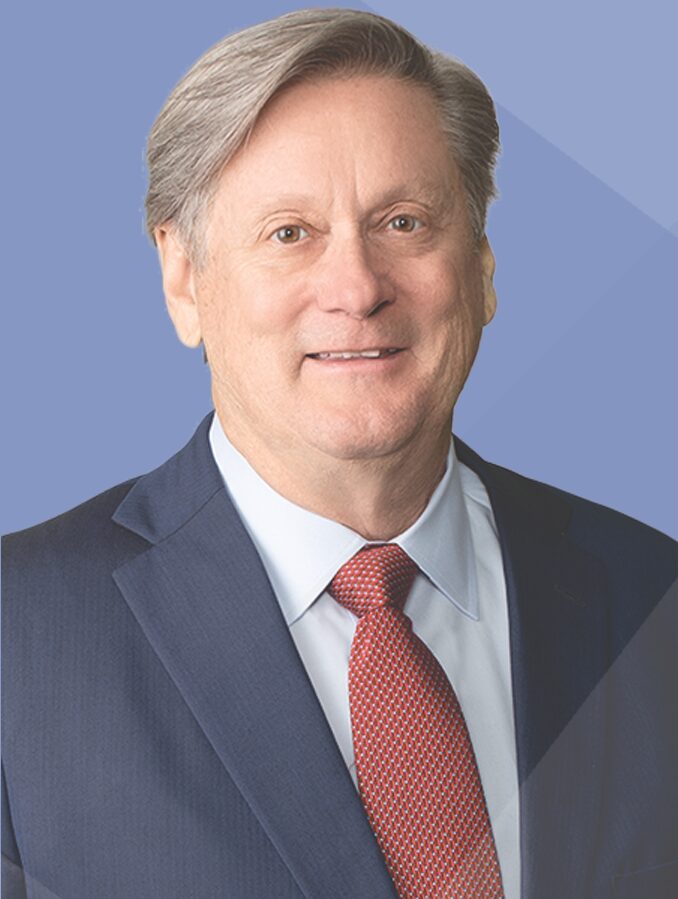
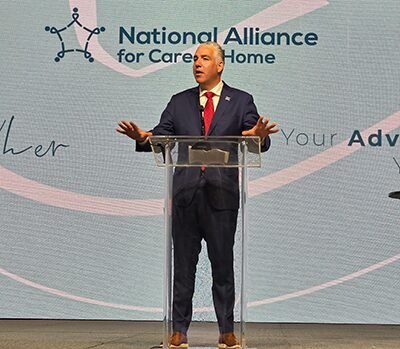
Dr. Steve Landers

An Interview from the Alliance Annual Meeting

On the heels of the inaugural National Alliance for Care at Home Annual Meeting & Expo, I sat down with Alliance CEO Dr. Steve Landers to talk about his feelings on the event, the current state of the industry, and the future of the Alliance.

In His Own Words

The Rowan Report:

We’re just about at the end of the first annual meeting since the merger of NHPCO and NAHC. What are your thoughts on how the event was received?

Dr. Steve Landers:

Yeah, it’s been great. You know, we have, we’ve had great attendance, and the energy has been good, and we’ve got diverse participation from people all throughout the care at home community from all over the country, and I think people learned a lot and got to spend time with friends and colleagues and do business. I’m feeling good about it.

RR: I assume you’ve learned alot and we’ll see some changes next year. Where will we be in 2026?

Steve: We’ll be in Washington, D.C. next fall. Also, our summer financial summit is still on the agenda. So, we’ll be in Boston and we’re hoping to see as many people out as possible.

Alliance Annual Meeting Review Steve Landers

Alliance Outlook 2026

RR: And your new board members, who start in January, were announced earlier. Sounds like you have some great people incoming next year. What is the focus for the organization in 2026?

Steve:

We are continuing to position ourselves as strong advocates in Washington for the issues that our members are facing. The whole board and team will be very much dug in and committed to putting the best possible effort forward on the big things that our members are facing from an advocacy standpoint. Of course, we want to continue to strengthen the member programming and the educational offerings. We are going to try to build on our partnership with the research institute for home care to try and add more research activities to the to the programming.

There are some things that we’re still not sure about how next year is going to look, because on the public policy front, we still have some kind of pending issues that we’re hoping get ironed out in a positive way. Depending on how the year wraps up, we could be very much still in a bit of a firefight, whether that’s the Medicare Home Health payment system, face to face certification access for hospice and home health services, or depending on if any type of Medicare Advantage legislation comes up. So there’s still a lot unknown about how the early year looks from an advocacy standpoint, but definitely, you know, with the existing board members and new board members and our team will be leading the way on those fronts.

Medicare Home Health Proposal

RR:

There are a lot of unknowns right now with the shutdown, the hospice carve out, and other issues we’re not really seeing any movement on. Is there any one unknown that is more challenging than others?

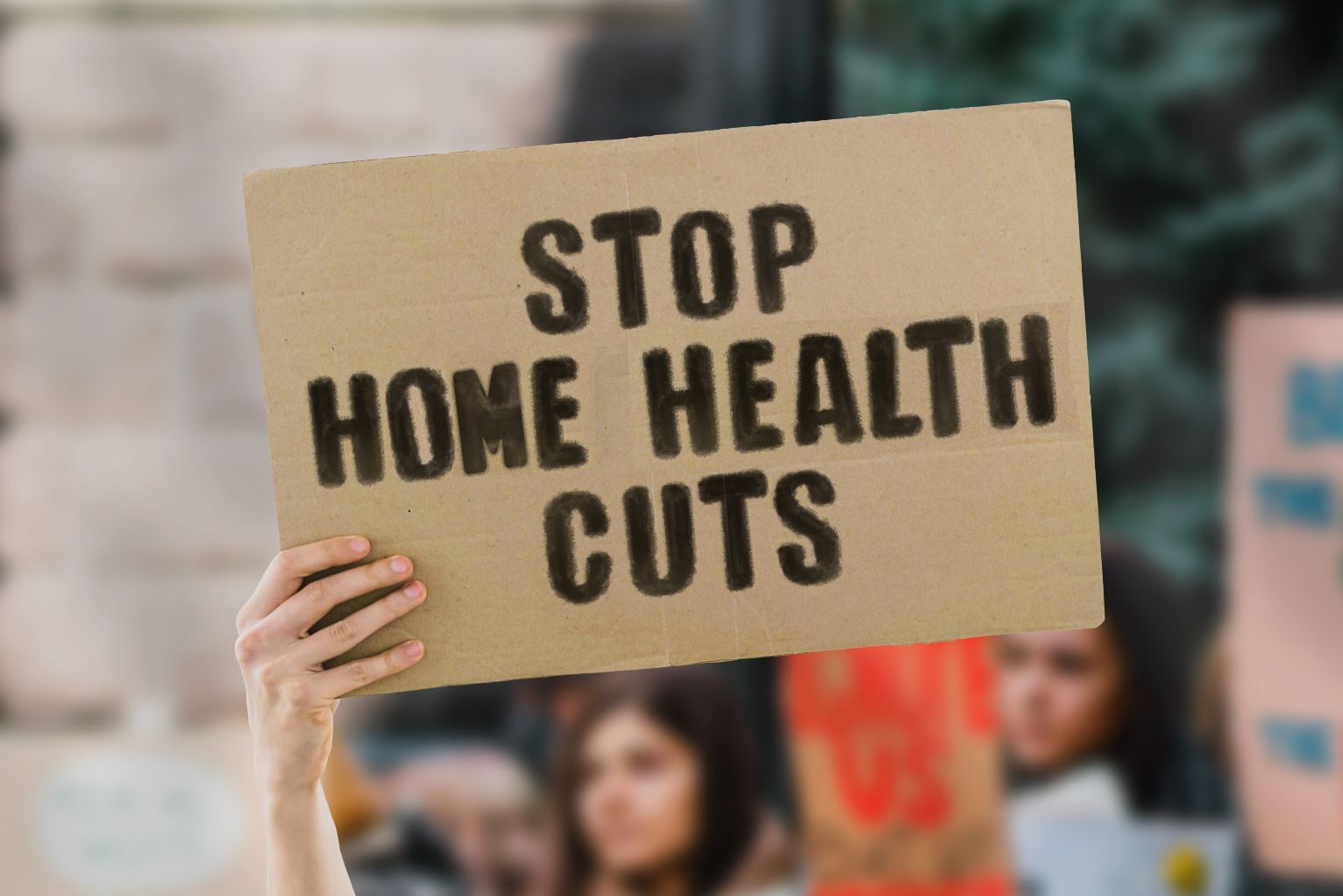
Steve: I think the most front and center issue is the Medicare Home Health payment proposal, because it was a terrible, misguided proposal that’s going to hurt lots of people, probably cost lives, cost the system more money, and so that’s definitely so visible and acute because it’s right with us.

If we see any more movement on this issue of hospice and Medicare Advantage that will certainly become more of an acute issue. We’re already taking it very seriously and are very actively and aggressively trying to push back that bad idea. 

And, of course, the longer this government shutdown, the more harm there is with things like access to telehealth, so that’s high on our mind. There are a lot of other issues we’re concerned about with the future of Medicaid HCBS and the business environment for private duty home care as well. So, the list is long.

Advocacy

RR: Very long, indeed. During the opening keynote you mentioned a call for advocacy from everyone in attendance. Specifically, you mentioned presenting “one voice.” Are there current issues that has the industry divided?

Steve: I think we’re doing a good job of keeping people together. I think there’s always a risk when people get passionate and are wanting to solve problems. If we accidentally are publicly going in different directions, that’s not productive. I wouldn’t highlit any specifics, but I think, in general, the more we can come togehter on various issues because our goals are the same. None of us want to see care at home get cut back and over regulated. Everyone involved in these issues care about the same things. But, in Washington, when attention spans are very short, you only have so much political capital so we make sure we’re pushing for the same things in those advocacy efforts.

RR: Have you gotten any indication of where CMS is landing on the final payment rule? Last I heard, they had thousands of comments and feedback on the major cut.

Final Rule

CMS home health final rule

Steve: They have received an incredible amount of comments. here have been meetings at all levels of the administration on these issues. We have outlined all of the aspects of this, from the access challenges to how cutting back home health is only going to lead to lead to higher overall expenses. We’ve given them a clear outline of the methodological flaws that they made in doing their calculations and their budget neutrality calculations. We’ve been very clear as well on where they have likely baked in data from pockets of fraud that are creating disadvantages for legitimate care providers in the way that the rate system comes out, So they have everything that they should need to reset these payments to where they should be based on the law. But, it’s a scary moment because they made this proposal in the first place, and at some point, somebody thought it was a good idea.

Keep Fighting

RR: What is the next step if the cuts happen?

Steve: If we don’t get what we’re hoping for, which is a real reset of these methodologies, then, the amount of teamwork and intense advocacy that’s going to have to happen to try to get Congress to fix this mistake is going to be enormous. And every one of us is going to have to put in whatever we can. Because, letting ourselves fall off of this type of cliff, letting patients and families fall off this kind of cliff, is just… it’s not… we’re gonna have to fight it every every step of the way. It’s just not right.

Commentary

The interview paused here. It was barely perceptible and nearly impossible to describe on paper. The depth of emotion conveyed in Dr. Landers’ words was palpable, sincere, and honest. In these few seconds, I was given the gift of insight on how completely Dr. Landers commits to this cause and how strong are his convictions. It was a powerful moment that I hope you all have the opportunity to witness.

Home Health Stabilization Act

RR: Both you and your predecessor, Bill Dombi, have talked about how devastating these cuts will be. Estimates of 50% of home health agencies closing, reduced access to care, loss of jobs for caregivers, and especially devastating to the patients. What if this doesn’t change? Obviously, it’s going to take everybody working together. But what’s the first step? Is there a plan?

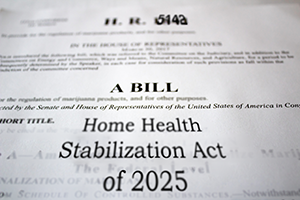
Steve: Oh, yeah, we’ve already been working with champions in Congress to introduce H.R. 5142 the Home Health Stabilization Act of 2025. If passed into law, would halt these cuts for 2026 and 2027 and allow time to work with Congress and the administration on more comprehensive, long term fix to this total mess that’s been developed by these flawed methods and give time to really work on comprehensive solutions to some of the fraud and abuse issues and potentially other reforms that could help. Now, anytime you’re trying to get an act of Congress passed, especially with a Congress that’s not open right now, with only so many days left in the legislative calendar, that’s no guarantee either, but that is the contingency that we’ve been developing.

Dr Steve Landers Interview

If they don’t fix their proposal, they’re going to march forward on January 1 with another set of cuts that are going to lead to more delays in care and more people getting referred and not getting care and more rural and high poverty communities not haveing access to care and more people going back to the hospital and costing the system more. There are life and death issues. Not just an inconvenience or a cost. People can die. It’s a big deal.

RR: I think the industry as a whole feels like CMS is only looking at the financial numbers and not the consequences of what theyre doing. There are real people who are being damaged by these decisions.

Steve: Yeah, the proposed rule did not seem to take these things into account and it was not a patient- or family-centered proposal. It’s not a final rule yet. Their final action is pending and they need to address those issues. They have a responsibility, I believe, as public servants. I believe there’s a moral obligation here to revisit what was done and get it right.

RR: And, we do have some advocates at the congressional level, correct?

Steve: Yeah, we’ve been working with members of Congress to get them to weigh in with the administration, to tell them “get your final rule right.” We have been working on a contigency that if the rule is not done correctly that Congress would force them through legislation to stop the cuts. We’re not there yet, but we could be any day now. We’ve done that work with Congress to make that progress. That amount of advocacy will require teamwork. This is one of the reasons I was trying to emphaze the importance of unity if we end up with a very short calendar and a really hard problem to solve. It’s going to be pretty intense.

RR: And we’ll be right there with you if that happens, saying “how can we help?” I know this is the most pressing issue right now, but is there anything else industry-wise that you’re looking forward to and excited about?

Future Outlook

Steve: You know, I think it’s been fun and exciting and in some ways inspiring to see this alliance community grow and build. Whether it’s all these new and innovative AI solutions that our members are getting excited about, how they can improve workflows and efficiences, or whether it’s the attention for the storytelling around the issues that our members care about on social media and earned media. There are a lot of reasons to be excited and enthusiastic about the future.

I think the AI advancements have been really exciting and interesting for the industry, because there’s so much that can be done. And certainly, regardless of how big the cuts are, any cuts are going to be difficult for home health, and especially on top of what we’ve already had, yeah, but, you know, you being able to use these AI solutions to kind of cut some of the costs and things and offset that is, is at least a silver lining in some of it, and improve the worker experience, maybe in ways that make it a little less burdensome, and you can maybe keep more people in the
workforce.

RR: Well, I want to congratulate you. You’ve made it through your firstfull year in thisposition. I think there was a sense of this event being the test, the “How did the two organizations really come together and produce this huge thing,” and, it seems likethe blending of the home health with the hospice has worked really. Attendance is high and the vibe seems to be very positive.

Steve: You know, there’s a test every day. We have to keep trying to serve our community, and it’s a journey. We’ve got a great board, and a great team. They’re focused on the mission. The team came together nicely after the merger. Now that it’s settling down, we’re just going to keep working towards a bright future. Just keep at it.

RR: I think you’ve handled it all really well and the success of this event is a testament to that, as well as the other education and advocacy you’ve accomplished in the last year. I appreciate you taking the time to talk to me today. Keep fighting the good fight. 

Steve: Absolutely. Thank you.

# # #

Kristin Rowan, Editor

Kristin Rowan has been working at The Rowan Report since 2008. She is the owner and Editor-in-chief of The Rowan Report, the industry’s most trusted source for care at home news, and speaker on Artificial Intelligence and Lone Worker Safety and state and national conferences.

She also runs Girard Marketing Group, a multi-faceted boutique marketing firm specializing in content creation, social media management, and event marketing.  Connect with Kristin directly kristin@girardmarketinggroup.com or www.girardmarketinggroup.com

©2025 by The Rowan Report, Peoria, AZ. All rights reserved. This article originally appeared in The Rowan Report. One copy may be printed for personal use: further reproduction by permission only. editor@therowanreport.com
 

Medicare Home Health Cuts: Survey Says

FOR IMMEDIATE RELEASE

Contact:                                                                       Elyssa Katz
571-281-0220
communications@allianceforcareathome.org  

70% of Americans Oppose Medicare Home Health Cuts, National Poll Finds

Alexandria VA, and Washington, DC, September 4, 2025– A new national poll by Fabrizio Ward, commissioned by the National Alliance for Care at Home (the Alliance), finds that seven in ten Americans oppose the Centers for Medicare & Medicaid Services’ (CMS) 2026 Medicare home health proposed rule, which would slash Medicare home health funding by an additional 9%, or $1.1 billion, next year. These cuts would put lifesaving home health care for millions of Americans at risk, particularly seniors and those with disabilities, while doing nothing to address fraud, waste, and abuse occurring in the home health payment system.

In one of the strongest bipartisan rebukes of Medicare home health cuts to date, the poll found overwhelming opposition across party lines. Large majorities of voters support targeting cost savings to eliminating waste and fraud rather than across-the-board cuts. Voters widely recognize that home health provides significant savings for taxpayers, that lack of access to home health due to recent cuts hurts Medicare patients, and that many more would be hurt if the proposed cuts go into effect.

CMS home health proposed rule

“The results send a crystal-clear message: Americans want more home-based care, not less, and preserving access to care is critical. Cutting home health doesn’t save money – it hurts patients, worsens outcomes, and costs taxpayers more in the long run.” 

Dr. Steve Landers

CEO, National Alliance for Care at Home

The poll reveals Americans see home health as essential to keeping patients safe at home, lowering costs, and easing pressure on already overburdened hospitals and emergency rooms.

Key findings:

  • 70% of all voters oppose Medicare cutting home health services by an additional 9% next year.
  • 91% of all voters believe it’s important that home health services be available when Medicare patients require extra medical support.
  • 55% of all voters support President Trump taking steps to reverse the proposed Medicare home health cuts and ordering a crackdown on fraud in the system.
  • 71% of all voters believe home care is the most affordable care option, compared to just 17% who believe hospital care is more affordable.
  • 73% of all voters say that cutting Medicare home health harms patients and legitimate providers while failing to stop the fraudulent operators that scam hundreds of millions of dollars from the program each year is a good reason to oppose the cuts.

“With more than one out of every two voters either on Medicare, or with a parent on Medicare, voters are clear that people want treatment at home if it’s an option and that home medical care is less expensive than care provided at hospitals and nursing homes. Voters also see the folly in across-the-board cuts that harm everyone rather than focusing efforts to root out known fraud in the home health system. Across the political spectrum voters oppose cuts and support redoubling efforts to fight fraud.”

Tony Fabrizio

Partner, Fabrizio Ward

“These numbers should give every lawmaker pause,” Dr. Landers cautioned. “Patients want to recover where they’re safest – at home. It’s time for Congress to protect what’s working and stop the home-care bleeding. Lawmakers have an opportunity to protect a program that saves lives, lowers costs, enjoys overwhelming bipartisan support, and reflects the clear will of the American people.”

The Alliance is urging Congress and CMS not to finalize the proposed payment cuts and to work with providers to revise their approach and strengthen, not weaken, access to home-based care.

A memo of the poll findings can be found here.

###

About the National Alliance for Care at Home

The National Alliance for Care at Home (the Alliance) is the leading authority in transforming care in the home. As an inclusive thought leader, advocate, educator, and convener, we serve as the unifying voice for providers and recipients of home care, home health, hospice, palliative care, and Medicaid home and community-based services throughout all stages of life. Learn more at www.AllianceForCareAtHome.org.

Research Institute Joins Alliance

FOR IMMEDIATE RELEASE
August 20, 2025

Contact:                                                                   Elyssa Katz
571-281-0220
communications@allianceforcareathome.org

Research Institute for Home Care and National Alliance for Care at Home Ink Affiliation Agreement

Alexandria, VA and Washington, DC, August 20, 2025 – The Research Institute for Home Care (the Institute) and the National Alliance for Care at Home (the Alliance) have entered into an affiliation agreement to strengthen and expand research efforts while further unifying the care at home movement. The agreement is effective immediately. 

Research Institute for Home Care

Since its founding in 2008, originally as the Alliance for Home Health Quality & Innovation, the Institute has invested in research and education about home care and hospice and its ability to deliver quality, cost-effective, patient-centered care, demonstrating the value proposition for patients and the entire U.S. healthcare system. With this affiliation, the Institute will remain an independent research organization, continuing to pursue its mission of funding and promoting research to inform policy and identify best practices and care models that expand access to healthcare in the home. Its vision remains clear: promoting healthy patients and communities through home care research, education, quality, and innovation. 

Research Institute for Home Care

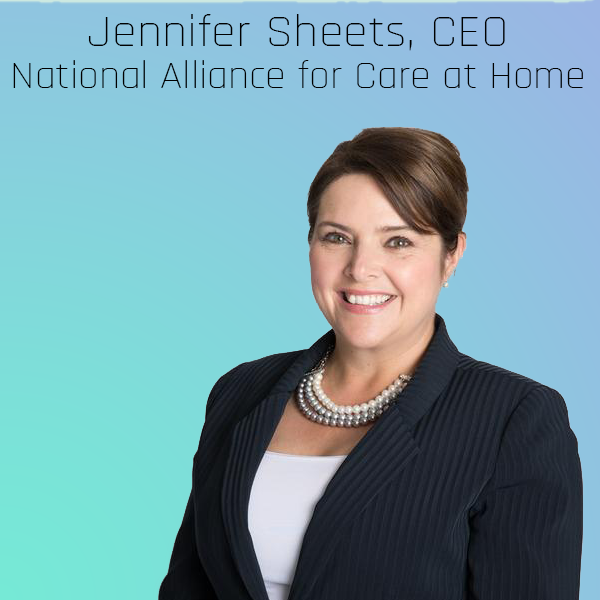
The Institute’s Board of Directors will continue to independently oversee its research agenda and initiatives. The Alliance will provide comprehensive management support for the Institute’s operations. At the launch of the affiliation, Dr. Steve Landers, CEO of the Alliance, will also serve as the President of the Institute. Jennifer Schiller, the former Executive Director of the Institute, has joined the Alliance leadership team and will continue to support Institute initiatives along with other Alliance leaders. Jennifer Sheets, Founder and CEO of Carezzi, will remain the Board Chairman of the Institute.   

The enhanced collaboration and amplification opportunities provided by this affiliation elevate and unify the care at home movement. Together, the strengthened Alliance and Institute leadership will continue to invest in and focus on critical home care and hospice industry research and data to inform effective policy, clinical practice, and underscore the value of home-based care. 

In Their Own Words

“We are thrilled to announce our affiliation with the Research Institute for Home Care. The Institute’s more than decade-long commitment to rigorous research perfectly complements our mission. This affiliation strengthens our ability to further demonstrate that care at home is the preferred choice for patients and families and the highest-value option for our healthcare system.” 

Dr. Steve Landers

CEO, National Alliance for Care at Home

“This is an important milestone for the Institute that will amplify our research impact while preserving our integrity and academic rigor. By joining forces with the Alliance, we ensure that evidence-based findings continue to inform policy and best practices that benefit patients, families, and the entire healthcare system.”

Jennifer Sheets

Chairman of the Board, Research Institute for Home Care

Director Agreement

The decision, reached by both organizations’ independent Boards of Directors, reflects the shared recognition that care at home is at a pivotal juncture. By combining the Alliance’s resources with the Institute’s research expertise, the partnership positions both organizations to influence policy, strengthen clinical practice, and advance innovation in care at home.  

“The timing of this affiliation reflects a shared recognition that care at home stands at a critical juncture. By bringing together the Alliance’s resources with the Institute’s research expertise, we are better positioned to navigate today’s complex healthcare landscape and drive meaningful policy change. This partnership represents a strategic investment in the future of home-based care that will benefit providers, patients, and policymakers alike,” said Ken Albert, Board Chair for the Alliance. 

# # #

About the National Alliance for Care at Home

The National Alliance for Care at Home (the Alliance) is the leading authority in transforming care in the home. As an inclusive thought leader, advocate, educator, and convener, we serve as the unifying voice for providers and recipients of home care, home health, hospice, palliative care, and Medicaid home and community-based services throughout all stages of life. Learn more at www.AllianceForCareAtHome.org.  

About the Research Institute for Home Care

The Research Institute for Home Care (the Institute) is a non-profit, national consortium of home care providers and organizations. The Institute invests in research and education about home care and its ability to deliver quality, cost-effect, patient-centered care across the care continuum. The Institute is committed to conducting and sponsoring research and initiatives that demonstrate and enhance the value proposition that home care has to offer patients and the entire U.S. healthcare system. 

Tell CMS not to Kill Home Health

by Kristin Rowan, Editor

The Alliance to Care at Home:

CMS needs your comments

CMS needs your comments on the home health proposed rule for FY 2026. Advocacy is a cornerstone of the mission of The National Alliance for Care at Home. From The Hill to the home, The Alliance fights for the future of the industry. But, they can’t do it alone. 

Proposed Rule

The CMS proposed rule for FY 2026 has a net 6.4% decrease in payments to home health providers. Industry experts warn that this change will cause home health agencies to shutter their doors and it will leave many rural areas in a home health desert.

The Alliance Call to Action

At last week’s 2025 Financial Summit in Chicago, policy and industry experts provided ways to adjust how to write comments to CMS. According to Mary Carr, Vice President for Regulatory Affairs at National Alliance for Care at Home, it’s not enough for a few agencies and organizations to advocate for home health. Everyone has to submit comments about this. Carr says if done effectively, sending comments on proposed rules is one of the most powerful ways to stop these policy changes. The way you write your comment letters is important if you want them to have an impact.

Carr provided this guidance and tips on how to right an effective comment to CMS:

Remember that CMS is not looking for an agree/disagree statement

Provide good reasons for not keeping the proposed rule as is

Address very specific reasons why any part of the proposed rule is bad

Include the direct impact the proposal will have on your business, your staff, and your patients

Provide an alternative recommendation

Mention studies on how much less home health costs compared with SNFs and ALFs

Don’t let fear, anger, and anxiety detract from your message

Maintain professionalism and respect

Mention and thank CMS for any good aspects of the proposed rule

Include impact statements on reduction in services, delays to getting care, and areas that would be without any available home health care should the proposed rule stand

Mention the Other Side

No matter what side of the aisle you are usually on, we all must agree that care at home is an industry issue, not a Democrat or Republican issue. Hillary Loeffler, Vice President of policy and regulatory affairs at the Alliance, reluctantly mentions that the clawbacks, reductions, and methodology used to determine rates were put in place by the previous administration. 

“It’s a new administration. I hate to say it, but I’m going to say, ‘This methodology was created by the Biden administration, and the Trump administration needs to do something about this.’ So, hopefully they take a fresh look at it.”

Hillary Loeffler

Vice President of Policy and Regulatory Affairs, National Alliance for Care at Home

Loeffler also suggests going directly to Congress with comments and letters in addition to CMS. The recent trend of lowering reimbursement rates causing fewer visits, less coverage, and longer wait times is untenable and complete reform of the home health benefit at the federal level is needed to ensure its survival, added Loeffler.

Illogical Arguments

Whether you are publishing comments on the home health proposed rule or writing a letter to your senators and representatives, steer clear of logical fallacies. These errors in reasoning are easy to fall prey to when you have an emotional investment in the issue at hand.

Ad Hominem

The very common Ad Hominem fallicy happens when the argument moves from the problem to the person. Blaming your representative or accusing CMS of hating home health rather than focusing on the impact of the pay cut will weaken our standing.

Slippery Slope

This fallicy involves stretching the consequences of an action beyond reality. Cutting home health payment rates will decrease care and increase start-of-care delays. It will not cause homelessness, mass hysteria, or a small pox outbreak. 

Fallacy of Composition

If you’re familiar with standard contracts, you’ve read the clause that goes something like, “if any part of this contract is illegal, the rest is still intact.” The composition fallacy assumes that the whole of something matches its parts. The CMS proposed rule for FY 2026 has improvements, such as allowing physicians to do face-to-face appointments even if they are not the certifying physician. Don’t throw out the entire proposed rule. Rather focus on those parts that are clearly devastating to the industry.

Fallacy of Origin

Criticizing the rule based on its authors (CMS) as adversaries to care at home also negates the impact of our advocacy. CMS has been charged with maintaining government payments for health care in hospitals, physician groups, hospices, SNFs, and more. They have also been directed to cut costs, decrease spending, and maintain budget neutrality. The proposed rule is a death sentence for home health not because it came from CMS, but because of the flawed math. Address the calculations, the methodology, the assumption that care at home is more expensive than hospital or SNF care, and the number of people who will lose access to quality care.

CMS needs your comments now

Now that you know what issues to address and how to frame your argument, reach out. Contact CMS and your Congresspeople and submit your comments today. Comments are due by August 29th.

# # #

Kristin Rowan, Editor

Kristin Rowan has been working at The Rowan Report since 2008. She is the owner and Editor-in-chief of The Rowan Report, the industry’s most trusted source for care at home news, and speaker on Artificial Intelligence and Lone Worker Safety and state and national conferences.

She also runs Girard Marketing Group, a multi-faceted boutique marketing firm specializing in content creation, social media management, and event marketing.  Connect with Kristin directly kristin@girardmarketinggroup.com or www.girardmarketinggroup.com

©2025 by The Rowan Report, Peoria, AZ. All rights reserved. This article originally appeared in The Rowan Report. One copy may be printed for personal use: further reproduction by permission only. editor@therowanreport.com
 

The Alliance Responds

by Kristin Rowan, Editor

The Alliance Responds to CMS Hospice Update

The Alliance responds to CMS-1835-P, the FY 2026 Hospice Wage Index, Conditions of Participation, and Quality Reporting Program Requirements updates. On June 10, 2025, in a 25 page letter to Dr. Mehemet Oz, CEO for The National Alliance for Care at Home Steve Landers, MD, MPH lays out the constraints and financial burdens hospice agencies will face if these updates are enacted. 

Payment Rate Update

Increase Less than Inflation

In the rule for FY 2026, CMS proposes a 3.2 percent market basket increase and a .8 percent productivity decrease, yielding a 2.4 percent increase overall. According to the letter, inflation has raised medical care prices by 3.1 percent, leaving a shortfall of .7 percent. Hospices are also plagued by the same workforce shortage the rest of the medical industry faces. Workforce shortages result in fewer qualified people than there are available positions, which drives wages up. BLS data indicates the wage increase for 2025 was 4.4%. The Alliance argues that the 2.4% net increase falls well short of the actual expense increase.

Faulty Data

In a recent article, we outlined the process that CMS uses to determine the market basket update. The Alliance echos our information, showing the market basket forecast is well below actual increases. The Alliance further argues that the shortfall compounds, leaving the base rate increasingly smaller with each forecast. The current estimate is a 4.9% pay rate gap. CMS contends there is no way to adjust for forecast errors. The Alliance has a simple solution: manually adjust the payment rate every year when the finalized number are above the forecasted numbers BEFORE adding the next year’s payment rate increase.

Likewise, The Alliance concurs with The Rowan Report sentiment that productivity cannot increase in hospice like it does in less labor-intensive sectors. Landers also mentions the failure to consider travel costs, the wage differences in rural areas, and the lack of reclassification options in hospice care.

Payment Rate Recommendations

As any well-drafted response should, The Alliance provides actionable recommendations in each section. For payment rate updates, The Alliance recommends:

  • We recommend CMS examine closely more recent data and increase final payment rates for FY 2026.
  • We urge CMS to explore all available avenues to address the forecast error shortfall, such as through a one-time adjustment.
  • We encourage CMS to collaborate with stakeholders to address the shortcomings of relying upon hospital data to determine hospice payment rates, and ways to achieve parity across provider types with respect to geographic area wage adjustments.

HIS to HOPE Transition

Also addressed in the letter is opposition to the timeline of the HIS to HOPE transition. The Alliance restates much of what was in the joint letter to CMS urging the delay of the HOPE tool adoption. That letter was a joint venture between The National Alliance for Care at Home (The Alliance), LeadingAge, and the National Partnership for Healthcare and Hospice Innovation (NPHI).

The consequence of adverse outcomes cannot be understated. The risk of negative financial consequences for hospice providers is
largely dependent this year on the success of two transitions—iQIES and HOPE— neither of which are within their control.

Steve Landers, MD, MPH

CEO, National Alliance for Care at Home

HOPE Transition Recommendations

  • Considering the volatility inherent in a reporting transition of this magnitude and the lack of clear information provided to date, we respectfully request CMS waive the HOPE timeliness submission requirement for two calendar quarters post implementation.
  • We further respectfully request that CMS delay the HOPE implementation date until at least six months after CMS education and training, beyond that which is introductory and that is scheduled for spring/summer 2025, the final validation utility tool specifications are available and the application for iQIES access has been opened for hospices.

Digital and Future Hospice Measurements

Among the digital hospice measurements is an interoperability measurement. The Alliance supports interoperability and data exchange across medical care entities, but stresses to CMS that many hospices do not have digital EHR systems, cannot afford to maintain such systems, and have not received the federal financial support necessary to meet this objective.

The Alliance also objects, not in theory, but in practical application, to the nutrition measure noted in future hospice measures. Nutrition for a hospice patient is vastly different than for other patients and should be implemented as a process measure, rather than having specific goals for food intake and nutrition.

Similarly, the well-being measure is not designed for hospice care. In other sectors of healthcare, well-being incorporates measures for mental, social and physical health and focuses on curative plans. Hospice care focuses on person-centered care, emphasizing the desires of the patient as they are balanced against religious, cultural, and personal beliefs. The well-being measure must be curated to fit hospice care.

The Alliance - Conclusion

The Alliance values CMS’s ongoing commitment to enhancing hospice care quality,
ensuring program integrity, and improving patient outcomes. We appreciate your
consideration of our comments and look forward to ongoing dialogue to achieve these
shared objectives.

The Rowan Report - Conclusion

The Alliance has, as always, done an exemplary job at explaining the industry position on the CMS rule. Likewise, it has outlined each step CMS should take to view the updates through a hospice lens rather than a hospital lens. We commend and support The Alliance statement and position. As this is an ongoing topic until the final rule is implemented, we will continue to provide updates as they become available. 

If you are a member of The Alliance, you can read the full 25 page letter here.

# # #

Kristin Rowan, Editor

Kristin Rowan has been working at The Rowan Report since 2008. She is the owner and Editor-in-chief of The Rowan Report, the industry’s most trusted source for care at home news, and speaker on Artificial Intelligence and Lone Worker Safety and state and national conferences.

She also runs Girard Marketing Group, a multi-faceted boutique marketing firm specializing in content creation, social media management, and event marketing.  Connect with Kristin directly kristin@girardmarketinggroup.com or www.girardmarketinggroup.com

©2025 by The Rowan Report, Peoria, AZ. All rights reserved. This article originally appeared in The Rowan Report. One copy may be printed for personal use: further reproduction by permission only. editor@therowanreport.com

 

MedPAC Comments on CY 2026

by Kristin Rowan, Editor

MedPAC Comments on CY 2026

MedPac Sends Recommendations to Congress

 MedPAC makes recommendations to Congress and HHS on issues affecting the Medicare program. The March report for 2025 includes recommendations for hospice, home health, and SNFs, in addition to in-patient and out-patient hospital services.

Hospice

Using the exact terminology from the 2024 report, MedPAC recommends that Congress eliminate the update to the 2025 Medicare base payment rates for hospice. MedPAC pointed to a number of statistics to support the evaluation:

  • The number of hospice providers increased in 2023
  • Some of the growth in hospice providers occurred in states where CMS has concerns over program integrity
  • The percentage of patients using hospice increased by .8 percent nationwide, as did the days of care and visits per week
  • Medicare payments exceeded marginal costs by 14 percent

Opinion

  • The population of the U.S. is aging as more and more Baby Boomers qualify for Medicare; there is an increased need for hospice agencies to accommodate the volume of patients
  • Whether there are more hospices in states where program integrity is questioned does not impact the need for hospice care; program integrity reform changes this, not reimbursement rates
  • The rise in use, length of stay, and days of care explain the increase in the number of hospice; need, not profitability drives this growth
  • The average markup in 2022 was 72 percent above marginal cost

Marginal Cost

Marginal cost is the cost of adding one more unit of production. In simple terms, that would be the overall costs of adding one hour of care for a hospice patient. This would include scheduling, hourly wage, and other operational costs. MedPAC believes that if an agency adds one hour of care and make 14 percent more than their costs, that is sufficient.

Home Health

Keeping with tradition, MedPAC used the same language again from 2024 to recommend that Congress reduce the 205 Medicare base payment rate for home health agencies by 7 percent. 

Home Health & Hospice
  • The number of HHAs participating in Medicare increased by 3.4 percent.
  • Most of the growth in HHAs was in LA County. Outside LA County, the number of HHAs decreased by 2.8 percent.
  • The number of 30-day episodes per beneficiary decreased by 1.8 percent, but is still higher than in prepandemic years
  • MedPAC was unable to compute the marginal profit for 2023
  • Quality of care (percent discharged to community) increased by 1.3 percent
  • The all-payer margin in HHAs was 8.2 percent, attracting investors
  • The projected Medicare payment margin for 2025 is 19 percent
Image of letters spelling health and wealth

Opinion

  • LA County has more HHAs, but the rest of the country has fewer. We believe if you ask The National Alliance for Care at Home, Bill Dombi, or any number of prior HHA owners, low reimbursement rates forced them out of business
  • Pandemic numbers skewed the need for care at home because everyone was at home; if you only look at prepandemic numbers compared with 2023 numbers, the need for home health is increasing
  • HHAs keep patients out of the hospital, which accounts for more Medicare payments and higher costs
  • Again, the average margin across the U.S. is 72 percent, but MedPAC somehow believes 8 percent will attract investors and buyers; volume is attracting buyers, not margins
  • The projected 2025 margin is 19 percent and MedPAC recommends lowering it to 14 percent, matching hospice, and is 58 percent lower margins than the average industry

One Point of Parity

Surprisingly, there is an overlap in thinking between providers and MedPAC. In the February 2025 comment on the CMS notice of proposed rulemaking for 2026, MedPAC addressed the coding intensity and increased Medicare Advantage payments. 

Last summer, Editor Emeritus Tim Rowan reported on the inflated health conditions filed by payers. Medicare Advantage payers also routinely deny care that traditional Medicare plans would cover. MA payers are collecting on both the front and back ends of the “Bank of CMS.” According to the Center for Economic Policy Research, upcoding by MA plans costs CMS 106 percent of traditional Medicare costs. Quality bonus payments add an additional 2 percent. Operating surplus from enrolling healthier beneficiaries adds another 11 percent. Payments to MA plans are 19 percent higher. MedPAC agrees and urges CMS to further investigate coding intensity from MA payers.

Point of Contention

Although we agree with MedPAC’s assessment of MA coding intensity, that is where the similarity ends. Let’s take that recommendation one step further and require that MA plans pay hospice and home health providers a higher percentage of their risk-assessment adjustment and let the payers make their profits elsewhere.

It Could be Worse

Given the recent upheaval in D.C. and the fear that Medicare, Medicare Advantage, Medicaid, Social Security, and other benefits would be done away with completely, we are relieved to see the House Budget Bill passing without the drastic reductions to care at home.

From the Alliance

Following the passing of the House Budget Bill,  The National Alliance for Care at Home issued a response statement. We’ve published the full response here for you.

# # #

Kristin Rowan, Editor

Kristin Rowan has been working at The Rowan Report since 2008. She is the owner and Editor-in-chief of The Rowan Report, the industry’s most trusted source for care at home news. She also has a master’s degree in business administration and marketing and runs Girard Marketing Group, a multi-faceted boutique marketing firm specializing in content creation, social media management, and event marketing.  Connect with Kristin directly kristin@girardmarketinggroup.com or www.girardmarketinggroup.com

©2025 by The Rowan Report, Peoria, AZ. All rights reserved. This article originally appeared in The Rowan Report. One copy may be printed for personal use: further reproduction by permission only. editor@therowanreport.com

 

Special Focus Program Ends

by Kristin Rowan, Editor

Special Focus Program Not Well Received

When the Hospice Special Focus Program (SFP) first appeared, the industry was told the program would help CMS identify and improve the performance of hospice providers that were struggling to meet quality standards. CMS developed the program to strenthen oversight, promote quality improvements, and ensure compliance for underperforming hospice agencies.

Soon after its inception and implementation in 2022, numerous concerns emerged. The National Alliance for Care at Home (then NAHC and NHPCO) voiced concerns over the program’s reliance on incomplete data as well as the potential for the program to unfairly targed providers in underserved communities.

Between February 2020 and January 2025, numerous state and national organizations have introduced Hospice Acts to Congress, given feedback to CMS on improvements to SFP, and filed lawsuits against the CMS.

Ramping Up the Opposition

In mid-2024, following the Council of States meeting, monthly opposition to the SFP became standard:

  • The McDermott Report highlighted significant flaws in the algorithm used for the program. Again, there was an objection over the use of incomplete and inconsistent data.
  • Bi-partisan Congress members sent a letter to CMS requesting revisions to SFP, criticizing outdated survey data and suggested that the quality metrics were inappropriately weighted.
  • Alliance CEO Steve Landers publicly criticized the implementation of SFP in his op-ed.
  • Representatives introduced Bill H.R. 10097 to delay SFP implementation, stating it would give CMS time to address the problems with the program and ensure fair application of standards for low-performing hospices without impacting quality programs.
  • The Texas Association for Home Care & Hospice; Indiana Association for Home & Hospice Care; Association for Home & Hospice Care of North Carolina; South Carolina Home Care & Hospice Association; and Houston Hospice filed a lawsuit challenging the SFP as unlawful and arbitrary.

CMS Backs Down

This week, CMS announced that it has paused the implementation of SFP for the calendar year 2025. The CMS statement say the pause will allow CMS to “further evaluate the program.” There is no mention of the opposition or the ongoing lawsuits.

The hospice special focus program page on the CMS website reads:

 Effective February 14, 2025, implementation of the Hospice Special Focus Program for CY 2025 has ceased so that CMS may further evaluate the program. Please contact QSOG_Hospice@cms.hhs.gov for policy questions.

All additional information about the program has been removed from the website page.

Special Focus Program gets First Positive Feedback

For the first time since 2020, industry leaders are applauding a CMS move regarding SFP. The move is halting the program altogether, but at least its positive feedback. 

“This decision is a positive move acknowledging that the current approach is not working as intended. The hospice community has long advocated for strong oversight and patient protections, but the SFP, as implemented, was deeply flawed, unlawful, and harmful to the very patients it was meant to protect.”

National Alliance for Care at Home

You can read the full statement from The Alliance in their press release.

Final Thoughts

It seems it is not often that CMS hears what the industry tells them. Reimbursement rates continue to drop, documentation is increasingly complex, and the industry has suffered from their misconceptions about what we need.  This time, at least, there was enough pressure and advocacy from Congress and from you, the people who are impacted daily by their decisions, to cause them to rethink this program. Keep up the good work and continue to advocate for yourself and for care at home. Perhaps this is not the last time CMS will listen.

# # #

Kristin Rowan, Editor

Kristin Rowan has been working at The Rowan Report since 2008. She is the owner and Editor-in-chief of The Rowan Report, the industry’s most trusted source for care at home news .She also has a master’s degree in business administration and marketing and runs Girard Marketing Group, a multi-faceted boutique marketing firm specializing in content creation, social media management, and event marketing.  Connect with Kristin directly kristin@girardmarketinggroup.com or www.girardmarketinggroup.com

©2025 by The Rowan Report, Peoria, AZ. All rights reserved. This article originally appeared in The Rowan Report. One copy may be printed for personal use: further reproduction by permission only. editor@therowanreport.com
 

Bill Dombi to Continue the Care at Home Fight in D.C.

by Kristin Rowan, Editor

Bill Dombi Key Supporter of Care at Home

The end of 2024 and the official merger of NAHC and NHPCO also brought to a close the extensive service to the care at home industry by former NAHC President Bill Dombi. Dombi served as vice president for law from 1987 to 2017. He was named interim presidnt in 2017 and president in 2018, where he served until 2024.

Bill has been instrumental in the advancement of care at home policies at the federal level, a champion for advocacy for care at home at local, state, and national conferences and organizations, and spearheaded lawsuits and challenges to CMS rulings for year. His retirement, though well-earned, was a great loss to the industry.

Back in Action

On February 4, 2025, Arnall Golden Gregory law firm, of Atlanta and Washington D.C. an Am Law 200 law firm with a client-service model of “business sensibility” announced the additional of Bill Dombi to the firm as senior counsel. With more than 40 years of experience with litigation and policy in the care at home industry, Bill will continue his fight to advance care at home in D.C.

“It’s not a stretch to say that Bill is the face of the home healthcare space and the standard-bearer for advocating on its behalf, whether in state or federal court or through his deep-rooted experience and relationships within Congress and various federal agencies. In addition to tackling major policy issues, Bill has fiercely defended providers and patients in litigation across the country. His broad perspective and exceptional legal acumen will be invaluable to our already outstanding Healthcare practice, particularly in the areas of home health, hospice, and post-acute and long-term care litigation, benefitting both our teams and the clients we serve.”

Jason E. Bring

Healthcare Litigation co-chair, Arnall Golden Gregory LLP

BIll Dombi Returns

From AGG

Bill has been actively involved with significant litigation matters affecting home health policy since 1976. Notably, he served as lead counsel in the lawsuit that resulted in the expansion of Medicare home health coverage in 1980, and he was pivotal in the creation of the Medicare hospice benefit in 1983, the institution of the Medicare Prospective Payment System (PPS) for home health in 2000, and national healthcare reform legislation in 2010. In 2017, Bill was selected as NAHC’s president and served through 2024, ultimately concluding his tenure as president emeritus and counsel of the National Alliance for Care at Home, the combined organization of NAHC and the National Hospice and Palliative Care Organization.

“To call Bill a major addition to AGG’s Healthcare practice would be an understatement,” said Sean P. Fogarty, AGG’s managing partner. “Bill has been a pillar in the home health industry for years, and I know I speak on behalf of the entire firm when I say we we’re thrilled to have him join our team.”

Bill is renowned for his commitment to advancing care at home through legal, legislative, and regulatory advocacy. His background spans all key advocacy forums, including Congress, regulatory bodies, and the courts, where he has engineered laws and regulations that directly impact home health and hospice providers. This breadth of experience empowers his private practice to offer clients with a practical framework for compliance standards and operational excellence.

“As I look to the next chapter of my career after almost 40 years at NAHC, it’s exciting to join such an impressive firm and group of professionals with a well-established and supportive culture. AGG is so unique in its earnest focus on collegiality and collaboration, and I look forward to continuing my hard work with my new colleagues on behalf of the dedicated home health providers we serve.”

Bill Dombi

Senior Counsel, AGG

A hall of famer among several home care and hospice organizations, Bill has also served as executive director for the Center of Health Care Law and Home Care and Hospice Financial Managers Association at NAHC. He continues to serve the industry as a member of the board of directors of the Research Institute for Home Care and the Hospice and Home Care Foundation of North Carolina. With Medicaid expenditures now exceeding $130 billion annually and Medicare home health services growing from $300 million to over $25 billion, Bill’s work has seen the evolution of home care from a cottage industry to a cornerstone of long-term care in the U.S.

Bill attended the University of Connecticut, where he earned his law degree, as well as a B.A. in political science.

About Arnall Golden Gregory LLP

Arnall Golden Gregory (AGG) is an Am Law 200 law firm with offices in Atlanta and Washington, D.C. Our client-service model is rooted in taking a “business sensibility” approach of fully understanding how our clients’ legal matters fit into their overall business objectives. Our transaction, litigation, regulatory, and privacy counselors serve clients in healthcare, real estate, retail, technology, fintech/payment systems, global commerce/global mobility, life sciences, logistics and transportation, government investigations, and government contracts. With our rich experience and know-how, we don’t ask “if,” we figure out “how.” Visit us at www.agg.com.

# # #

Kristin Rowan, Editor

Kristin Rowan has been working at The Rowan Report since 2008. She is the owner and Editor-in-chief of The Rowan Report, the industry’s most trusted source for care at home news .She also has a master’s degree in business administration and marketing and runs Girard Marketing Group, a multi-faceted boutique marketing firm specializing in content creation, social media management, and event marketing.  Connect with Kristin directly kristin@girardmarketinggroup.com or www.girardmarketinggroup.com

©2025 by The Rowan Report, Peoria, AZ. All rights reserved. This article originally appeared in The Rowan Report. One copy may be printed for personal use: further reproduction by permission only. editor@therowanreport.com

 

Good News for Veterans and Care at Home

by Kristin Rowan, Editor

Biden's Final Acts

With only a short number of days left in office, President Joe Biden has been making headlines. Not all of his final decisions have been met with absolute approval, but his latest one will make a difference for our veterans wanting Care at Home. On Thursday, January 3, 2025, President Biden signed into law the Senator Elizabeth Dole 21st Century Veterans Healthcare and Benefits Improvement Act.

The Dole Act

The Elizabeth Dole Act improves upon much of the benefits, programs, and services provided by the Department of Veterans Affairs (VA). Some of these changes include providing protections for care agreements between veterans and clinicians, modifications to educational assistance programs and benefits, expansion of the Native American Direct Loan program, increases per diem rates for veteran transitional housing, and various administrative and oversight tasks.

Elizabeth Dole Home Care Act

The Elizabeth Dole Home Care Act is a bill within the larger act specific to home- and community-based services (HCBS). The home care act aims to enhance veterans’ access to the Program of All-Inclusive Care for the Elderly (PACE) nationwide. The new law also allows the VA to increase funding for HCBS. Prior to this, the VA was able to allocate 65% of nursing home care to home care services.

Additionally, the home care bill will provide support and benefits to caregivers of some disabled veterans, start a pilot to provide non-medical supportive care at home to veterans with limited access to home health aides, and increase access to HCBS for Native American Veterans.

The Industry Responds

The National Alliance for Care at Home responded to the landmark legislation, specifically siting section 301 of the bill, known as Gerald’s Law. Gerald’s is so named for a Michigan veteran who was denied his non-service related burial and plot benefit after he died at home while under VA hospice care. Gerald’s Law requires the VA to provide a burial and funeral allowance for veterans who were receiving VA hospice care in a home or other setting outside a hospital or nursing home.

“We are deeply grateful for the bipartisan support of Gerald’s Law and its inclusion in the Dole Act. This legislation ensures that Veterans and their families can choose hospice care in the setting that best meets their needs without risking the loss of crucial burial benefits. We thank Senators Moran, Tester, and Hassan, Representatives Ciscomani, Bost, Brownley, and Takano, and many others for their leadership, as well as President Biden for signing this important bill into law.”

Dr. Steve Landers

CEO, The Alliance

HCAOA, Leading Age, National PACE Association (NPA), and many others joined the Alliance in applauding Biden for signing the bill into law. They noted that providing care at home and in the community improves the quality of life for veterans and their caregivers. HCBS also come at a much lower cost than hospital and institutional care. 

HCAOA said in a statement that the bill is “…a crucial victory for both veterans and their caregivers.” The President and CEO of NPA said the bill would dramatically increase options for veterans who want to age in place and that Congress can “…easily implement PACE for hundreds of thousands of additional seniors and their families.”

The VA has found that HCBS can delay or remove the need for nursing home or assisted living admission. Care at Home also reduces the risk of preventable rehospitalizations. 

Final Thoughts

Once again, it seems the world is “discovering” that which we have known for ages: Home based care is better, cheaper, and more effective than institutional care. In the last few years, doctors and hospitals have figured this out and implemented hospital at home care. Now, the VA has finally figured it out as well. When this law takes effect, we as an industry will breathe a collective sigh when our veterans see better outcomes, their caregivers are better supported, the cost for their care decreases, and especially when our veterans enjoy a better quality of life in their final days without sacrificing the benefits to which they are so richly entitled. 

One small step for veterans, one giant leap for Care at Home.

# # #

Kristin Rowan, Editor

Kristin Rowan has been working at The Rowan Report since 2008. She is the owner and Editor-in-chief of The Rowan Report, the industry’s most trusted source for care at home news .She also has a master’s degree in business administration and marketing and runs Girard Marketing Group, a multi-faceted boutique marketing firm specializing in content creation, social media management, and event marketing.  Connect with Kristin directly kristin@girardmarketinggroup.com or www.girardmarketinggroup.com

©2025 by The Rowan Report, Peoria, AZ. All rights reserved. This article originally appeared in The Rowan Report. One copy may be printed for personal use: further reproduction by permission only. editor@therowanreport.com

 

End of an Era

by Kristin Rowan, Editor

NAHC President Bill Dombi Retires

Earlier this year, with the announcement of the merging of NAHC and NHPCO, Bill Dombi announced his retirement from his position as President of the Association. Shortly after that announcement, The Rowan Report interviewed Bill and asked about the ongoing litigation against CMS as well as his thoughts on his tenure at NAHC. At the time, Bill was not prepared to speak about his upcoming retirement.

Remembering the Past

This week, at his final Annual Convention & Expo as association President, Bill shared his vision for the future of home health and hospice. Bill shared the story of the first time he faced an adversary…way back in kindergarten. He met his first bully and it took only a day for him to stand up to his nemesis and fight back. His bully walked away with a broken nose and Bill spent time with his nose in a corner.

“I was smiling the entire time,” Dombi shared, “and learning that’s not the way to do it. You’ve got to go to law school instead.”

How it Began

A young litigator, bright-eyed and ready to take on the world, Bill was initially hired to tackle a lawsuit against the Medicare program for denying care that should have been offered. He walked into the office that day and found boxes upon boxes with thousands of patient records and denied claims. Bill had to comb through each of these to select the 12 best plaintiffs to be named in the case. The amount of information was overwhelming, he recalled. It got a little easier when he was able to add members of Congress to the plaintiff list.

Nearly 40 years have passed since that day. “That day that I said yes was the beginning of a stunning opportunity that I had to be a part of an incredible team of people,” Bill reminisced.

First Steps Forward

That day will live in NAHC history as the first day of Bill’s tenure with the association. He promised his wife and children they’d be in Washinton D.C. for “just three or four years.” They stayed for 37. This day led to his first case against Medicare, Duggan v. Bowen. A case that rewrote the Medicare home health benefit. “It’s not perfect, but it was a monumental move forward,” Bill stated.

A Career Marked by Achievements

While is Bill is often hesitant to take full credit for what he has accomplished, and regularly credits his team for the strides made for home health and hospice patients, there is no doubt that he has been a driving force behind NAHC’s momentum and a key player in its advances at state and federal levels. 

Among Bill’s many accomplishments are:

  • Creating the Medicare Hospice Benefit. Today, one out of every two decedents have used hospice in the last 12 months of their life, which is an enormous increase since its launch.
  • The growth of the Medicaid program. The program went from having no home services in 1965, to being the largest home health program in the world.
  • Increasing access of care for pediatric patients, those receiving private duty nursing, the severely disabled and the elderly.
  • The transition of making hospital-at-home care permanent in Medicare.
  • Ever-growing technologies and improving the focus on in-home care.
  • Several lawsuits that Dombi led at NAHC against private insurers and others, to ensure that specific patients—including several with amyotrophic lateral sclerosis (ALS)—weren’t arbitrarily denied the coverage they needed.
NAHC President Bill Dombi Retires

“That’s where my heart, my soul is; that’s where my aggressiveness is born, representing those very vulnerable people.”

Bill Dombi

President Emeritus, National Association for Home Care & Hospice

Where it's Going

As Bill wrapped up his final appearance on stage as NAHC President, he made some predictions and shared his hopes for the future of care at home. “I see a future where we see a whole transformation of health care. A future where the minds, hearts, operations, payments, and everything else are focused arund a home care direction,” he shared, “Not everyone can or should receive care at home, but it would be the ideal default before someone is hospitalized or moved to a nursing facility.”

Bill’s more specific hopes for the future of care at home include:

  • Nursing school curricula specific to care at home
  • Physician education including care at home
  • The leaders of CMS and/or DHHS have backgrounds in or a deep understanding of care at home
  • Technology visionaries working on tech solutions for care at home
  • Every state of the union and Presidential debate includes a discussion on care at home

Dream Big

Bill openly admits that his “wish list” for care at home may be fantastical, but he will continue to encourage all those who work in the care at home industry to continue to fight to move in that direction.

“We have to stand ready and be capable of working in all forms to defend ourselves against being bullied around,” he said. In typical fashion, Bill’s statements brought the crowd to its feet. He fittingly exited the stage to a standing ovation with Tom Petty’s “I Won’t Back Down” echoing through the hall. 

As the music faded on Bill’s tenure, The Alliance CEO Steve Landers offered, “Bill, we won’t back down. Just so you know, we’re not going anywhere.”

The Legacy Lives On

Bill may be retiring from his post as President of NAHC, but his accomplishments, his passion for care at home, and his legacy will live on. National Alliance for Care at Home has established The William A. Dombi Scholarship Fund at his alma mater, the University of Connecticut. Bill’s contributions to care at home can hardly be overlooked when the scholarship fund has nearly doubled its initial goal of $50,000. 

Incoming and continuing students at UCONN who are majoring in political science can apply for the scholarship. The scholarship prioritizes awarding money to students focused on public policy and/or health care policy. Contributions to the scholarship fund can be made here

On a Personal Note

I spoke with Bill briefly during this week’s national convention & expo. I couldn’t let the event pass without acknowledging his contributions personally. When I started working in the care at home industry nearly 16 years ago, I saw Bill speak at a convention. Most of what he said was beyond my limited knowledge of care at home at the time. But, when I introduced myself afterward, he was gracious and offered any assistance he could offer in the future. Since then, as I have delved deeper into the world of care at home, Bill has been a voice of reason, of passion, of resilience, and of steadfast commitment to advocating for the current and future recipients of care at home. He has impacted countless lives. For his guidance, for his character, and for his relentless pursuit of reform for care at home, I can only echo the sentiments of my colleagues and friends:

“Thank you, Bill, for everything.”

# # #

Kristin Rowan, Editor

Kristin Rowan has been working at Healthcare at Home: The Rowan Report since 2008. She has a master’s degree in business administration and marketing and runs Girard Marketing Group, a multi-faceted boutique marketing firm specializing in event planning, sales, and marketing strategy. She has recently taken on the role of Editor of The Rowan Report and will add her voice to current Home Care topics as well as marketing tips for home care agencies. Connect with Kristin directly kristin@girardmarketinggroup.com or www.girardmarketinggroup.com

©2024 by The Rowan Report, Peoria, AZ. All rights reserved. This article originally appeared in Healthcare at Home: The Rowan Report. One copy may be printed for personal use: further reproduction by permission only. editor@therowanreport.com