National PACE Awareness and National Fall Prevention Month

Advocacy

by Kristin Rowan, Editor

New Fall Prevention Study: An Interview with Dr. Ann Wells

Fall Prevention Month

September was National Fall Prevention month. Accidental falls are the number one cause of injury and death among adults over the age of 65. Fall Prevention month attempts to raise awareness on preventing falls, reducing the risk of falls, and helping older adults live without the fear of falling. The National Council on Aging also promotes advocacy on behalf of fall prevention funding and offers training and other materials to help prevent falls. Read our complimentary article this week about a nurse charged in the death of a patient who fell here.

National PACE Awareness Month

September was also PACE Awareness Month. The Program of All-Inclusive Care for the Elderly )PACE) is a Medicare and Medicaid program that helps seniors with long-term care needs to live independently and age in place. The program includes an interdisciplinary team of professionals working together to coordinate care. There is no co-pay, deductible, or coverage gap and the amount paid each month doesn’t change, no matter what care services the patient needs. All Medicare and Medicaid services are covered as well as medically-necessary care and services that are not typically covered. Coverage includes prescription drugs, doctor care, transportation, home care, checkups, hospital visits, and nursing home stays when necessary.  Access more information about PACE here.

InnovAge Fall Prevention Dr. Wells

InnovAge has been tapped to participate in a fall prevention study. The study is conducted by LeaHD, a research and training center established in partnership with Brown University, Boston University, and University of Pittsburgh in the Center on Health Services Training and Research. The Rowan Report sat down with Dr. Ann Wells, Chief Quality and Population Health Officer of InnovAge. Dr. Wells said of the study, “[it] will help us better understand the multi-faceted factors contributing to falls among seniors and develop intervention strategies tailored to their unique needs.”

Dr. Ann Wells, Chief Quality and Population Health Officer

Rowan Report:

Dr. Wells, thank you for taking the time to speak with me today. Why don’t we start with a little background on you. How did you come to be involved in elder care and PACE programs?

Dr. Ann Wells:

By trade, I am in internal medicine doctor, focused on the geriatric population. I have spend 20 years in medical leadership working in population health. Population health is the approach to healthcare that evaluates and improves outcomes in subgroups with similar needs and the populations as a whole through team care and analytics. Through my work in medical leadership and population health, I was approached by InnovAge to be part of their leadership team.

RR:

You mentioned the PACE program. What do you think is the key difference, or differences, between PACE programs and other types of senior care?

Ann:

The PACE model is health care’s best kept secret and we don’t want it to be a secret anymore. Most patients and families don’t want institutional care. 86% of seniors value remaining in the communities in which they live.

In order to qualify for PACE programs, the patient has to qualify for nursing home levels of care. The program delivers services designed to help them stay in the community. PACE leverages an 11-member interdisciplinary team that includes a primary care provider, a registered nurse, a driver, a master-level social worker, PT, OT, a dietician, a PACE center manager, a home care coordinator, and a personal care attendant. The team coordinates care for medication, medical care and transportation with wrap-around social support and in-home support to help with bathing, shopping, and dressing. They also coordinate specialty care, make appointments with contracted specialists, provides transportation and a chaperone if needed, sends medical records in advance of the appointment, and gets notes back from the specialist.

Participants can come to a center for primary care, PT, or OT. They can also enjoy the center for socialization and activities. Patients provide permission to talk to each caregiver to make sure they are getting the care they need. Almost 90% of patients are dual-eligible. Roughly 10% are Medicaid only. The small remainder are Medicare only and pay the difference out of pocket.

RR:

There is a lot of information about the PACE program that I didn’t know before. Thank you for that. Can you tell us a little about InnovAge?

Ann:

InnovAge is the largest provider of the PACE program based on number of participants. They are both a delivery arm and a health plan. InnovAge administers care from 20 centers in six states.

RR:

And what your role is as Chief Quality and Population Health Officer?

Ann:

The Clinical Value Initiative aims to ensure the company is managing revenue and participant expenses including risk adjustments, ensuring the most accurate risk score, resource management, payment integrity or a claims audit process, and network optimization. Through these initiatives, the average inpatient rate for hospital admissions was 5.5% and the average time from enrollment to placement in a nursing home is three years. These initiatives and the PACE program are reducing hospitalizations for participants and keeping patients in their homes and in their communities longer.

RR:

September was National Fall Prevention Month. The number of injuries and deaths due to falls among seniors over age 65 is staggering. But, InnovAge, using the PACE model, has reduced falls. How does that program work?

Ann:

Any fall that has a major fracture is very difficult to recover from. InnovAge leverages the STEADI program. Stopping Elderly Accidents, Deaths, and Injuries (STEADI). This program includes screening, assessing, and intervening.

Screening

All participants are asked intake questions to screen for risk. Have you fallen in the last year? Do you have a fear of falling? Statistically, once a patient has fallen once, the risk is much higher for another fall.

Assessing

At enrollment, and again yearly, the patient receives an in-home assessment with an environmental safety evaluation. We look at things like lighting, rugs, grip bars, ramps, a non-slip rug in the bathroom. PACE arranges for installation and payment for any items they might need to lower the risk of falls. OT & PT conduct yearly evaluations as well. Do they need a walker? Do they have proper footwear? Have they had a recent eye screening and do they have glasses? They also evaluate leg strength and balance. If there is a deficit, the patient can do PT at the center.

In addition to the in-home assessment, we conduct a root cause analysis if there is a fall to determine why they fell and what they need to prevent a future fall. Clinical pharmacists also evaluate medicine regiments and optimize medications to reduce or eliminate side effects and improve safety.

Intervention

When there is a patient at high risk for a fall, due to any of the factors we find in the screening and assessment, we employ some intervention. PERS units, emergency alert pendants and wristwatches, are provided for high-risk patients. Units with fall detection and emergency activation buttons place automatic calls to a call center. The call center will try to contact the patient and send an ambulance if they can’t be reached or need assistance.

RR:

InnovAge has recently been selected to participate in a national study for the prevention of falls. Tell us about that study and how InnovAge will participate.

Ann:

LeaHD approached InnovAge to help improve their training for chronic care. InnovAge has a population that aligns with their research. The research topic is to evaluate whether they can predict risk of falling with new enrollees. From there, we will assess whether we can create more tailored interventions to lower risk. The hope is that the study will inform us, as an industry, what we should be asking a new patient to determine their actual risk of falling. In turn, the study will inform caregivers on how they can identify high risk patients and prevent future falls.

Fall Prevention InnovAge Dr. Ann Wells
RR:

What is the timeline and goal of the study?

Ann:

The study will run for one year, starting in October, 2024. There is a data scientist working on the project who will conduct and write the study. We are hoping to publish sometime in 2026. The goal is finding interventions; gaining insight on which systems can be executed to reduce the risk.

RR:

That sounds fascinating. I can’t wait to read the results of the study. Is there anything else about InnovAge that you’d like to share?

Ann:

Just that our mission is to help seniors live independently in the community and to advocate for the PACE model of care. We are excited to have three new centers – one in California and two in Florida. The goal is to spread the PACE model and grow the individual centers. InnovAge is the largest provider of PACE based on number of patients enrolled. We are dedicated to expanding and serving more seniors across the country.

RR:

Thank you, Dr. Wells for your time and your insight. It’s been a pleasure talking with you. Please stay in touch and keep The Rowan Report updated on the progress of your study.

# # #

Kristin Rowan, Editor

Kristin Rowan has been working at Healthcare at Home: The Rowan Report since 2008. She has a master’s degree in business administration and marketing and runs Girard Marketing Group, a multi-faceted boutique marketing firm specializing in event planning, sales, and marketing strategy. She has recently taken on the role of Editor of The Rowan Report and will add her voice to current Home Care topics as well as marketing tips for home care agencies. Connect with Kristin directly kristin@girardmarketinggroup.com or www.girardmarketinggroup.com

©2024 by The Rowan Report, Peoria, AZ. All rights reserved. This article originally appeared in Healthcare at Home: The Rowan Report. One copy may be printed for personal use: further reproduction by permission only. editor@therowanreport.com

NonCompete Agreements and What to do About Them

Admin

by Elizabeth E. Hogue, Esq.

What to do About Noncompete Agreements

The Federal Trade Commission (FTC) published a final rule earlier this year that banned noncompete agreements. The final rule was effective on September 4, 2024.

 Requirements of the rule included:

    • A ban on new concompete agreements with all workers, including senior executives
    • Existing noncompete agreements could remain in force for senior executives if
      • they make more than $151,164 per year including salary, commissions, and performance bonuses but not including benefits, board and lodging; and
      • senior executives have authority to make policy decisions for the entire company
    • Existing noncompete agreements with workers other than senior executives are unenforceable after the rule is effective

There are a number of exceptions to the rule.

In the meanwhile, litigation

On July 23, 2024, a federal court in Pennsylvania refused to issue a preliminary injunction to prevent implementation of the final FTC rule. The U.S. District Court for the Eastern District of Pennsylvania said that the statutory authority of the FTC to prevent unfair methods of competition under Section 5 of the FTC Act is not limited to procedural rules for adjudications and extends to substantive rulemaking [See ATS Tree Servs. v. Fed. Trade Comm’n, No. 24-1743 (E.D. Pa. July 23, 2024)].

Noncompete Agreements

But...

In early July, a federal court in Texas granted a preliminary injunction that delayed the effective date of the final rule. The Court declined to issue a nationwide injunction [See Ryan LLC v. Federal Trade Comm’n, No. 3:24-CV-00986-E (N.D. Tex. July 3, 2024)]. 

Then, on August 20, 2024, the Judge issued an order in the Ryan case that included a nationwide prohibition on implementation of the FTC rule. The basis of this decision is that the FTC does not have authority to order a ban, and that the rule was arbitrary and capricious. Based on this ruling, employers may continue to enter into and enforce non-compete agreements with workers.


Another but...

A number of state legislatures have enacted restrictions on use of noncompete agreements. As of August 21, 2024, four states ban the use of noncompete agreements and thirty-three states plus the District of Columbia restrict the use of these agreements. 

Providers must comply with applicable requirements in the states in which they conduct business. Providers who fail to do so risk enforcement action.  

Comfort Keepers, for example, agreed to pay $500,000 to resolve claims that it unfairly restricted workers’ mobility according to the California Department of Justice. Comfort Keepers’ Client Care Agreement that clients were required to sign before receiving care prevented clients from using, hiring, or soliciting current and former Comfort Keepers’ caregivers for up to one year after the termination of services. Violations required payment of $12,500.

So...

The current bottom line is that the FTC rule banning noncompete agreements is not in effect, but providers must comply with applicable state requirements or risk enforcement action.

Stay tuned for more!

# # #

Elizabeth E. Hogue, Esq.

Elizabeth Hogue is an attorney in private practice with extensive experience in health care. She represents clients across the U.S., including professional associations, managed care providers, hospitals, long-term care facilities, home health agencies, durable medical equipment companies, and hospices.

©2024 by The Rowan Report, Peoria, AZ. All rights reserved. This article originally appeared in Healthcare at Home: The Rowan Report. One copy may be printed for personal use: further reproduction by permission only. editor@therowanreport.com

©2024 Elizabeth E. Hogue, Esq. All rights reserved.

No portion of this material may be reproduced in any form without the advance written permission of the author.

More Rural Providers Say ‘No’ to MA

Artificial Intelligence

by Tim Rowan, Editor Emeritus

O

ne just does not know whom to believe anymore. This week, we were sent three opinions of the pros and cons of Medicare Advantage programs. One says they reduce costs and improve patient satisfaction for rural residents. Another says rural hospitals are turning away MA customers at a growing rate. The third says MA customers utilize healthcare services at a lower rate than traditional Medicare beneficiaries. Let’s take a look at each opinion.

The Pro

Better Medicare Alliance is a non-profit advocacy group that promotes Medicare Advantage. They describe themselves and the genesis of their recent report this way:

“Better Medicare Alliance engaged ATI Advisory to understand Medicare beneficiaries who live in rural areas and how they are served across Medicare Advantage and Fee-for-Service (FFS) Medicare. Understanding geographic differences in beneficiary experiences is important to both the Medicare Advantage and FFS Medicare program. This research can help policymakers and stakeholders identify opportunities to improve access to and quality of rural health care.”

That sounds good so far. Let’s look at their conclusions.

    • 30 percent fewer MA client live in rural areas compared to cities and suburbs
    • rural MA enrollees are more likely to be Black or LatinX but health needs are consistent across all rural demographics
    • satisfaction is the same between rural MA clients and traditional Medicare beneficiaries, though MA enrollees use preventive services more and outpatient services less
    • rural MA enrollees spend less in premiums and out of pocket costs than traditional Medicare beneficiaries

Rural Hospitals Tell a Different Story

Healthcare Uncovered, an online publication with a patient advocacy slant, describes BMA as “an active front group for the health insurance industry and perhaps the country’s greatest champion of Medicare Advantage plans.” and “with a well-stocked, industry-financed war chest to promote insurers’ premier product.”

Writing for Healthcare Uncovered, longtime healthcare journalist Trudy Lieberman added perspective to the BMA-sponsored report:

More places say no to medicare advantage

There was evidence last fall that Medicare Advantage was under attack when several hospitals announced they were reviewing their arrangements with Advantage plan sellers and were not accepting some or all plans. The CEO of the Brookings Hospital system in Brookings, South Dakota, told me, “The difference between original Medicare and Medicare Advantage is vast. Advantage plans pay less, don’t follow medical policy, coverage, billing, and payment rules and procedures, and they are always trying to figure out how to deny payment for services.”

In 2023, Becker’s Hospital Review began reporting on hospitals that were dropping some or all of their contracts with Advantage plans. The August 20, 2024 update indicates 18 more hospitals have or will drop MA plans this year. 

Ms. Lieberman went on to report that MA plans frequently limit in-plan physicians. When they eliminate a physician in a rural community, patients often must travel miles to reach an approved doctor.

“Another damning report, this one issued by the Nebraska Rural Health Association, also revealed the pitfalls of joining an Advantage plan. The report warned that Nebraskans with Advantage plans ‘have created such a financial burden for rural residents’ that when they get sick, those with Medicare Advantage coverage ‘represent the largest growing segment of charity care for Nebraska’s rural hospitals.’ I’d bet few if any seniors are told they may end up on charity care if they choose an Advantage plan.”

A hospital in 23,000-resident North Platte, Nebraska has stopped accepting all MA patients. CEO Ivan Mitchell told Ms. Lieberman that transfers to nursing home and Home Health are denied 13 percent of the time. “Hospital stays are 40 percent longer for MA patients. They are stuck in the hospital two or three days waiting for approval to be transferred, and we need those beds for sicker patients.”

RIHC logo

Home Health Weighs In

The Research Institute for Home Care awarded a grant to Tami M. Videon, PhD, and Robert J. Rosati, PhD, of the VNA Health Group, the honored Home Health not-for-profit in New Jersey. The researchers divided beneficiaries into three groups: Traditional Medicare, MA with a premium, and MA without a premium. Their findings resonated with the experiences of rural hospitals more than those of the MA advocacy group.

Research Findings

    • Traditional Medicare (TM) beneficiaries were more likely to utilize outpatient, inpatient, and home health care services than beneficiaries in Medicare Advantage (MA) plans, regardless of whether the plan had a monthly premium or not.
    • Beneficiaries who reported being in zero premium MA plans were substantially less likely to use dental, hearing, and vision services compared to other beneficiaries.
    • Rates of utilization of hearing and dental services were relatively similar for beneficiaries reporting they were in MA plans with a premium and those enrolled in TM. Access to vision services was greatest among beneficiaries reporting being in MA plans with a premium.

In their research briefing, the researchers stated:

“Consistent with the literature, this study found beneficiaries enrolled in MA  plans had lower utilization for services required to be covered by Medicare (outpatient visits, inpatient admission, and home health care use) than beneficiaries enrolled in TM. The observed lower rate of home health care utilization among MA beneficiaries may result from restrictions in inpatient care. However, prior research indicates when analyses are restricted to similar patient populations (a subset of diagnostic codes), MA beneficiaries are less likely to receive home health care than TM beneficiaries.”

Where Does the Money Go?

We have often reported on the lawsuits that various federal departments have lodged against the largest health insurance companies for their Medicare Advantage practices.  With their payments from the Medicare Trust Fund based on patient assessments, they have been caught exaggerating illnesses, adding chronic conditions that do not exist, and conducting periodic home visits to “update” their data on the health condition of their customers. These nurse visits to the home frequently “identify” serious health conditions that the person did not know they had, or in most cases did not have at all.

As a consequence of this practice, coupled with denying care that Traditional Medicare would have covered, the program has been determined by government audits to cost 119 percent of what Traditional Medicare costs. 

Final Thoughts

Should Home Health follow the lead of so many rural hospitals and begin to Just Say No? Our guess is that this will be a prominent topic at this October’s NAHC Conference in Tampa.

# # #

Tim Rowan, Editor Emeritus
Tim Rowan is a 30-year home care technology consultant who co-founded and served as Editor and principal writer of this publication for 25 years. He continues to occasionally contribute news and analysis articles under The Rowan Report’s new ownership. He also continues to work part-time as a Home Care recruiting and retention consultant. More information: RowanResources.com Tim@RowanResources.com ©2024 by The Rowan Report, Peoria, AZ. All rights reserved. This article originally appeared in Healthcare at Home: The Rowan Report. One copy may be printed for personal use: further reproduction by permission only. editor@therowanreport.com

Cat on a Hot Tin…Keyboard?

Admin

by Elizabeth E. Hogue, Esq.

HIPAA Violation

HIPAA violation: Trent James Russell was convicted in federal Court on charges of obtaining another person’s health care information in violation of the Health Insurance Portability and Accountability Act (HIPAA). Russell was employed by an organ transplant organization. As a transplant coordinator, he had access to electronic medical records at George Washington University Hospital in Washington, DC.

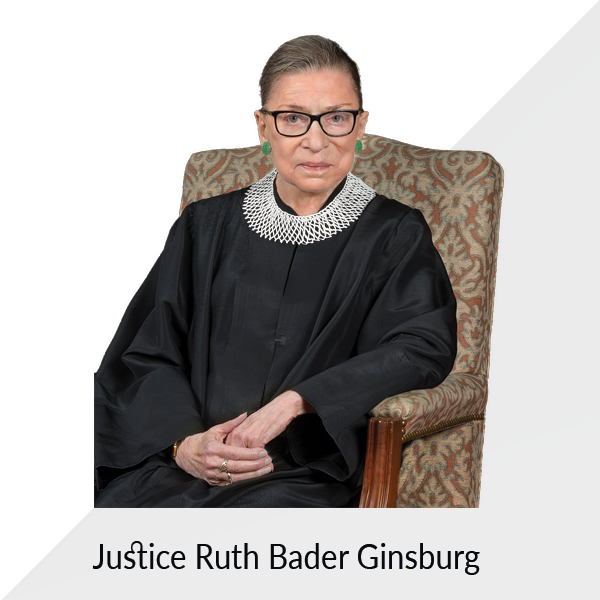
Justice Ginberg

In January of 2019, Russell accessed the medical records of U.S. Supreme Court Justice Ruth Bader Ginsburg even though Justice Ginsburg had not been referred as a possible organ donor. He took a screenshot of the records and then posted them on a message board called “4chan.” Ginsberg’s records quickly appeared on Twitter and YouTube, including her name and the exact dates and times when she received radiology, oncology, and surgical treatments at the Hospital between 2014 and 2018.

Hospital officials traced the search of Ginsburg’s records to one of Russell’s home computers. As soon as Russell was identified as a suspect, his access was denied by the Hospital. His request to have access restored was also denied. 

Tall Tales RBG

The Cat Made me Violate HIPAA Laws

Russell initially told federal agents that his “cats had run across his keyboard.” He later characterized this statement as a “nervous joke.” Russell said that he had no idea how his computer searched terms that produced the Justice’s records and that “everyone makes typos.”

Online users who viewed Ginsberg’s records promoted various antisemitic conspiracy theories. One theory was that Ginsburg had died in late 2018 and that democrats were hiding her death in order to deny President Trump an opportunity to appoint her replacement. A search of Russell’s computer also revealed a search for the term “dirty jew.”

An FBI agent said that she found an image on Russell’s hard drive that mimicked a poster for the film “Weekend at Bernie’s.” The caption said “Weekend at Ginsburg’s” and showed leaders of the U.S. House of Representatives propping Ginsburg up from both sides in a morbid play on how the movie characters covered up Bernie’s death so that they could use his beach house.

Ignorance of HIPAA Law is not a Defense

But, he didn’t even have that. The Chief Executive Officer of the transplant organization at the time the access occurred testified that coordinators like Russell had “no business being inside the chart” of patients who had not been referred to the organization. The CEO said that Russell was certainly aware of this prohibition because of numerous agreements he signed with his employer and the extensive training he received.

Lessons Learned

There are several important takeaways from this case. First, it is important to note that Russell had extensive training about the requirements of the HIPAA Privacy Rule. He also agreed to comply with these requirements. The temptation is great, but employees must be reminded not to succumb. In addition, practitioners should take note of the fact that Russell was criminally prosecuted. Since he was convicted, he faces up to twenty-two years in prison and fines in the tens of thousands of dollars. Serious business!

# # #

Elizabeth E. Hogue, Esq.

Elizabeth Hogue is an attorney in private practice with extensive experience in health care. She represents clients across the U.S., including professional associations, managed care providers, hospitals, long-term care facilities, home health agencies, durable medical equipment companies, and hospices.

©2024 by The Rowan Report, Peoria, AZ. All rights reserved. This article originally appeared in Healthcare at Home: The Rowan Report. One copy may be printed for personal use: further reproduction by permission only. editor@therowanreport.com

©2024 Elizabeth E. Hogue, Esq. All rights reserved.

No portion of this material may be reproduced in any form without the advance written permission of the author.

Patient Relationships Drive Satisfaction

Caring for the Caregiver

by Kristin Rowan, Editor

Caregiver Motivation

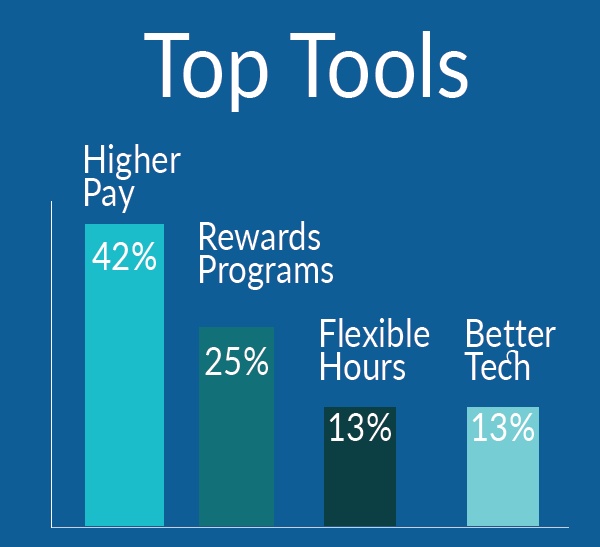
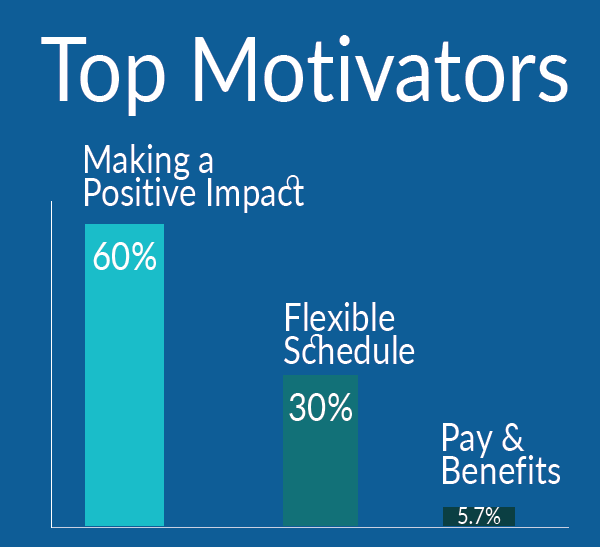
HHAeXchange recently conducted a survey of more than 3,900 caregivers. The company set out to understand caregiver motivation and to use this information to increase caregiver satisfaction and improve outcomes.

Highlights

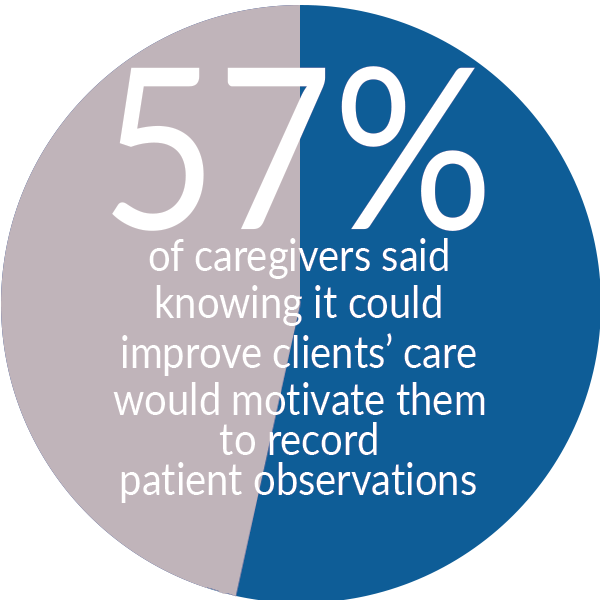
This data highlights the motivations of caregivers to improving health and wellness for their patients

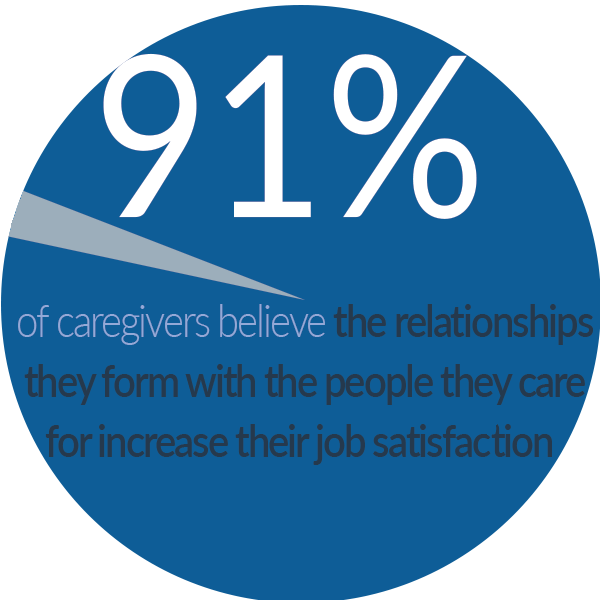
Caregiver Motivation Relationships
Caregiver Motivation client care
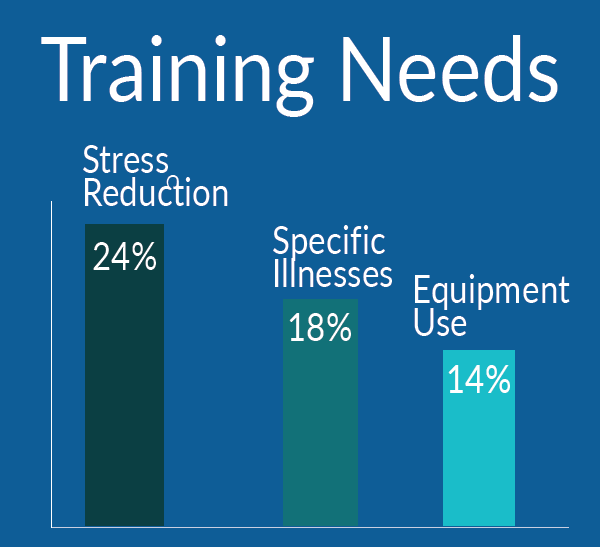
Caregiver Motivation Survey Training
Insights Survey Top Tools<br />
Insights Survey Top Motivators<br />

From HHAeXchange

While the challenges and demands of being a caregiver still remain – low compensation, feelings of stress and exhaustion, and risk of catching infectious diseases – this survey shows that caregivers remain committed to their work to improve the lives of their patients. As more individuals seek homecare options, the homecare industry must continue to evolve to ensure caregivers are given the resources and recognition they need to remain motivated and focused on patient care.

Stephen Vaccaro, President, HHAeXchange

For more details and information about the study, see the HHAeXchange press release.

Kristin Rowan, Editor

Kristin Rowan has been working at Healthcare at Home: The Rowan Report since 2008. She has a master’s degree in business administration and marketing and runs Girard Marketing Group, a multi-faceted boutique marketing firm specializing in event planning, sales, and marketing strategy. She has recently taken on the role of Editor of The Rowan Report and will add her voice to current Home Care topics as well as marketing tips for home care agencies. Connect with Kristin directly kristin@girardmarketinggroup.com or www.girardmarketinggroup.com

©2024 by The Rowan Report, Peoria, AZ. All rights reserved. This article originally appeared in Healthcare at Home: The Rowan Report. One copy may be printed for personal use: further reproduction by permission only. editor@therowanreport.com

Creating a Culture that Retains Employees

Admin

This article is part two of a two-part series. You can read part one here.

by Todd Austin and Sasha Erickson

3 Steps Towards Creating a Culture of Love that Retains Employees

In a study done on the “Culture of Companionate Love and Employee and Client Outcomes in a Long-Term Care Setting,” researchers found displaying warmth, affection, and connection had a tangible impact on employee turnover, resident outcomes, and family satisfaction.

Employees who felt they worked in a loving, caring work environment reported higher levels of satisfaction, increased teamwork, and showed up to work more regularly. But the effects of a companionate culture aren’t just felt by your employees.

Research shows that employees who work in a culture of love companionate culture directly related to client outcomes such as improved patient mood, quality of life, satisfaction, and fewer trips to the ER.

A culture like this is only made possible through a conscious effort from leadership to make their employees feel cared for and appreciated. To see similar results in your own business, start creating a culture of love.

Be an advocate for your employees' mental health

Contrary to popular opinion, an employee doesn’t leave their emotions at the door when they come into work. Especially if they work in a service-based industry like long-term and post-acute care.

The emotions an employee feels while caring on the job affects performance, customer and employee satisfaction, and care outcomes.

For example, if an employee is feeling stressed, frustrated, or disgruntled, they will either appear so as they’re caring for their residents and patients or be forced to put up a positive front on the outside while bottling up negative emotions on the inside. Whether these types of negative emotions are revealed in the open or held within, either outcome leads to low satisfaction and high employee turnover.

Instead, be an advocate for your employees’ wellbeing and mental health. Provide resources for mental health support and regularly check-in with your staff at important milestones. Offering competitive benefits, flexible hours, and paid time off encourages employees to tend to their own needs as well as others.

Broaden your company’s definition of culture

Culture is more than a staff break room with a foosball table. Your company’s culture will create itself, whether you’re in control of it or not.

Creating a healthy company culture requires deliberate and consistent actions from your leadership team. It is your goal to ensure that when your employees think about work on a Sunday night, they feel positive about coming to work every Monday morning. At Activated Insights, our approach centers on understanding and enhancing the employee experience through several key strategies:

    • Culture and Engagement Assessments
      • We regularly administer assessments to identify strengths and areas needing improvement to help us stay attuned to the evolving needs and perceptions of our employees.
    • Employee Focus Groups and Culture Audits
      • We have started administering focus groups and culture audits to gain real insights and solutions directly from our employees. These sessions create open lines of communication where employees can express their thoughts and ideas.
    • Prioritizing Employee Wellness
      • We offer unlimited PTO with mandatory minimums, including one mental health day off each quarter and a minimum of two weeks off per year with at least one period of five consecutive days off. This policy underscores our commitment to employee well-being, ensuring that they can balance work with personal life effectively.
    • Effective Communication and Leadership
      • Continuously communicating, modeling, and reinforcing the company’s vision, values, mission, and guiding principles is crucial. Leaders play a significant role in setting the tone and maintaining a positive culture by leading with transparency, empathy, and consistency.
    • Team Building and Collaboration
      • At Activated Insights our teams are often comprised of both in-office and remote employees. We encourage teams to get together at least annually. It’s imperative that companies are deliberate in providing opportunities for their teams to collaborate, build trust, and break down silos. We find that this improves overall job satisfaction and productivity.
    • Building Trust and Accountability
      • Trusting employees and treating them like adults to manage their work and personal demands is essential. By creating an environment of trust and accountability, we encourage employees to take ownership of their roles and contribute meaningfully to the organization’s success.

By focusing on these strategies, we ensure that our employees look forward to coming to work, feel valued and supported, and are motivated to contribute to a positive company culture.

Learn to speak your employees’ professional “love language”

If you don’t speak two languages, you won’t connect with your employees to make them want to stay.

While everyone communicates in their own way, if you don’t know the language your caregivers will listen to, your recognition efforts are going to waste.

But this isn’t the type of language Duolingo can teach you. Rather, every provider in the long-term and post-acute care industry should become fluent in appreciating their employees.

The Value of Communication

In 1992, Dr. Gary Chapman noticed a pattern of miscommunication after practicing couples’ counselling for years. He discovered that individuals often misunderstand one another’s needs by communicating how they would personally like to receive recognition, without taking the others’ needs into consideration. He concluded that how we respond to appreciation boils down to one of the following categories.

Learn how to speak your caregivers’ language of appreciation to increase caregiver retention, refine your leadership skills, and foster a culture of recognition:

Professional Love Languages

  • Words of Affirmation
    • Care employees ranked verbal recognition by a supervisor as their number one preferred form of recognition—and lack of communication from their employer as their top complaint. Actively seek out reasons you can praise your caregivers to boost company morale and foster a culture of gratitude:
      • Send handwritten thank you cards
      • Give your caregivers a shoutout in company newsletters or on social media
      • Recognize top performers using an employee of the month program to give everyone a chance to be in the spotlight
  • Receiving Gifts
    • While a raise may be outside of the company budget, 20.4% of caregivers mentioned smaller forms of monetary recognition as their chosen form of acknowledgement. Small bonuses for top performers, extra vacation time, or gift cards are simple forms of appreciation:
      • Give gift cards or free movie tickets
      • Give company branded clothing
      • Offer paid vacation time
  • Acts of Service
    • A care employee’s occupation is to literally provide service to those in need—but have you ever thought of ways to serve your care staff? Although it may seem counterintuitive to serve in a workplace where employees are paid, you can offer your staff the relief that they need by helping to shoulder some of their responsibilities:
      • Gather feedback and listen to how you can make their daily tasks or commute a little easier
      • Go the extra mile to make them smile by hosting random appreciation events where you can offer the company donuts, coffee, or even turkeys on Thanksgiving
  • Quality Time: Caregiving can be a very isolating job where they receive little social interaction with people other than their clients. Consciously create opportunities to spend quality time with your caregivers:
      • Hold group training events to create an environment where caregivers can ask questions and learn from fellow coworkers.
      • Schedule one-on-one meetings or lunches to build individual relationships with your caregivers and check in on how they are doing.
      • Support their learning and professional development by discussing your caregivers’ goals and needs

So, What Does Love Have to Do With It?

In short: everything.

Your ability to create a companionate culture of recognition for your care staff will be the difference that pulls you out of the revolving doors of recruitment and retention.

The quality of your leadership within your company directly impacts your quality of care for the long-term and post-acute care industry.

In 2024, spend more time consciously creating a companionate culture and start to see your employee retention and client satisfaction skyrocket.

# # #

Kristin Rowan, Editor

As a highly accomplished executive, Todd Austin, COO & President of Activated Insights, is recognized as a leading voice in the rapidly-growing care industry. With over a decade of experience in executive leadership roles, Todd brings a wealth of knowledge and expertise to his current position as a key member of the Activated Insights team.

With a background in sales, marketing, management, operations, and finance, Todd is a true Renaissance executive with a rare combination of strategic and tactical skills. His expertise in developing and implementing growth strategies, optimizing operations, and driving profitability has made him a sought-after advisor to many organizations.

Sasha Erickson is the Director of Talent at Activated Insights, formerly HCP. With over 10 years of experience in human resources across a variety of industries, Sasha has worked with organizations ranging from small businesses to Fortune 500 companies. She graduated Summa Cum Laude from Utah State University with a degree in Business Administration and minors in Human Resource Management, Marketing, and Finance.

Sasha’s career history includes roles at Avant Guard Monitoring Centers, Goldman Sachs, Schreiber Foods, JBS and Pilgrim’s Pride Corporation, RR Donnelley, and Denver Public Schools. Her expertise spans talent acquisition, employee engagement, culture development, HCM software implementation, and strategic HR management.

©2024 by The Rowan Report, Peoria, AZ. All rights reserved. This article originally appeared in Healthcare at Home: The Rowan Report. One copy may be printed for personal use: further reproduction by permission only. editor@therowanreport.com

What’s Love Got to Do with It?

Admin

This article is part one of a two-part series from Activated Insights, formerly Home Care Pulse. Come back next week for the continuing story. Read more about Caring for the Caregiver here

by Todd Austin and Sasha Erickson

How to Create a Culture that Keeps Your Employees from Breaking Up with You

Healthcare employees admit that the 3 main factors contributing to the most stress at work are:

    • Concerns about being trainied for the required workload
    • Worries about job security
    • Finding the time to balance work and personal life

As a result, almost 60% of those working in the healthcare space reported their self-assessed level of burnout to be between moderate and very high—which can be attributed to the high-level emotional investment required for the job.

Post-Acute Turnover

While the long-term and post-acute care is one of the fastest growing industries in the nation, it also ranks in the top 5 workforces with the highest turnover.

Fortunately, the care employee burnout crisis is fixable.

The cure?

Treating our staff, and ourselves, with a little more conscious compassion.

It's Not You, It's Me

The Long-Term Effects of Unappreciation

For most other industries, employee turnover peaks at one year.

But for the long-term and post-acute care industry, 40% of turnover occurs within an employee’s first 100 days.

Which isn’t leaving much room for providers to retain their staff. According to the 2024 Activated Insights Benchmarking Report, annual care staff turnover increased by 14% within the last two years, averaging a total of 79.2%.

But there is hope in the data.

What if we told you that simply thanking your care staff more could get them to stay longer than 3 months?

According to the Benchmarking Report, recognition received the lowest satisfaction score from employees. Care staff are most dissatisfied with the appreciation they’re receiving after a job well done, followed by feeling inadequately prepared for the field.

Activated Insights Culture

Not only are feelings of unappreciation causing turnover rates to skyrocket, it’s also having a detrimental impact on the state of the industry.

As a result of not feeling appreciated or recognized for the work they do, your employees may be showing warning signs of impaired grief processing:  

    • Irritability or anger
      • oddly negative behaviors or attitudes that are uncharacteristic for the employee
    • Obsessive thoughts
      • rumination over certain patients or issues that is constantly brought up and seems to never be resolves
    • Hyper alertness or overreactive behaviors
      • intense, erratic behaviors or excessive attention to work that is unwarranted or outside of the normal response
    • Self-harming behaviors
      • gravitation to overworked, exhaustive behaviors e.g. refusing to take breaks, taking on added tasks unnecessarily
    • Apathy or numbness
      • lack of reaction to items that would normally cause a response, decrease in emotions, or refusal to address difficult emotions

Contrary to popular opinion, an employee doesn’t leave their emotions at the door when they come into work. Especially if they work in a service-based industry like long-term and post-acute care.

The emotions an employee feels while caring on the job affects performance, customer and employee satisfaction, and care outcomes.

For example, if an employee is feeling stressed, frustrated, or disgruntled, they will either appear as they’re caring for their residents and patients or be forced to put up a positive front on the outside while bottling up negative emotions on the inside. Whether these types of negative emotions are revealed in the open or held within, either outcome leads to low satisfaction and high employee turnover.

Instead, be an advocate for your employees’ wellbeing and mental health. Provide resources for mental health support and regularly check-in with your staff at important milestones. Offering competitive benefits, flexible hours, and paid time off encourages employees to tend to their own needs as well as others.

# # #

Todd Austin Culture

As a highly accomplished executive, Todd Austin, COO & President of Activated Insights, is recognized as a leading voice in the rapidly-growing care industry. With over a decade of experience in executive leadership roles, Todd brings a wealth of knowledge and expertise to his current position as a key member of the Activated Insights team.

With a background in sales, marketing, management, operations, and finance, Todd is a true Renaissance executive with a rare combination of strategic and tactical skills. His expertise in developing and implementing growth strategies, optimizing operations, and driving profitability has made him a sought-after advisor to many organizations.

Sasha Erickson is the Director of Talent at Activated Insights, formerly HCP. With over 10 years of experience in human resources across a variety of industries, Sasha has worked with organizations ranging from small businesses to Fortune 500 companies. She graduated Summa Cum Laude from Utah State University with a degree in Business Administration and minors in Human Resource Management, Marketing, and Finance.

Sasha’s career history includes roles at Avant Guard Monitoring Centers, Goldman Sachs, Schreiber Foods, JBS and Pilgrim’s Pride Corporation, RR Donnelley, and Denver Public Schools. Her expertise spans talent acquisition, employee engagement, culture development, HCM software implementation, and strategic HR management.

©2024 by The Rowan Report, Peoria, AZ. All rights reserved. This article originally appeared in The Rowan Report. One copy may be printed for personal use: further reproduction by permission only. editor@therowanreport.com

Sasha erickson Culture

Managed Care Plans: How to Meet Their Needs

Clinical

by Elizabeth E. Hogue, Esq.

What do Managed Care Plans Really Want from Providers of Services to Patients in Their Homes?

Medicare Managed Care Plans have a long history of disinterest in provision of services to patients in their homes. Despite the fact that they are mandated to provide the same services that enrollees in Medicare fee-for-services receive, they just haven’t done it. Common practices among Plans of draconian, untimely preauthorization processes and doling out authorizations for visits a few at a time make it clear that Plans have seen no real value in services to patients at home.

OIG Investigates

Plans, of course, should have been very interested in services at home. These services save money and keep patients at home where they want to be. Services at home are just generally a beautiful thing!

At the same time, it’s fair to say that the Office of Inspector General (OIG) of the U.S. Department of Health and Human Services (HHS), the primary enforcer of fraud and abuse prohibitions, has Medicare Managed Care Plans in its crosshairs. A key area of concern for the OIG is that Medicare Managed Care Plans make visits to patients in their homes looking for additional diagnoses so that the Plans will receive more money per patient. The OIG is especially critical of this practice because review of medical records of patients who received visits at homes and whose acuity increased as a result never received any care for these new diagnoses.

Managed Care Plans

Managed Care Plans in the News

The Wall Street Journal recently reported that between 2018 and 2021 Plans received $50 billion for diagnoses added to members’ charts, at least some of which resulted from visits to patients in their homes.

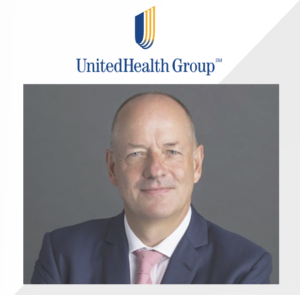
After years of disinterest, Plans are now quite interested in at home services. Is it possible that Plans’ newfound interest is related to a desire to increase revenue through home visits? It appears so. Take, for example, comments by the CEO of UnitedHealth Group, Andrew Witty, during an investment call on July 16, 2024.

Managed Care Plan Responds

Managed Care Plans

UnitedHealth Group CEO Andrew Witty

Mr. Witty reported to investors that staff made more than 2.5 million home health visits to Plan members in 2023. “As a direct result, our clinicians identified 300,000 seniors with emergent health needs that may have otherwise gone undiagnosed,” Mr. Witty said. “They connected more than 500,000 seniors to essential resources to help them with unaddressed needs.”

Former UnitedHealth employees told The Wall Street Journal that home visits were used to add diagnoses to patients’ records. They said that clinicians used software during visits that offered suggestions about what illnesses patients might have.

It now looks like it’s possible that at-home care is being hijacked by Medicare Advantage Plans to help Plans engage in practices that the OIG views as questionable. 

Please say it ain’t so!

Elizabeth E. Hogue, Esq.

Elizabeth Hogue is an attorney in private practice with extensive experience in health care. She represents clients across the U.S., including professional associations, managed care providers, hospitals, long-term care facilities, home health agencies, durable medical equipment companies, and hospices.

©2024 Elizabeth E. Hogue, Esq. All rights reserved.

No portion of this material may be reproduced in any form without the advance written permission of the author.

HHAeXchange: An Interview with Paul Joiner

Caring for the Caregiver

by Kristin Rowan, Editor

Paul Joiner Talks to The Rowan Report

The care at home industry changes seemingly daily with new regulations, HH agencies opening and closing, more people qualifying for Medicare, technological advances like artificial intelligence, and the list goes on. Since 2008, HHAeXchange has been part of the change and growth of the industry. This week, The Rowan Report sat down with CEO Paul Joiner to discuss HHAeXchange’s recent changes, upcoming changes, and acquisitions. 

Cashé Software

On June 18, 2024, HHAeXchange announced the acquisition of Cashé Software, a Minnesota-based solution for homecare operations and billing. The merging of these two companies yields expanded ability to help homecare providers and billers with compliance, streamlined billing, and optimized workforce management.

Generations Homecare System

Just three weeks later, on July 8, 2024, HHAeXchange announced the acquisition of Generations Homecare System, an all-in-one homecare agency management software solution that connects care teams, simplifies daily tasks, and maintains compliance. This pairing aims to drive innovation and excellence in homecare.

Minnesota Office and Call Center

Ten days after the acquisition of Generations, HHAeXchange announced the opening of a new office and call center in Bloomington, MN. The office will offer localized, skilled agents to provide timely, efficient, and responsive customer support. This location will also be a home base for HHAeXchange employees who work remotely in the area and will provide job opportunities and growth in Bloomington.

Paul Joiner: On the Record

Paul Joiner became the CEO of HHAeXchange in March of 2023. Joiner came to HHAeXchange after serving as CEO in the substance abuse and mental health space. We sat down with Paul this week to talk about his position, the recent acquisitions, and future plans for HHAeXchange.

The Rowan Report:

HHAeXchange has gone through significant change and growth just in the last couple of months. Can you tell us about some of the plans you made for HHAeXchange?

Paul Joiner:

A lot of the growth was keyed up when I came on board. I just took it to the finish line. Implementing growth effectively required some changes. There is some pressure in this industry to evolve quickly.

RR:

What are some of the challenges you faced?

Joiner:

The current issues of recruiting, onboarding, retention, and training put a lot of pressure on technology solutions. And the pace of that change makes it harder for tech solutions to keep up.

Paul Joiner, CEO, HHAeXchange

Paul Joiner, CEO, HHAeXchange

XRR:

Did that drive the strategy behind your recent acquisitions?

Joiner:

Looking at strategy in the context of current challenges: finding people who understand the space and finding knowledge applied in technology is not easy to find or to develop organically. Then we find businesses like Cashé where we like the people, their position, their geography, and they have pieces that will help us build toward our vision of being the leader in Medicaid homecare and driving value and efficiency.

RR:

What does acquiring Cashé do for HHAeXchange?

Joiner:

Well…I can’t tell you, because it’s part of a strategy that comes with a bigger reveal. But I can tell you that acquiring Cashé is part of our technology lift. They have built a new technology with modern architecture. We will use that as a starting point to provide an additional offering in the marketplace. Cashé enables us to build faster, and innovate faster. While we continue to invest in HHAeXchange, Cashé gives us a head start on modern tech that can be added to our current offerings, or sold as a stand-alone solution.

RR:

And what about Generations?

Joiner:

Generations is a great business that has put business logic and rules into their technology. They also have a geographical presence where HHAeXchange does not.

RR:

How did this rapid growth of two acquisitions and a new call center impact HHAeXchange?

Joiner:

Taking on this much change created the need for improved communication across three organizations. That communication helped us provide a better narrative for Cashé and Generations employees who may have been a little nervous about the change.

RR:

You must have some really great teams in those three organizations to navigate these changes.

Joiner:

We have a great team. There are a lot of people we’ve brought on board in the last two years as we continue to grow along with the incredible team of people who have been at HHAeXchange much longer. We’re comfortable dealing with scale, size, and complexity, so the changes didn’t overwhelm us.

RR:

What does future growth look like for HHAeXchange?

Joiner:

We will probably continue to acquire companies. Maybe not multiple companies in a matter of weeks, but we will continue when the opportunity arises. The spirit behind our strategy is to focus on what our customers need. We are in a position in the market to have a big responsibility to be good stewards, help our customers, caregivers, and agencies, and improve the quality of life for patients.

HHAeXchange is focused on getting the right technology into the hands of caregivers. We’ve already done EVV and point-of-care well. Can we make a difference now in how they are onboarded and scheduled? Can we make a difference in billing and how they’re getting paid? That requires acquisitions and investing organically.

RR:

Any final remarks on what the future holds for HHAeXchange?

Joiner:

Part of our vision board is building a community of caregivers through technology. The good agencies are trying to figure out how to think as much about the caregiver as they do for the people receiving care. Turnover and training is so hard, so we need to invest in our caregivers.

We also need to be a better supplier of data to arm agencies and health plans with the data they need so they can have useful discussion around the date and how they’re supporting caregivers. I’m sad sometimes because agencies don’t get enough financial support for their effort. The industry can be doing more for their caregivers.

We take our responsibility to do the right thing seriously. Because of this, we are investing in the space and we want more options so we can be better for the industry. Our intention is to make a difference.

RR:

Thank you, Paul for talking with us today. 

About HHAeXchange

Founded in 2008, HHAeXchange is the leading technology platform for homecare and self-direction program management. Developed specifically for Medicaid home and community-based services (HCBS), HHAeXchange connects state agencies, managed care organizations, providers, and caregivers through its intuitive web-based platform, enabling unparalleled communication, transparency, efficiency, and compliance. For more information, visit hhaexchange.com or follow the company on TwitterLinkedIn and Facebook.

# # #

Kristin Rowan, Editor

Kristin Rowan has been working at Healthcare at Home: The Rowan Report since 2008. She has a master’s degree in business administration and marketing and runs Girard Marketing Group, a multi-faceted boutique marketing firm specializing in event planning, sales, and marketing strategy. She has recently taken on the role of Editor of The Rowan Report and will add her voice to current Home Care topics as well as marketing tips for home care agencies. Connect with Kristin directly kristin@girardmarketinggroup.com or www.girardmarketinggroup.com

©2024 by The Rowan Report, Peoria, AZ. All rights reserved. This article originally appeared in Healthcare at Home: The Rowan Report. One copy may be printed for personal use: further reproduction by permission only. editor@therowanreport.com

Recruitment, Retention, and Reward: Product Review

Admin

by Kristin Rowan, Editor

Caregiver Recruitment, Retention, & Reward

The workforce shortage, caregiver burnout, after effects of the pandemic, and the advent of “quiet quitting” have impacted home care agencies’s ability to fully staff and care for their patients. Hiring new caregivers is not always an options. Agencies must put time and effort into recognizing, rewarding, and retaining their existing caregivers and clinicians.

The Rowan Report recently came across a company that is helping agencies do just that and we had an opportunity to sit down with their founder.

How it Started

Victor Hunt’s grandmother was a career nurse who started her own home care agency. However, the operation was too hard for her to handle on her own. She made the difficult decision to close the agency and go back to shift work. Victor realized that we need more home care agencies. But, he knew there had to be a way to help the people who have “home care heart” and can provide great care. There had to be an easier way.

Home Care Immersion

Before Victor and his team could address the difficulties faced by home care agency owners, they first had to understand them. With his co-founder Dan, Victor embedded himself into home care agencies. They took shifts, followed schedulers and recruiters, and experienced the problems up close. During this process, they got to know one agency in particular and one caregiver who was a rockstar. She picked up shifts, did training, contributed the company culture, visited patients in the hospital, and had referred more than 100 caregivers to the agency. In short, she was the home care clinician all agency owners want.

Her Name was Ava

Using this rockstart clinician, Victor and Dan set out to create a system that could turn every caregiver into an “Ava” and make every agency one that caregivers like Ava would want to work for. The mission of Victor’s and Dan’s company is to “make home care agencies destination employers.”

The Problem Statement

Home care agencies suffer from high turnover rates and performance challenges. THere is a lot of legwork that needs to be done to fill in the gaps and fix what isn’t done well. According to Victor, it comes down to a challenge of engagement and morale. Being a home care clinician is a lonely and thankless task. Caregivers can feel stuck in their career track unless they are actively pursuing higher credentials. The problem home care agency owners face is:

“How do we engage employees so their work feels recognized and meaningful?”

The Solution is Ava

The Ava team surmised that in order for caregivers to feel valued and appreciated, something had to give. The question, they wondered, was whether it would be margins or administrative overhead. AI was at the center of these conversations. But, traditional EMRs limit the implementation of AI solutions.

Recognition and Rewards

Because EMRs limit AI applications, Ava is an app but is also a stand-alone system that operates in a mobile browser. No download is required for use, yielding an 85-90% adoption rate within agencies offering Ava.

Ava connects to the existing EMR first to import data. Then, agency owners create their own rule sets. This offers incentives and engagement around specific metrics the agency wants to see. Examples include attendance, timeliness, number of hours, documentation, and completed training. 

Ava will then assign, track, and reward milestones based on the rules set for the agency. Clinicians earn points that can be redeemed directly from the Ava store with more than 100 participating vendors. Agencies can also add internal rewards like branded merchandise, PTO, and raffle tickets. Rewards can be redeemed in $5 increments. 

Recruitment, retention, and reward AVA

Communication

Ava includes automated messaging to recognize employees without taking valuable time away from administrators. The app sends recognition texts to all staff to congratulate clinicians for reaching certain benchmarks. Announcements can be sent by email or SMS to all employees at once. Additionally, Ava includes HIPAA compliant two-way communication between agency and staff.

Additionally, administrators can create groups within the system to send mass reminders to specific people. For example, you may create a group that includes all employees whose driver’s license will expire in the next 60 days. Within that group, reminders are sent to ensure updated information is added to the employee file. The system updates automatically each week, adding and removing employees from the group based on the criteria created. 

Surveys are a great way to keep a pulse on the level of commitment and satisfaction your employees have. Studies suggest that engagement is a large factor in why employees leave their workplace. Ava includes pre-built survey templates but also allows you to crete a survey using an AI query. The survey questions and answers are customizable, can be “required”, set to “read only”, and can include a comment box to gain additional insights. Administators can filter survey responses to only see a certain type of answer.

Marketing

Recruitment, retention, and reward AVA

Referrals from employees is not a new concept. However, it is not always a visible part of your recruiting strategies. Ava has a referral bonus program with automated milestones. The bonus program spreads the referral bonus out across multiple agency milestones. 

Ava also allows for manual tracking of Google Reviews or any other event or milestone where clinicians can be measured, tracked, and rewarded. 

Customizable on Multiple Fronts

In addition to the custom survey questions and benchmarks, Ava includes custom naming conventions to track clinicians. One agency uses the term “activity tag” to categorize achievements. If your agency already uses different terminology, that can be added to the system. 

Currently, Ava operates and switches between seven different languages. Additional languages can be added to the system and Ava can support those as well. 

Recruitment processes are also customizable. Agencies can give candidates access to the system during the hiring process and they can earn points for attending the interview, completing onboarding paperwork, finishing the first training shift, or other measures. This allows the agency to reward a new employee with, for example, a coffee gift card by the end of their first day. 

Track and Reward Your Top Employees

When your agency finds an exemplary employee, the unicorn, the “Ava”, keeping them becomes a top priority. Finding and training new employees is costly and time consuming. It is far easier and less expensive to reward your current high-achievers.

Badges

In addition to daily, weekly, and monthly goals, Ava has a tier system called “Badges.” Badges are long-term drivers of engagement, satisfaction, and success. The current badges are Orange (Avas brand), Silver, and Gold. There are points multipliers at each level. 

Once an employee reaches a badge level, they have to maintain a consistent 90% goal completion rate in daily, weekly, and monthly goals in order to maintain their badge level. Loss aversion to lowering back down a level encourages a high completion rate of other tasks. 

Training

Caregivers and clinicians should be constantly learning to stay ahead of the newest trends and technologies in the industry. Ava includes learning management system (LMS) integrations with several of the top training companies in the industry. Clinicians can access learning modules through the app or browser and can earn rewards by completing training modules based on individual agency settings. 

Reporting

Reports within the system go beyond badges and benchmarks. The system consolidates reporting from various data sources and allows you to see your business health at a glance. These reports can help catch burnouts before they happen, focus performance improvement plans, and automate process than can save an agency hundreds of thousands, if not millions, of dollars per year.

Limitations

Like most software solutions, the first iteration of a usable system is never the last version. Ava has already integrated with WellSky and can access several other EMRs. As they continue onboarding customers, the team at Ava is very open to the suggestions of their users and will continue adding features.

Some current limitations we noticed in our intial demo:

The badge system has only three levels. Longer term employees may want to see higher badge levels to maintain motivation. Victor noted that AI systems can help add account-specific customizations.

The app is designed for caregivers and clinicians. There is not currently a model for back-office administrators and support staff. While some customization could make the app usable for the back-office, it is not designed with them in mind.

Mass messaging through email or SMS is limited to one-way, read-only communication. There is an option to add “likes,” but currently there is no option for a group or individual to respond, even privately to a company-wide announcement.

The two-way communication is limited to internal staff. Employees cannot communicate with patients from the app to advise them of their arrival time, reschedule an appointment, or ask questions before an appointment.

The manual tracking of Google reviews is not scalable.

When The Rowan Report sat down with the team at Ava, we asked about some of these limitations and additional ideas for future iterations of the program. Victor and his team have already hired at least one person to focus on new feature requests.

Final Thoughts

Gamification is not a new concept in many industries. In fact, most of us probably have a memory of a teacher or parent with an activity board to earn stars for tasks completed. We’ve been unknowingly using gamification for many years. 

Smart phones, advancing technologies, and AI have increased the adoption of gamification and is infiltrating the care at home world quickly. The ongoing workforce shortage will make implementing these types of gamified systems even more important for an agency’s financial well-being. 

Ava may not be the first of its kind, but it has shown innovation and ingenuity in it application. If your agency is looking for ways to reward employees, needs to stand out among rival employers, is looking to reduce administrative costs, or needs a simpler way to see reports and statistics from multiple sources, Ava may be a viable solution. 

We see great things coming with future iterations of the app and the software and I’m sure this is not the last we will here of Ava. For more information, visit joinava.com.

# # #

Kristin Rowan, Editor

Kristin Rowan has been working at Healthcare at Home: The Rowan Report since 2008. She has a master’s degree in business administration and marketing and runs Girard Marketing Group, a multi-faceted boutique marketing firm specializing in event planning, sales, and marketing strategy. She has recently taken on the role of Editor of The Rowan Report and will add her voice to current Home Care topics as well as marketing tips for home care agencies. Connect with Kristin directly kristin@girardmarketinggroup.com or www.girardmarketinggroup.com

©2024 by The Rowan Report, Peoria, AZ. All rights reserved. This article originally appeared in Healthcare at Home: The Rowan Report. One copy may be printed for personal use: further reproduction by permission only. editor@therowanreport.com
HIPAA Violations

Clinical

by Elizabeth E. Hogue, Esq.

Mom Needs More Fiber?

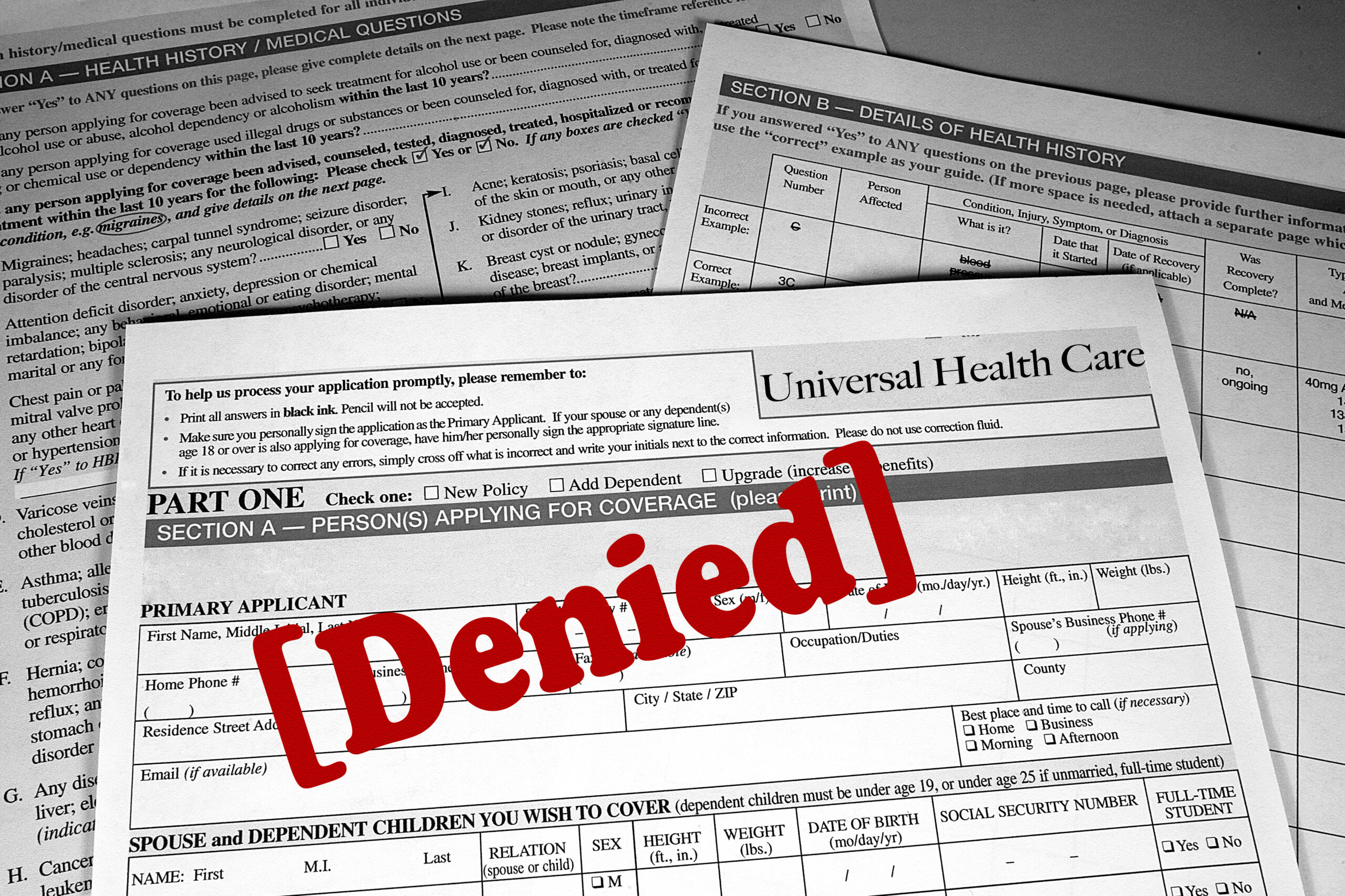
Imagine that a celebrity receives care where you work and curiosity gets the better of you, or someone you know is admitted and you would love to know the details. It’s oh so very tempting! So, you access records of care provided to patients that you have no legitimate need to view. The HIPAA police are on it! Because let’s not forget that the HIPAA Privacy Rule is a criminal statute.

An emergency room physician, for example, pled guilty to illegally obtaining the personal health information of multiple individuals. He was convicted of one count of wrongfully obtaining individually identifiable health information under false pretenses. The physician received a resident physician license and participated in an emergency medicine residency program at a university hospital. He worked in the emergency room of two hospitals in the university system.

The doctor used his access as a resident physician to the hospitals’ electronic health record to access the records of two patients without their knowledge or consent. He was never the patients’ physician. The patients were not receiving care in the emergency rooms where the doctor worked at the time he accessed the records.

HIPAA Violations Oops

The doctor also admitted that he sent a photograph to someone else of one of the patients wearing a hospital gown in which the patient’s rectum was hanging out of the patient’s body. And now for the “best” part: the doctor also admitted that he falsely wrote in a letter that he sent the picture of the patient with a prolapsed rectum to his mother to remind her of the importance of fiber intake! 

Do you remember the comedian, Flip Wilson, who repeatedly claimed that the devil made him do it? When it comes to accessing patients’ medical records in violation of HIPAA, you must “put the devil behind you!” Protecting patients’ private health information is serious business – serious criminal business. Be vigilant! 

By the same token, providers must also always remember that the HIPAA Privacy Rule isn’t just about protecting health information; it’s also about giving appropriate access to it. In the zeal to protect information, it anecdotally seems that practitioners have lost sight of the fact that access to information is at least as important as protection of information. In fact, the Office for Civil Rights, the federal enforcer of HIPAA violations, has focused on denial of access in enforcement actions for the past several years. 

Remember that, however tempting the information you would like to have may be, temptation pales in comparison to jail time!

# # #

Elizabeth E. Hogue, Esq.

Elizabeth Hogue is an attorney in private practice with extensive experience in health care. She represents clients across the U.S., including professional associations, managed care providers, hospitals, long-term care facilities, home health agencies, durable medical equipment companies, and hospices.

©2024 Elizabeth E. Hogue, Esq. All rights reserved.

No portion of this material may be reproduced in any form without the advance written permission of the author.

A New Path for Recruitment and Retention

Admin

by Kristin Rowan, Editor

Recruitment and Retention amidst the national workforce shortage is not a new topic for The Rowan Report. We have feature articles dating back months, even years, talking about how you can recruit the top talent in the industry and keep the best employees you have. A lot of companies look at wages as the driving force for retention of great employees. While there is some merit to that idea, wages are not always the strongest indicator of employee satisfaction. In fact, happy employees say it would take a substantial (more than 30%) raise to get them to leave a great workplace.

The reality for many home health agencies (HHAs) is that higher wages are not always possible with the rising costs of everything else and the lower reimbursement rates from CMS. HHAs have to be creative in their recruitment and retention strategies and find new ways to engage their staff. Incentivizing staff outside of wage increases is becoming a standard part of recruitment and retention strategies and we’ve seen several of these companies popping up recently. And we’re not the only ones who have noticed.

The Rowan Report met with the team at Ava and will have a product review for you next week. In the meantime, you can read the press release from Wellsky here.

About Wellsky

Recruitment and Retention Wellsky Ava

Wellsky, a leading home health technology company, has been focusing on patient-centered coordinated care. The software for home health includes intake, scheduling, care delivery, claims management, analytics, and more. Recently, Wellsky has included caregiver retention as part of their platform, in a partnership with Ava.

About Ava

Ava is a home-care-focused employee management solution that personalizes your employee incentives and sends automated reminders to your staff. Together, Wellsky and Ava created “TeamEngage”, using Ava’s platform connected directly to your workflows. WellSky Team Engage promises to improve retention, incentivize productivity, capture engagement insights, and allow you to hire more efficiently.

Recruitement and Retention Ava Stats

# # #

Kristin Rowan, Editor

Kristin Rowan has been working at Healthcare at Home: The Rowan Report since 2008. She has a master’s degree in business administration and marketing and runs Girard Marketing Group, a multi-faceted boutique marketing firm specializing in event planning, sales, and marketing strategy. She has recently taken on the role of Editor of The Rowan Report and will add her voice to current Home Care topics as well as marketing tips for home care agencies. Connect with Kristin directly kristin@girardmarketinggroup.com or www.girardmarketinggroup.com

©2024 by The Rowan Report, Peoria, AZ. All rights reserved. This article originally appeared in Healthcare at Home: The Rowan Report. One copy may be printed for personal use: further reproduction by permission only. editor@therowanreport.com

The Future of Care at Home

Admin

by Kristin Rowan, Editor

Home Nurses are joining unions. The advent and unionization of Hospital-at-Home (H@H) is changing the care at home landscape. Large hospital systems across the country have engaged in H@H studies and launched H@H programs, providing hospital-level ambulatory services in their communities. As H@H continues to take a foothold in the healthcare landscape, what do those changes mean for care at home?

Hospital at Home Popularity

Most of the existing H@H programs are operating under a CMS waiver. A few of the H@H programs use a private pay model. The CMS waiver needs to be extended in order to continue the programs. As many H@H organizations are pushing for CMS to extend the waiver, they are looking to patients for advocacy.

A recent survey by Vivalink showed that 84% of U.S. individuals over the age of 40 are interested in H@H monitoring after a hospital visit so they can return home sooner. 77% of respondents said they would trust a recommendation that included at-home monitoring. Respondents who had been hospitalized three or more times in the past 12 months were more interested in H@H programs than those who had been hospitalized less.

Massachusetts Ambulatory Nurses Unionize

On May 20, 2024, 33 ambulatory nurses from Martha’s Vineyard Hospital (MVH) filed with the National Labor Board to join a union that is already active within the hospital, the Massachusetts Nurses Association (MNA). The MNA currently represents 23,000 hospital workers from 85 healthcare facilities across the Commonwealth of Massachusetts. The hospital denied the request to join the union. The group of ambulatory nurses joined MVH through an acquisition of a physician’s group. Therefore, those nurses were not recognized under the existing collective bargaining agreement.

Hospital-at-Home Nurses at Mass General Unionize

The Hospital-at-Home nurses at Mass General Brigham (MGB) have unionized in the hopes of influencing the future of in-home acute care. They are also hoping this will encourage more people working in home healthcare to join unions. In the last seven months of 2023, almost half of all registered nurses working in home health care and non medical care at home left their jobs within a year. One registered nurse from MGB said she hopes HaH nurse unions become more common as HaH expands across the country.

The clinicians in the MGB home care segment are hoping to follow the H@H group into unionization soon. The home care segment, which includes home health, palliative, and other care at home services, are currently voting on whether to unionize.

Hospital-at-home nurses unionize at Mass Gen

Among the listed reasons for considering unionization are changes in expectations on productivity, and wages. Some of the more recent changes at MGB were rolled out across the company and did not take into consideration the territories and limitations that care at home clinicians have. More than 400 clinicians are in the care at home side of MGB and they have all received ballots to vote on unionization.

Home Health Unionization

hospital-at-home changing home health unions

The nature of care at home clinicians is disparate. Therefore, it is difficult to organize them into one cohesive group. Recently, though, more home health workers are looking to service workers and healthcare workers unions for better pay, better working conditions, and more buy-in on the day-to-day operations of the agency.

Opponents of unionization among home health clinicians argue that pay rates are largely set by CMS reimbursement rates. Employers may want to raise rates but are unable to do say because they accept Medicare and Medicaid. Home health unions could force employers to pay more than the set CMS rates.

CMS Response to Union Backlash

Otherwise known as the 80/20 rule, CMS responds to agencies worried about unionization with a mandate to pay their workers 80% of total Medicaid payments. Some agency owners say the proposed rule ignores the low reimbursement rates and further burdens agencies that are barely making a profit now. It is unlikely that CMS will see the unionization of home health clinicians as a reason to increase reimbursement rates. Experts advise agencies to start working on contract negotiations within the VBPM, to engage in risk-sharing and cost-benefit analyses with all parties within the VBPM. For example, Remote Patient Monitoring (RPM) is Medicare reimbursable, but not through home health use. However, a home health agency can share the benefits of RPM when it is billed through an approved provider for Medicare reimbursement. These strategies can lower overall care costs, increasing the share of reimbursement flowing to HHAs.

Maximize VBPM with Technology

Technologies available today include RPM, generative AI for data analytics, automated scheduling, and apps for secure communication, among others. Technology can lower overhead costs, allow you to eliminate some FTEs, and provide added value to providers during contract negotiations. If you don’t already have a robust tech-stack, look at some of our most recent product reviews, or contact The Rowan Report for more information about technology adoption consultations.

# # #

Kristin Rowan, Editor

Kristin Rowan has been working at Healthcare at Home: The Rowan Report since 2008. She has a master’s degree in business administration and marketing and runs Girard Marketing Group, a multi-faceted boutique marketing firm specializing in event planning, sales, and marketing strategy. She has recently taken on the role of Editor of The Rowan Report and will add her voice to current Home Care topics as well as marketing tips for home care agencies. Connect with Kristin directly kristin@girardmarketinggroup.com or www.girardmarketinggroup.com

©2024 by The Rowan Report, Peoria, AZ. All rights reserved. This article originally appeared in Healthcare at Home: The Rowan Report. One copy may be printed for personal use: further reproduction by permission only. editor@therowanreport.com

Preventing Violence: More Action Items

Admin

By Elizabeth E. Hogue, Esq.

Violence in Healthcare

According to a recent analysis of Bureau of Labor Statistics data, healthcare is one of the most dangerous places to work. Homecare field staff members who provide services on behalf of private duty agencies, hospices, Medicare-certified home health agencies, and home medical equipment (HME) companies may be especially vulnerable. Contributing to their vulnerability is the fact that they work alone on territory that may be unfamiliar and over which they have little control. Staff members certainly need as much protection as possible.


Preventing Violence Bureau of Statistics Graph

Must-Haves

First, regardless of practice setting, management should develop a written policy of zero tolerance for all incidents of violence, regardless of source. The policy should include animals. The policy must require employees and contractors to report and document all incidents of threatened or actual violence, no matter how minor. Emphasis should be placed on both reporting and documenting. Employees must provide as much detail as possible. The policy should also include zero tolerance for visible weapons. Caregivers must be required to report the presence of visible weapons.

Below are some additional important actions for healthcare organizations to take that are based on UCHealth’s SAFE Program:

  • Encourage staff members to STOP if they feel unsafe for any reason.
  • Workers should pause to generally ASSESS their environments. Staff members should think about what has happened and observe what is currently occurring. Is there, for example, mounting frustration or anger?
  • Staff should then FAMILIARIZE themselves with the room. Who is the patient? Where is the patient? Are there any factors that might escalate behaviors? Staff members should also consider putting themselves in positions where they have a route to escape, if necessary.
  • Practitioners should also ENLIST help. Getting help may, for example, include pushing panic buttons on mobile devices.

Here is what Chris Powell, Chief of Security at UCHealth said in Becker’s Hospital Review on June 4, 2024:

“You can’t just talk about the shrimp and give you a good picture. We have to talk about the roux and the rice and everything else that goes into this for a good picture to be painted so people have an understanding. We want to solve this with an electronic learning or a 15-minute huddle, but we can’t. This is continuous and a persistent pursuit toward educating, communicating, recognizing, responding to, reporting and recovering from workplace violence.”

Every caregiver matters. The healthcare industry has lost caregivers to violence on the job in the past. Let’s not repeat these terrible events.

©2024 Elizabeth E. Hogue, Esq. All rights reserved.
No portion of this material may be reproduced in any form without the advance written permission of the author.

Florida Hospice Teaches Dementia Care by Simulating Dementia

Clinical

by Tim Rowan, Editor Emeritus

“This [virtual dementia] tour opened my eyes to the reality of what a dementia patient lives with every day. It is completely different when you walk in their shoes. I highly recommend this program for caregivers.” 
“I can’t tell you how the dementia tour workshop has impacted my daily journey with my husband. He is 64 and suffers from a combination of Lewy Body and Frontal Temporal Dementia. We have been navigating this as a family for 7 years. I thought I understood his struggle, but the virtual tour has opened my eyes completely. It was a very emotional experience for me. You have changed our lives.”
“Thanks to this training, I will be a better caregiver starting today!”

These are a few of the comments from caregivers and family members who were trained by the Hospice of Marion County (HMC) in Ocala, Florida. HMC offers training based on research conducted by P.K. Beville, geriatric specialist and founder of Second Wind Dreams®. Second Wind is an international organization offering services to caregivers. Known as “The Virtual Dementia Tour,” the training is a patented, evidence-based, scientific method of building a greater understanding of dementia for clinicians, caregivers, and family members.

Virtual Dimentia Tour

Virtual Dementia Tour

Trained facilitators outfit trainees with patented devices that alter their senses. They then guide participants while they try to complete common everyday tasks and exercises. The Virtual Dementia Tour enables caregivers to experience for themselves the physical and mental challenges those with dementia face. This experience helps to provide better person-centered care.

HMC began The Virtual Dementia Tour in 2020 following an endowment from the widower of an Alzheimer’s patient who had been under MCH care. Named after his late wife, the Nancy Renyhart Dementia Education Program offers trainings through the hospice. The training is not only for hospice patient families and care teams, but to others who request it.

Meet the Team

DJ Ryan, Dementia Education RN, is certified by Second Wind Dreams as a Certified Dementia Practitioner. He has been with HMC since 2015 and provides trainings at the hospice offices and in the community. Chief Medical Officer Mery J. Lossada is dual certified in neurology and psychiatry. She has been with HMC since 2007. She works with local police, EMS providers, the department of Children and Family Services, and mental health providers to coordinate healthcare services to the community, including dementia patients and their families.

In its first three and a half years, the Nancy Renyhart Dementia Education Program has provided dementia education to 9,968 people. This number includes 926 first responders and 482 caregivers who have gone through the Virtual Dementia Tour® in the last two years. It also includes 2,026 healthcare professionals and first responders who have gone through the Tour since the inception of the program in January, 2021. 6,534 people have attended 167 dementia presentations. HMC provides all these services at no charge to the individuals or their employers.

Dr. Lossada told us, “We are a non-profit organization, and we have identified the three most common diagnoses leading to admission to hospice care: cardiological, pulmonary, and dementia. We have a specific program for each one of those disorders, each one intended to improve quality of life for the patient and the caregiver. We have seen that these dementia disorders are causing the most distress. Our training program helps with that.”

Outcomes

Nurse DJ Ryan said the reduction in hospitalizations, emergency department visits, and transfers to residential memory care facilities is impossible to translate into a mere financial advantage. He is more familiar with the impact of the training on individuals and families. “In the case of Lewy Body Dementia, which includes hallucinations, we have seen people believe they were being watched, attacked, or had bad guys coming in through the heating vents. One person called 911 475 times one year. Once we get involved with our part of the task force, we get them the resources that they need and get them connected with support to reduce those 911 calls. And the numbers are astounding.”

Ryan told us he has been receiving calls from all over the country inquiring about participating in or duplicating his training program. This interest comes without having engaged in any promotional efforts outside of the HMC web site. DJ can be reached via the HMC web site, hospiceofmarion.org/dementia.

# # #

Tim Rowan, Editor Emeritus

Tim Rowan is a 30-year home care technology consultant who co-founded and served as Editor and principal writer of this publication for 25 years. He continues to occasionally contribute news and analysis articles under The Rowan Report’s new ownership. He also continues to work part-time as a Home Care recruiting and retention consultant. More information: RowanResources.com or Tim@RowanResources.com

©2024 by The Rowan Report, Peoria, AZ. All rights reserved. This article originally appeared in Healthcare at Home: The Rowan Report. One copy may be printed for personal use: further reproduction by permission only. editor@homecaretechreport.com