New Resources for Home Health Value-Based Purchasing Model

Clinical

by Kristin Rowan, Editor

The Home Health Value-Based Purchasing (HHVBP) Model began in 2016 as part of the Home Health Prospective Payment System (HH PPS) final rule. The original model aimed to:

  • Incentivize better quality and more efficient care
  • Study potential quality and efficiency measures
  • Enhance the public reporting process

HHVBP Model Outcomes

The original model had an average 4.6 percent improvement in Total Performance Scores (TPS). The model also saved Medicare $141 million annually, on average. There were no adverse risks with these savings. 

Additionally, the model reduced the number of unplanned hospitalizations and stays at Skilled Nursing Facilities (SNF). This provided additional savings from lower inpatient and SNF spending. 

home health value-based purchasing<br />
outcomes

HHVBP Expansion Model

HHVBP Measures

The HHVBP model expanded in 2022. The model includes HHAs in all 50 states, D.C., and the U.S. territories. The model adjusts Medicare payments from the fee-for-service (FFS) model.  Quality measures in a Performance Year impact adjustments in the Payment Year. These adjustments range from -5% to 5% and are based on quality measures relative to peer performance. HHA peers are pre-assigned cohorts with HHAs of similar size.

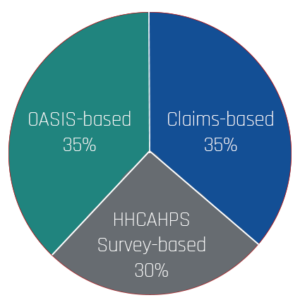
The expanded HHVBP model uses data from the Home Health Quality Reporting Program (HH QRP), Medicare claims, and HHCAHPS surveys. The expanded model does not require any additional data at this time.

Additional information on the quality  measures, cohorts, guides, and recordings from CMS can be found here.

We will continue to follow this story and provide updates on the new expanded model as they come in.

# # #

Kristin Rowan, Editor

Kristin Rowan has been working at Healthcare at Home: The Rowan Report since 2008. She has a master’s degree in business administration and marketing and runs Girard Marketing Group, a multi-faceted boutique marketing firm specializing in event planning, sales, and marketing strategy. She has recently taken on the role of Editor of The Rowan Report and will add her voice to current Home Care topics as well as marketing tips for home care agencies. Connect with Kristin directly kristin@girardmarketinggroup.com or www.girardmarketinggroup.com

©2024 by The Rowan Report, Peoria, AZ. All rights reserved. This article originally appeared in Healthcare at Home: The Rowan Report. One copy may be printed for personal use: further reproduction by permission only. editor@therowanreport.com
Telehealth and AI in Home Care: An Interview with Dr. Pamela Ograbisz

Artificial Intelligence

by Kristin Rowan, Editor
Telehealth’s evolution includes the dramatic shift to at-home and hybrid healthcare models post COVID-19 as well telehealth’s role in program management and staffing. From telehealth’s earliest models to today’s automated systems, Telehealth and AI have future implications for care at home. I recently sat down for an interview with Dr. Pamela Ograbisz, a nurse practitioner with expertise in telehealth spanning almost two decades.
Telehealth and AI

The Rowan Report:

First off, thank you for taking the time to talk with me today. Can you give our readers a brief introduction about you and your background?

Dr. Pamela Ograbisz:

I have been in telehealth for about 19 years now. I’ve been a nurse practitioner for 25 plus years. My specialty is cardiothoracic surgery and critical care. I have it was started out as a nurse in CT surgery, went back to school, became a nurse practitioner, then worked in CT also my entire career in critical care. We had an opportunity roughly 17 years ago when I was working in a cardiothoracic unit where we were connected by bridges and tunnels and water.

RR:

And, how did you come to be involved in telehealth?

Ograbisz:

We covered seven different sites and we weren’t able to get to all of our patients in a timely manner. We were struggling. We were trying to figure that out. A nurse reached out to us and was on a flip phone. She was taking photos and sending things and we were able to piece together a plan because of that. We literally all sat down that night after around and said, we need to do something like this. And we were attached to a medical school. And so we got them involved as well. And we built one of the first ICU bunkers in the classroom for telemedicine. And it was really sort of the beginning of something amazing. And I saw how well it worked. And I had the privilege of going around and building more of those programs.

RR:

And this eventually brought you to LocumTenens.com?

Ograbisz:

I was recruited by LocumTenens.com. When I first joined them, they had roughly 7% of their business was tele[health] and it was all behavioral health and they were really trying to expand their footprint. And of course, this was prior to COVID, we were still dealing with a lot of legislative issues and not everybody necessarily believed in it. It was still very scary for people and we were trying to sort of showcase what we could do. And so I came in and wrote a lot of policy and procedure and then COVID happened and we had to flip everything over it and we were poised to do so, which was fantastic.

Telehealth and AI Locum Tenens

So overnight we started turning on just loads of programs, 100% virtual. And then honestly, a lot of them never went back or they’ve come to a hybrid model. So now you can then convert those programs from traditional boots on ground all the time to more, you know, expandable, flexible models that have a hybrid option that includes telehealth.

RR:

Are you still operating the telehealth programs for LocumTenens.com?

Ograbisz:

My role now is I run LT Telehealth, which is a company inside of LocumTenens.com. We’re not a stand alone, but we do run all of the telehealth programs inside of the company. I also oversee all APP (advanced practice provider) relationships and how we’re growing that business and then our legislative arm.

RR:

LocumTenens.com is a full service staffing company, right? How are you finding the workforce shortage right now?

Ograbisz:

So, I would say that probably for a while, we commiserated with the health systems. But, filling the gaps from workforce shortage is our business.

I will tell you this, I graduated school a long time ago when I got out, it didn’t matter if you were a doctor or a nurse practitioner or a PA, your goal was to join a practice. You wanted to become a partner and you wanted your name on that building and you wanted to own a piece of that building. Nobody was owned by the hospital groups. I felt like with the evolution of the electronic health record, everything changed. People were asked to do a whole lot more. All of a sudden it became a lot of boxes to check a lot of things to tick. You sat on more and more committees. It became more and more about the paperwork. And then of course, with the advent of EHRs, billing changed; CMS codes changed how you got paid. People started bucking the system. And so what we saw then honestly was a shift. Now people coming out [of college] are like, yeah, I’m not joining a practice or I’ve left my practice. This gives me a new creative way to be part of medicine with flexibility which no one ever promised you when you got out of school. Right? No one ever said, “You want to be a cardiothoracic surgeon? Work, life balance is for you!” No, right? 80 hour weeks and sleeping in the hospital. You signed up for it; you knew it. And now people have been given a glimpse of what it can be and what it could be. And so I think that the physician shortage 100% exists, but COVID forced the gig economy. And so what we’re seeing is people wanting to work on their own terms and 1099 contracting does that for them.

RR:

How are you seeing telehealth working in care at home?

Ograbisz:

So, we’ve been working on the medical hospital-at-home pieces trying to figure out how we can sort of fit into that model. We’ve seen a lot of really wonderful pilot programs come out of Mayo and Hopkins and what they’re doing. I think the biggest problem right now is they’re not reimbursed well. That is making it very hard for other systems that don’t have deep pockets like those two facilities to scale those programs to any kind of large extent. What we would say is we know that it’s better. If a patient is too ill to leave home, we can facilitate a visit with the doctor right from the house. We’ve found it is especially helpful in the oncology program we launched when a doctor has to deliver bad news. The pushback we got was the patients are not going to be able to adapt and get that kind of news through a screen. But the patients really proved that wrong. It was the patients who said, “If someone’s going to tell me that I have six months [to live], I don’t really want to hear that in a sterile, cold, doctor’s office. I really am much happier if I could be in my own environment and process that information.”

RR:

What is standing in the way of a robust telehealth system for hospitals, physician groups, and home health?

Ograbisz:

I mean, CMS obviously needs to catch up with the telehealth. They were doing it during COVID. We need to extend that so that those payments, as long as the coding is all there, those payments need to come through for telehealth. But when you combine it with home health and hospice, you have that in person touch point. So the whole visit then is reimbursable, which is why a lot of hospitals and physician groups are partnering with home health, hospice, and palliative care or organizations now because you get that in-person visit, but everything is sent back to the physician to oversee changes in care, oversee changes in medication. At home care and physician care combined, the reimbursement goes into place because you have that touch point there, a face-to-face visit. They can verbally and visually see everything that’s going on, but then it goes back to the physician and they can then also get reimbursed for that. So there’s a lot of that with telehealth that is crossing over. Home health and hospice agencies need to start using telehealth and they need to be partnering with the ACOs and they need to be partnering with physician groups and now they have to partner with payers, especially as we move to the value based system. They have to partner with them because there’s only a certain amount of money that each patient is going to get. Some of it’s going to go to the hospital, some of it’s going to go to the physician and some of it’s going to go to the home health company and if there’s no partnership then there’s no money. So, you know, they have to take on some of that risk, but telehealth is the way to do that.

RR:

We’ve been talking a lot the last year or so about the rapid advancements in AI. What we’re seeing is that AI is impacting interoperability, telehealth, direct patient care, and so much more. What do you see happening in health care with Ai?

The Power of AI with SmartCare

Ograbisz:

Yeah, I think it’s a huge unknown. I think everyone’s afraid to commit. I think there’s more scary stuff than there is positive stuff. So right now, what we’re worried about is someone taking on my identity, somebody being able to give advice in my voice with my likeness and put that out somewhere. So I think when you talk to providers, they see more of the scary side and how are we going to control it? But then you look at the most amazing pieces which is I can use AI to help me form a better diagnosis, to cultivate more ideas for how to treat things for each how process and procedure, right? How do we go about garnering information, which is what I think AI will help us do better in the telehealth space. I think it will be interesting to see where all of the programmatic goes. I think more towards like holographs and literally like Star Trek lead people into rooms, you know, life size images where it’s not just we go from just a 2D flat screen to really look at 4D, you know, being able to really see and perhaps even with scans and patient monitoring and you can hold the scanner up and I can see your liver, who knows? I think the possibilities are endless. But I think right now in all honesty, I think it’s fear…until we figure out a little bit of the regulatory side of it.

RR:

You’re also working on advocacy for telehealth on state and national levels. Will you follow up with us on how the next round goes as far as extending the reimbursement for telehealth?

Ograbisz:

Absolutely! I’ve written a lot of pieces that I’ll share with you. We’re always happy to collaborate.

RR:

Thank you, again for your time. Your insights were wonderful.

# # #

Kristin Rowan, Editor
Kristin Rowan has been working at Healthcare at Home: The Rowan Report since 2008. She has a master’s degree in business administration and marketing and runs Girard Marketing Group, a multi-faceted boutique marketing firm specializing in event planning, sales, and marketing strategy. She has recently taken on the role of Editor of The Rowan Report and will add her voice to current Home Care topics as well as marketing tips for home care agencies. Connect with Kristin directly kristin@girardmarketinggroup.com or www.girardmarketinggroup.com

©2024 by The Rowan Report, Peoria, AZ. All rights reserved. This article originally appeared in  Healthcare at Home: The Rowan Report. One copy may be printed for personal use: further reproduction by permission only.
editor@therowanreport.com

For more information on Locum Tenens visit: https://www.locumtenens.com/
Telehealth and AI Dr. Pamela Ograbisz

Pamela Ograbisz

Vice President of Clinical Operations

Pamela Ograbisz, Associate Vice President of Telehealth for LocumTenens.com. With 20 years of experience in cardiothoracic surgery and internal medicine, she is passionate about delivering quality healthcare in a timely manner. Dr. Ograbisz is confident that telehealth programs are the key to improving health and the overall patient experience

Use of Preferred Provider Agreements

Clinical

by Elizabeth E. Hogue, Esq.

Preferred Provider Agreements as Referral Source

In a highly competitive marketplace, home care providers of all types, including home health agencies, hospices, private duty/home care companies and home medical equipment (HME) suppliers are looking for a “leg up,” especially for patients with certain types of payors. Providers may be able to cement important referral sources using Preferred Provider Agreements. For example, a provider may wish to approach an assisted living facility (ALF) to see if it is interested in a preferred provider relationship. If so, then management of the ALF may want to sign a Preferred Provider Agreement in order to further a relationship with this provider.

Problems with Preferred Provider Agreements

The anti-kickback statute may apply if providers involved in referral arrangements receive any type of federal or state funds, including, but not limited to, payments for services provided from Medicaid waiver programs, managed Medicaid programs, the Tri-Care Program, the VA, or any other state or federal programs. The anti-kickback statute generally says that anyone who either offers to give or actually gives anyone anything in order to induce referrals has engaged in criminal conduct. There are, however, several exceptions to this statute that may be applicable.

How to Assess Your Preferred Provider Agreements

Providers should ask two crucial questions about the application of the anti-kickback statute to referral arrangements:

  1. Is there a kickback or rebate?
  2. If so, is there an exception or “safe harbor” that permits the arrangement even though it would otherwise violate the statute?

 kickback or rebate occurs when a provider receives referrals from another provider and something flows back to the referral source from the provider who received referrals. If there is a kickback or rebate, providers must automatically ask the second question listed above. If they fail to utilize applicable exceptions, they may miss out on useful marketing strategies that are likely to result in numerous referrals.

With regard to Preferred Provider Agreements, however, it is important to note that they can be structured so that no money or anything of value changes hands between providers and the other party involved. If so, there is no kickback or rebate.

Patient Choice

The parties to Preferred Provider Agreements must also make certain that they honor patients’ choices of providers. There are a number of sources of patients’ right to freedom of choice of providers applicable to preferred provider arrangements, including:

  • Court decisions or the common law says that all patients – regardless of payor source, type of care rendered, or types of providers involved – have the right to control the care they receive and who provides it.
  • A federal statute that guarantees all Medicare and Medicaid patients the right to freedom of choice of providers. This statute may be applicable if either party receives reimbursement from the Medicare or Medicaid Programs.

When patients express preferences for certain providers, however, their choices must be honored despite the existence of Preferred Provider Agreements. The agreement of the parties to honor patients’ choices should be included in Preferred Provider Agreements.

Final Thoughts

The market to provide services to patients in their homes is expanding, but the competition for referrals among providers seems to be extremely fierce. Providers are well advised to utilize Preferred Provider Agreements to help them to increase and/or maintain referrals in order to help ensure profitability.

©2024 Elizabeth E. Hogue, Esq. All rights reserved.

No portion of this material may be reproduced in any form without the advance written permission of the author.

Product Review: Home Care Worker Safety

Caring for the Caregiver

by Kristin Rowan, Editor

If you haven’t been following our recent reports, you may have missed last week’s article on the Home Care Worker Safety Bill that was passed in Connecticut. You may also have missed the article reporting that OSHA levied fines against Elara Caring, the home health agency where Joyce Grayson worked. If you did, take a minute to go back and read those updates. Changes are coming to home health and home care.

We’ve been reporting on these important updates as we believe new regulations on Home Care Worker Safety will be coming nationwide. If OSHA can penalize a home health agency for failing to protect the safety of an employee, then protecting the safety of an employee is required, by default.

Home Care Worker Safety Industry

We’ve been meeting with and researching about home care worker safety since the first article about Joyce Grayson. There are several on the market as stand-alone equipment and/or SaaS services. Many existing SaaS companies are adding GPS tracking, visit check-in/check-out, and other safety and risk items to their suite of services as well.


Background

AJ Leahy had a close friend who was attacked on a college campus. First responders were called, but they didn’t have his exact location. The extra time it took responders to reach him contributed to his death. AJ concluded that the current emergency system is dangerous and broken.  AJ didn’t want anyone else to have the same experience. Thus, he created POM (Peace of Mind) Safe Company.

AJ soon realized that the length of time it takes first responders to reach a victim is only part of the problem. He sought to create a system that would not only connect you with the help you need, but deter and de-escalate violence. After all, AJ surmised, the best outcome is not for first responders to reach you, but for first responders not being needed in the first place.

Home Care Worker Safety AJ Leahy
Home Care Worker Safety POM 3 Fob<br />

Home Care Worker Safety in the “POM” of Your Hand

POM safe is a portable, two-way communication safety device paired with an app that bypasses the need to use your phone to call 911. Using a series of taps, the POM Safe device can deter and de-escalate violence and dispatch the appropriate help.  The POM 3 (pictured left) is a wearable fob with a 10-day battery life between charges and is connected to your mobile data or WIFI connection through a cell phone. The POM Mobile (pictured below) device carries its own SIM card and remains independent of a cell phone.

Emergency Response

POM Safe has built-in, two-way communication that connects a home care worker to a dispatcher. Even if the clinician can’t speak, the dispatcher can hear the situation and deploy appropriate actions. When the two-way communication is activated, the device send a GPS signal along with profile information directly to the dispatcher. When needed, the dispatcher contacts emergency response services to arrive at the precise location.

Beyond Emergency Response

Reaction addresses the need for intervention after an act of violence has occurred. Proaction attempts to remove the need for the intervention at all. The proactive safety features of the POM Safe device include:

  • Fake phone call
    • Press a button on the device and your phone rings
    • Answering the call tells a would-be attacker that someone knows where you are and who you are with
  • Check on Me
    • Use the POM Safe device to start a timer
    • If you don’t confirm your safety within that time, help is alerted
  • Appointment Sync
    • POM Safe integrates with your scheduling and appointment data
    • Your precise location is sent to dispatchers and emergency responders
  • One-Tap Text
    • With one tap, a pre-written text is sent to alert dispatcher of your need for help
    • GPS location is sent with the text
Home Care Worker Safety POM Device
Home Care Worker Safety 360 Network

Home Care Worker Safety Network

One of the requirements in the Home Care Worker Safety Bill passed in Connecticut is to provide your clinicians with information about the neighborhood of each client. Crime rate, safety, registered offenders (coming soon), and other safety information about the neighborhood aid in the overall risk assessment of the client.

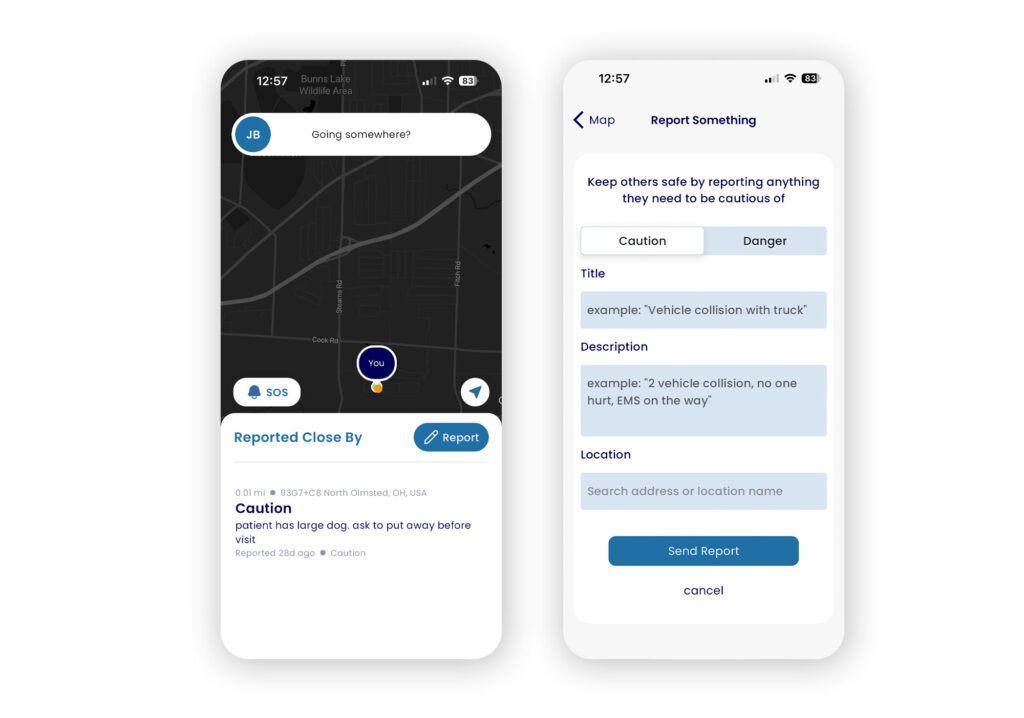
The POM mobile app includes the “360 Safety Network”, combining a crowdsourced alert system with third-party safety data. Your clinicians can also report additional safety concerns and receive real-time notifications if a new alert flags their location.

Customizable Programming

Each home health and home care agency will have their own protocols, emergency contacts, and preferences for home care worker safety. When you adopt the POM Safe system, devices are customized and programmed to your agency’s specifications. You can set the “Check on me” timer for shorter or longer visits. GPS settings can be turned off at custom set times so you’re not tracking your clinicians in their off hours. Your clinicians can add their own family members to their connections and you can allow them to custom set what each button-click type will do.

Organizational Monitoring

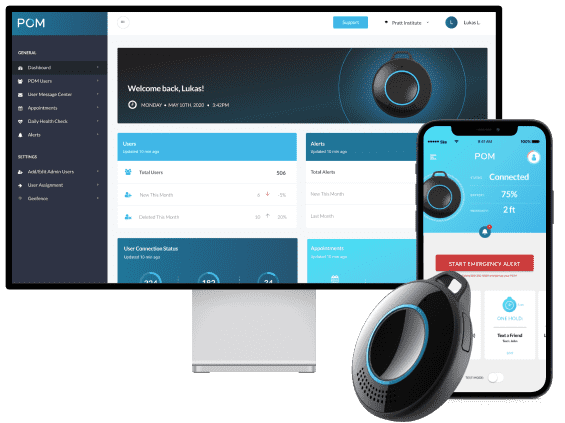
POM Safe links to a safety dashboard for the agency. At a glance, you can see all of your users, alerts, and appointments. It also includes a user message center, customizable user assignments, daily health check, and more.

Home Care Worker Safety App and Portal

Final Thoughts

Whether you contact POM Safe or another safety device company, it is imperative that you implement a safety program in your organization. This should include a committee, de-escalation training, self-protection training, employee assistance programs for mental health support, and a wearable/personal safety device that is GPS-enabled and connected to emergency response systems.

# # # 

Kristin Rowan, Editor

Kristin Rowan has been working at Healthcare at Home: The Rowan Report since 2008. She has a master’s degree in business administration and marketing and runs Girard Marketing Group, a multi-faceted boutique marketing firm specializing in event planning, sales, and marketing strategy. She has recently taken on the role of Editor of The Rowan Report and will add her voice to current Home Care topics as well as marketing tips for home care agencies. Connect with Kristin directly kristin@girardmarketinggroup.com or www.girardmarketinggroup.com

©2024 by The Rowan Report, Peoria, AZ. All rights reserved. This article originally appeared in Healthcare at Home: The Rowan Report. One copy may be printed for personal use: further reproduction by permission only. editor@therowanreport.com

Constant Therapy and Elara Caring form Partnership

Artificial Intelligence

By Kristin Rowan, Editor

Care at home has expanded in the last twenty years to include care that was previously received in hospitals, SNFs, and therapy centers. As care at home is increasingly recognized as a more cost efficient way to provide care with better outcomes and lower rehospitalization rates, we can expect more services to be offered in the home. We recently received report of one such expansion with the announcement that Constant Therapy and Elara Caring have partnered to offer speech-language and cognitive therapy support in the home.

About Constant Therapy

Led by Founder & CEO Veera Anantha, PhD, Constant Therapy offers an AI-driven platform for speech-language and cognitive therapy. The recommended dose of these types of therapy is high. With fewer therapists available, most patients aren’t receiving the recommended frequency of patient care.

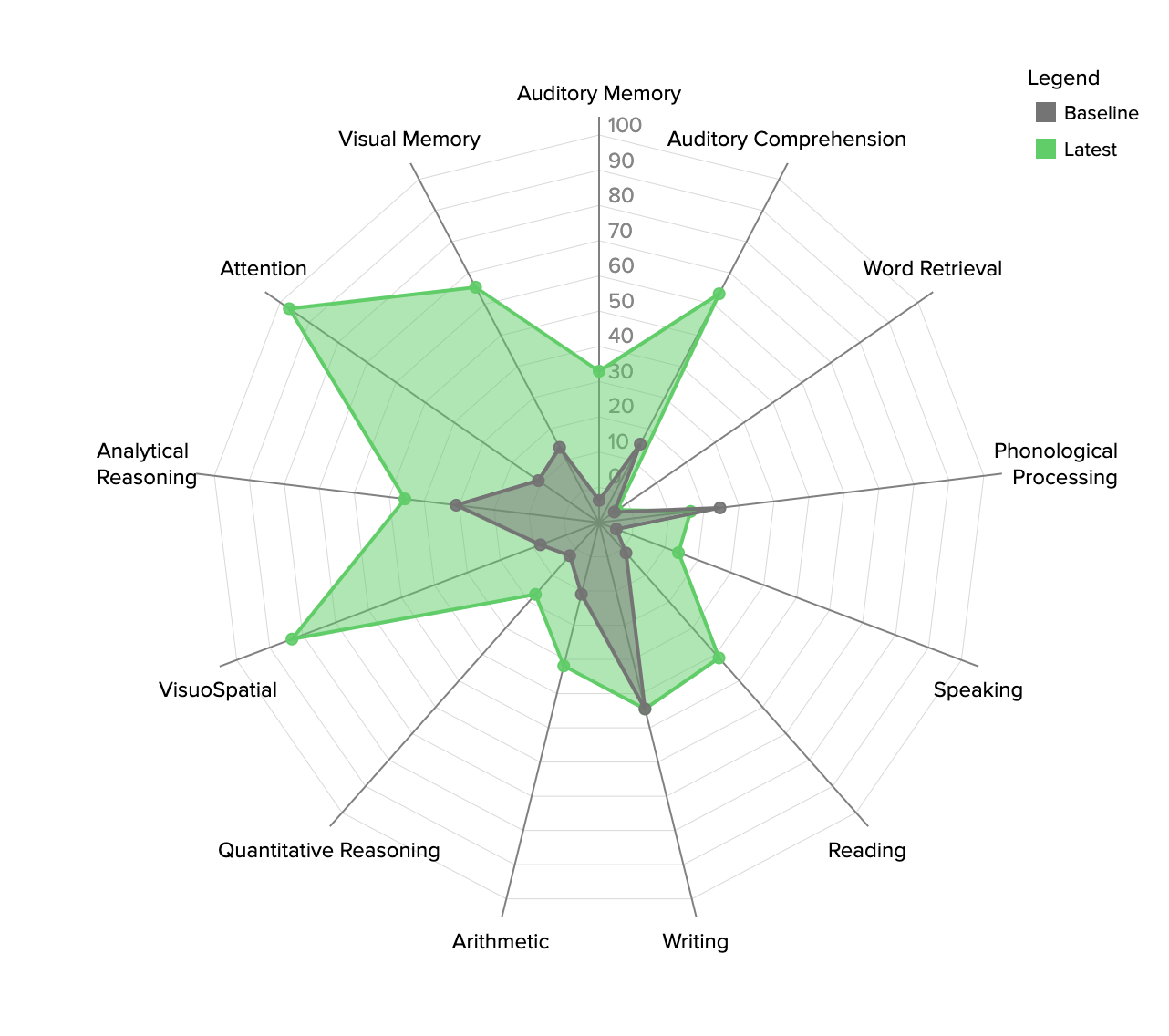
Constant Therapy decreases the number of needed in-home visits using a digital program with 500,000 customizable exercises. The app also provides insights into patient performance and improvements. The AI tracks accuracy and speed over time and naturally progresses the patient based on that performance.

Constant Therapy Brain Mapping

Delivery of Care

Constant Therapy is a personal assistant for the therapist to provide more care to more patients. It also has a time saving component. Constant Therapy automates all of the documentation and home exercise programs a therapist has to keep up with, in addition to providing updates to physicians.

Mobile App

The patient app can include family members who can log in to track their loved one’s progress. The app also includes RPM to track whether the patient is adhering to the homework assignment. The app tracks how long the patient spends on a task, how many tasks are completed, and progress over time. Additionally, the therapist app can link multiple clinicians, caregivers, physicians, and hospitals to increase continuity of care.

Direct and Indirect Care Sessions

During a care session, Constant Therapy acts as a digital workbook. The workbook is used to standardize delivery of care and objectively measure progress. Outside of direct care appointments, the app acts as a homework tool for the patients. It provides assignments for continued progress when the therapist is not present.

About Elara Caring

Elara Caring is a home health agency that operates in 17 states and has 200 locations. They offer skilled home health, hospice, personal care services, behavioral health, and palliative care.  Elara’s mission is to expand home care access by embracing the industry’s most innovative technologies and models. They strive to hire compassionate people who believe in taking care of their patients, clients, care providers, and each other.

From the Source


Mark Salley

VP of Innovation and Rehabilitation at Elara Caring said, “Since our inception, Elara Caring has utilized patient data insights – more than 120M data points annually, in fact – to drive our strategic decisions that improve quality care and patient outcomes.  This has brought us to Constant Therapy. They have similar values and a shared goal to incorporate data into their evidenced-based, treatment platform. With Constant Therapy, our patients are seeing quicker recovery of speech, cognitive function, and language deficits following healthcare incidents including stroke, TBI, dementia, and more. We are excited to start this new chapter in close partnership with Constant Therapy. This will be a gamechanger for our patients and clinicians.”

Noah Poskanzer

Director of National Accounts at Constant Therapy said, “Part of being a home health clinician is to set the patient up to be as successful at home as possible. Not just in the U.S., but around the world, the number of people trained to provide therapy are [sic] going down but the number of people needing therapy is going up. Constant Therapy is providing patients with additional therapy when therapists are not present in the home with their patients.”

Constant Therapy Pilot Program

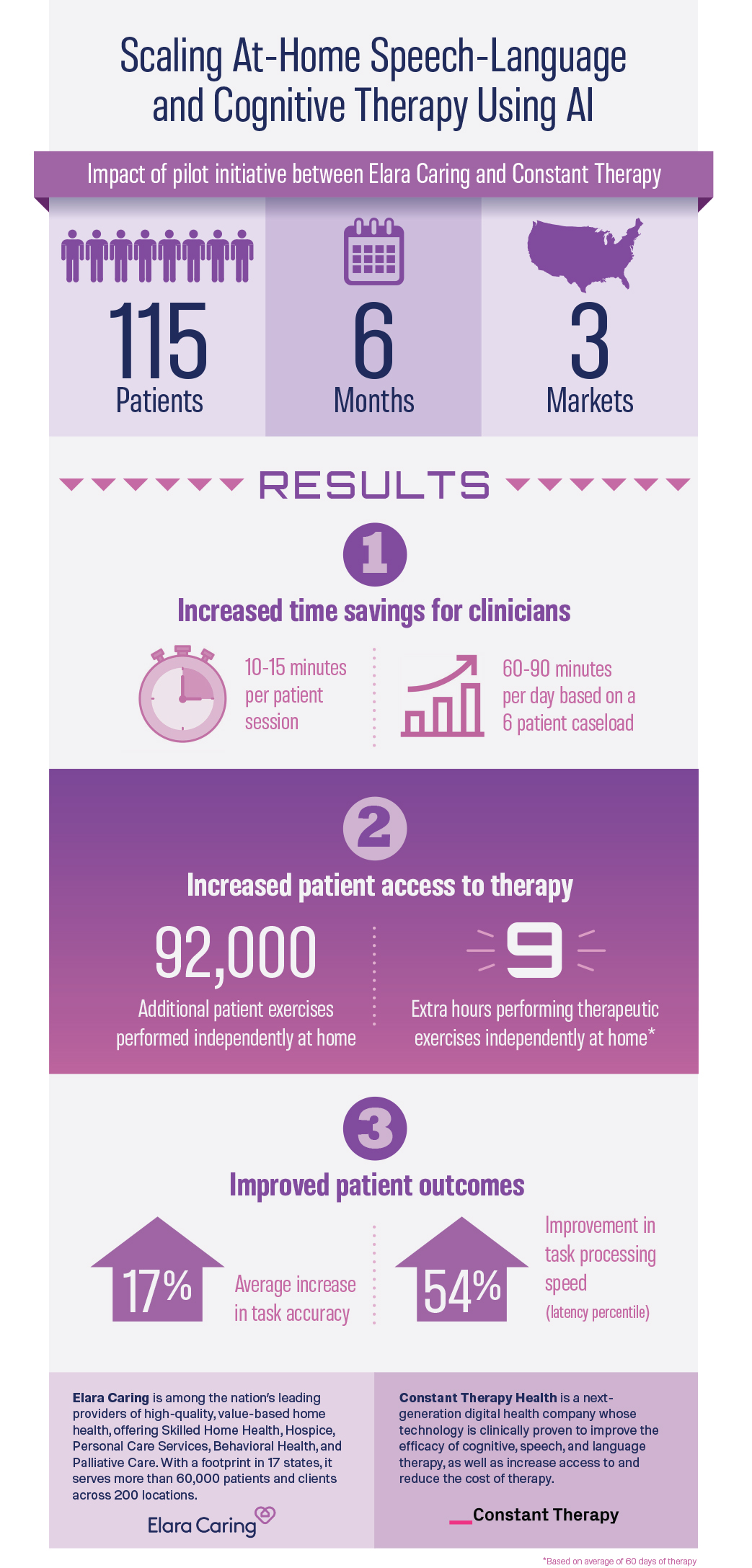
Prior to the full-scale partnership, Constant Therapy and Elara Caring launched a pilot program in June of 2023 with 115 patients across three markets. The results of that pilot program include:

Constant Therapy and Elara Caring Outcomes<br />
  • Increased Time Savings
    • 10-15 minutes per patient session
    • 60-90 minutes per day for a clinician with a six-patient caseload
  • Increase Patient Access
    • 115 patients performed 92,000 additional exercises independently at home
  • Improved Patient Outcomes*
    • 17% average increase in task accuracy
    • 54% improvement in task processing speed (latency percentile)*

*Patient outcomes calculated using Constant Therapy task performance

As Constant Therapy expands to include more agencies and more patients, they expect to continue to see improved patient outcomes, better access to care, and the ability to serve more patients. We will continue monitoring their progress.

# # #

Kristin Rowan, Editor

Kristin Rowan has been working at Healthcare at Home: The Rowan Report since 2008. She has a master’s degree in business administration and marketing and runs Girard Marketing Group, a multi-faceted boutique marketing firm specializing in event planning, sales, and marketing strategy. She has recently taken on the role of Editor of The Rowan Report and will add her voice to current Home Care topics as well as marketing tips for home care agencies. Connect with Kristin directly kristin@girardmarketinggroup.com or www.girardmarketinggroup.com

©2024 by The Rowan Report, Peoria, AZ. All rights reserved. This article originally appeared in Healthcare at Home: The Rowan Report. One copy may be printed for personal use: further reproduction by permission only. editor@therowanreport.com
 

Constant Therapy Veera Anantha<br />

Veera Anantha, PhD, is the Founder and CEO of Constant Therapy. Veera is a hands-on technology executive and business leader with a passion to bring positive change through the power of data and AI. He created Constant Therapy, an award-winning mobile app that uses artificial intelligence to help tens of thousands of people living with neurological conditions regain essential life skills.Veera also successfully built a number of innovative products at other startups, including at a company acquired by Apple that developed the world’s fastest digital signal processor.

He began his career as a Lead Engineer at Motorola developing mobile software and hardware products, and later, as Vice President of Engineering at a startup acquired by Motorola, developed software products that are now used worldwide to manage wireless networks. Veera has six technology patents and recently won TiE Boston’s Entrepreneur of the Year Award. He is an expert mentor at MassChallenge HealthTech and Insight Data Sciences, is a Charter Member of TiE Boston, and is a guest lecturer for Entrepreneurship at Questrom School of Business. Veera holds a PhD in electrical and computer engineering and a master of science degree in physics from Northwestern University, as well as a bachelor’s degree from the Indian Institute of Technology in Bombay. 

Mark Salley, Vice President of Innovation and Rehabilitation Solutions at Elara Caring, has been a Physical Therapist

since 1995 and has worked in the homecare sector since 2003. His journey has been marked by his commitment to integrating data into the decision-making processes, revolutionizing the approach to clinical and operational challenges at Elara Caring.

Throughout his 25-year career, Mark has focused on enhancing patient care. His early years as a Physical Therapist lend to his understanding of the intricacies of healthcare delivery, particularly within the homecare landscape. Transitioning into leadership roles, Mark recognized the transformative power of data in shaping the future of healthcare, and at Elara Caring, he is spearheading initiatives that leverage data-driven insights to drive meaningful change.

Elara Caring Mark Salley

The Right Way to Use AI in Healthcare

Admin

by Tim Rowan, Editor Emeritus

For better or worse, healthcare has begun the inevitable adoption of Artificial Intelligence. Before you consider adopting AI technology, know that there is a wrong way and a right way to use AI in healthcare. In a companion article this week, we describe the criticism insurance companies are getting for deploying AI in healthcare to harm patients. As a balance, here is a review of a product that we find to be using AI in healthcare to help both patients and Home Health Agencies.

The Problem 

Home Health referral documents from physicians or hospitals can consist of more than 100 electronically transmitted pages. Some agencies report occasional packets exceeding 1,000 pages, often in a variety of data formats. Some are standard data formats, such as a face sheet, but most are unstructured, consisting of images or narrations, sometimes in paragraphs, sometimes in incomplete sentences. Worse, patient data interoperability can be limited by unstructured data.Too Much Paperwork

More often than not, most of these pages are never read. Thoroughly interpreting that much data is nearly impossible for a human. Consequently, nurses too often approach an admission evaluation visit with an incomplete picture of a patient. The result can be gaps in care or treatment, inaccurate OASIS assessments, incomplete or poorly sequenced diagnosis codes, and improper care plans. These obstacles can impact both patient outcomes and agency revenue.

One Newly Available Solution for the Right Way to use AI in Healthcare

We recently attended a product demonstration and followed it up with updated descriptions to learn details about new product developments. Over the next three months, Select Data, in full disclosure one of our sponsors, will be introducing an AI-powered suite of products that has been designed over many years of development to support clinical, data driven decision-making. One by one, it addresses the problems described above.

The new system, SmartCare, empowers clinicians to harness previously hidden insights while reducing bias and cognitive overload. It enables them to steer their decisions with enhanced precision while maintaining their pivotal role in patient care, eliminating one of the common reasons many Home Health administrators hesitate to invite AI into agency processes. It does, however, make the care team’s job easier and facilitates better decision-making.

  • AI can read those 100 to 1,000 page referral documents in minutes, where a human may require days. The Power of AI with SmartCare
  • SmartCare uses AI to synthesize relevant medical history to provide a care snapshot highlighting the key diagnosis, focus and considerations for care, and recommended OASIS clinical discipline. It highlights any areas for clarification needed from physician or admitting nurse.
  • Clinicians can search and index specific words in unstructured data, such as narratives, to instantly identify any detail of a patient’s condition in an easy-to-read interface. Nurses approach the initial OASIS visit armed with all of a referring clinician’s relevant care findings.
  • Recommendations for diagnostic codes strictly follow Medicare PDGM guidelines.

Suite of Tools

1 – RISE stand for Rapid Intake Summary & Evaluation. This component of the suite summarizes all clinical data from referral sources and your EHR. It compiles this data to provide clinically relevant diagnoses, focus of care, and recommendations for skilled disciplines. This is the part of the tool that reads referral documents and supports informed decision-making. The advantages we detected go a bit beyond the technical.

When clinicians, reviewers, coders, and office staff all have access to the same patient information, it would seem that communication among disciplines would improve and that care coordination would be enhanced. It also seems logical that continued experiences of advanced access to previously hard-to-find physician comments would gradually break through the AI fear barrier reported by so many clinicians and other professionals. Select Data will provide us with actual client experiences to verify our assumptions once they have been compiled.

Right AI Healthcare Select Data

2 – ACE, or Admission Clinical Evaluation is SmartCare’s clinical support summary tool. It deploys AI to understand accepted OASIS assessment criteria. It then uses this knowledge to extract assessment and narrative data from nursing and therapy evaluations. With streamlined, pertinent data at the point of care, the entire care team has the same patient data. Having the same patient data enables more informed decision-making.

ACE links all patient data back to its source assessment. Doubt about the AI’s credibility should gradually diminish, even among the most AI-resistant users. Every analysis and recommendation is explained in clear language so that clinicians are likely to understand the rationale behind them. The goal is to replace every “I’m not going to let a machine tell me what to do” with “I’ll take this information into consideration with my human insights.”

Pricing

We are honoring Select Data’s request to allow them to build personalized price quotes to every prospective client. They will be represented at several state and national conferences this year. Alternatively, interested HHA representatives can contact EVP Ted Schulte at Ted.Schulte@SelectData.com

Tim Rowan, Editor Emeritus

Tim Rowan is a 30-year home care technology consultant who co-founded and served as Editor and principal writer of this publication for 25 years. He continues to occasionally contribute news and analysis articles under The Rowan Report’s new ownership. He also continues to work part-time as a Home Care recruiting and retention consultant. More information: RowanResources.com
Tim@RowanResources.com

©2024 by The Rowan Report, Peoria, AZ. All rights reserved. This article originally appeared in Healthcare at Home: The Rowan Report.homecaretechreport.com One copy may be printed for personal use: further reproduction by permission only. editor@homecaretechreport.com

Navigating the Home Care Revolution

Admin

by Kristin Rowan, Editor

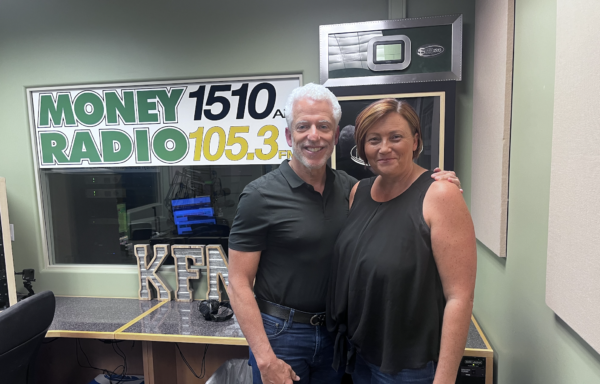
I was honored to have been a guest on Health Futures – Taking Stock in You Radio Show on Money Radio 1510 AM discussing navigating the home care revolution. Health Futures is hosted by HomeCare expert Bob Roth, owner of Cypress HomeCare Solutions. Cypress just celebrate its 30th anniversary last week and is the recipient of a Grant to Innovate within Medicaid in partnership with PocketRN and is the 2013 & 2018 winner of the BBB Torch Awards for Ethics. You can listen to the full radio show here. Below is the blog based on the show, written by the CEO of Strait Talk PR, Lauren Strait.


Home Care Revolution bob roth kristin rowan

by Lauren Strait, CEO Strait Talk PR

The Aging Population Tsunami

By 2050, the 85-year-old population in the United States is expected to quadruple. As this massive demographic shift unfolds, the already strained home care industry will face unprecedented challenges in meeting the escalating demand for quality care services.

Bob Roth, Managing Partner of Cypress HomeCare Solutions, recently had Kristin Rowan, of The Rowan Report on the radio show and podcast to discuss this trend and everything a consumer needs to know about the homecare industry and how it will affect them.

A Trusted Voice Amid Industry Upheaval

In the latest episode of “Health Futures, Taking Stock in You” hosted by Bob Roth of Cypress Homecare Solutions, Kristin Rowan, Owner and Editor of The Rowan Report, offered insights into how her publication is guiding the industry through this seismic transition.

The Rowan Report’s Unbiased Expertise

What began as a print magazine reviewing home health technology has evolved into a comprehensive digital hub covering regulatory updates, workforce solutions, marketing strategies, and groundbreaking innovations. Rowan emphasized the publication’s commitment to neutrality when evaluating new products and services.

“We do our best to remain as neutral as possible…that’s one of the things that Tim [her father and the founder] established early on in his relationships with tech providers.”

Empowering a Strained Workforce

With a redesigned website offering robust search capabilities, The Rowan Report curates resources to help agencies streamline operations and alleviate administrative burdens on overstretched staff. “The solution is not more people because they’re just not there,” Rowan stated. “But the solution is collaboration to better utilize the people that you have.”

The publication explores leveraging AI, voice technologies, automated claims processing, and outsourcing to reduce paperwork and maximize efficiency, enabling care professionals to concentrate on frontline patient care.

Preparing for the Age Wave

As the population ages, The Rowan Report recognizes the need to educate professionals and families on navigating the complexities of long-term care. By convening experts, the publication covers crucial topics like choosing providers, understanding Medicare/Medicaid, and planning for future care needs.

An Indispensable Industry Guide

With over 25 years of experience, The Rowan Report stands as an indispensable guide for the home care industry as it braces for the challenges and opportunities of an aging America. Access their insights at www.therowanreport.com.

# # # 

Bob Roth is Managing Partner of Cypress HomeCare Solutions. He assisted in creating Cypress HomeCare Solutions with his family in 1994. Bob brings the depth and breadth of his nearly 36 years of consumer products, health care and technology experience to the home care trade. Over the years, Bob has received a number of awards. These include the January 2014 CEO of the Month and finalist for the 2015 Phoenix Business Journal’s Healthcare Heroes award. Cypress won the Better Business Bureau’s Business Ethics award in 2013 and 2018.

In March 2017, Arizona Governor Bob Ducey appointed Bob to the Governor’s Advisory Council on Aging. This was the first time in the Council’s 40 years that a home care/home health care agency owner/manager has served on the Council. Nationally, Bob serves on the Board of Directors for the Home Care Association of America (HCAOA). Locally, he serves on the Board of Directors for DUET Partners in Aging. Additionally, he is on the ambassador committee for Aging 2.0 – Phoenix Chapter. On September 11, 2019 Bob won the Home Health Care News Future Leader Award. The award recognizes up-and-coming leaders elevating the home health industry. When he’s not working, Bob enjoys spending time with his wife Susie, their three daughters, and playing golf, tennis, hiking and walking with Ruby and Lacey, our pet therapy dogs.

Bob Roth
Bob Roth

Bob Roth is Managing Partner of Cypress HomeCare Solutions. He assisted in creating Cypress HomeCare Solutions with his family in 1994. Bob brings the depth and breadth of his nearly 36 years of consumer products, health care and technology experience to the home care trade. Over the years, Bob has received a number of awards. These include the January 2014 CEO of the Month and finalist for the 2015 Phoenix Business Journal’s Healthcare Heroes award. Cypress won the Better Business Bureau’s Business Ethics award in 2013 and 2018.

In March 2017, Arizona Governor Bob Ducey appointed Bob to the Governor’s Advisory Council on Aging. This was the first time in the Council’s 40 years that a home care/home health care agency owner/manager has served on the Council. Nationally, Bob serves on the Board of Directors for the Home Care Association of America (HCAOA). Locally, he serves on the Board of Directors for DUET Partners in Aging. Additionally, he is on the ambassador committee for Aging 2.0 – Phoenix Chapter. On September 11, 2019 Bob won the Home Health Care News Future Leader Award. The award recognizes up-and-coming leaders elevating the home health industry. When he’s not working, Bob enjoys spending time with his wife Susie, their three daughters, and playing golf, tennis, hiking and walking with Ruby and Lacey, our pet therapy dogs.

Kristin Rowan, Editor
Kristin Rowan has been working at Healthcare at Home: The Rowan Report since 2008. She has a master’s degree in business administration and marketing and runs Girard Marketing Group, a multi-faceted boutique marketing firm specializing in event planning, sales, and marketing strategy. She has recently taken on the role of Editor of The Rowan Report and will add her voice to current Home Care topics as well as marketing tips for home care agencies. Connect with Kristin directly kristin@girardmarketinggroup.com or www.girardmarketinggroup.com

©2024 by The Rowan Report, Peoria, AZ. All rights reserved. This article originally appeared in Healthcare at Home: The Rowan Report. One copy may be printed for personal use: further reproduction by permission only. editor@therowanreport.com

Connecticut Senate and House Pass Home Care Worker Safety Bill

Admin

by Kristin Rowan, Editor

Last week, we reported on the proposed Bill in the Connecticut Senate and House to provide additional precautions for home care worker safety. In wake of the Elara Caring at Fault Joyce Grayson Home Care Worker Safety Joyce Grayson murder during a home health visit, leadership in Connecticut aimed to safeguard home health and home health aide workers and collect risk assessment data on the same.

On May 6, 2024, CT legislature passed bills in both the Senate and House of Representatives. Instead of the proposed bills that we reported on previously, both branches added amendments to previous bills. The bills include provisions for cyberattack readiness, child safety, and other items not related to care in the home.

First Stage of Home Care Worker Safety

Some of the provisions in the final bill are effective July 1, 2024. As we previously reported, hospice agencies are currently exempt from these provisions and the CT legislature will address hospice agencies in their next session.

On and after July 1, 2024

The Commissioner shall increase the fee payable to a home health care or home health aide agency that provides escorts for safety purposes to staff conducting a home visit to cover the costs of providing such escorts.

The Commission of Public Health will establish and administer a home care staff safety grant program to provide grants to home health and home health aide agencies for staff safety technology, including, but not limited to :

  1. A mobile application for staff to access safety information about a client
  2. A method for staff to communicate with either local police or other staff in the event of an emergency
  3. A global positioning system-enabled, wearable device that allows staff to contact local police
Effective July 1, 2024

The sum of one million dollars is appropriated to the Department of Public Health for the the fiscal year ending June 30, 2025, to establish and administer the aforementioned grant program.

The Commissioner of Public Health and the Commission on Community Gun Violence Intervention and Prevention, will develop or find educational material about gun safety practices and provide such to primary care providers to give to patients who are 18 years of age or older.

Second Stage of Home Care Worker Safety

Some of the provisions in the final bill are effective October 1, 2024. Home health and home health aide agencies have five months to comply with these measures.

Effective October 1, 2024, home health and home health aide agency must collect and provide to assigned workers information about:

The client, including as applicable;

  1. psychiatric history
  2. history of violence
  3. history of substance use
  4. history of domestic abuse
  5. current infections, if any, and treatment received
  6. whether diagnoses or symptoms have remained stable over time
Home Care Worker Safety
Other persons present or anticipated to be present at the location of care including, if known to the agency:

  1. name and relationship to client
  2. psychiatric history
  3. history of violence or domestic abuse
  4. criminal record
  5. history of substance use

Location where employee will provide services including, if know to the agency:

  1. the crime rate for the municipality in which employee will provide services
  2. the presence of any hazardous materials, including, but not limited to used syringes
  3. the presence of firearms or other weapons
  4. the status and of the fire alarm system
  5. the presence of any safety hazards, including, but not limited to, electrical hazards
By October 1, 2024, each home health and home health aide agency must:

Provide staff training consistent with the health and safety training curriculum for home care workers, including but not limited to:

  1. Training to recognize hazards commonly encountered in home care workplaces
  2. Applying practical solutions to manage risks and improve safety

Conduct monthly safety assessments with each staff member and

Provide staff with a mechanism to perform safety checks, which may include, but need not be limited to:

  1. A mobile application that allows staff to access safety information about the client
  2. A means of communicating with local police or other staff in the event of an emergency
  3. A global positioning system-enabled, wearable device that allows staff to contact local police by pressing a button or through another mechanism
Effective October 1, 2024

Each home health and home health aide agency shall, in a manner prescribed by the Commissioner of Public Health:

  1. Report each instance of verbal abuse that is perceived as a threat or danger to the staff
  2. Report each instance of physical, sexual, or any other abuse by a client against a staff member

Third Stage of Home Care Worker Safety

No later than January 1, 2025

Beginning January 1, 2025 and annually therafter, the commissioner shall report to the joint standing committee:

  1. The number of reports of violence and abuse received
  2. The actions taken to ensure the safety of the staff member about whom the report was made
Effective January 1, 2025

Each individual health insurance policy shall provide coverage for escorts for the safety of home health care agency or home health aide agency staff

The joint standing committee of the General Assembly will convene a working group to study staff safety issues affecting home health and home health aide agencies, including but not limited to the following members:

  1. Three employees of a home health care or home health aide agency
  2. Two representatives of a home health care or home health aide agency
  3. One representative of a collective bargaining unit representing home health care or home health aide agency employees
  4. One representative of a mobile crisis response services provider
  5. One representative of an assertive community treatment team
  6. One representative of a police department; and
  7. One representative of an association of hospitals in the state

Implications

As we mentioned before, these regulations will become mandates across the country soon. OSHA has found the home care agency in Connecticut at fault for failing to implement safety procedures and precautions in the death of Joyce Grayson. The nurse’s family is suing the home health agency for wrongful death. Connecticut has established a protocol for safety measures, committees, reporting, and grant programs to implement immediate safety procedures across home health and home health aide agencies in the state. Before these provisions are passed on a national level, and before you have to tell the family of one of your staff that they aren’t coming home…


We urge you to:
  1. Create a safety committee within your agency
  2. Invest in training on de-escalation, workplace violence prevention, and self-defense
  3. Research and invest in a GPS-enabled emergency alert system for your staff. We recommend POM Safe and Katana Safety
  4. Insist on background information on all clients and others living in the home upon intake and BEFORE the first home visit
  5. Create a safe and comfortable way for your staff to report verbal abuse, violence, or uneasiness from any in-home visit
  6. Invest in escort and/or paired visits for high-risk clients, first-time clients, or any other situation that warrants it

We will continue to follow this story and provide updates as we receive them.

# # #

Kristin Rowan, Editor

Kristin Rowan has been working at Healthcare at Home: The Rowan Report since 2008. She has a master’s degree in business administration and marketing and runs Girard Marketing Group, a multi-faceted boutique marketing firm specializing in event planning, sales, and marketing strategy. She has recently taken on the role of Editor of The Rowan Report and will add her voice to current Home Care topics as well as marketing tips for home care agencies. Connect with Kristin directly kristin@girardmarketinggroup.com or www.girardmarketinggroup.com

©2024 by The Rowan Report, Peoria, AZ. All rights reserved. This article originally appeared in Healthcare at Home: The Rowan Report. One copy may be printed for personal use: further reproduction by permission only. editor@therowanreport.com

Teaching Caregivers How to Help Patients Heal

Clinical

by Elizabeth E. Hogue, Esq.

Noora Health has developed a program of “health companions” in a variety of types of healthcare settings (“Teaching Patients How to Heal,” The New York Times, April 14, 2024) to help patient heal. The basis of these programs is that when medical information is properly communicated to patients and their families, complications of surgeries and illnesses are reduced. An added bonus is that acts of violence by frustrated family members against health care workers are reduced.

If patients are most comforted by their loved ones, why not involve them in the healthcare process? “We realized that caregivers get little to no guidance within the health care system,” said Shahed Alam, a co-founder of Noora Health. Many patients do not know why they are receiving care. Doctors and nurses tend repeat the same information to patient after patient.

In institutional settings, staff nurses literally take over the floors to teach patients and their family members. On cardiac floors, for example, staff nurses tell patients how to cough without stressing their hearts, how to scratch without adversely affecting their wounds, and how pacemakers work. Staff nurses also help patients sift through good and bad information. Classes frequently include how to manage side effects of medications and the importance of handwashing.

Many patients and their family members come to view the staff nurses as therapists, coaches, friends and philosophers all rolled into one. A family member who received help from a health companion described the companion as a “friend” without whom she would not have been able to care for her family member.

Although home care providers, including Medicare certified home health agencies, hospices, private duty home care agencies, and durable medical equipment (DME) companies do not necessarily have a “captive audience” like institutional providers, it is still possible to utilize health companions. Field staff can be trained to provide teaching that is similar to that provided by health companions. Teaching from health companions may also be provided to home care patients and their family members in group settings. Hospices may, for example, provide volunteers to be with patients while their caregivers attend. And, of course, virtual teachings with health companions may also prove valuable.

Providers often consider ways to differentiate their services in a competitive marketplace. Perhaps the use of health companions is one way to do so, Providers may also enhance loyalty from patients and their families, improve quality of care and prevent emergency room visits, hospitalizations and rehospitalizations. Think about it!

©2024 Elizabeth E. Hogue, Esq. All rights reserved.
No portion of this material may be reproduced in any form without the advance written permission of the author.
©2024 This article appeared in The Rowan Report. All rights reserved.

BREAKING NEWS: Home Care Agency Faulted in Death of Joyce Grayson

Clinical

by Kristin Rowan, Editor

Home health agency failed to protect Joyce Grayson

History

We’ve been following the story of Joyce Grayson since her death in October of 2023. The news was first published in The Rowan Report here on November 8th, 2023.On April 14th, we reported on the pending Senate Bill in Connecticut that would require home health agencies to provide additional information and safety precautions prior to a home visit. The safety  of solo workers is now even more important to home health and hospice agencies with the most recent update.

Elara Caring at Fault Joyce Grayson

Today

May 1, 2024, the U.S. Department of Labor (DOL) posted a news release on their investigation into the death of Joyce Grayson, a home health nurse in Connecticut. According to the Department of Labor, OSHA has determined that Elara Caring exposed their employees to workplace violence from patients who were known to pose a risk to others. Jordan Health Care Inc. and New England Home Care Inc., both doing business as Elara Caring, have been cited for willful violation of the agency’s general duty clause. OSHA cited them for not developing and implementing safety measures to protect employees from workplace violence. They also cited the agency for failure to report work-related injury and illness records within four business hours.

Repercussions

OSHA has proposed more than $163,000 in penalties against Elara Caring. Elara Caring has 15 days from receipt of the citations to respond, request a hearing, or contest the findings. 

“Elara Caring failed its legal duty to protect employees from workplace injury by not having effective measures in place to protect employees against a known hazard and it cost a worker her life,” said OSHA Area Director Charles D. McGrevy in Hartford, Connecticut. “For its employees’ well-being, Elara must develop, implement and maintain required safeguards such as a comprehensive workplace violence prevention program. Workplace safety is not a privilege; it is every worker’s right.”

OSHA found that Elara Caring could have reduced the potential for workplace violence by looking at the root causes of violent incidents and “near misses.” They could also have provided clinicians with background information on patients prior to a home visit. Other recommendations from OSHA include providing emergency panic alert buttons and using safety escorts for visits with high-risk patients.

Future Recommendations

The DOL states that employers should have a comprehensive workplace violence program. This program should include both management and employee involvement. Further, the DOL says this plan should have a written program with a committee. Elements of a workplace violence program include:

  • Analysis of a home upon new patient admission
  • Hazard prevention and control
  • Training and Education
  • Resources for Impacted Employees
  • Recordkeeping
  • Employee Feedback
Elara Caring at Fault Stop Workplace Violence

Implications

If Elara Caring is fined for failure to keep their clinicians safe as a result of the investigation into Joyce Grayson’s murder, state and national level regulations are sure to follow. However, even if the laws in your area don’t change, investing now in workplace safety for your clinicians could save you from similar allegations and fines. As we mentioned in last week’s article about the Senate Bill, we have been in touch with several emergency alert companies and will be providing product reviews in the next few weeks. Start a workforce safety committee, develop a written plan for mitigating dangerous situations, and issue emergency response systems to all of your clinicians before it is your agency under investigation. More importantly, take these steps before your team loses one of its own to workplace violence.

# # #

Kristin Rowan, Editor

Kristin Rowan has been working at Healthcare at Home: The Rowan Report since 2008. She has a master’s degree in business administration and marketing and runs Girard Marketing Group, a multi-faceted boutique marketing firm specializing in event planning, sales, and marketing strategy. She has recently taken on the role of Editor of The Rowan Report and will add her voice to current Home Care topics as well as marketing tips for home care agencies. Connect with Kristin directly kristin@girardmarketinggroup.com or www.girardmarketinggroup.com

©2024 by The Rowan Report, Peoria, AZ. All rights reserved. This article originally appeared in Healthcare at Home: The Rowan Report. One copy may be printed for personal use: further reproduction by permission only. editor@therowanreport.com

Understanding Differences in Medicare Policy and Conditions of Participation

Admin

by Johnathan Eaves, Senior Director of Communications, Axxess

Treating Medicare patients comes with a level of nuance that is important to understand to ensure that organizations remain compliant and patients receive appropriate care. Standards for quality care and payment can sometimes be dictated by Medicare’s payment policies and at other times be decided by the Conditions of Participation. There is an important difference between these two governing principles that providers should understand to ensure compliance.

Care at home industry veteran and Axxess Senior Vice President of Clinical Services Arlene Maxim RN, HCS-C, offered insights into the differences between Medicare’s policy and its Conditions of Participation during a recent webinar.

Explaining the DifferenceMedicare Policies

Maxim pointed out that the differences between policy and the conditional requirements comes down to what can be billed and what are the quality standards for the services provided.

“The Conditions of Participation are dealing primarily with quality, whereas Medicare policy is related to payment,” said Maxim. And while there is a difference, that doesn’t mean both aren’t important and must always be followed.

“If Medicare policies are not followed, you are audited and if you do not have documentation to support those policies, you’re not going to get paid,” said Maxim “Oftentimes, with PDGM, staff members are not getting past that first 30 days. They’re not understanding what they need to do to keep that patient who continues to qualify for services on for longer.”

Maxim says that the problem is often that clinicians do not understand Medicare policy. “Every piece of documentation we submit to the Medicare program for review [needs to be] as pristine as we can possibly get it,” she said.

Assessment and Documentation

Proper assessment and documentation is something Maxim feels is critical in ensuring quality care, meeting Medicare requirements, and receiving payment for services.

“Complete and detailed documentation is going to be the key for agency payment by the Medicare program,” Maxim said.

Maxim pointed out certain services covered under Medicare policy may include observation and assessment, management and evaluation of a care plan, maintenance therapy, teaching and training activities, administration of medications, wound care, ostomy care, rehab nursing, venipuncture, skilled nursing visits, and more.

She also cautioned that agencies need to be prudent with the funds they receive from Medicare, viewing them as a potential “short-term, interest-free loan” until undergoing any audit. Until their documentation is reviewed and approved, there are no guarantees.

“Medicare is an insurance and it’s not free,” said Maxim. “Medicare policy provides us with a list of covered items. If experiencing an audit, and if the documentation is not there to cover the covered service, you’re not in compliance with that Medicare policy and you will not be paid for the services.”

Communicating With Physicians

Maxim further emphasized the importance of frequent contact with physicians, adherence to care plans, and ensuring that care plans are simple with individualized plans and goals that are achievable.

“You want to make sure that you have orders that physicians are actually going to read and to determine that they make sense and they’re going to sign off on them,” said Maxim.

“Keep your plan of care simple.”

# # #

Axxess Home Health, a cloud-based home health software, streamlines operations for every department while improving patient outcomes.

© 2024 Axxess. For reprint permission, please contact The Rowan Report: kristin@therowanreport.com

Private Duty Home Care in Fraud Enforcers’ Crosshairs

Clinical

by Elizabeth E. Hogue, Esq.

Some owners and managers of private duty home care agencies mistakenly think that fraud and abuse prohibitions apply only to services paid for by the Medicare Program. In fact, fraud and abuse prohibitions apply to providers if they accept any state or federal funds, including, but not limited to, Medicaid, Medicaid waiver, VA, and Tri-Care. Many private insurers have adopted the prohibitions on fraud implemented by state and federal programs.

Private duty home care agencies are increasingly in the crosshairs of fraud enforcers if they receive reimbursement from Medicaid and/or Medicaid Waiver Programs. The reason for enhanced scrutiny is that both the federal government, which partially funds state Medicaid and Medicaid Waiver Programs, and state governments that also fund these programs are alarmed about the high costs of them.

Conventional wisdom says that there are big bucks to be saved if fraud and abuse in the Programs are controlled and ultimately eliminated. Conventional wisdom also says that enforcement actions in Medicaid Programs have just scratched the surface. According to this “wisdom,” there are big bucks to be recouped from “low-hanging fruit!”

A recent report from the Office of Inspector General of the U.S. Department of Health and Human Services seems to support this perception regarding private duty home care agencies based on the following:

  • Patient Fallen From Wheelchair AbuseBetween 2014 and 2023, at least 34% of fraud convictions in some years were based on private duty home care services. In some years, this percentage was as high as 48%.
  • In fiscal year 2023, there were 279 criminal convictions related to private duty home care services compared to 66 for registered nurses and 43 for home health agencies.
  • Recoveries from private duty home care agencies in 2023 totaled $26.4 million.
  • The amount of civil recoveries reached a 4-year high in 2023 and the combined criminal and civil recoveries were $1.2 billion, resulting in a return on investment of $3.35 for every $1 spent.

The return on investment of more than three times the amount spent is perhaps the most important figure of all. With a three to one return, regulators will not hesitate to “beef up” enforcement actions.

THE CONSEQUENCES OF FRAUD AND ABUSE ARE SEVERE WHEN SERVICES ARE PAID FOR BY THE MEDICAID AND OTHER STATE AND FEDERAL PROGRAMS!

Personal care private duty agencies, don’t believe the myth that only services paid for by the Medicare Program are subject to fraud and abuse enforcement. The consequences may be devastating, including the loss of businesses. Heads up!

©2024 Elizabeth E. Hogue, Esq. All rights reserved.
No portion of this material may be reproduced in any form without the advance written permission of the author.
©2024 This article appeared in The Rowan Report. All rights reserved.

HOPE is on the Way: Part 2 – Process Measures

Clinical

by Beth Noyce, RN, BSJMC, HCS-C, BCHH-C, COQS
CHAP-certified home health & hospice consultant

Process Measures

The outcome measures being considered look at effectiveness of hospice clinical efforts to decrease pain and other symptoms. The process measures paired with them focus on the hospice’s follow up with the patient after moderate or severe symptoms are found during assessment.

Exhibit 6 (below) shows the numerator and denominator for these.

HOPE-based Process Measures

TEP members determined that these two process measures have high face validity. This means the measure items clearly state, or “look like” they will measure what CMS intends them to measure. This allows consumers to see what hospices are assessing and treating. It can also help hospices track how well they are reducing or treating patients’ symptoms.

Katie Wehri, Director of Home Health & Hospice Regulatory Affairs for the National Association for Home Care & Hospice says the face validity of process items is the most important information the HQRP TEP provided to CMS. “Having HOPE items and subsequent measures that actually measure what is intended is key to success,” she says.

Exclusions from Process Measures Success

Exclusions from calculating a hospice’s process measures’ success need careful consideration. Here is the list of options of which patients to exclude:

  • Patient desired tolerance level for symptoms
  • Patient preferences for symptom management
  • Beth Noyce ConsultingNeuropathic pain
  • Actively Dying (death is imminent)
  • Other conditions

The report says that reassessing a symptom within two days of identifying that symptom as moderate or severe is fundamental. This is true regardless of the beneficiary’s stated tolerance-level for symptoms. It also said that process measure calculations should include patients with no symptom-management preference. Further, exclusion criteria should be the same for pain and non-pain symptoms.

Neuropathic Pain

The TEP’s recommends including neuropathic pain in the HOPE tool’s pain-reassessment process measure. Including rather than excluding patients suffering neuropathic pain prompts nurses to reassess these patients for changes. The report references research that suggests 40% of hospice patients may experience neuropathic pain. Patients who experience neuropathic pain have more severe and more distressing pain symptoms. [Tofthagen, C., Visovsky, C., Dominic, S., & McMillan, S. (2019). Neuropathic symptoms, physical and emotional well-being, and quality of life at the end of life. Supportive Care in Cancer, 27(9), 3357-3364. doi:10.1007/s00520-018-4627-x]

The TEP agrees that patients with neuropathic pain should be part of the process measure. However, they recommend excluding the same patients from the outcome measure addressing the patient’s pain impact. The report cited TEP discussion that such pain is chronic and not likely to be resolved or decreased within two days when the reassessment captures outcome data.

The TEP broadly agreed that a nurse who assesses a patient who is actively dying (life expectancy of 3 days or fewer based on clinicians’ assessment) as suffering moderate or severe pain should attempt to reassess the patient. Such patientsshould not be excluded.

The panelists agreed that process measures should include patients of all ages. Several TEP members noted that all patients experience pain and non-pain symptoms, and therefore the measures should apply to adults and children alike.

Exclusion Due to Inability to Reassess

When a hospice is unable to reassess a patient for a valid reason process measures should exclude those patients.

Identified exclusion reason were:

  • discharge, alive or dead
  • visit refusal
  • inability to access the patient due to an emergency department or hospitalization event
  • the patient traveling outside of the hospice’s service area
  • inability of the hospice to contact the patient or caregiver.

However, the report says, “…hospices should be penalized if reassessment is missing or delayed due to hospice staffing or scheduling issues.”

This article is the second in a series about implementation of HOPE. Next week, Beth Noyce shares details from the panel as it discussed potential future process and outcome measure concepts.

# # #

©2024 by The Rowan Report, Peoria, AZ. All rights reserved. This article originally appeared in Healthcare at Home: The Rowan Report. One copy may be printed for personal use: further reproduction by permission only. editor@therowanreport.com

Home Care Worker Safety: Aftermath of Home Health Nurse Death

Caring for the Caregiver

by Kristin Rowan, Editor

In October of 2023, nurse Joyce Grayson went to the home (halfway house) of a released convict. She was later found dead in the basement of the house. In addition to adding focus to home care worker safety, the immediate response to this tragic event was an increase in nurses being afraid to do their jobs. Lawmakers in Connecticut vowed to increase protection for visiting nurses to ensure health care worker safety. The nurses requested additional reporting requirements for assaults while lawmakers suggested requiring an escort for high-risk situations.

Elara Caring at Fault Joyce Grayson Home Care Worker Safety

Home Care Worker Safety by Law

Connecticut Senator Saud Anwar recognizes the growing segment of people wanting to age at home. “We want people to be able to get treatment at home,” he said. However, he also recognized the need for more information about potentially dangerous homes. He said at-home health care workers should be aware of what they’re walkin into “if there’s a high-risk situation.” Conn. lawmakers introduced Senate Bill One for Session Year 2024. The bill would require agencies to provide patient information, as applicable, including:

  • Medical History
    • Psychiatric history
    • History of violence
    • History of substance abuse
    • History of domestic abuse,
    • Current infections and treatments
    • Stability of diagnoses or symptoms over time
Joyce Grayson Lone worker safety
  • Housing Information
    • Other persons in the home
    • Name and relationship to patient
    • Psychiatric history
    • History of violence or domestic violence
    • Criminal records
    • History of substance abuse
  • Location of Service
    • Crime rate
    • Presence of hazardous materials
    • Presence of firearms or other weapons
    • Status of location’s fire alarm system
    • Presence of any other safety hazards

The bill also included ongoing safety training, safety assessments, and safety checks including:

  • A mobile app with patient information
  • A GPS enabled wearable device that allows staff to contact law enforcement

The Bill included payment rates to offset the cost of implementing all safety items to ensure cost-neutrality.

Implications for Hospice Agencies

Barbara Pearce, interim CEO of Connecticut Hospice, raised some legitimate concerns over the bill. Pearce warns that the background screenings required are lengthy and would result in many patients not receiving hospice care at all. According to Pearce, Connecticut Hospice “had 300 people die within three days, 200 people within two days, and 100 people within one day of entering home hospice care.” None of these patients would have been cared for if the bill had been in place at the time. Pearce discussed her concerns with Conn. lawmakers, who have since changed their approach.

Senate Bill One "Home Care Worker Safety" Moving Forward

Connecticut lawmakers are opting to exclude hospices from the bill for now. Sen Anwar said they plan to write a hospice-tailored bill “in the future” to ensure safety of hospice workers. Anwar continued, “We will have a plan of action to see what can be done to reduce the risk for hospice care workers too because…we want to make sure they’re safe too.”

The Connecticut 2024 legislative session is scheduled to adjourn on May 8. Senate and House representatives are racing the clock to modify the bill before the session ends.

Implication for Home Health

Few, if any, states have laws for home health worker safety. Alaska and Idaho have strict penalties for violence against health care workers. Wyoming introduced a similar bill in 2013, but it was defeated. Oregon passed a law in 2007 to require hospitals and surgery centers to implement safety strategies. Washington state established a law in 1999 that requires the development and implementation of a work-place violence plan. The law includes home health, hospice, and home care agencies, but does not have the detailed measures included in Connecticut’s bill.

If Senate Bill One passes in Connecticut, it could pave the way for additional state or federal regulations for in-home care safety precautions. Violence in home health, hospice, and home care has increased and steps need to be taken to ensure the safety and well-being of caregivers. Keep an eye out for some upcoming product reviews on mobile apps and hand-held emergency devices that allow home care workers to alert the agency, law enforcement, and/or family members before, during, and after a care visit.

# # #

Kristin Rowan, Editor

Kristin Rowan has been working at Healthcare at Home: The Rowan Report since 2008. She has a master’s degree in business administration and marketing and runs Girard Marketing Group, a multi-faceted boutique marketing firm specializing in event planning, sales, and marketing strategy. She has recently taken on the role of Editor of The Rowan Report and will add her voice to current Home Care topics as well as marketing tips for home care agencies. Connect with Kristin directly kristin@girardmarketinggroup.com or www.girardmarketinggroup.com

©2024 by The Rowan Report, Peoria, AZ. All rights reserved. This article originally appeared in Healthcare at Home: The Rowan Report. One copy may be printed for personal use: further reproduction by permission only. editor@therowanreport.com

HIPAA: Access to Records

Clinical

By Elizabeth E. Hogue, Esq.

A key purpose of the Health Insurance Portability and Accountability Act (HIPAA) is certainly to protect patient information. Another is to help ensure that patients have access to their health information. In fact, the Office of Civil Rights (OCR) of the U.S. Department of Health and Human Services, the primary enforcer of HIPAA, has focused on enforcement actions against providers that do not make information available to patients on a timely basis. OCR launched a right to access enforcement initiative in 2019 that is continuing.

Providers must give medical information to patients and their representatives within thirty days of requests. When they fail to do so, they may be subject to enforcement action by OCR. Following are two examples of recent enforcement actions.

OCR announced on April 1, 2024, that Essex Residential Care in New Jersey will pay a civil money penalty of $100,000 to resolve violation of HIPAA’s right of access standard. This is the 48th settlement reached under the right of access initiative. OCR received a complaint in May of 2020 from the personal representative of the estate of a patient who passed away. Following an investigation by OCR, the personal representative, who was the son of the patient, received the records in November of 2020. The provider did not contest the fine.

In another recent case, the daughter of a patient who passed away was appointed as the personal representative of her mother’s estate. She made multiple requests to Phoenix Healthcare for a copy of her mother’s medical records. She finally received the records one year after her initial request. Phoenix Healthcare initially received a civil money penalty of $250,000 for failure to provide timely access.

The provider appealed. An administrative law judge (ALJ) upheld the violation and ordered Phoenix to pay a civil money penalty of $75,000. The Departmental Appeals Board affirmed the ALJ’s decision. Then Phoenix agreed to settle for $35,000 and waived the right to further appeals. While it may seem in this case that the provider’s appeals significantly lowered its costs, it is important to note that the provider also undoubtedly expended significant resources on two appeals of OCR’s enforcement action.

Providers have placed a great deal of time and effort into the protection of healthcare information in compliance with HIPAA. Rightfully so, but providers seem to have lost sight of the fact that HIPAA is also about ensuring that patients and their representatives have timely access to their records. Now is the time for providers to conduct intensive education of staff members about HIPAA’s requirements regarding access in order to avoid enforcement actions like those described above.

©2024 Elizabeth E. Hogue, Esq. All rights reserved. No portion of this material may be reproduced in any form without the advance written permission of the author. For more information on how to get access to this or any other article, please contact The Rowan Report.