Navigating the Home Care Revolution

Admin

by Kristin Rowan, Editor

I was honored to have been a guest on Health Futures – Taking Stock in You Radio Show on Money Radio 1510 AM discussing navigating the home care revolution. Health Futures is hosted by HomeCare expert Bob Roth, owner of Cypress HomeCare Solutions. Cypress just celebrate its 30th anniversary last week and is the recipient of a Grant to Innovate within Medicaid in partnership with PocketRN and is the 2013 & 2018 winner of the BBB Torch Awards for Ethics. You can listen to the full radio show here. Below is the blog based on the show, written by the CEO of Strait Talk PR, Lauren Strait.

 

Home Care Revolution bob roth kristin rowan

by Lauren Strait, CEO Strait Talk PR

The Aging Population Tsunami

By 2050, the 85-year-old population in the United States is expected to quadruple. As this massive demographic shift unfolds, the already strained home care industry will face unprecedented challenges in meeting the escalating demand for quality care services.

Bob Roth, Managing Partner of Cypress HomeCare Solutions, recently had Kristin Rowan, of The Rowan Report on the radio show and podcast to discuss this trend and everything a consumer needs to know about the homecare industry and how it will affect them.

A Trusted Voice Amid Industry Upheaval

In the latest episode of “Health Futures, Taking Stock in You” hosted by Bob Roth of Cypress Homecare Solutions, Kristin Rowan, Owner and Editor of The Rowan Report, offered insights into how her publication is guiding the industry through this seismic transition.

The Rowan Report’s Unbiased Expertise

What began as a print magazine reviewing home health technology has evolved into a comprehensive digital hub covering regulatory updates, workforce solutions, marketing strategies, and groundbreaking innovations. Rowan emphasized the publication’s commitment to neutrality when evaluating new products and services.

“We do our best to remain as neutral as possible…that’s one of the things that Tim [her father and the founder] established early on in his relationships with tech providers.”

Empowering a Strained Workforce

With a redesigned website offering robust search capabilities, The Rowan Report curates resources to help agencies streamline operations and alleviate administrative burdens on overstretched staff. “The solution is not more people because they’re just not there,” Rowan stated. “But the solution is collaboration to better utilize the people that you have.”

The publication explores leveraging AI, voice technologies, automated claims processing, and outsourcing to reduce paperwork and maximize efficiency, enabling care professionals to concentrate on frontline patient care.

Preparing for the Age Wave

As the population ages, The Rowan Report recognizes the need to educate professionals and families on navigating the complexities of long-term care. By convening experts, the publication covers crucial topics like choosing providers, understanding Medicare/Medicaid, and planning for future care needs.

An Indispensable Industry Guide

With over 25 years of experience, The Rowan Report stands as an indispensable guide for the home care industry as it braces for the challenges and opportunities of an aging America. Access their insights at www.therowanreport.com.

# # # 

Bob Roth is Managing Partner of Cypress HomeCare Solutions. He assisted in creating Cypress HomeCare Solutions with his family in 1994. Bob brings the depth and breadth of his nearly 36 years of consumer products, health care and technology experience to the home care trade. Over the years, Bob has received a number of awards. These include the January 2014 CEO of the Month and finalist for the 2015 Phoenix Business Journal’s Healthcare Heroes award. Cypress won the Better Business Bureau’s Business Ethics award in 2013 and 2018.

In March 2017, Arizona Governor Bob Ducey appointed Bob to the Governor’s Advisory Council on Aging. This was the first time in the Council’s 40 years that a home care/home health care agency owner/manager has served on the Council. Nationally, Bob serves on the Board of Directors for the Home Care Association of America (HCAOA). Locally, he serves on the Board of Directors for DUET Partners in Aging. Additionally, he is on the ambassador committee for Aging 2.0 – Phoenix Chapter. On September 11, 2019 Bob won the Home Health Care News Future Leader Award. The award recognizes up-and-coming leaders elevating the home health industry. When he’s not working, Bob enjoys spending time with his wife Susie, their three daughters, and playing golf, tennis, hiking and walking with Ruby and Lacey, our pet therapy dogs.

Bob Roth
Bob Roth

Bob Roth is Managing Partner of Cypress HomeCare Solutions. He assisted in creating Cypress HomeCare Solutions with his family in 1994. Bob brings the depth and breadth of his nearly 36 years of consumer products, health care and technology experience to the home care trade. Over the years, Bob has received a number of awards. These include the January 2014 CEO of the Month and finalist for the 2015 Phoenix Business Journal’s Healthcare Heroes award. Cypress won the Better Business Bureau’s Business Ethics award in 2013 and 2018.

In March 2017, Arizona Governor Bob Ducey appointed Bob to the Governor’s Advisory Council on Aging. This was the first time in the Council’s 40 years that a home care/home health care agency owner/manager has served on the Council. Nationally, Bob serves on the Board of Directors for the Home Care Association of America (HCAOA). Locally, he serves on the Board of Directors for DUET Partners in Aging. Additionally, he is on the ambassador committee for Aging 2.0 – Phoenix Chapter. On September 11, 2019 Bob won the Home Health Care News Future Leader Award. The award recognizes up-and-coming leaders elevating the home health industry. When he’s not working, Bob enjoys spending time with his wife Susie, their three daughters, and playing golf, tennis, hiking and walking with Ruby and Lacey, our pet therapy dogs.


Kristin Rowan, Editor
Kristin Rowan has been working at Healthcare at Home: The Rowan Report since 2008. She has a master’s degree in business administration and marketing and runs Girard Marketing Group, a multi-faceted boutique marketing firm specializing in event planning, sales, and marketing strategy. She has recently taken on the role of Editor of The Rowan Report and will add her voice to current Home Care topics as well as marketing tips for home care agencies. Connect with Kristin directly kristin@girardmarketinggroup.com or www.girardmarketinggroup.com

©2024 by The Rowan Report, Peoria, AZ. All rights reserved. This article originally appeared in Healthcare at Home: The Rowan Report. One copy may be printed for personal use: further reproduction by permission only. editor@therowanreport.com

Connecticut Senate and House Pass Home Care Worker Safety Bill

Admin

by Kristin Rowan, Editor

Last week, we reported on the proposed Bill in the Connecticut Senate and House to provide additional precautions for home care worker safety. In wake of the Elara Caring at Fault Joyce Grayson Home Care Worker Safety Joyce Grayson murder during a home health visit, leadership in Connecticut aimed to safeguard home health and home health aide workers and collect risk assessment data on the same.


On May 6, 2024, CT legislature passed bills in both the Senate and House of Representatives. Instead of the proposed bills that we reported on previously, both branches added amendments to previous bills. The bills include provisions for cyberattack readiness, child safety, and other items not related to care in the home.

First Stage of Home Care Worker Safety

Some of the provisions in the final bill are effective July 1, 2024. As we previously reported, hospice agencies are currently exempt from these provisions and the CT legislature will address hospice agencies in their next session.

On and after July 1, 2024

The Commissioner shall increase the fee payable to a home health care or home health aide agency that provides escorts for safety purposes to staff conducting a home visit to cover the costs of providing such escorts.

The Commission of Public Health will establish and administer a home care staff safety grant program to provide grants to home health and home health aide agencies for staff safety technology, including, but not limited to :

  1. A mobile application for staff to access safety information about a client
  2. A method for staff to communicate with either local police or other staff in the event of an emergency
  3. A global positioning system-enabled, wearable device that allows staff to contact local police
Effective July 1, 2024

The sum of one million dollars is appropriated to the Department of Public Health for the the fiscal year ending June 30, 2025, to establish and administer the aforementioned grant program.

The Commissioner of Public Health and the Commission on Community Gun Violence Intervention and Prevention, will develop or find educational material about gun safety practices and provide such to primary care providers to give to patients who are 18 years of age or older.

Second Stage of Home Care Worker Safety

Some of the provisions in the final bill are effective October 1, 2024. Home health and home health aide agencies have five months to comply with these measures.

Effective October 1, 2024, home health and home health aide agency must collect and provide to assigned workers information about:

The client, including as applicable;

  1. psychiatric history
  2. history of violence
  3. history of substance use
  4. history of domestic abuse
  5. current infections, if any, and treatment received
  6. whether diagnoses or symptoms have remained stable over time
Home Care Worker Safety
Other persons present or anticipated to be present at the location of care including, if known to the agency:

  1. name and relationship to client
  2. psychiatric history
  3. history of violence or domestic abuse
  4. criminal record
  5. history of substance use

Location where employee will provide services including, if know to the agency:

  1. the crime rate for the municipality in which employee will provide services
  2. the presence of any hazardous materials, including, but not limited to used syringes
  3. the presence of firearms or other weapons
  4. the status and of the fire alarm system
  5. the presence of any safety hazards, including, but not limited to, electrical hazards
By October 1, 2024, each home health and home health aide agency must:

Provide staff training consistent with the health and safety training curriculum for home care workers, including but not limited to:

  1. Training to recognize hazards commonly encountered in home care workplaces
  2. Applying practical solutions to manage risks and improve safety

Conduct monthly safety assessments with each staff member and

Provide staff with a mechanism to perform safety checks, which may include, but need not be limited to:

  1. A mobile application that allows staff to access safety information about the client
  2. A means of communicating with local police or other staff in the event of an emergency
  3. A global positioning system-enabled, wearable device that allows staff to contact local police by pressing a button or through another mechanism
Effective October 1, 2024

Each home health and home health aide agency shall, in a manner prescribed by the Commissioner of Public Health:

  1. Report each instance of verbal abuse that is perceived as a threat or danger to the staff
  2. Report each instance of physical, sexual, or any other abuse by a client against a staff member

Third Stage of Home Care Worker Safety

No later than January 1, 2025

Beginning January 1, 2025 and annually therafter, the commissioner shall report to the joint standing committee:

  1. The number of reports of violence and abuse received
  2. The actions taken to ensure the safety of the staff member about whom the report was made
Effective January 1, 2025

Each individual health insurance policy shall provide coverage for escorts for the safety of home health care agency or home health aide agency staff

The joint standing committee of the General Assembly will convene a working group to study staff safety issues affecting home health and home health aide agencies, including but not limited to the following members:

  1. Three employees of a home health care or home health aide agency
  2. Two representatives of a home health care or home health aide agency
  3. One representative of a collective bargaining unit representing home health care or home health aide agency employees
  4. One representative of a mobile crisis response services provider
  5. One representative of an assertive community treatment team
  6. One representative of a police department; and
  7. One representative of an association of hospitals in the state

Implications

As we mentioned before, these regulations will become mandates across the country soon. OSHA has found the home care agency in Connecticut at fault for failing to implement safety procedures and precautions in the death of Joyce Grayson. The nurse’s family is suing the home health agency for wrongful death. Connecticut has established a protocol for safety measures, committees, reporting, and grant programs to implement immediate safety procedures across home health and home health aide agencies in the state. Before these provisions are passed on a national level, and before you have to tell the family of one of your staff that they aren’t coming home…


We urge you to:
  1. Create a safety committee within your agency
  2. Invest in training on de-escalation, workplace violence prevention, and self-defense
  3. Research and invest in a GPS-enabled emergency alert system for your staff. We recommend POM Safe and Katana Safety
  4. Insist on background information on all clients and others living in the home upon intake and BEFORE the first home visit
  5. Create a safe and comfortable way for your staff to report verbal abuse, violence, or uneasiness from any in-home visit
  6. Invest in escort and/or paired visits for high-risk clients, first-time clients, or any other situation that warrants it

We will continue to follow this story and provide updates as we receive them.

# # #

Kristin Rowan, Editor

Kristin Rowan has been working at Healthcare at Home: The Rowan Report since 2008. She has a master’s degree in business administration and marketing and runs Girard Marketing Group, a multi-faceted boutique marketing firm specializing in event planning, sales, and marketing strategy. She has recently taken on the role of Editor of The Rowan Report and will add her voice to current Home Care topics as well as marketing tips for home care agencies. Connect with Kristin directly kristin@girardmarketinggroup.com or www.girardmarketinggroup.com

©2024 by The Rowan Report, Peoria, AZ. All rights reserved. This article originally appeared in Healthcare at Home: The Rowan Report. One copy may be printed for personal use: further reproduction by permission only. editor@therowanreport.com

BREAKING NEWS: Home Care Agency Faulted in Death of Joyce Grayson

Clinical

by Kristin Rowan, Editor

Home health agency failed to protect Joyce Grayson

History

We’ve been following the story of Joyce Grayson since her death in October of 2023. The news was first published in The Rowan Report here on November 8th, 2023.On April 14th, we reported on the pending Senate Bill in Connecticut that would require home health agencies to provide additional information and safety precautions prior to a home visit. The safety  of solo workers is now even more important to home health and hospice agencies with the most recent update.

Elara Caring at Fault Joyce Grayson

Today

May 1, 2024, the U.S. Department of Labor (DOL) posted a news release on their investigation into the death of Joyce Grayson, a home health nurse in Connecticut. According to the Department of Labor, OSHA has determined that Elara Caring exposed their employees to workplace violence from patients who were known to pose a risk to others. Jordan Health Care Inc. and New England Home Care Inc., both doing business as Elara Caring, have been cited for willful violation of the agency’s general duty clause. OSHA cited them for not developing and implementing safety measures to protect employees from workplace violence. They also cited the agency for failure to report work-related injury and illness records within four business hours.

Repercussions

OSHA has proposed more than $163,000 in penalties against Elara Caring. Elara Caring has 15 days from receipt of the citations to respond, request a hearing, or contest the findings. 

“Elara Caring failed its legal duty to protect employees from workplace injury by not having effective measures in place to protect employees against a known hazard and it cost a worker her life,” said OSHA Area Director Charles D. McGrevy in Hartford, Connecticut. “For its employees’ well-being, Elara must develop, implement and maintain required safeguards such as a comprehensive workplace violence prevention program. Workplace safety is not a privilege; it is every worker’s right.”

OSHA found that Elara Caring could have reduced the potential for workplace violence by looking at the root causes of violent incidents and “near misses.” They could also have provided clinicians with background information on patients prior to a home visit. Other recommendations from OSHA include providing emergency panic alert buttons and using safety escorts for visits with high-risk patients.

Future Recommendations

The DOL states that employers should have a comprehensive workplace violence program. This program should include both management and employee involvement. Further, the DOL says this plan should have a written program with a committee. Elements of a workplace violence program include:

  • Analysis of a home upon new patient admission
  • Hazard prevention and control
  • Training and Education
  • Resources for Impacted Employees
  • Recordkeeping
  • Employee Feedback
Elara Caring at Fault Stop Workplace Violence

Implications

If Elara Caring is fined for failure to keep their clinicians safe as a result of the investigation into Joyce Grayson’s murder, state and national level regulations are sure to follow. However, even if the laws in your area don’t change, investing now in workplace safety for your clinicians could save you from similar allegations and fines. As we mentioned in last week’s article about the Senate Bill, we have been in touch with several emergency alert companies and will be providing product reviews in the next few weeks. Start a workforce safety committee, develop a written plan for mitigating dangerous situations, and issue emergency response systems to all of your clinicians before it is your agency under investigation. More importantly, take these steps before your team loses one of its own to workplace violence.

# # #

Kristin Rowan, Editor

Kristin Rowan has been working at Healthcare at Home: The Rowan Report since 2008. She has a master’s degree in business administration and marketing and runs Girard Marketing Group, a multi-faceted boutique marketing firm specializing in event planning, sales, and marketing strategy. She has recently taken on the role of Editor of The Rowan Report and will add her voice to current Home Care topics as well as marketing tips for home care agencies. Connect with Kristin directly kristin@girardmarketinggroup.com or www.girardmarketinggroup.com

©2024 by The Rowan Report, Peoria, AZ. All rights reserved. This article originally appeared in Healthcare at Home: The Rowan Report. One copy may be printed for personal use: further reproduction by permission only. editor@therowanreport.com

UnitedHealth Grilled by Congress, Fired by Walmart

Admin

by Tim Rowan, Editor Emeritus

You know the routine. Everyone does. You log into your bank, airline account, or health insurance web portal, enter the correct password, and are directed to look on your smartphone UnitedHealth Grilled MFAfor a code to enter to fully authorize your login. The name for this is Multi-Factor Authentication, or MFA. Lack of MFA procedures leaves your company at risk, which UnitedHealth discovered when it was grilled by Congress about the cyberattack on Change Healthcare.

United Health Grilled by Congress

In his testimony to the House Energy and Commerce Committee Wednesday, UnitedHealth Group CEO Andrew Witty blamed the absence of MFA as the weak link that allowed a ransomware attack to cripple subsidiary Change Healthcare in February. The breach had ripple effects throughout healthcare, given Change’s role as fiscal intermediary for thousands of providers. Healthcare systems on every level were unable to file claims and receive payments.

Asked by the committee why Change Healthcare, which United acquired in late 2022, did not have MFA in place, Witty testified, “Change Healthcare was a relatively older company with older technologies, which we had been working to upgrade since the acquisition. But for some reason, which we continue to investigate, this particular server did not have MFA on it.”

CBS News reported that Change Healthcare processes 15 billion transactions a year. “The scale of the attack,” their report stated, “meant that even patients who weren’t customers of UnitedHealth were potentially affected. Personal information that could cover a ‘substantial portion of people in America’ may have been taken in the attack.” The breach has already cost UnitedHealth Group nearly $900 million, plus the $22 million ransom Witty decided to pay to the hackers.

The Russia-based ransomware gang, ALPHV, or “BlackCat,” claimed responsibility for the attack, bragging that it stole more than six terabytes of data, including “sensitive” medical records. The attack triggered a disruption of payment and claims processing around the country.

We followed up our initial report on the attack with CMS guidance on March 20, 2024 and an update on April 11, 2024, with reports that Change Healthcare was being blackmailed again by another ransomware gang, RansomHub, who claimed to have 4TB of data from Change Healthcare and demanded another ransom payment.

Walmart & Optum, UnitedHealth Trouble Spots?

UnitedHealth Group is also in headline news this week for two other reasons. The company’s Optum division, which owns home care giant CenterWell,UnitedHealth Grilled Optumformerly Kindred at Home, and which is awaiting government approval for its bid to acquire Amedisys, has quietly been executing a reduction in force. Reports are that the bulk of the layoffs are hitting “Optum Virtual Care,” the name given to naviHealth following its $1 billion acquisition in 2020. Following a surge in demand during the pandemic, the company is apparently abandoning telehealth services.

A planned 10-year collaboration between UnitedHealth and Walmart to provide virtual healthcare services ended Tuesday after only one year. On April 30, the retail giant announced that it will close its 51 health centers across five states due to the “challenging reimbursement environment” and rising operating costs, which have resulted in a lack of profitability. Like Optum Virtual Care, the centers were providing virtual services via telehealth.

A sign of the post-pandemic times? Perhaps. We will keep watching.


Tim Rowan, Editor EmeritusTim Rowan is a 30-year home care technology consultant who co-founded and served as Editor and principal writer of this publication for 25 years. He continues to occasionally contribute news and analysis articles under The Rowan Report’s new ownership. He also continues to work part-time as a Home Care recruiting and retention consultant. More information: RowanResources.com

Tim@RowanResources.com

  ©2024 by The Rowan Report, Peoria, AZ. All rights reserved. This article originally appeared in Healthcare at Home: The Rowan Report.homecaretechreport.com One copy may be printed for personal use: further reproduction by permission only. editor@homecaretechreport.com

Understanding Differences in Medicare Policy and Conditions of Participation

Admin

by Johnathan Eaves, Senior Director of Communications, Axxess

Treating Medicare patients comes with a level of nuance that is important to understand to ensure that organizations remain compliant and patients receive appropriate care. Standards for quality care and payment can sometimes be dictated by Medicare’s payment policies and at other times be decided by the Conditions of Participation. There is an important difference between these two governing principles that providers should understand to ensure compliance.

Care at home industry veteran and Axxess Senior Vice President of Clinical Services Arlene Maxim RN, HCS-C, offered insights into the differences between Medicare’s policy and its Conditions of Participation during a recent webinar.

Explaining the DifferenceMedicare Policies

Maxim pointed out that the differences between policy and the conditional requirements comes down to what can be billed and what are the quality standards for the services provided.

“The Conditions of Participation are dealing primarily with quality, whereas Medicare policy is related to payment,” said Maxim. And while there is a difference, that doesn’t mean both aren’t important and must always be followed.

“If Medicare policies are not followed, you are audited and if you do not have documentation to support those policies, you’re not going to get paid,” said Maxim “Oftentimes, with PDGM, staff members are not getting past that first 30 days. They’re not understanding what they need to do to keep that patient who continues to qualify for services on for longer.”

Maxim says that the problem is often that clinicians do not understand Medicare policy. “Every piece of documentation we submit to the Medicare program for review [needs to be] as pristine as we can possibly get it,” she said.

Assessment and Documentation

Proper assessment and documentation is something Maxim feels is critical in ensuring quality care, meeting Medicare requirements, and receiving payment for services.

“Complete and detailed documentation is going to be the key for agency payment by the Medicare program,” Maxim said.

Maxim pointed out certain services covered under Medicare policy may include observation and assessment, management and evaluation of a care plan, maintenance therapy, teaching and training activities, administration of medications, wound care, ostomy care, rehab nursing, venipuncture, skilled nursing visits, and more.

She also cautioned that agencies need to be prudent with the funds they receive from Medicare, viewing them as a potential “short-term, interest-free loan” until undergoing any audit. Until their documentation is reviewed and approved, there are no guarantees.

“Medicare is an insurance and it’s not free,” said Maxim. “Medicare policy provides us with a list of covered items. If experiencing an audit, and if the documentation is not there to cover the covered service, you’re not in compliance with that Medicare policy and you will not be paid for the services.”

Communicating With Physicians

Maxim further emphasized the importance of frequent contact with physicians, adherence to care plans, and ensuring that care plans are simple with individualized plans and goals that are achievable.

“You want to make sure that you have orders that physicians are actually going to read and to determine that they make sense and they’re going to sign off on them,” said Maxim.

“Keep your plan of care simple.”

# # #

Axxess Home Health, a cloud-based home health software, streamlines operations for every department while improving patient outcomes.

© 2024 Axxess. For reprint permission, please contact The Rowan Report: kristin@therowanreport.com

80/20 Finalized Rule

CMS

by Kristin Rowan, Editor

The Centers for Medicare and Medicaid Services (CMS) has finalized the “Ensuring Access to Medicaid Services” rule, more commonly known as the 80/20 rule. The 80/20 finalized rule requires at least 80% of Medicaid payments for home care services goes to caregiver wages. No more than 20% can be spent on administrative or other overhead costs. The White House, citing a study by The Commonwealth Fund, says that higher wages for caregivers will reduce turnover. Facing massive workforce shortages, home health, hospice, and supportive care at home agencies have been struggling to recruit and retain an adequate number of caregivers. The higher wage will also increase the quality of care, according to the study.

Prior to the 80/20 rule, there was no law or rule requiring home care agencies to report how they were spending money from federal medical payments. The rule includes requirements for states to create advisory groups to consult on rates and compensation. This changes the current Medical Care Advisory Committee regulations by increasing the percent of beneficiaries on the committee from 10% to 25% over the next two year. The Home Care Association of America (HCAOA) and the National Association for Home Care & Hospice (NAHC) argued that the rule adds administrative requirements to home care agencies while simultaneously reducing the resources available to fund them. NAHC President Bill Dombi said, “We all agree that more needs to be done to support the direct care workforce; however, this policy will make things worse, not better.” NAHC suggests the policy will force some agencies to close and others will leave the Medicaid program altogether, causing patients to have even more problems accessing care.

Exceptions to the Rule

From the text of the final rule, CMS acknowledges additional comments that the minimum direct payment to caregivers in this rule will create hardships for some agencies. Across the country, there are substantial differences among waiver programs for HCBS that are not accounted for in the rule. There is some flexibility built into the rule to account for these factors, according to CMS. Some of the flexibilities include:

  • Excluding some costs from the calculation
  • Including clinical supervisors in the calculation
  • Allowing states to set a different minimum for small providers
  • Allowing states to develop their own criteria to qualify as a small provider
  • Allowing states to develop criteria to exempt some providers from the rule
80 20 rule finalized
  • Exemption from the minimum payment rule for all Indian Health Service and Tribal health programs

The final rule also changes the timeline for complying with the rule from four years after the date of publication to six.

Objections to the Rule

Other comments included the need to address various reasons for the workforce shortage. In addition to low wages, commenters cited the social valuation of direct care work, lack of governmental support for some workforce pipelines, and immigration policies as deterrents to recruitment. One suggested that CMS start looking at creative strategies for developing an atypical workforce.

There were several submitted comments stating the either HHS or CMS or both does not have the authority under the Affordable Care Act to make specific requirements for minimum payments, but only to ensure that each State is assessing payment regulations and ensuring payments are economical, efficient, and ensure quality of care. A specific section of the Affordable Care Act, section 2402(a)(1) requires the Secretary of the Department of Health and Human Services (HHS) to ensure states implement service systems to allocate resources. The provision does not give HHS the authority to dictate the terms of those service systems, only to ensure the states develop those systems. Not surprisingly, CMS disagreed with those comments.

Many people questioned the 80% as being unrealistic, too high, and not based on quality data. CMS cited data from several states, who have pass-through requirements of 80-95% for all rate increases. This is not a minimum payment from all Medicaid payments, only a requirement for a minimum pass-through to direct care workers of increases in rates. Two states, Minnesota and Illinois, currently have minimum payment requirements set at 72% and 77%, respectively. CMS used these two states as justification for the 80% rule, acknowledging that it is higher than both states while also acknowledging that they did not perform a state-by-state study of the impact the 80% rule will have. CMS states the rate was set higher than those states to “encourage further steps towards improving compensation for workers.” CMS believes that requiring HCB agencies to pay their direct care workers a higher percentage of Medicaid rates than any state currently does will somehow make those agencies want to voluntarily pay even more.

The 80/20 Rule and Technology

Technological advances in telehealth, remote patient monitoring, revenue cycle management, scheduling, employee benefits, assistive technology, EVVs, EMRs, CRMs, and other software solutions can and will lower overhead costs and increase efficiency in your agency. Paperwork automation can reduce the time spent on documentation by a significant percentage. Revenue Cycle Management software can reduce claim denials and decrease reimbursement payment cycles so you can get your money faster. They can also reduce the number of unpaid claims. Employee benefit and training software can reduce responsibilities for HR teams, lessen the requirements for clinical supervisors, and cut training time in half, getting your newly recruited caregivers out in the field faster. Scheduling and onboarding software can increase your intake capabilities. The advances in generative AI allow you to create robust reports almost instantly so you can see your agency’s strengths and weaknesses and create plans for improvement.

Some of these costs will be excluded from the calculations for the 80% rule. Now is the time to invest in technology for your agency. Not only will your agency be more efficient and more effective, but you will be able to care for more patients with the same staff you have now, and the software solutions are as close to cost-neutral as they will ever be. We have a list of technology solutions that we’ve recently discovered and will be writing about in the next few weeks. If you are in immediate need of a software solution, contact us directly for a consultation.

# # #

Kristin Rowan, Editor

Kristin Rowan has been working at Healthcare at Home: The Rowan Report since 2008. She has a master’s degree in business administration and marketing and runs Girard Marketing Group, a multi-faceted boutique marketing firm specializing in event planning, sales, and marketing strategy. She has recently taken on the role of Editor of The Rowan Report and will add her voice to current Home Care topics as well as marketing tips for home care agencies. Connect with Kristin directly kristin@girardmarketinggroup.com or www.girardmarketinggroup.com

©2024 by The Rowan Report, Peoria, AZ. All rights reserved. This article originally appeared in Healthcare at Home: The Rowan Report. One copy may be printed for personal use: further reproduction by permission only. editor@therowanreport.com

HOPE is on the Way: Part 3

CMS

By Beth Noyce, RN, BSJMC, BCHH-C, COQS
CHAP-certified home health & hospice consultant

This is part 3 of the 3 in the series, outlining the discussions and implications in adopting new outcome and process measures for Hospice care. The final segment addresses future process and outcome measures that the board discussed, but did not yet implement. Read Part 1 on Outcome Measures and Part 2 on Process Measures.

The TEP discussed potential future process and outcome measure concepts that Abt Associates presented to the panel as well.

The process measures included:

  • Education for Medication Management
  • Wound Management Addressed in Plan of Care
  • Transfer of Health Information to Subsequent Provider
  • Transfer of Health Information to Patient/Family Caregiver

Hope-based outcome measures were:

  • Patient Preferences Followed throughout Hospice Stay
  • Hospitalization of Persons with Do-Not-Hospitalize Order

Developing education for medication management as a process measure was a popular concept, and the top priority of the recommended measures with the TEP as they “broadly agreed that CMS should develop this measure,” the report says, citing “a significant need for training in medication management for patients and their caregivers.” They recommended that the measure weigh more heavily when care is provided in a home setting than in a facility setting because hospices are unable to control facility training and hiring practices. One panelist commented that including the phrase “during today’s visit” in the measure is important.

Whether CMS should further develop the process measure addressing wound management in the plan of care was less straight-forward, as panelists provided varied feedback. They generally agreed that this measure is important, as having a record of wound management addressed in the plan of care can hold the staff accountable for treating the wounds. But some members recommended measuring wound management with outcome measures rather than process measures. One panelist cited potential problems from patients’ deterioration over time and another noted that the time frame of this measure is important, and encouraged recording the process of getting care in place once a wound is identified.  The panel agreed CMS should carefully define the measure’s specifications.

Because standard practice for most agencies is, when a patient is discharged live, to transfer health information to the subsequent provider and to the patient and family or caregiver, TEP members expressed that the two measures were likely to “top out,” meaning they would almost always be marked “Yes,” making them of no value in differentiating between hospice providers. The group generally discouraged developing these process measures.

The group strongly rejected any merit in developing two outcome measures concerning Patient Preferences Followed Throughout Hospice Stay and Hospitalization of Persons with Do-Not-

Hospitalize Order. The report says “Multiple TEP members described situations in which patients who had preferred not to be hospitalized changed their minds when a crisis occurred. Patients’ preferences and unexpected crises are usually out of the hospice’s control. Although it is still important for hospices to ask patients about their preferences as part of patient-centered care, the TEP did not believe these two items would be practical measures of a hospice’s care quality.”

Dr. McNally expects that Abt. Associates will apply the HQEP TEP’s suggestions to the HOPE tool.

“Oh yeah, they did it,” he says. “Abt would come to a specific meeting with information, data, suggestions, and specific information about how these things would be measured. We’d give feedback. Then they’d come back to the next meeting having incorporated our suggestions,” he explains. “All of us felt very much heard and responded to. It didn’t feel in the least bit perfunctory.”

Whatever specific measures are eventually included in the HOPE tool, Lund Person sees value in its implementation. “Hospice providers have had a woeful lack of outcome measures for hospice patients, which has made the evaluation of quality hospice care based only on process measures and the family’s evaluation of hospice care in the CAHPS® Hospice Survey, she explains. “Implementing HOPE will begin to identify outcome measures that can be compared between providers.”

Lund Person warns of potential challenges as well. “The selection of risk adjustment and stratification must be carefully done to minimize bias and maximize effectiveness of measures,” she says. “In addition, hospice providers have been awaiting the release of the HOPE tool with significant anxiety about content and administrative burden.”

Dr. McNally is confident the HOPE tool will be a healthy change for hospices.

“A lot of my role as a medical director and hospice physician is supporting our nurses,” he says. “They do 95% of the work. I really would like to see this not be burdensome for our hospice nurses. I’m looking forward to seeing what the [HOPE tool] beta testing translates to in our own hospice world.” He added “What I would hope to see is that the tool feels user-friendly to the hospice team, the people who have to use it, and that it also provides useful information to patients and families.”

NAHC’s Wehri says that standardizing processes through the HOPE tool is the key foundational element for the hospice industry. “High quality care is driven by reducing variance through standardized processes, Wehri writes. “Also, CMS will have a better idea of how the type of population a hospice serves impacts some of the clinical care.” This small glimpse into hospice variances that CMS does not currently have could be very helpful in future policy and payment decisions, according to Wehri. “What CMS finds in terms of differences between hospices and their care for patients may be a bit of a surprise to CMS,” she says.  “I hope they are pleasantly surprised with the overall quality of care that is revealed.”

# # #

Beth Noyce provides education, consulting, mentoring, compliance assessments and auditing services to home health and hospice agencies and their clinicians in several states. She also now provides patient and family guidance concerning hospice and home health services. Beth loves teaching and helping others succeed. She also makes available recordings of much of her education for her clients’ convenience.

©2024 by The Rowan Report, Peoria, AZ. All rights reserved. This article originally appeared in Healthcare at Home: The Rowan Report. One copy may be printed for personal use: further reproduction by permission only. editor@therowanreport.com

Private Duty Home Care in Fraud Enforcers’ Crosshairs

Clinical

by Elizabeth E. Hogue, Esq.

Some owners and managers of private duty home care agencies mistakenly think that fraud and abuse prohibitions apply only to services paid for by the Medicare Program. In fact, fraud and abuse prohibitions apply to providers if they accept any state or federal funds, including, but not limited to, Medicaid, Medicaid waiver, VA, and Tri-Care. Many private insurers have adopted the prohibitions on fraud implemented by state and federal programs.

Private duty home care agencies are increasingly in the crosshairs of fraud enforcers if they receive reimbursement from Medicaid and/or Medicaid Waiver Programs. The reason for enhanced scrutiny is that both the federal government, which partially funds state Medicaid and Medicaid Waiver Programs, and state governments that also fund these programs are alarmed about the high costs of them.

Conventional wisdom says that there are big bucks to be saved if fraud and abuse in the Programs are controlled and ultimately eliminated. Conventional wisdom also says that enforcement actions in Medicaid Programs have just scratched the surface. According to this “wisdom,” there are big bucks to be recouped from “low-hanging fruit!”

A recent report from the Office of Inspector General of the U.S. Department of Health and Human Services seems to support this perception regarding private duty home care agencies based on the following:

  • Patient Fallen From Wheelchair AbuseBetween 2014 and 2023, at least 34% of fraud convictions in some years were based on private duty home care services. In some years, this percentage was as high as 48%.

  • In fiscal year 2023, there were 279 criminal convictions related to private duty home care services compared to 66 for registered nurses and 43 for home health agencies.
  • Recoveries from private duty home care agencies in 2023 totaled $26.4 million.
  • The amount of civil recoveries reached a 4-year high in 2023 and the combined criminal and civil recoveries were $1.2 billion, resulting in a return on investment of $3.35 for every $1 spent.

The return on investment of more than three times the amount spent is perhaps the most important figure of all. With a three to one return, regulators will not hesitate to “beef up” enforcement actions.

THE CONSEQUENCES OF FRAUD AND ABUSE ARE SEVERE WHEN SERVICES ARE PAID FOR BY THE MEDICAID AND OTHER STATE AND FEDERAL PROGRAMS!

Personal care private duty agencies, don’t believe the myth that only services paid for by the Medicare Program are subject to fraud and abuse enforcement. The consequences may be devastating, including the loss of businesses. Heads up!

©2024 Elizabeth E. Hogue, Esq. All rights reserved.
No portion of this material may be reproduced in any form without the advance written permission of the author.
©2024 This article appeared in The Rowan Report. All rights reserved.

HOPE is on the Way: Part 2 – Process Measures

Clinical

by Beth Noyce, RN, BSJMC, HCS-C, BCHH-C, COQS
CHAP-certified home health & hospice consultant

Process Measures

The outcome measures being considered look at effectiveness of hospice clinical efforts to decrease pain and other symptoms. The process measures paired with them focus on the hospice’s follow up with the patient after moderate or severe symptoms are found during assessment.

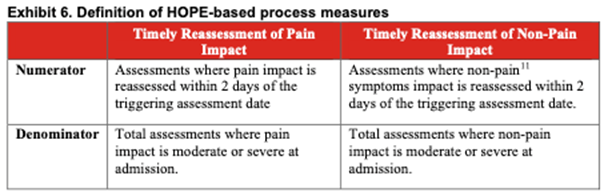
Exhibit 6 (below) shows the numerator and denominator for these.

HOPE-based Process Measures

TEP members determined that these two process measures have high face validity. This means the measure items clearly state, or “look like” they will measure what CMS intends them to measure. This allows consumers to see what hospices are assessing and treating. It can also help hospices track how well they are reducing or treating patients’ symptoms.

Katie Wehri, Director of Home Health & Hospice Regulatory Affairs for the National Association for Home Care & Hospice says the face validity of process items is the most important information the HQRP TEP provided to CMS. “Having HOPE items and subsequent measures that actually measure what is intended is key to success,” she says.

Exclusions from Process Measures Success

Exclusions from calculating a hospice’s process measures’ success need careful consideration. Here is the list of options of which patients to exclude:

  • Patient desired tolerance level for symptoms
  • Patient preferences for symptom management
  • Beth Noyce ConsultingNeuropathic pain
  • Actively Dying (death is imminent)
  • Other conditions

The report says that reassessing a symptom within two days of identifying that symptom as moderate or severe is fundamental. This is true regardless of the beneficiary’s stated tolerance-level for symptoms. It also said that process measure calculations should include patients with no symptom-management preference. Further, exclusion criteria should be the same for pain and non-pain symptoms.

Neuropathic Pain

The TEP’s recommends including neuropathic pain in the HOPE tool’s pain-reassessment process measure. Including rather than excluding patients suffering neuropathic pain prompts nurses to reassess these patients for changes. The report references research that suggests 40% of hospice patients may experience neuropathic pain. Patients who experience neuropathic pain have more severe and more distressing pain symptoms. [Tofthagen, C., Visovsky, C., Dominic, S., & McMillan, S. (2019). Neuropathic symptoms, physical and emotional well-being, and quality of life at the end of life. Supportive Care in Cancer, 27(9), 3357-3364. doi:10.1007/s00520-018-4627-x]

The TEP agrees that patients with neuropathic pain should be part of the process measure. However, they recommend excluding the same patients from the outcome measure addressing the patient’s pain impact. The report cited TEP discussion that such pain is chronic and not likely to be resolved or decreased within two days when the reassessment captures outcome data.

The TEP broadly agreed that a nurse who assesses a patient who is actively dying (life expectancy of 3 days or fewer based on clinicians’ assessment) as suffering moderate or severe pain should attempt to reassess the patient. Such patientsshould not be excluded.

The panelists agreed that process measures should include patients of all ages. Several TEP members noted that all patients experience pain and non-pain symptoms, and therefore the measures should apply to adults and children alike.

Exclusion Due to Inability to Reassess

When a hospice is unable to reassess a patient for a valid reason process measures should exclude those patients.

Identified exclusion reason were:

  • discharge, alive or dead
  • visit refusal
  • inability to access the patient due to an emergency department or hospitalization event
  • the patient traveling outside of the hospice’s service area
  • inability of the hospice to contact the patient or caregiver.

However, the report says, “…hospices should be penalized if reassessment is missing or delayed due to hospice staffing or scheduling issues.”

This article is the second in a series about implementation of HOPE. Next week, Beth Noyce shares details from the panel as it discussed potential future process and outcome measure concepts.

# # #

©2024 by The Rowan Report, Peoria, AZ. All rights reserved. This article originally appeared in Healthcare at Home: The Rowan Report. One copy may be printed for personal use: further reproduction by permission only. editor@therowanreport.com

Home Care Worker Safety: Aftermath of Home Health Nurse Death

Caring for the Caregiver

by Kristin Rowan, Editor

In October of 2023, nurse Joyce Grayson went to the home (halfway house) of a released convict. She was later found dead in the basement of the house. In addition to adding focus to home care worker safety, the immediate response to this tragic event was an increase in nurses being afraid to do their jobs. Lawmakers in Connecticut vowed to increase protection for visiting nurses to ensure health care worker safety. The nurses requested additional reporting requirements for assaults while lawmakers suggested requiring an escort for high-risk situations.

Elara Caring at Fault Joyce Grayson Home Care Worker Safety

Home Care Worker Safety by Law

Connecticut Senator Saud Anwar recognizes the growing segment of people wanting to age at home. “We want people to be able to get treatment at home,” he said. However, he also recognized the need for more information about potentially dangerous homes. He said at-home health care workers should be aware of what they’re walkin into “if there’s a high-risk situation.” Conn. lawmakers introduced Senate Bill One for Session Year 2024. The bill would require agencies to provide patient information, as applicable, including:

  • Medical History
    • Psychiatric history
    • History of violence
    • History of substance abuse
    • History of domestic abuse,
    • Current infections and treatments
    • Stability of diagnoses or symptoms over time
Joyce Grayson Lone worker safety
  • Housing Information
    • Other persons in the home
    • Name and relationship to patient
    • Psychiatric history
    • History of violence or domestic violence
    • Criminal records
    • History of substance abuse
  • Location of Service
    • Crime rate
    • Presence of hazardous materials
    • Presence of firearms or other weapons
    • Status of location’s fire alarm system
    • Presence of any other safety hazards

The bill also included ongoing safety training, safety assessments, and safety checks including:

  • A mobile app with patient information
  • A GPS enabled wearable device that allows staff to contact law enforcement

The Bill included payment rates to offset the cost of implementing all safety items to ensure cost-neutrality.

Implications for Hospice Agencies

Barbara Pearce, interim CEO of Connecticut Hospice, raised some legitimate concerns over the bill. Pearce warns that the background screenings required are lengthy and would result in many patients not receiving hospice care at all. According to Pearce, Connecticut Hospice “had 300 people die within three days, 200 people within two days, and 100 people within one day of entering home hospice care.” None of these patients would have been cared for if the bill had been in place at the time. Pearce discussed her concerns with Conn. lawmakers, who have since changed their approach.

Senate Bill One "Home Care Worker Safety" Moving Forward

Connecticut lawmakers are opting to exclude hospices from the bill for now. Sen Anwar said they plan to write a hospice-tailored bill “in the future” to ensure safety of hospice workers. Anwar continued, “We will have a plan of action to see what can be done to reduce the risk for hospice care workers too because…we want to make sure they’re safe too.”

The Connecticut 2024 legislative session is scheduled to adjourn on May 8. Senate and House representatives are racing the clock to modify the bill before the session ends.

Implication for Home Health

Few, if any, states have laws for home health worker safety. Alaska and Idaho have strict penalties for violence against health care workers. Wyoming introduced a similar bill in 2013, but it was defeated. Oregon passed a law in 2007 to require hospitals and surgery centers to implement safety strategies. Washington state established a law in 1999 that requires the development and implementation of a work-place violence plan. The law includes home health, hospice, and home care agencies, but does not have the detailed measures included in Connecticut’s bill.

If Senate Bill One passes in Connecticut, it could pave the way for additional state or federal regulations for in-home care safety precautions. Violence in home health, hospice, and home care has increased and steps need to be taken to ensure the safety and well-being of caregivers. Keep an eye out for some upcoming product reviews on mobile apps and hand-held emergency devices that allow home care workers to alert the agency, law enforcement, and/or family members before, during, and after a care visit.

# # #

Kristin Rowan, Editor

Kristin Rowan has been working at Healthcare at Home: The Rowan Report since 2008. She has a master’s degree in business administration and marketing and runs Girard Marketing Group, a multi-faceted boutique marketing firm specializing in event planning, sales, and marketing strategy. She has recently taken on the role of Editor of The Rowan Report and will add her voice to current Home Care topics as well as marketing tips for home care agencies. Connect with Kristin directly kristin@girardmarketinggroup.com or www.girardmarketinggroup.com

©2024 by The Rowan Report, Peoria, AZ. All rights reserved. This article originally appeared in Healthcare at Home: The Rowan Report. One copy may be printed for personal use: further reproduction by permission only. editor@therowanreport.com

HIPAA: Access to Records

Clinical

By Elizabeth E. Hogue, Esq.

A key purpose of the Health Insurance Portability and Accountability Act (HIPAA) is certainly to protect patient information. Another is to help ensure that patients have access to their health information. In fact, the Office of Civil Rights (OCR) of the U.S. Department of Health and Human Services, the primary enforcer of HIPAA, has focused on enforcement actions against providers that do not make information available to patients on a timely basis. OCR launched a right to access enforcement initiative in 2019 that is continuing.

Providers must give medical information to patients and their representatives within thirty days of requests. When they fail to do so, they may be subject to enforcement action by OCR. Following are two examples of recent enforcement actions.

OCR announced on April 1, 2024, that Essex Residential Care in New Jersey will pay a civil money penalty of $100,000 to resolve violation of HIPAA’s right of access standard. This is the 48th settlement reached under the right of access initiative. OCR received a complaint in May of 2020 from the personal representative of the estate of a patient who passed away. Following an investigation by OCR, the personal representative, who was the son of the patient, received the records in November of 2020. The provider did not contest the fine.

In another recent case, the daughter of a patient who passed away was appointed as the personal representative of her mother’s estate. She made multiple requests to Phoenix Healthcare for a copy of her mother’s medical records. She finally received the records one year after her initial request. Phoenix Healthcare initially received a civil money penalty of $250,000 for failure to provide timely access.

The provider appealed. An administrative law judge (ALJ) upheld the violation and ordered Phoenix to pay a civil money penalty of $75,000. The Departmental Appeals Board affirmed the ALJ’s decision. Then Phoenix agreed to settle for $35,000 and waived the right to further appeals. While it may seem in this case that the provider’s appeals significantly lowered its costs, it is important to note that the provider also undoubtedly expended significant resources on two appeals of OCR’s enforcement action.

Providers have placed a great deal of time and effort into the protection of healthcare information in compliance with HIPAA. Rightfully so, but providers seem to have lost sight of the fact that HIPAA is also about ensuring that patients and their representatives have timely access to their records. Now is the time for providers to conduct intensive education of staff members about HIPAA’s requirements regarding access in order to avoid enforcement actions like those described above.

©2024 Elizabeth E. Hogue, Esq. All rights reserved. No portion of this material may be reproduced in any form without the advance written permission of the author. For more information on how to get access to this or any other article, please contact The Rowan Report.

Adding Insult to Injury: Change Healthcare Attacked Again

Admin

by Kristin Rowan, Editor

For a few weeks now, we have been covering the Change Healthcare cyberattack by ALPHV/BlackCat and the subsequent updates from CMS. Pharmacy and medical orders have been delayed, providers and patients are suffering, and CMS has issued “guidance” with no real solution. Underground reports indicate that Change Healthcare paid $22 million to BlackCat following the first cyberattack and that BlackCat stole 6TB of data from the system. Change Healthcare has refused to respond to questions about the alleged payment. Three weeks after the attack, Change Healthcare started to come back online, starting with the pharmacy services, which returned on March 7th. Parent company UnitedHealth Group indicated that other services would return in the coming weeks.

Legal Action

More than 87% of physicians are see more than a 20% drop in daily claim submissions. As of April 9th, physicians are still reporting issues with cash flow and anticipate higher than expected losses due to financing and loans that may be needed to cover them as the effects of the attack continue. Rivals of Change Healthcare are reportedly onboarding hundreds of customers who have left the organization. One of these, Availity, has processed more than $5 billion in claims that were left unprocessed by Change Healthcare’s system and has onboarded 300,000 providers with a backlog of more than 50 health systems waiting to start using the platform.

The attack has caused long-term disruptions, delays, cash flow problems, patient care disruptions, prescription delays, and billing issues. Some physician practices have started using personal money to cover payroll and other expenses. The US Department of Health and Human Services (HHS) has launched a formal inquiry into Change Healthcare’s data protection standards. This inquiry follows six class action lawsuits filed against the organizations. Physicians were still reporting significant impacts on their claims.

Adding Insult to Injury

Change Healthcare has barely gotten their systems up and running were still putting out fires when they were hit again. CyberAttackOn April 8, RansomHub contacted Change Healthcare and alleged to have 4TB of data stolen from the system and are demanding an extortion payment to keep the data private . RansomHub has threatened to sell the data, which includes US military personnel and patient data, medical records, and financial data, to the highest bidder in 12 days if the ransom isn’t paid.

Among the prevailing theories as to why Change Healthcare has been hit again is that the first ransom was supposed to have been split between ALPHV/BlackCat and an associate known as “notchy”, but ALPHV absconded with the ransom, leaving the other with nothing. Looking for a payout equal to what they lost, notchy partnered with RansomHub to try to recoup their losses. A second theory is that ALPHV and RansomHub are one in the same and that ALPHV went to ground after the ransom payout and have resurfaced as RansomHub. RansomHub, however, claims that after ALPHV went to ground, some of their affiliates joined the RansomHub operation and this is how they came by the data. Either way, it seems that the data stolen in the first attack was not returned after the ransom was paid and Change Healthcare is still susceptible to further extortion. This also means that the Change Healthcare system was not hacked a second time, but rather this is just an extension of the first data breach.

No word yet on whether Change Healthcare and UnitedHealth Group will pay the second ransom demand.

We will continue to follow this story and provide updates as it impacts payment and claims processing.

# # #

Kristin RowanKristin Rowan has been working at Healthcare at Home: The Rowan Report since 2008. She has a master’s degree in business administration and marketing and runs Girard Marketing Group, a multi-faceted boutique marketing firm specializing in event planning, sales, and marketing strategy. She has recently taken on the role of Editor of The Rowan Report and will add her voice to current Home Care topics as well as marketing tips for home care agencies. Connect with Kristin directly kristin@girardmarketinggroup.com or www.girardmarketinggroup.com

©2024 by The Rowan Report, Peoria, AZ. All rights reserved. This article originally appeared in Healthcare at Home: The Rowan Report. www.therowanreport.com One copy may be printed for personal use: further reproduction by permission only. editor@therowanreport.com

HOPE is on the Way: Part 1 – Outcome Measures

Clinical

By Beth Noyce, RN, BSJMC, HCS-C, BCHH-C, COQS
Home health & hospice consultant

The Hospice Outcome Patient Evaluation is a step closer to implementation.

After four years of considering options, the Technical Expert Panel (TEP) has finished its work that will inform future Hospice Quality Reporting Program results. The TEP considered quality measures to include in hospice’s future assessment tool and best choices for risk adjustment and exclusion.

The panel convened in 2019 “[we are] committed to improving the quality of care given to hospice patients,” says the 2022-2023 TEP Summary Report: Hospice Quality Reporting Program. The panel aimed to ensure that hospice quality measures are meaningful for hospice beneficiaries, transparent to hospice providers, and useful to consumers. They considered quality measures from both HOPE and claims data.

“From day one it was very clear Medicare wanted to make this a very different experience for hospice teams and make it a more valuable thing for consumers,” says Dr. Jeff McNally, Hospice Medical Director at Utah’s Intermountain Hospice,” describing his participation on the HQRP TEP. “I was actually encouraged and inspired by it,” he says. “It was the first time I had first-hand experience working with any kind of CMS entity.

“The reality is some clinicians in the field and leaders don’t have the best things to say about CMS,” he explains, but “whatever we were considering we always circled back to whether it would be burdensome to the clinical team and would it be valuable to consumers.”

The panel initially planned to meet multiple times in person, with two meetings per year and potential virtual meetings as needed. “Then COVID hit,” Dr. McNally says. “It slowed the process considerably. We never did meet again in person.”

The HQRP TEP met eight times over four years, virtually after the initial meeting. McNally described participants as coming to each meeting prepared with data and proposals for HOPE measures for which they would request input from panelists.”

From TEP recommendations early in their work, Abt Associates developed two outcome measures and two process measures in harmony with hospice’s central tenet to manage symptoms:

  • Process measures:
    • Timely Reassessment of Pain Impact
    • Timely Reassessment of Non-Pain Symptom Impact
  • Outcome measures:
    • Timely Reduction of Pain Symptom Impact
    • Timely Reduction of Non-Pain Symptom Impact

“The most important [recommendations] were some of the outcome measures about symptom management,” McNally explains. “What should we be helping agencies show that they’re doing well? And how do we do that? Deciding which ones, and how many symptom management measures to use and the most valuable way to show it in a fair way.”

During the past two years, TEP members prioritized which of the risk-adjustment factors suggested by Abt. Associates should apply to outcome measures and which exclusions should apply to both outcome and process measures.

The report describes risk adjustment as using statistics to exclude “confounding factors,” or elements that are outside of a hospice’s control, from calculations that could make a hospice’s performance appear either better or worse than it is. In essence, risk adjustment increases the fairness in outcome-measure calculations while exclusions do the same for both outcome and process measures.

For the outcome measures being considered, the report says that the “TEP broadly agreed that risk adjustment is very important because it accounts for external factors outside hospices’ control and more accurately reflects the quality of care provided.”

Judi Lund Person, Principal of LundPerson & Associates, LLC, agrees. “The discussion of risk-adjustment factors is vitally important to the success of upcoming process measure implementation,” says Lund Person.

Determining which risk-adjustment factors to bring to the table was not easy. “There were some nuance things that we hashed out to try and decide how to weigh some factors in risk adjustment” for outcome measures, McNally explains.

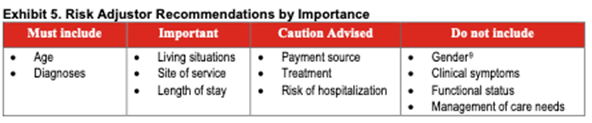
Exhibit 5 (below) summarizes the TEP’s rankings of risk adjustors suggested.

While the TEP’s priorities seem clear, the discussion concerning each risk adjustor was more complex. The TEP broadly agreed that the most important risk-adjustment factors are age and diagnosis. Some diseases are more difficult to manage than others, and patient condition tends to decline with age regardless of provider activity. Therefore, the TEP recommended that CMS adjust for these factors to ensure that common external factors do not adversely affect reported hospice care quality.

Here’s part of the nuance – the TEP also raised concerns that how well other patients with certain diseases or of certain age groups are treated might be valuable to some patients and their families seeking care for someone of the same age group or condition. Panelists fretted over possibly obscuring that information for consumers seeking hospice care by adjusting for those risk factors.

Living situation as a risk adjustor ranked as important to TEP members because hospices have no control over what level of assistance is available to patients. Similarly, site of service ranked high as a risk adjustor because, said some panelists, care is delivered very differently across settings, and patients and/or caregivers tend to provide higher hospice satisfaction ratings for hospices in home settings than for those in facilities,” according to the report.

Lund Person, who is also former Vice President of Regulatory and Compliance at the National Hospice and Palliative Care Organization (NHPCO), notes that the TEP recognized living situation and site of service as “important” risk adjustment recommendations.

“Identifying site of service will help to distinguish between care at home and care in a facility,” she says. Also vital, she continues, “is the recommendation from the TEP to consider length-of-stay as a risk-adjustment factor, including the differences between a 4-day length of stay and a 6-month length of stay.”

One TEP member cautioned that using payment sources, IV therapy, and risk of hospitalization as risk adjustors might tempt some hospices to use them to distort a hospices’ apparent care quality.

TEP members did not recommend using as risk adjustors gender, clinical symptoms, functional status and management of care needs. They did not discuss why they rejected gender, but several agreed that using clinical symptoms would not be of value because of their high correlation with diagnoses. Because hospice providers typically see hospice patients decline in ADL and IADL abilities, and hospice goals are focused on comfort rather than functional improvement, functional status was on the TEP’s “Do Not Include” as a risk adjustor list. And finally, one TEP member strongly opposed adjusting for patients’ medication management, supervision or safety assistance needs (management of care needs), explaining that “the public and CMS should hold hospices accountable for planning around oral medication, injectable medication management, and supervision and safety assistance,” the report says.

The TEP did suggest that using some risk adjustment factors as part of the HQRP could assist hospices internally with quality improvement while others would be more valuable to patients and families. For example, Patients and families would benefit from more straightforward risk adjustment that helps them select a hospice,” the report says, “including factors such as diagnosis. For publicly reported data used to select a hospice, the TEP suggested using demographic factors (including age but excluding gender), socioeconomic factors, living situation, and diagnoses.”

Dr. McNally hopes eventually to use HPRP data to promote Intermountain Hospice’s care. Intermountain Hospice is part of Intermountain Health, a health care provider with presence in multiple states. “You can’t take the current metrics to doctors’ offices and families to show anything meaningful,” he says. “It’d be great to have metrics we could take to our neurology docs and other docs,” he says. “I really think we provide better care and more options when patients stay within our system.

This article is the first in a series about implementation of HOPE. Next week, Beth Noyce shares details from the panel as it evaluated process measures.

# # #

©2024 by The Rowan Report, Peoria, AZ. All rights reserved. This article originally appeared in Healthcare at Home: The Rowan Report. One copy may be printed for personal use: further reproduction by permission only. editor@therowanreport.com


CMS Hospice Payment Rate FY 2025 Proposal

CMS

By Kristin Rowan, Editor

On March 28, CMS issued a new proposed rule to update Medicare hospice payments. Here’s what we know.

The new proposed rule:

  • Would change the existing hospice wage index
  • Clarifies current policy related to the hospice “eletion statement” and the “ntoice of election”
  • Adds clarifying language around hospice certification
  • Includes a request for information to get comments on implementing a separate payment mechanism for high-intensity palliative care services
  • Proposes that Hospice Quality Reporting Program (HQRP) measures be collected through the Hospice Outcomes and Patient Evaluation (HOPE), adding two new measures
  • Also proposes changes to the Consumer Assessment of Healthcare Providers and Systems (CAHPS) Hospice Survey

The new proposed rule includes a net 2.6% increase in payments over FY 2024. This includes a 3% market-based update, and a 0.4% cut for productivity. Submitting quality data is a requirement of the net pay. Hospices that do not submit quality data will be penalized 4%, netting a 1.4% decrease in payments. The propsed rule for 2025 is .5% lower than the 2024 hospice payment increase.

The National Hospice and Palliative Care Organization (NHPCO) says the rate increase is good, but not high enough. NHPCO COO and Interim CEO, Ben Marcantonio said, “To continue providing the high level of care our patients and their families deserve, hospices require a payment rate that accurately reflects the current economic challenges. We know that hospice care has demonstrated $3.5 billion in annual savings for Medicare, which underscores the critical importance of investing in hospice to ensure continued beneficiary access to quality end-of-life care.”

Palliative Care

CMS is interested in feedback and proposals from hospice agencies for providing complex palliative treatments and high-intensity hospice care when that care negatively impacts hospices financially. CMS aims to care for high-cost patients through palliative care rather than acute care. The NHPCO agrees with the CMS proposal to fund palliative care separately from standard hospice or acute care. CMS will take feedback and proposals through May 28, 2024. Comments can be submitted electronically at http://www.regulations.gov, by following the “Submit a Comment” instructions. Comments can also be sent by regular or express mail. Addresses can be found in the full proposed rule. Follow the search instructions at http://www.regulations.gov to see all submitted comments.

The proposed rule can be viewed starting April 4, 2024 at the Federal Register at https://www.federalregister.gov/public-inspection.

# # #

Kristin Rowan

Kristin Rowan has been working at Healthcare at Home: The Rowan Report since 2008. She has a master’s degree in business administration and marketing and runs Girard Marketing Group, a multi-faceted boutique marketing firm specializing in event planning, sales, and marketing strategy. She has recently taken on the role of Editor of The Rowan Report and will add her voice to current Home Care topics as well as marketing tips for home care agencies. Connect with Kristin directly kristin@girardmarketinggroup.com or www.girardmarketinggroup.com

©2024 by The Rowan Report, Peoria, AZ. All rights reserved. This article originally appeared in Healthcare at Home: The Rowan Report. One copy may be printed for personal use: further reproduction by permission only. editor@therowanreport.com

OIG Says Providers Can Offer Services to Caregivers

Clinical

by Elizabeth E. Hogue, Esq.,

Primary caregivers – often patients’ family members – are crucial players in home care. Without them, it can be impossible to provide home care services and to keep patients in their homes. If patients cannot care for themselves, reliable caregivers are an essential prerequisite for the provision of all types of home care.

Caregivers have a very “hard row to hoe” because caregiving is physically, emotionally, intellectually, and spiritually demanding. Is it possible that enhanced assistance for caregivers can positively impact quality of care? Intuitively, the answer to this question seems to be “yes.” What additional assistance may be helpful and can providers offer it?

Here are some initial ideas for helpful assistance:

  • Caregiver support groups
  • More intensive education about patients’ clinical conditions, with an emphasis on signs and symptoms of changes in patients’ conditions and what to do about them
  • Assistance from volunteers, especially for patients who are chronically ill

The next question is whether providers can offer additional assistance, such as the activities described above. This issue has been addressed by the Office of Inspector General (OIG) of the U.S. Department of Health and Human Services, the primary enforcer of fraud and abuse prohibitions. The OIG has clearly stated that providers may not give patients or potential patients free items or services that cost more than $15.00 at a time or more than $75.00 in aggregate per calendar year.

In Advisory Opinion No. 18-05; issued on June 18, 2018; the OIG also addressed the circumstances under which providers can establish “caregiver centers” that provide or arrange for free or reduced-cost support services to caregivers in local communities. The provider that requested this Advisory Opinion recognized the difficulties faced by primary caregivers and, consequently, established a caregiver Center.

The Center is staffed primarily by volunteers. Private donations fund the Center and none of its costs are shifted to any federal health care program.

The Center either directly or, in collaboration with local nonprofit organizations, provides free and fee-based services to caregivers. Free services include, but are not limited to, access to a resource library, various educational sessions, a short-term equipment lending program, and free on-site respite care during events sponsored by the Center and attended by caregivers. The Center offers or partners with other providers in the community to offer stress reduction workshops, low-cost ride-share programs, and additional respite care.

The provider does not specifically market the Center’s services, but information is available on its website, social media pages, and in brochures. These sources make it clear that every caregiver is eligible to use the Center’s services, regardless of healthcare provider or payor.

Center staff members do not market, promote, or make referrals for any medical items or services that are reimbursable by federal care programs and do not provide any items or services that are reimbursable by federal health care programs. Referrals for services include a comprehensive list of local service providers offering requested services, without recommending any provider over another.

In response to this request, the OIG first stated that the key question is whether these services are likely to influence caregivers to select the provider or items or services reimbursable by the Medicare or State health care programs in the future. The OIG then acknowledged that the services provided have intangible, psychological value to caregivers. Some of the services relieve caregivers of expenses they might otherwise have incurred. The OIG also noted that many of the support services take place on the provider’s premises, which might encourage selection of the provider for future services. The OIG also acknowledged that this arrangement does not fit into any safe harbor or exception under the federal anti-kickback statute.

Nonetheless, the OIG said that it would not impose sanctions on the provider because:

  • The services offered at the Center primarily benefit caregivers, not patients.
  • The Center’s services are available to all caregivers.
  • The provider does not actively market the Center and its services.
  • The Center is unlikely to increase costs to federal health care programs.

Caregivers have a tough job and need the support of home care providers. Based on this Advisory Opinion, the OIG has provided guidance about how home care providers of all types can expand their support for caregivers.

©2024 Elizabeth E. Hogue, Esq. All rights reserved.

No portion of this material may be reproduced in any form without the advance written permission of the author.